
Victorian Scottish Highlands Artwork
When you seek victorian scottish highlands artwork, you encounter painted scenes of mist, cattle, and remote lochs that bring nineteenth-century wilderness into a room.
Victorian Scottish Highlands Artwork
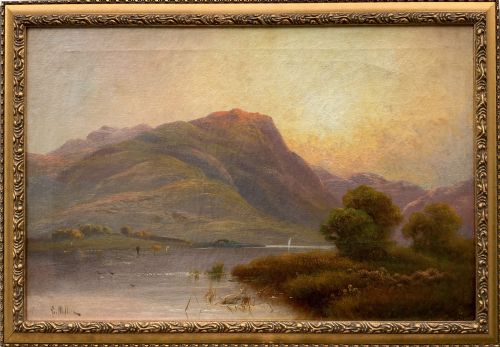
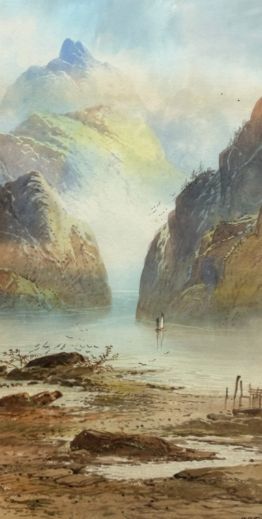
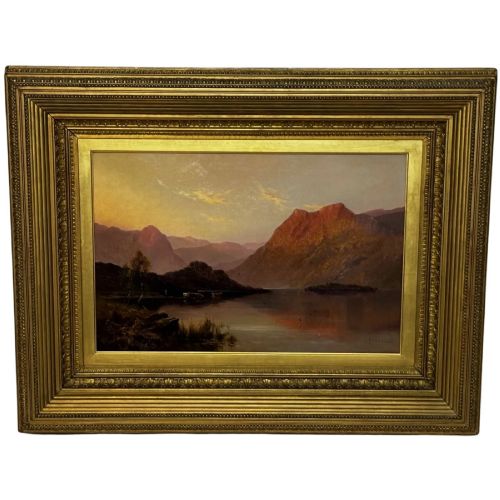
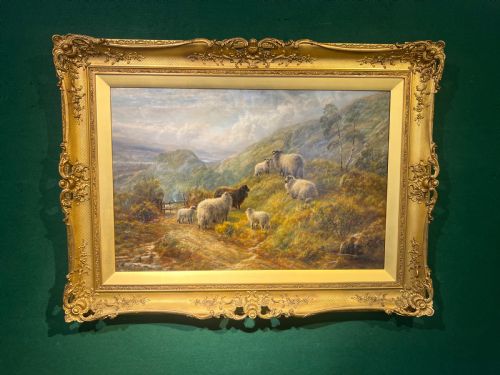
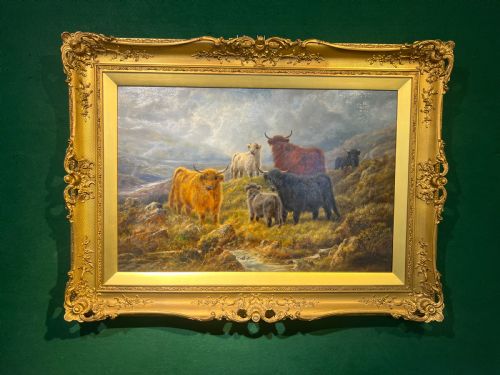
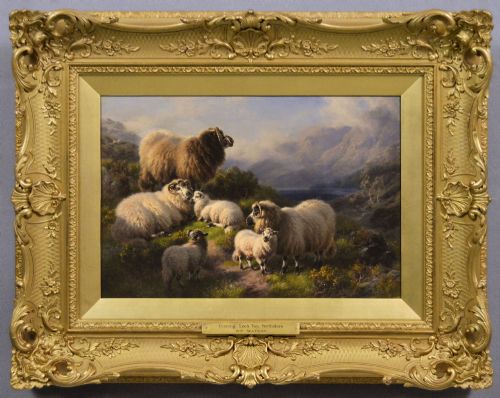
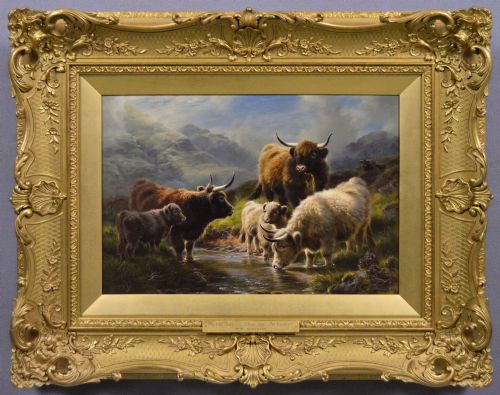
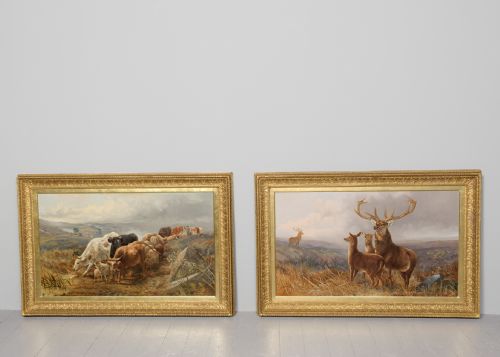
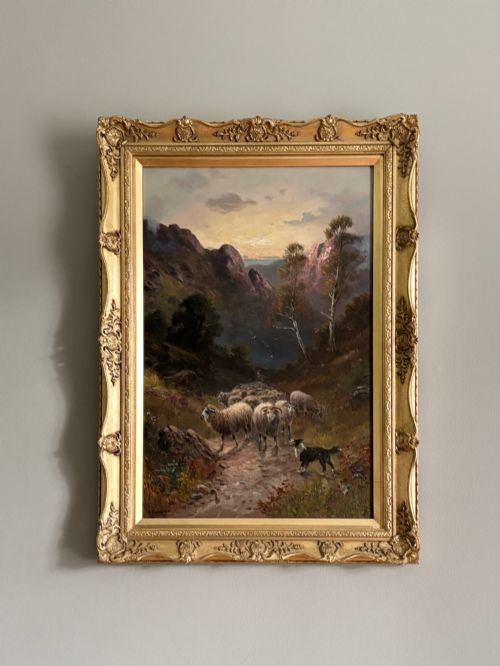
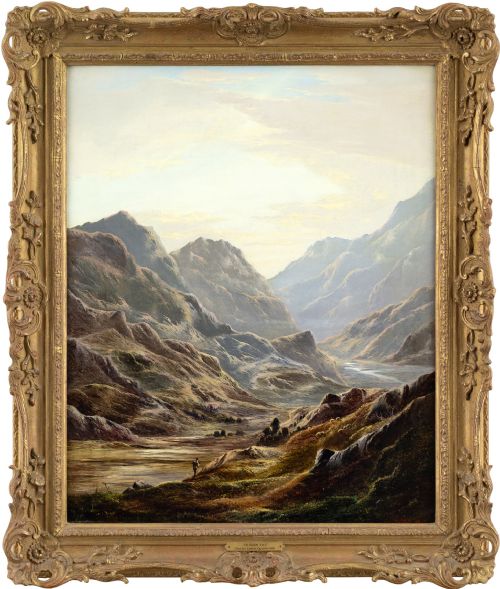
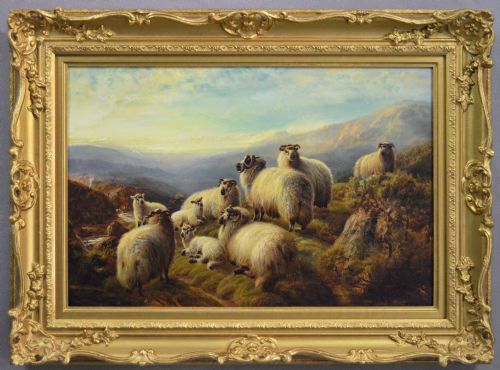
Victorian Scottish highlands artwork centres on nineteenth-century oil and watercolour paintings depicting dramatic landscapes, mountain ranges, and tranquil lochs. You will frequently meet framed works showing Highland cattle, sheep, and figures near remote bodies of water like Loch Lomond, Loch Tay, and Loch Awe.
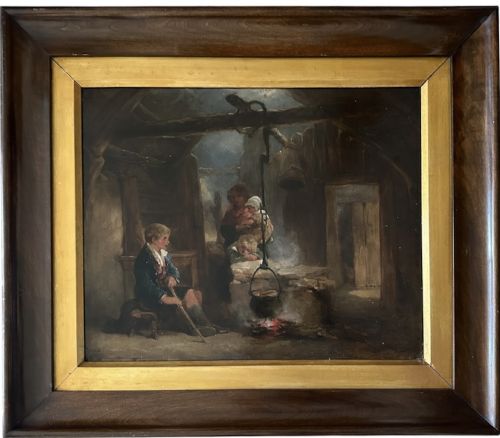
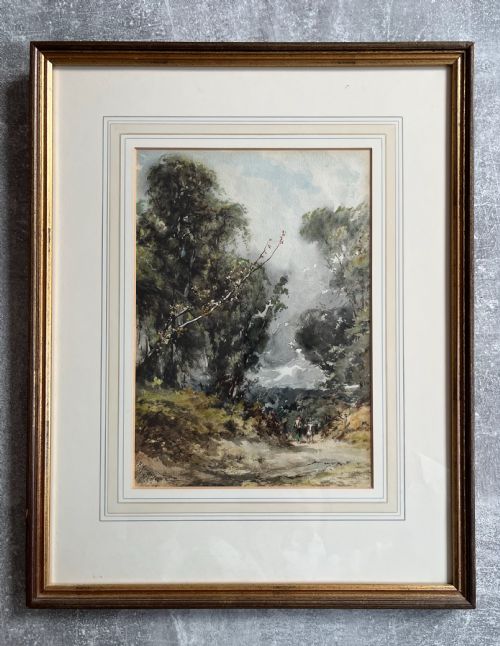
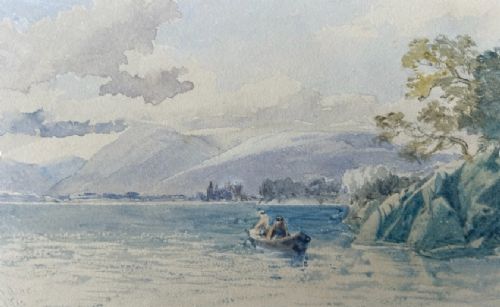
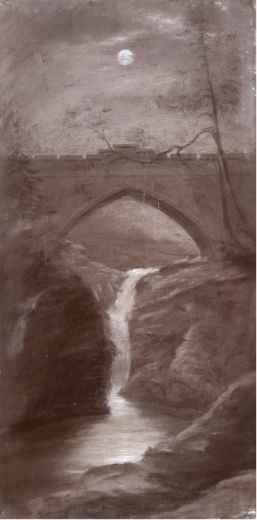
The selection ranges from expansive pastoral oil paintings on canvas to intimate watercolours on paper and panels depicting glens and stone bridges. These pieces capture the romantic perception of Scotland popular during the Victorian and Edwardian periods.
How They Were Made
These works rely primarily on oil paint applied to canvas or wood panels, alongside watercolours executed on paper. Artists built up textures using oil paint to render atmospheric effects like morning mist over Ben Lawers or sunset across a loch.
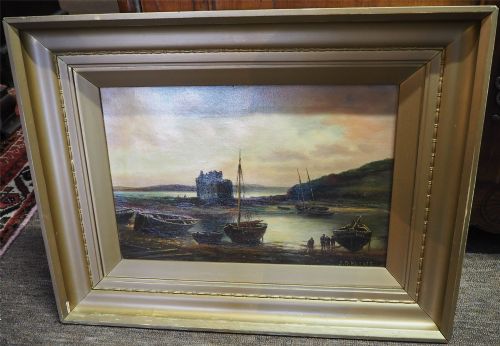
Finished paintings are typically housed in heavy frames constructed from wood and gesso, often embellished with gold leaf or giltwood finishes that reflect the Victorian preference for ornate presentation.
Even the sheep in these glens look as though they are posing for a formal portrait.
What Varies in Quality
Quality rests on the artist's ability to capture natural light and atmospheric depth, distinguishing accomplished compositions from standard topographical output. The treatment of water, sky, and animal anatomy separates superior canvases from repetitive studio work.
The condition of the original canvas, the preservation of the oil paint layers, and the integrity of the period giltwood frame significantly influence the overall standing of an individual piece.
William Beattie-Brown·George Fotherly Hargitt·Thomas Miles Richardson Jnr·William Henry Earp·Alfred Fontville de Breanski Jr·Robert Watson·William Watson Jnr·Robert Cleminson·Douglas Cameron·Charles Leslie·Everett Watson Mellor·William George Tennick·Henry Robinson Hall·James Kyd·Henry Hillier Parker·H Wallace·Tom Seymour·Sidney Yates Johnson·John Charles Tunnard·Sidney Pike·Charles Jones·George Turner·John W Morris·Daniel Sherrin·Alfred de Breanski Snr
The Victorian Scottish Highlands Artwork Glossary
- Gesso
- A plaster-like mixture applied to wooden frame mouldings as a base for gilding. It allows for intricate relief ornamentation around the edges of the artwork.
- Giltwood
- Wood carved and coated with gold leaf or metallic paint. It frames many nineteenth-century paintings to provide a reflective, decorative border.
- Oil on Canvas
- Pigments bound in a drying oil applied to a stretched woven fabric support. This combination permits rich colour blending and textured brushwork.
- Watercolour Painting
- Works created using water-soluble pigments on paper. They offer translucent washes of colour well suited to detailed landscape studies.
- Provenance
- The documented history of a painting's ownership and origin. It helps establish attribution to specific nineteenth-century artists.
Victorian Scottish Highlands Artwork: Frequently Asked Questions
What subjects appear in these paintings?
These works commonly depict rugged Scottish mountains, reflective lochs, and remote glens inhabited by Highland cattle, sheep, and local figures. Artists sought out wild scenery around Loch Lomond, Arran, and Braemar.
Compositions often capture specific lighting conditions, such as morning mists, sunset glows, and winter snow scenes across the northern landscape.
How do I date a Scottish landscape?
Dating relies on stylistic clues, framing techniques, and signatures linked to known nineteenth-century artists working in the region. Victorian canvases often carry specific period characteristics in their stretcher bars and canvas stamps.
Examine the back of the panel or frame for handwritten inscriptions, artist labels, and exhibition tags that record the year of creation.
Where should I hang these artworks?
These traditional paintings suit libraries, drawing rooms, and studies with neutral or panelled walls that complement gilt frames. They require placement away from direct sunlight to protect sensitive oil pigments and watercolours.
Pairing a large Highland scene with period furniture creates a cohesive interior scheme rooted in nineteenth-century aesthetics.
What distinguishes oil from watercolour here?
Oil paintings utilise heavy pigments on canvas to build thick, textured layers of clouds, water, and animal coats. Watercolours employ translucent washes on paper to achieve delicate atmospheric effects and softer lighting.
Oils generally appear in heavier decorative frames, while watercolours require protective glass glazing and conservation mount boards.