


Framed Scottish Highland Scene
A framed scottish highland scene brings the rugged majesty of northern peaks and misty lochs straight onto the wall.
Framed Scottish Highland Scene
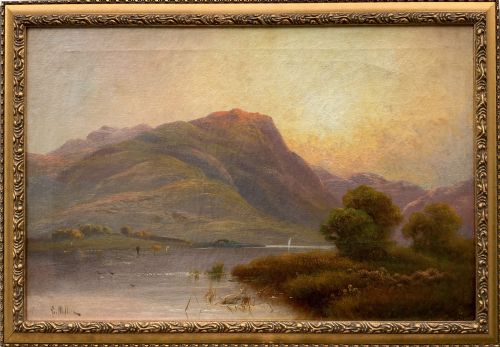
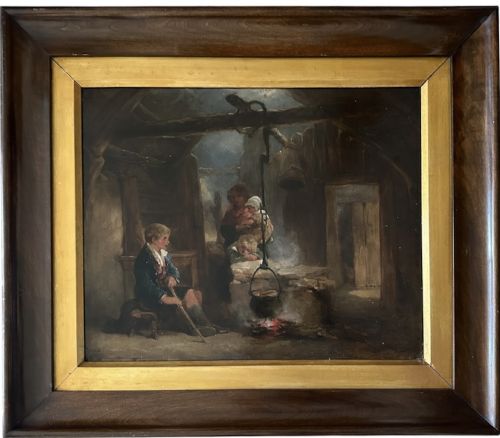
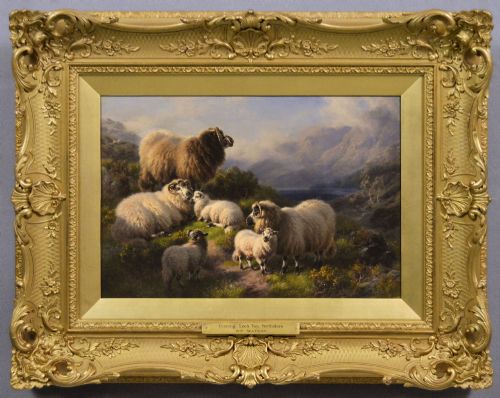
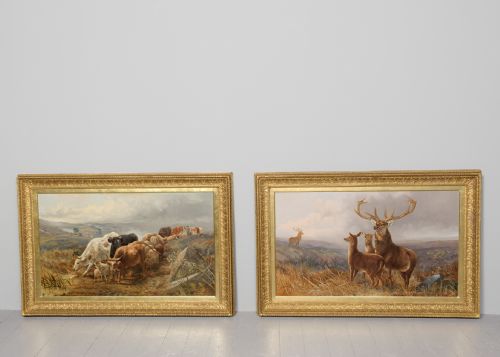
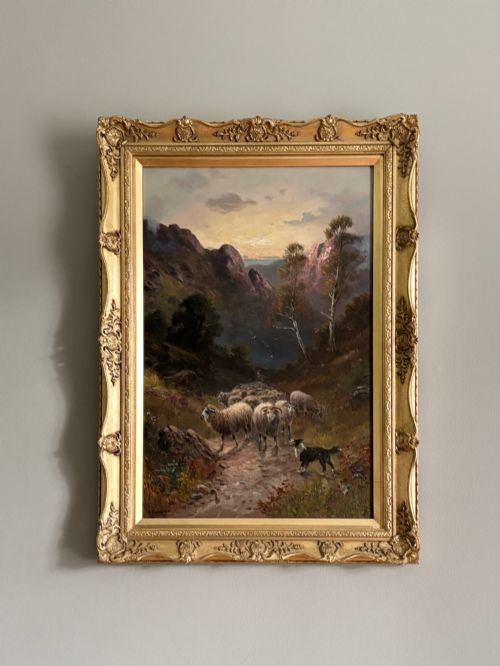
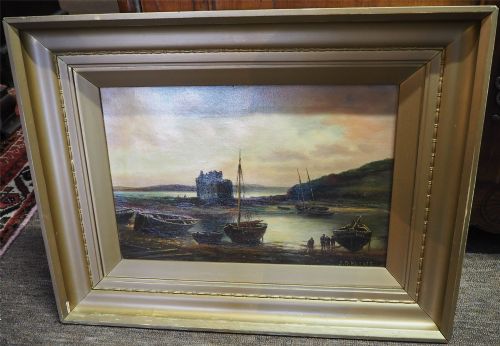
A framed scottish highland scene typically takes the form of an oil painting on canvas or board, created during the nineteenth century or the early decades of the twentieth century. These works depict expansive mountainous terrain, tranquil lochs, and pastoral life involving Highland cattle, sheep, or figures near traditional crofts.
Buyers encounter distinct stylistic approaches within this category, ranging from Victorian pastoral realism and sporting art to Scottish Impressionism and post-impressionist interpretations. Many works capture specific recognizable locations such as Loch Tay, Skye, or Ben More, rendered by artists associated with Scottish academies and British landscape traditions.
How they were made
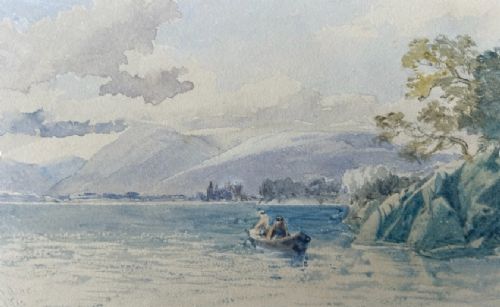
Artists built these compositions primarily using oil paint on stretched canvas, wooden panels, or occasionally watercolour and gouache on paper. The application of pigment ranges from smooth, detailed academic brushwork capturing atmospheric morning mists to looser, more expressive impasto typical of later impressionist landscapes.
Presentation relies heavily on period framing, frequently featuring ornate giltwood and gesso mouldings embellished with gold leaf. These substantial frames serve to contain and elevate the expansive pastoral vistas, often preserving original maker stamps or gallery labels on the reverse.
Several canvases squeeze remarkably patient Highland cattle and attentive terriers into misty mountain passes that look damp enough to rust a pocket watch.
What varies in quality
Quality separates routine decorative works from masterworks through the artist's command of atmospheric light, weather, and topographical accuracy. Superior examples convey the damp chill of a highland mist or the luminosity of sunset over a loch with confident brushwork and balanced composition.
The integrity and craftsmanship of the surrounding frame heavily influence the overall standard of the piece. Heavy gesso frames featuring intricate moulded details executed without loss or clumsy repair command greater attention than simple replacement mouldings.
George Whitton Johnstone·William Beattie-Brown·Thomas Miles Richardson Jnr·William Watson Jnr·Robert Cleminson·Douglas Cameron·Archibald Kay·James Kyd·William Grant Murray·John Charles Tunnard·Sir David Murray·John W Morris·Daniel Sherrin·Frederick Richard Lee·Thomas Sidney Cooper·AJ Thornton·George Cole·Henry Birtles·Alfred de Breanski Sr·Benjamin Williams Leader·Louis Bosworth Hurt·James Russell·Alfred Graham·E M Seaton·William Crampton
The Framed Scottish Highland Scene Glossary
- Giltwood
- Wood carved and covered with a thin layer of gold leaf or metallic powder. This material defined high-status nineteenth-century picture frames.
- Gesso
- A plaster-like mixture applied to wooden frame mouldings to create a smooth surface for stamping or carving intricate decorative patterns. Artisans applied multiple layers before gilding.
- Impasto
- Paint laid on an area of a surface in thick quantities, standing out from the relief. This technique adds tactile depth to water, rock faces, and Highland cattle hides.
- Pastoral
- A genre of art depicting rural life and domesticated animals in a romanticised natural setting. These scenes often feature shepherds, flocks, and peaceful valley floors.
- Gouache
- An opaque method of watercolour painting producing a flat, matte finish. It allowed artists working on paper to achieve rich tonal depth in mountain landscapes.
Framed Scottish Highland Scene: Frequently Asked Questions
What subjects appear in these paintings?
These works primarily feature rugged mountain landscapes, tranquil lochs, and rural valleys inhabited by Highland cattle, sheep, and local figures. Artists frequently documented recognisable Scottish topography under changing atmospheric conditions.
Scenes also encompass sporting pursuits, such as deer stalking, fishing, and upland shooting, reflecting the Victorian fascination with highland wilderness and sporting culture.
How do I identify the period of a frame?
Nineteenth-century frames typically employ heavy wooden construction covered in moulded gesso and finished with gold leaf. Inspecting the corner joints, mitres, and backing boards reveals clues regarding the age and originality of the housing.
Original frames often display craquelure in the gesso and bear the stamps of nineteenth-century carvers and gilders. Replacement frames usually lack this patina and show modern fixings or machine-cut timber.
Were these painted on location?
Painters often began with plein air watercolour sketches or pencil studies drawn directly in the highlands during field expeditions. They subsequently developed the final oil paintings back in their urban studios.
Some artists maintained residences in Scotland or undertook extended tours to gather visual material. The resulting studio canvases combined direct observation of weather and light with larger compositional arrangements.
How should I care for an oil painting?
Keep nineteenth-century canvases away from direct sunlight, heating vents, and damp environments to prevent the paint surface from cracking or warping. Stable room temperatures protect both the linen support and the delicate gesso frame.
Dust the gilded frame gently with a soft, dry brush and avoid using chemical cleaning agents on the painted canvas. Professional conservators should handle any structural repairs or surface cleaning.