





Victorian Safe Box
A victorian safe box brings heavy iron, stout oak and fitted silver into the room, built to secure wealth and everyday keepsakes.
Victorian Safe Box
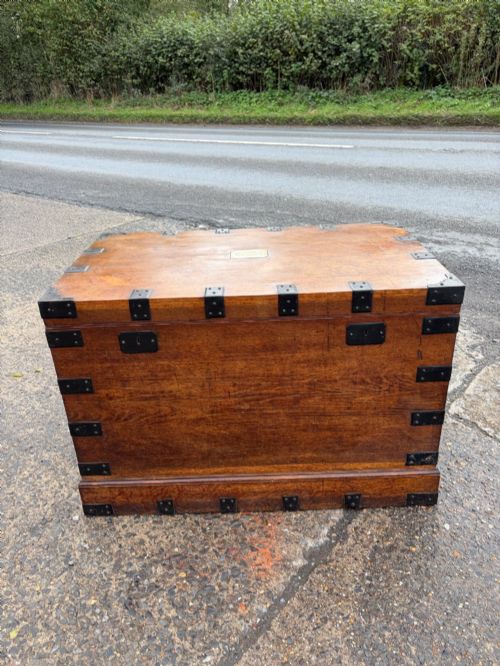
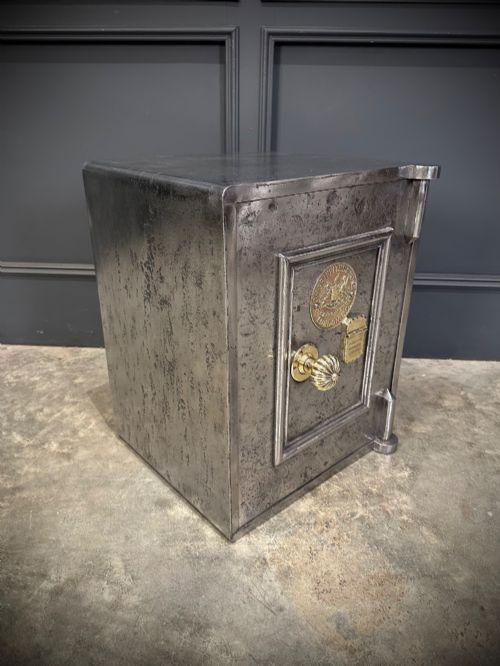
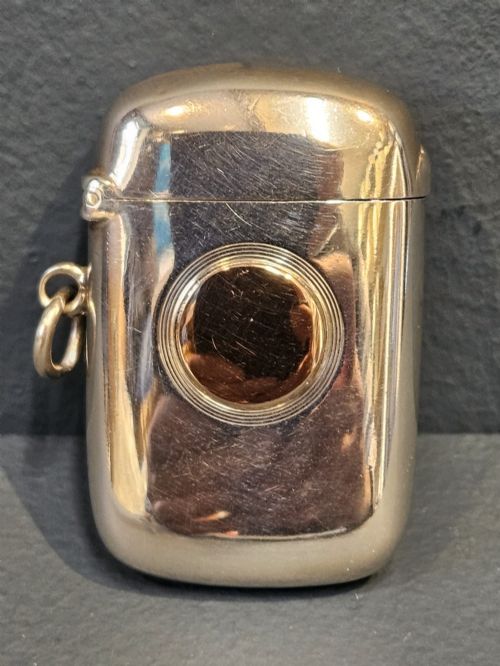
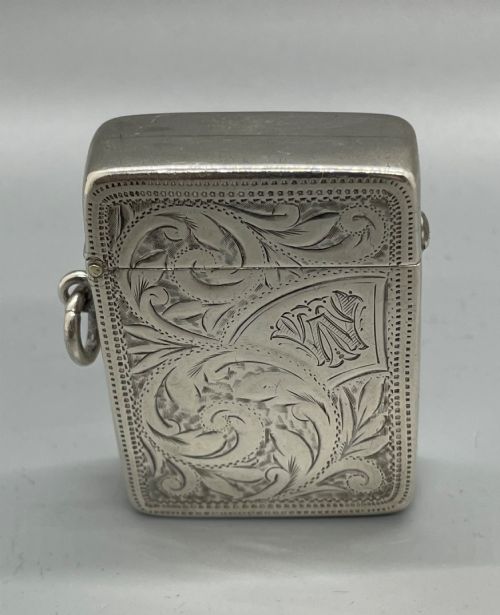
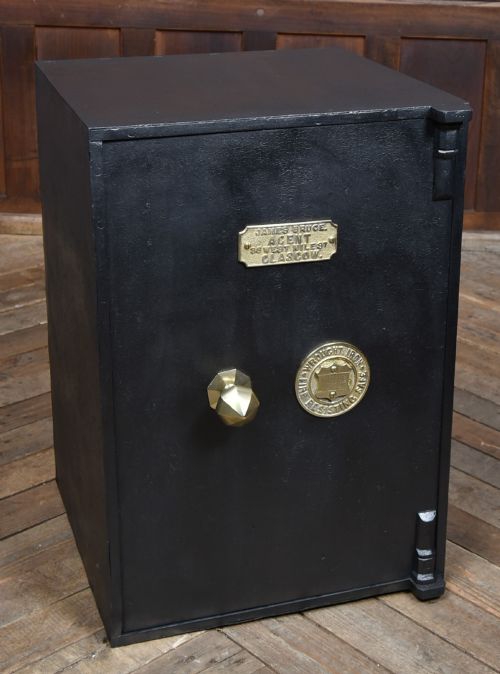
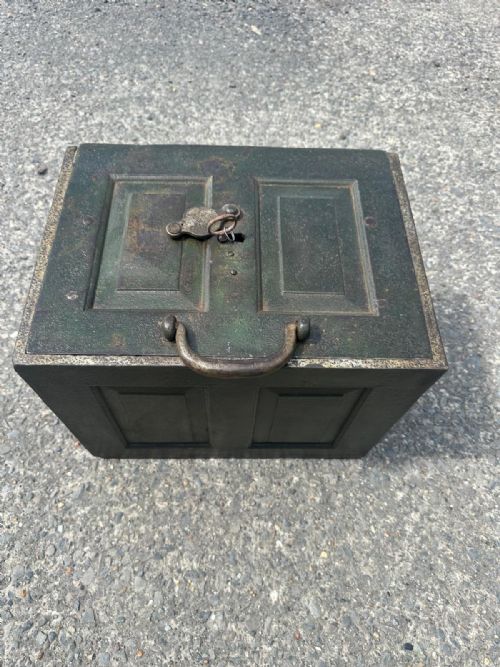
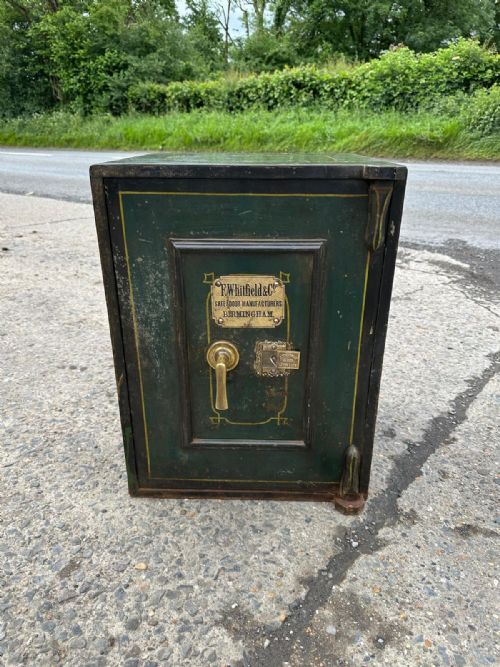
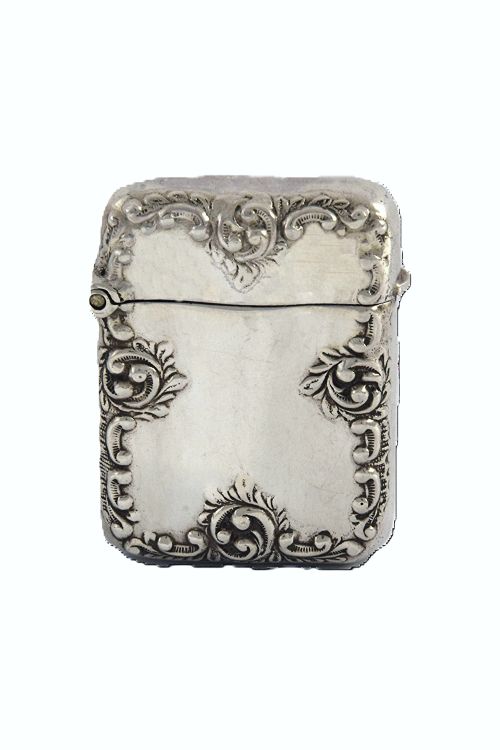
A victorian safe box encompasses several distinct functional forms, ranging from massive cast iron security safes and iron-bound oak silver chests to miniature sterling silver vesta cases carried in the pocket. Heavy floor-standing deposit boxes bear the names of notable makers such as Milners, Chubb and George Price, while smaller portable strongboxes and travelling trunks utilise brass mounts and robust timber.
The most common iterations encountered here are either utilitarian iron and steel document repositories or pocket-sized novelty silver match safes. Alongside these, fitted wooden jewellery boxes and personal diary repositories appear, reflecting an era obsessed with mechanical security and orderly storage.
Materials and Construction
Construction relies heavily on structural iron and cast steel for the security models, paired with durable oak, pine, and rosewood for chests and personal boxes. Metal-bound corners, strapwork hinges, and heavy-duty locking mechanisms form the backbone of the larger strongboxes, while silver-smithing techniques shape the intricate pocket vesta cases.
Surface finishes vary from original painted iron and black lacquer to polished precious metals and vitreous enamel details. Interiors frequently feature velvet linings, fitted partitions for silver flatware, and concealed secret compartments operated by hidden latches.
Victorian Safe Box Retail Price Guide 2026
Typical asking prices for victorian safe box among the pieces listed under this phrase on Sellingantiques today, from the lower quarter to the upper quarter. They describe what is for sale here now, not the wider market.
Among the security containers hide tiny silver dogs, cats, and jockey caps, proving that Victorians insisted on extreme security wrapped in absolute charm.
Assessing Quality and Merit
Quality rests upon the integrity of the locking mechanism, the weight and thickness of the cast iron or plate steel, and the survival of original keys and interior fittings. Maker attribution carries significant weight, as pieces bearing the stamp of recognised firms command greater attention than unsigned commercial variants.
The degree of craftsmanship in smaller items, such as hand-chased silver novelties or detailed enamel work on pocket cases, distinguishes standard utility pieces from exceptional examples. Original surface patination and fully restored mechanical function without loss of character elevate a piece above standard industrial salvage.
James Bruce·Sampson Mordan & Co·A & J Zimmerman·F. Whitfield & Co·Elkington·Milners of Liverpool·Chubb·Waring & Sons·George Price
The Victorian Safe Box Glossary
- Vesta Case
- A small pocket container designed to hold matches and keep them dry. These pieces often take novelty shapes in sterling silver, including animals and everyday objects.
- Silver Chest
- A heavy wooden storage trunk lined with baize or velvet and reinforced with iron straps. Designed for transporting and storing family silver flatware.
- Strongbox
- A secure metal or iron-bound container utilised for documents, currency, and valuables. They feature complex lever locks and internal boltwork.
- Sovereign Case
- A specialised pocket container designed to hold British gold sovereign coins. They frequently combine with vesta compartments for everyday pocket utility.
Victorian Safe Box: Frequently Asked Questions
What were victorian safe box designs used for?
These containers served varied domestic and commercial purposes, from securing legal documents and family silver to holding gold coins and pocket matches.
Larger iron models guarded valuables against fire and theft in offices and grand homes, while smaller wooden chests protected travelling valuables on long journeys.
How do I secure a victorian safe box?
Most antique security boxes operate with heavy lever locks that require their original or properly fitted bitted keys. Working mechanisms turn smoothly when properly lubricated, though many historic units now function primarily as decorative display pieces.
Keys are frequently matched to surviving original locks during professional restoration work.
Where should I place a victorian safe box?
Floor-standing iron safes require substantial structural support due to their immense weight, making them striking anchor pieces for a study or hallway. Smaller wooden chests and silver boxes sit comfortably on desks, sideboards, or dedicated display stands.
Keep iron and steel pieces away from damp environments to prevent surface oxidation.
How do I date a victorian safe box?
Dating relies on a combination of maker stamps, patent marks, Birmingham or London silver hallmarks, and construction techniques. Cast iron bodies often feature manufacturer plaques that align with active business operating dates.
Stylistic cues such as Gothic Revival strapwork or Regency brass inlay provide further chronological markers.