
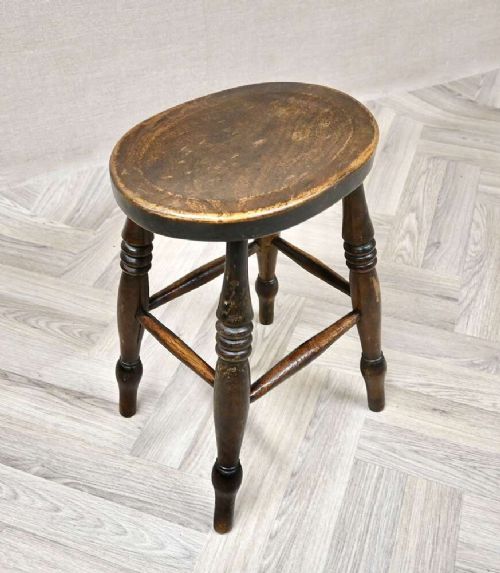
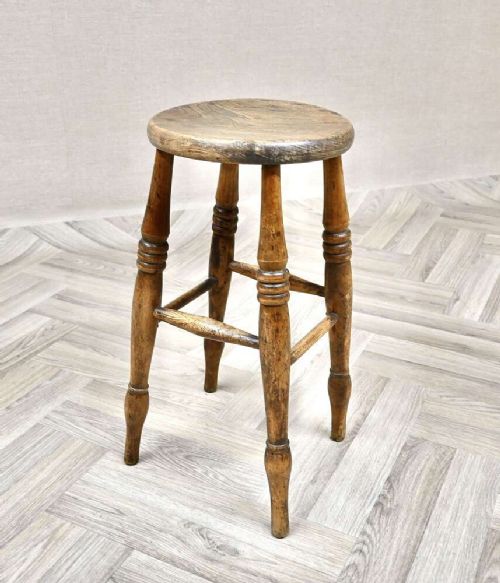
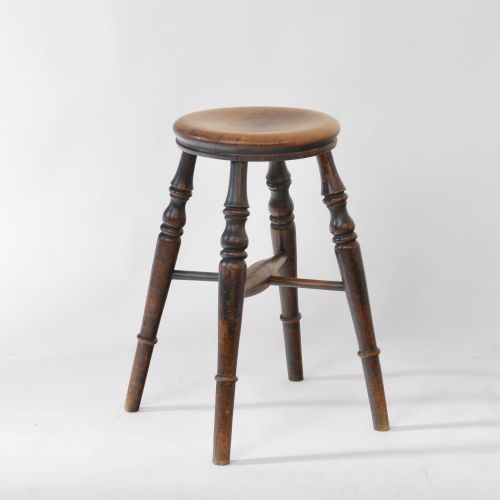
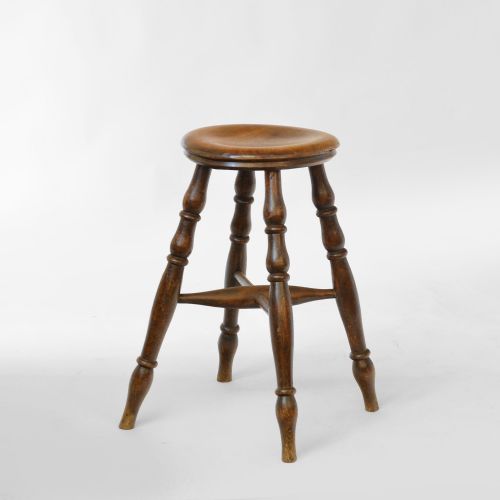
Victorian Rustic Wooden Stool
A victorian rustic wooden stool brings honest vernacular charm to a room, built for utility from timber like elm, oak, and pine.
Victorian Rustic Wooden Stool
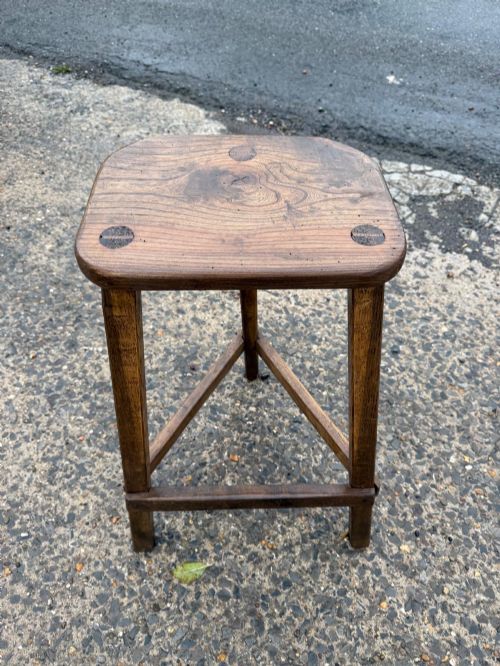
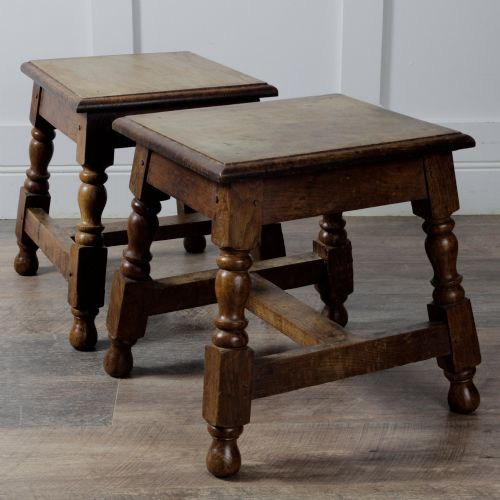
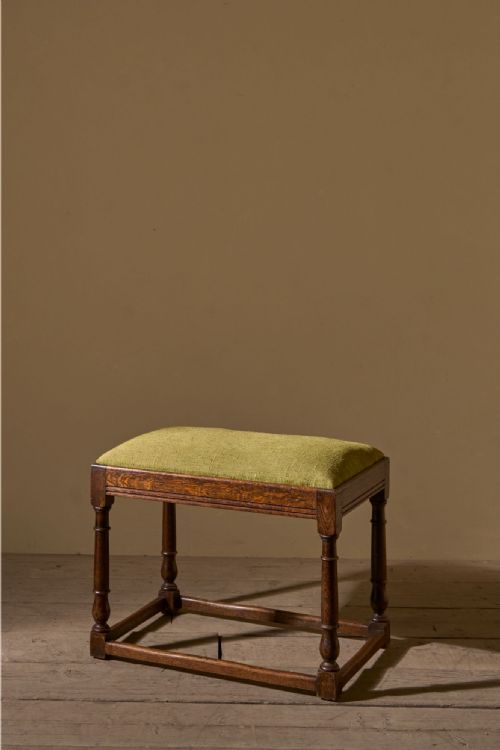
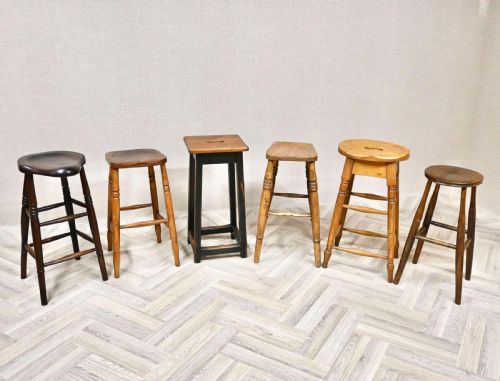
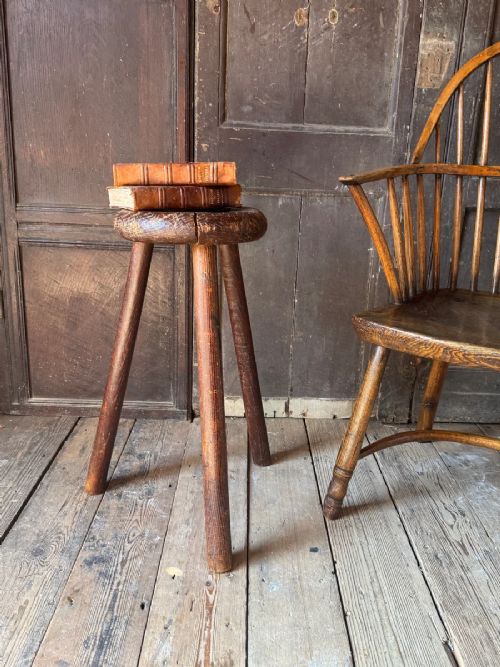
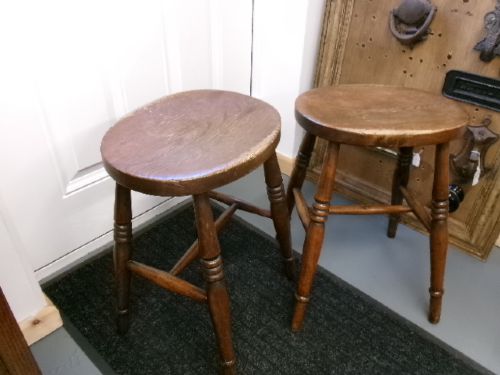
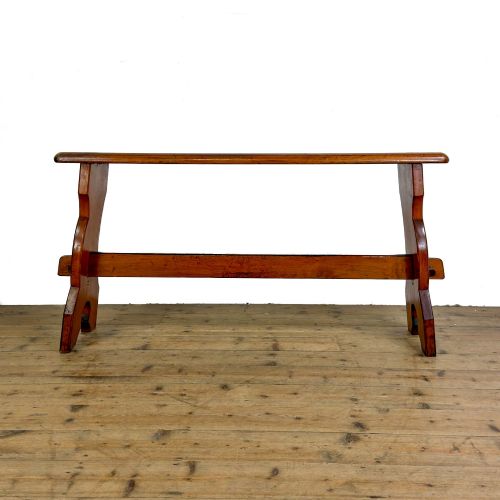
A victorian rustic wooden stool is a practical item formed for everyday work and domestic life in the nineteenth century. These items include tall bar seats, low dairy designs, tavern seating, and clerk's stools originating from rural workshops and urban trades.
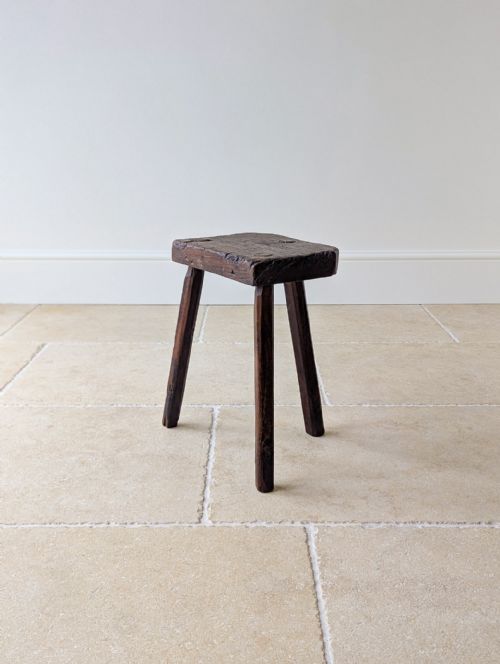
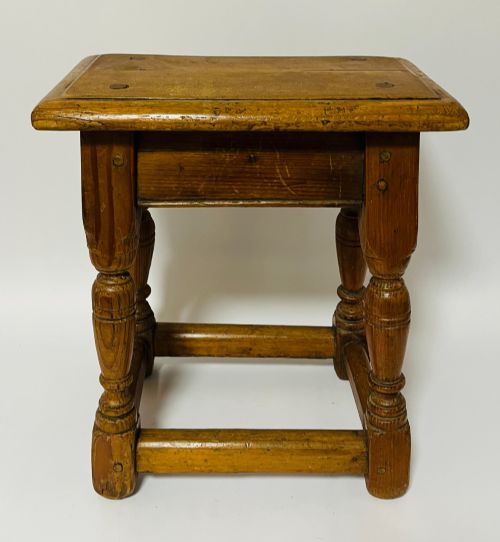
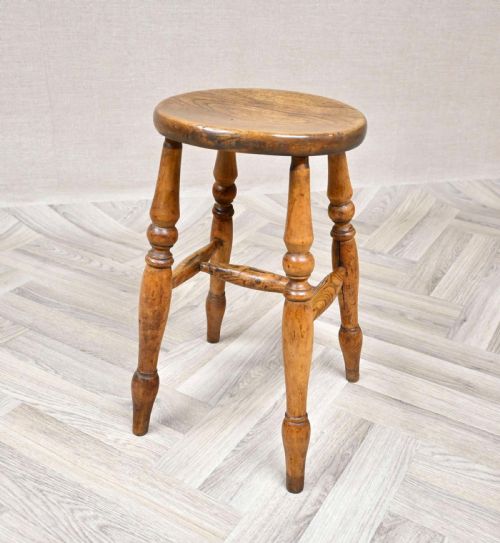
The most common examples encountered here are simple elm top stools and sturdy oak joint pieces. Makers produced these items using robust timbers suited to heavy daily use in homes, pubs, and workshops.
How they were made
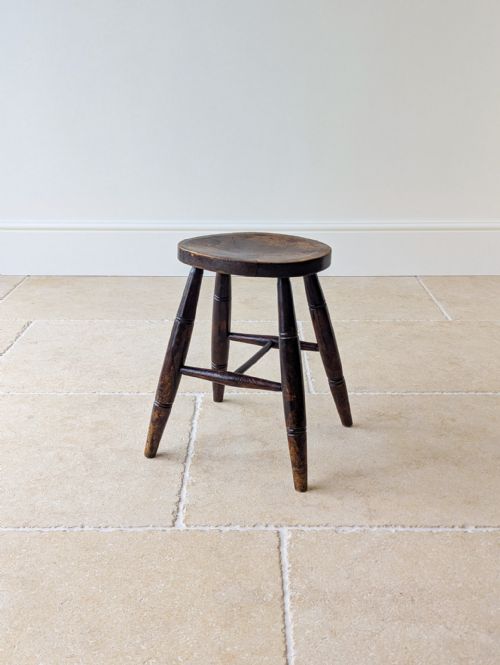
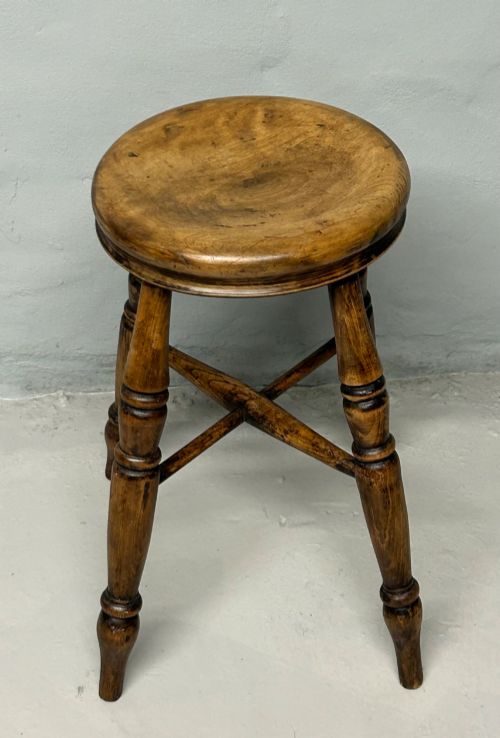
Craftsmen built these utilitarian seats from domestic hardwoods and softwoods including oak, elm, ash, beech, and pine. Workers often turned legs on a lathe and joined them to solid timber tops using traditional methods.
Makers shaped seats with adzes or dished them for comfort, securing legs with wedges through bored holes. Simple pine and heavy oak examples relied on jointed construction rather than complex joinery.
Several tavern and workshop seats bear the authentic ink stains and heavy dings of nineteenth-century trade.
What varies in quality
Quality depends upon the choice of timber and the integrity of the original construction. Selected pieces exhibit well-figured wild elm or burr yew, whilst simpler utility items utilise plain pine or beech.
The tightness of the joints and the degree of wear on the footrests dictate the piece's character. Heavy usage in taverns or workshops leaves distinct patination that separates ordinary utility furniture from finer vernacular examples.
The Victorian Rustic Wooden Stool Glossary
- Dished top
- A seat surface hollowed out into a shallow concave shape for comfort. This shaping is commonly found on traditional elm country stools.
- Joint stool
- A sturdy wooden seat constructed with mortise and tenon joints pegged together. These pieces date back to earlier centuries but continued in utilitarian forms.
- Vernacular furniture
- Items made by local craftsmen for everyday use rather than following high-style academic designs. These objects reflect regional traditions and available materials.
- Windsor
- A style of seating featuring turned legs and spindles socketed into a thick wooden seat. Country variants often display robust proportions and native timber construction.
Victorian Rustic Wooden Stool: Frequently Asked Questions
Where were these stools used?
These items served various practical roles across nineteenth-century domestic, rural, and commercial settings. Workshops, dairies, and public houses relied on them for daily tasks.
Tall variants supported clerks and bartenders, while low styles suited hearth sides and milking sheds.
What woods were used?
Makers utilised native British timbers that offered strength and local availability. Elm, oak, ash, and beech provided the durability needed for heavy work.
Softwoods like pine appeared in simpler utility furniture, ecclesiastical seating, and workshop benches.
How do I style one?
These compact seats fit easily into modern interiors as side tables, plant stands, or occasional seating. Their honest construction complements minimalist and traditional spaces alike.
Placing a low stool beside a chair or bath brings natural timber texture and history into a room.
Are they all Victorian?
Most pieces date from the nineteenth century, spanning periods from the mid-Victorian era towards nineteen-twenty. Vernacular designs often resisted strict stylistic changes.
Makers continued traditional construction methods long after formal design periods shifted.