

Antique Wooden Low Seat
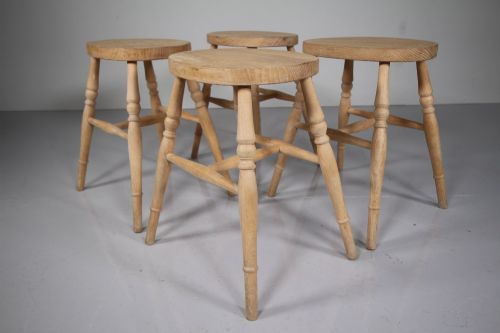
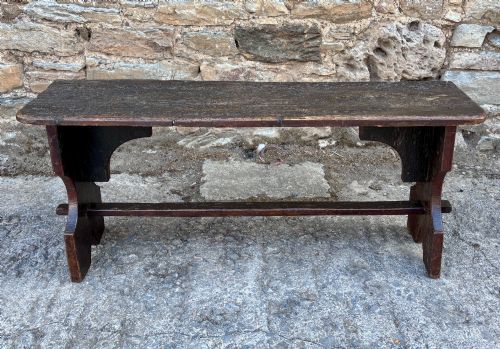
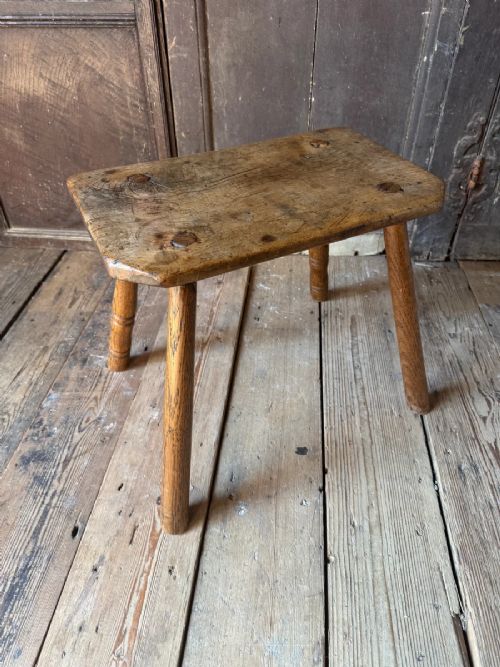
These antique wooden low seat pieces are low-slung vernacular stools, chairs and benches built from solid timbers to sit close to the floor.
Antique Wooden Low Seat
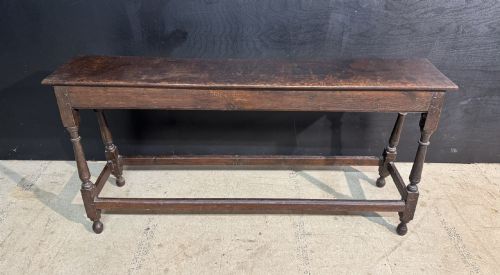
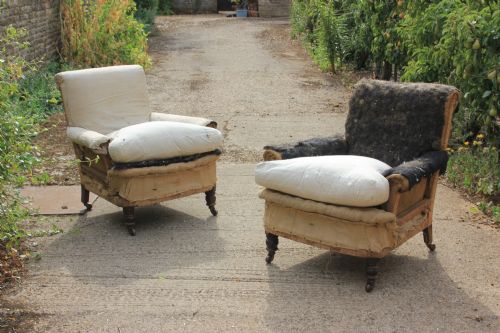
When you search for an antique wooden low seat, you encounter a wide variety of domestic forms spanning multiple centuries. Stools, low armchairs, nursing chairs, benches and window seats dominate the selection.
The most common versions on this page originate from the nineteenth century, including Victorian country examples and simpler vernacular pieces. Earlier pieces from the eighteenth century appear alongside Edwardian and Art Deco designs.
Materials and Construction
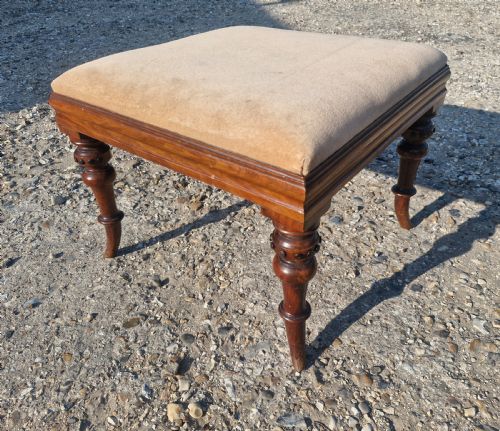
Cabinet makers and rural craftsmen utilised sturdy regional timbers such as oak, elm, ash, sycamore and mahogany. Many pieces incorporate turned legs, joined frames or solid carved seats shaped for domestic utility.
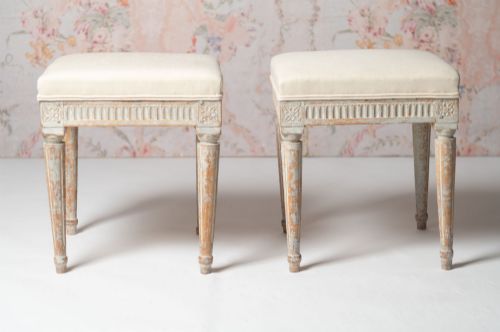
Surface treatments range from waxed hardwood and polished rosewood to original ochre and green paint finishes. Metal elements like brass appear occasionally for decorative or structural reinforcement.
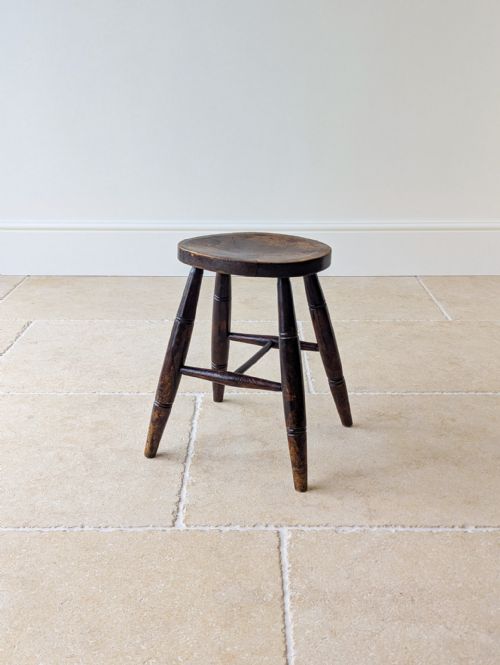
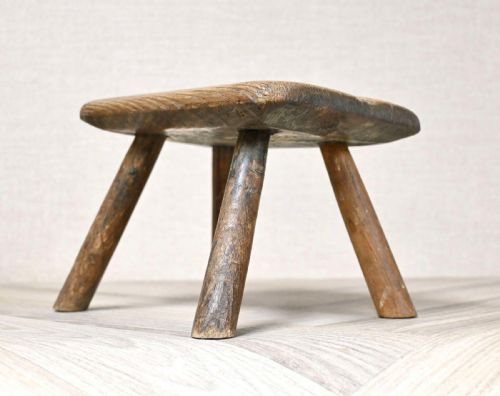
Some nineteenth century milking stools survive with just a single leg, designed to be strapped directly to the milker.
Character and Construction
The distinction between ordinary and superior pieces rests on the integrity of the timber and the honesty of the construction. Solid joints, well-turned spindles and untouched patination elevate a simple milking stool or pub chair.
Retained original surfaces, such as early paint or undisturbed beeswax finishes, separate exceptional vernacular survivals from heavily restored or later constructed items.
Liberty Morris & Co
The Antique Wooden Low Seat Glossary
- Joint stool
- A solid wooden stool constructed with mortise and tenon joints rather than turned legs driven into a seat. These sturdy pieces date primarily from the seventeenth and eighteenth centuries.
- Milking stool
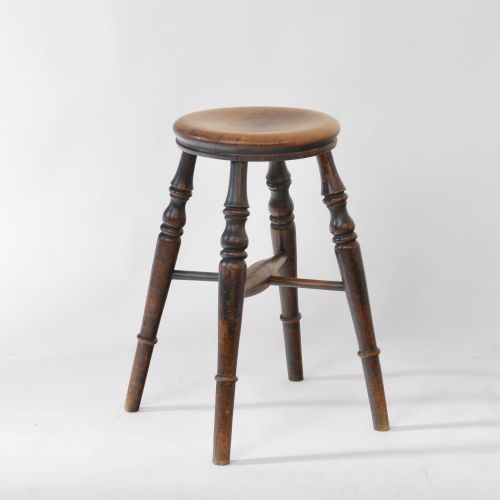
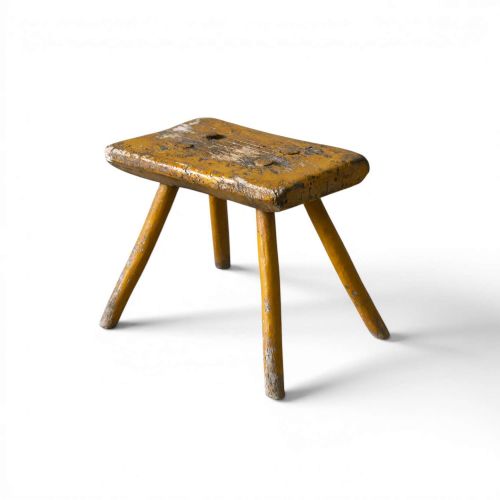
- A simple low seat traditionally used by agricultural workers, often featuring three legs wedged directly into a thick wooden slab. They survive in various regional European styles.
- Vernacular
- Objects made by local craftsmen for everyday domestic or agricultural use rather than following strict high-style design rules. These pieces rely on available regional timbers.
- Cabriole leg
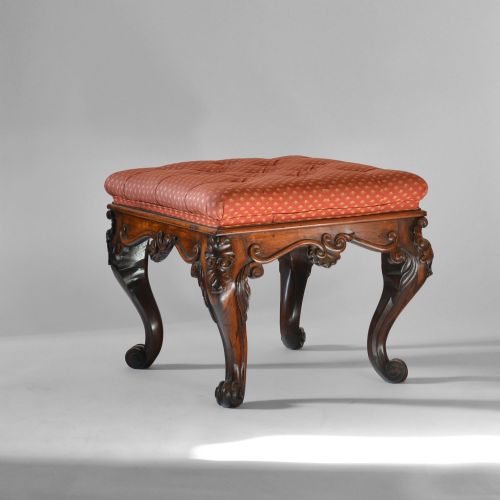
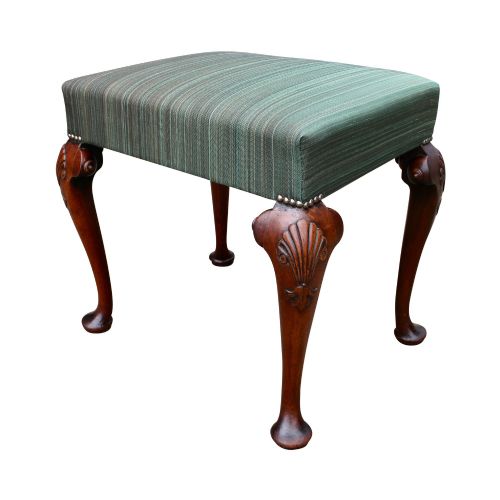
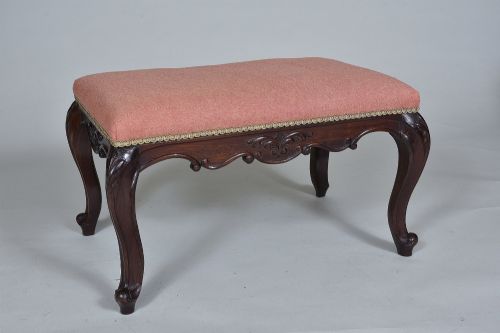
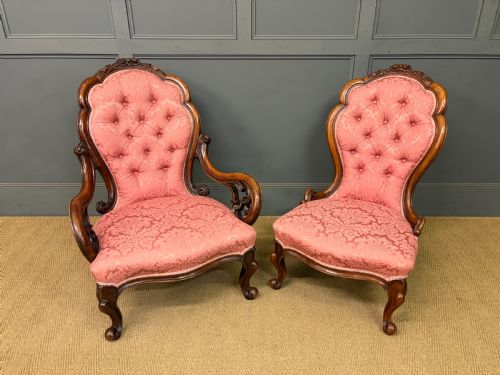
- A furniture leg that curves outward and then tapers inward, inspired by the shape of an animal's leg. This form appears frequently on finer Victorian dressing stools and salon chairs.
- Patina
- The surface sheen and colour acquired by wood through decades of handling, exposure and polishing. A rich patina indicates age and regular use.
Antique Wooden Low Seat: Frequently Asked Questions
What is an antique wooden low seat?
These pieces comprise low domestic seating forms including stools, nursing chairs, benches and window seats designed to sit near the floor.
Craftsmen built them from regional timbers for specific daily tasks by the hearth or in the dairy.
How were low stools used historically?
Rural households utilised low seats near open fires for warmth, kitchen tasks and milking livestock.
Refined versions served in bedrooms and parlours as dressing stools or nursing chairs.
How do I identify eighteenth century pieces?
Earlier examples display simpler joined construction using heavy regional hardwoods like oak, elm and sycamore.
Their surfaces show deep patination accumulated through generations of domestic service.
How do I care for antique wooden seats?
Maintain timber surfaces by applying occasional coats of natural beeswax to preserve the grain and prevent drying.
Keep pieces away from direct heat sources and strong sunlight to protect the historic finish.