



Victorian Rustic Landscape Oil
Victorian rustic landscape oil paintings capture pastoral life on canvas, offering buyers an authentic window into nineteenth-century countryside scenes.
Victorian Rustic Landscape Oil
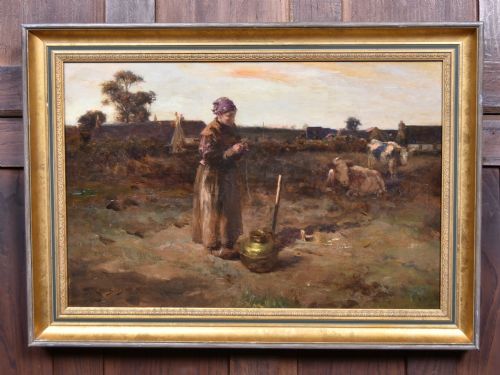
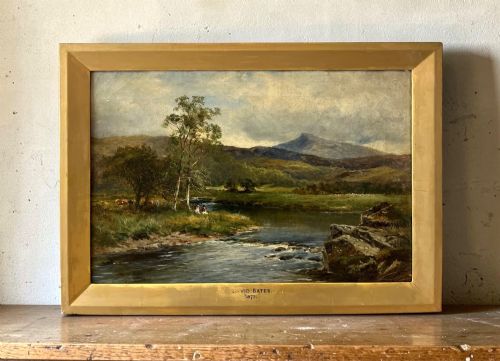
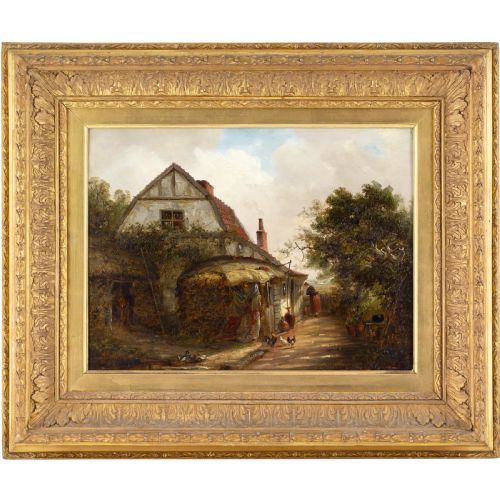
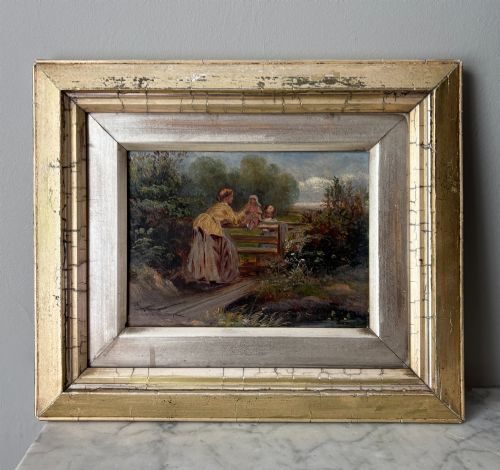
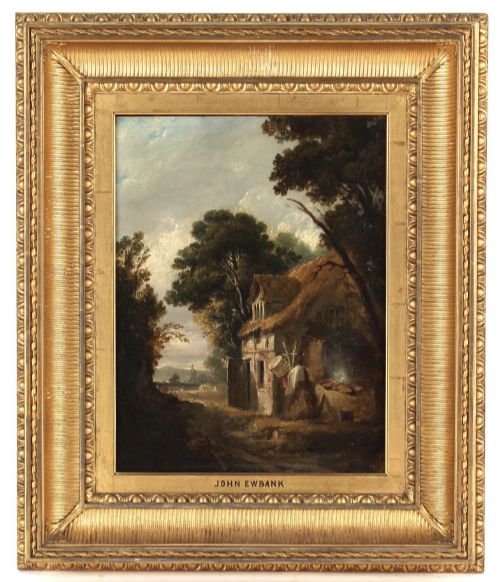
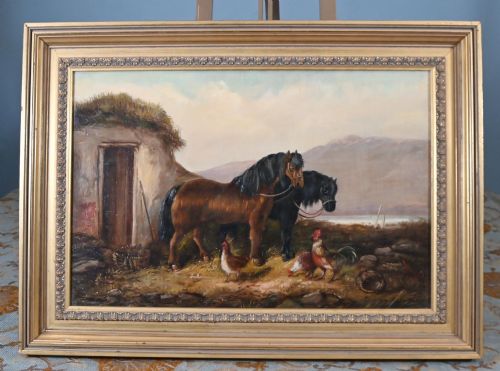
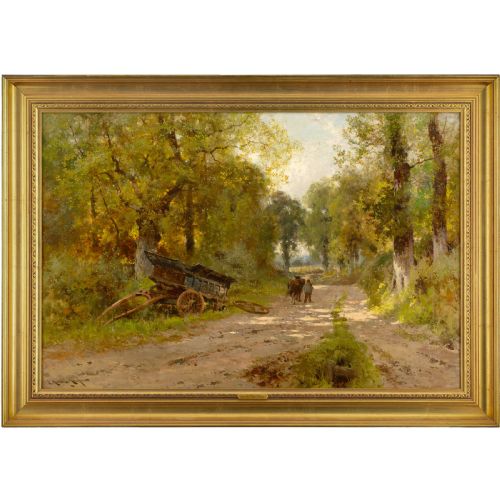
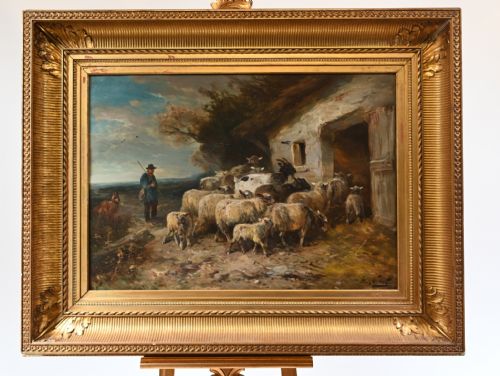
A victorian rustic landscape oil presents rural scenes of farmyards, cottages, and agricultural labour painted during the nineteenth century. These works depict shepherds with flocks, horses in fields, and quiet country lanes across Britain and Europe.
The pieces on this page span the Victorian period alongside British Impressionism and nineteenth-century realism. Painters render these pastoral moments on canvas or wood boards, often housed in period giltwood frames.
How They Were Made
Artists built these compositions using oil paint on prepared canvas or wood boards, applying pigment with bristle brushes to build texture and depth. Ground layers established tone before painters worked wet-in-wet to capture changing light across fields and rivers.
Finished works found houses in heavy wooden frames finished with gold leaf or gilt wood, which protected the edges and reflected light onto the dark pigments of the pastoral scene.
Victorian Rustic Landscape Oil Retail Price Guide 2026
Typical asking prices for victorian rustic landscape oil among the pieces listed under this phrase on Sellingantiques today, from the lower quarter to the upper quarter. They describe what is for sale here now, not the wider market.
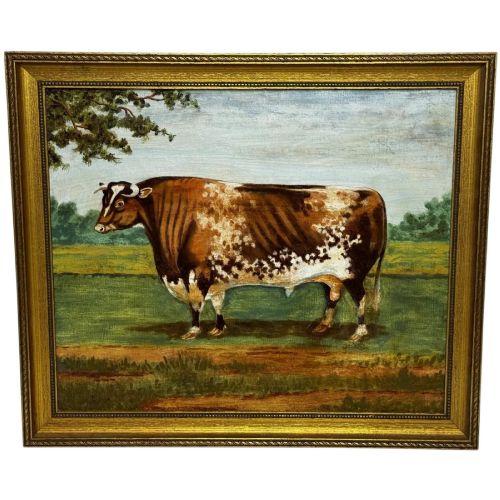
Prized shorthorn bulls and pampered pet kids share canvas space with hard-working shire horses and sheep dogs.
What Varies In Quality
The hierarchy of these paintings rests upon the confidence of the brushwork and the observation of light in natural settings. Stronger works demonstrate a sure command of anatomy in animals and figures, whereas weaker examples rely on formulaic foliage and stiff composition.
Condition of the pigment layer and the originality of the mounting frame also divide standard decorative pieces from works by recorded nineteenth-century painters.
John Horace Hooper·Henry Schouten·Charles Vickers·James William Booth·John Wright Oakes·Abraham Hulk Junior·William Miller Frazer·John Syer Junior·John Frederick Herring·Robert McGregor·Joseph Thors·Albert Ernest Brockbank
The Victorian Rustic Landscape Oil Glossary
- Canvas
- A heavy woven fabric stretched across a wooden frame to serve as a painting surface. It provides the standard flexible support for nineteenth-century oil works.
- Giltwood
- Wood carved and coated with gold leaf or metallic paint to create a bright decorative frame. These surrounds often date to the same era as the canvas.
- Oil paint
- Pigment mixed with drying oils such as linseed, allowing slow blending and rich colour depth. Artists layered this medium to achieve luminous rural skies.
- Tondo
- A circular painting or relief sculpture. This format appears occasionally in nineteenth-century pastoral portrait and landscape sets.
- Realism
- An artistic movement focusing on everyday subjects without idealisation. Painters applied this approach to record genuine agricultural labour and rural settings.
Victorian Rustic Landscape Oil: Frequently Asked Questions
What is a rustic landscape painting?
A rustic landscape painting depicts countryside views, farmyards, and rural workers rather than grand historical or urban subjects. These nineteenth-century works focus on the quiet realities of agricultural life.
Artists captured scenes involving cottages, livestock, and local rivers using oil paints on canvas or wood panels.
How do I identify a Victorian oil painting?
Identifying these works involves examining the canvas preparation, the pigment type, and the framing style characteristic of the nineteenth century. Many pieces carry signatures, dates, or artist stamps on the reverse.
Subject matter often reflects Victorian preoccupations with pastoral nostalgia, agricultural labour, and domestic animals.
Where should I hang an oil painting?
These oil paintings require walls away from direct sunlight and damp conditions to protect the canvas and the giltwood frame. Stable indoor temperatures prevent the paint layer from cracking.
Pairing the work with traditional room settings allows the heavy gold leaf frames to complement period interiors.
How do I clean an antique oil painting?
Surface dust on the canvas or frame should be removed gently using a soft, dry brush without applying moisture or pressure. Professional conservators handle deeper cleaning and varnish removal.
Harsh household cleaning products damage oil pigments and strip the gold leaf from antique frames.