




Antique Animal Genre Painting
These antique animal genre painting works capture domestic and farmyard scenes with charm, offering a delightful window into nineteenth-century rural life.
Antique Animal Genre Painting
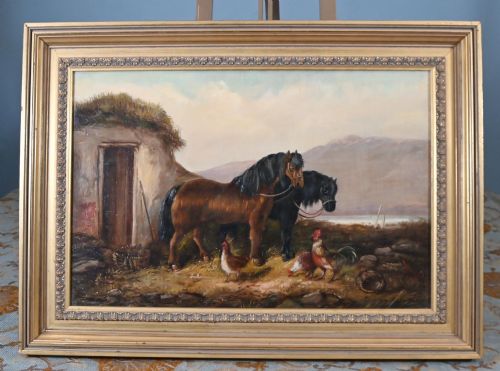
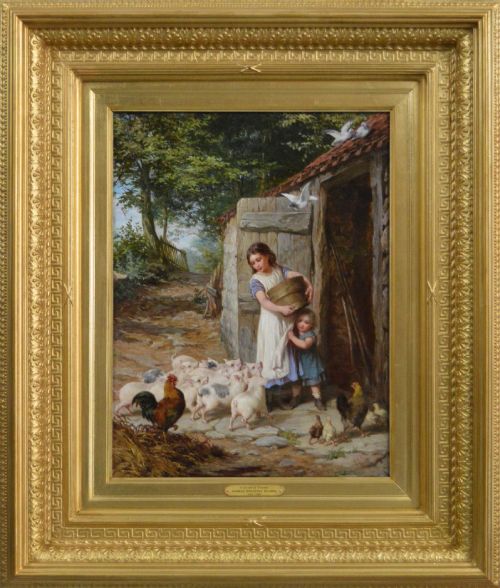
An antique animal genre painting brings together domestic livestock, farmyard animals and household pets within narrative or rural settings. These works focus on horses, kittens, pigs, and poultry depicted alongside human figures or within rustic interiors and farmyards.
The pieces on this page stem predominantly from the nineteenth century, capturing Victorian sensibility and the nineteenth-century French school tradition. Buyers encounter both substantial oil paintings on canvas and delicate watercolours on paper.
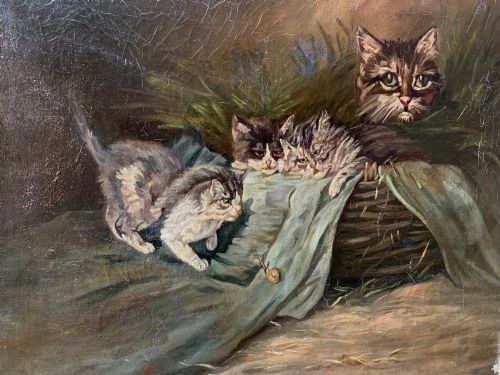
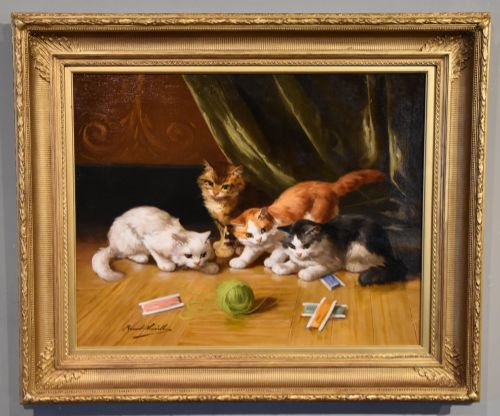
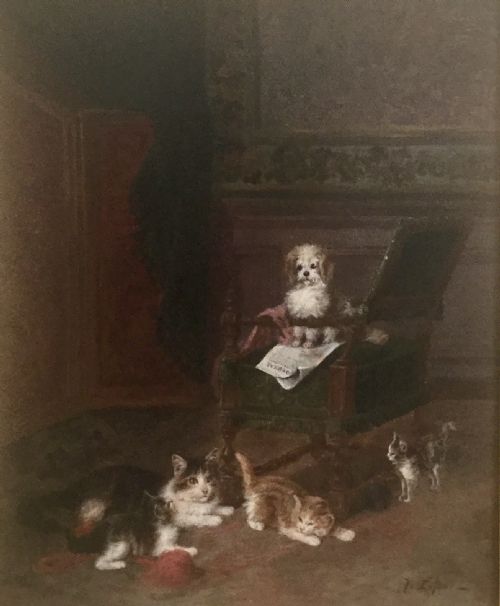
Common subjects range from farmyard scenes featuring horses and poultry to playful depictions of kittens and domestic pets. The style encompasses Victorian genre realism as well as continental interpretations.
How they were made
Artists worked primarily in oil on canvas or watercolour on paper, capturing fine details of animal fur, feathers, and rustic textures. Pigments were applied to build depth in farmyard and cottage interiors.
Many of these works retain their original framing materials, utilising gilt wood, gesso, and gold leaf on wooden structures to complement the painted composition.
Antique Animal Genre Painting Retail Price Guide 2026
Typical asking prices for animal genre painting among the pieces listed under this phrase on Sellingantiques today, from the lower quarter to the upper quarter. They describe what is for sale here now, not the wider market.
Subjects range from Victorian farmyard scenes with horses and poultry to playful studies of kittens.
What varies in quality
The standard of an antique animal genre painting depends upon the precision of the brushwork in rendering animal anatomy and character. Works that capture distinct expressions in kittens, horses, or farm animals stand apart in execution.
Compositional complexity also distinguishes the tier of a piece, with multi-figure scenes involving varied livestock demonstrating greater artistic ambition. The preservation of the canvas, paint surface, and original gilt wood framing further influences the overall character of the work.
George Augustus Holmes·Alfred Arthur Brunel de Neuville·Helena Maguire·John Frederick Herring Jnr·Jules Le Roy·Charles Hunt Jnr
The Antique Animal Genre Painting Glossary
- Genre painting
- A style of art depicting scenes from everyday life, typically involving ordinary people engaged in common activities, often accompanied by domestic animals.
- Oil on canvas
- A traditional painting technique where pigments suspended in oil are applied to stretched fabric, allowing for rich colour blending and durability.
- Watercolour
- A painting method where fine pigment powders are mixed with water-soluble binders and applied to paper to create translucent washes of colour.
- Gilt wood
- Timber frames or decorative elements treated with a thin layer of gold leaf or gold paint to provide a reflective, ornamental finish.
- Gesso
- A plaster-like mixture applied to wooden frames as a smooth base before gilding or painting takes place.
Antique Animal Genre Painting: Frequently Asked Questions
What is an antique animal genre painting?
These works depict animals such as horses, kittens, and farm livestock within everyday rural or domestic narratives.
They offer a glimpse into nineteenth-century artistic interpretations of farmyard and cottage life.
How do I date these paintings?
Dating relies on recorded periods such as the nineteenth century, alongside stylistic markers from Victorian and French schools.
Frame materials like gesso and gold leaf also provide contextual clues to the era of production.
Where should I hang these artworks?
These pieces suit traditional living spaces, studies, or hallways where their rustic farmyard themes can be appreciated up close.
Direct sunlight should be avoided to protect both the canvas pigments and the delicate gilt wood frames.
What subjects are most common?
Farmyard scenes featuring horses, pigs, goats, and poultry recur frequently alongside cottage interiors.
Scenes focusing on playful kittens or young animals interacting with figures also appear across the collection.