


Victorian Rummer Glasses
Victorian rummer glasses are sturdy nineteenth-century drinking vessels offering generous bowls for wine and punch.
Victorian Rummer Glasses
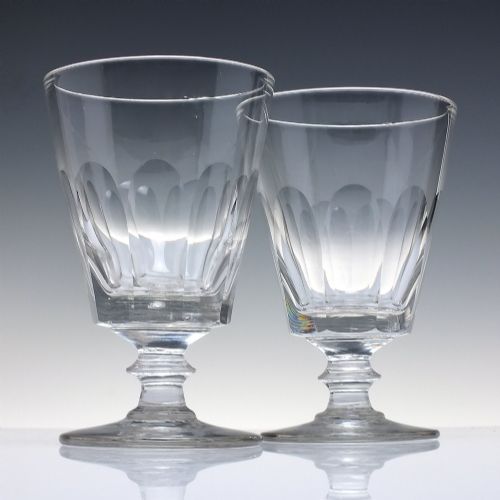
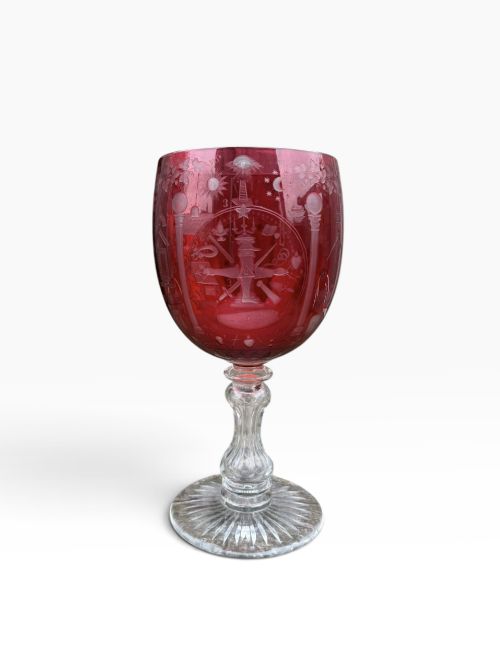
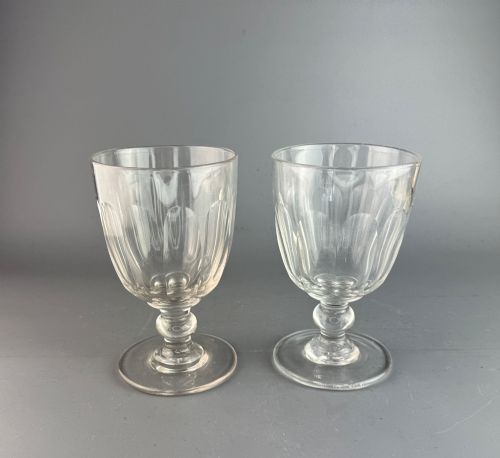
Victorian rummer glasses are substantial drinking vessels designed for robust table use during the nineteenth century. When you search for victorian rummer glasses, you encounter everything from heavy lead crystal drinking glasses to large engraved table specimens originating from English, French, and Bohemian workshops.
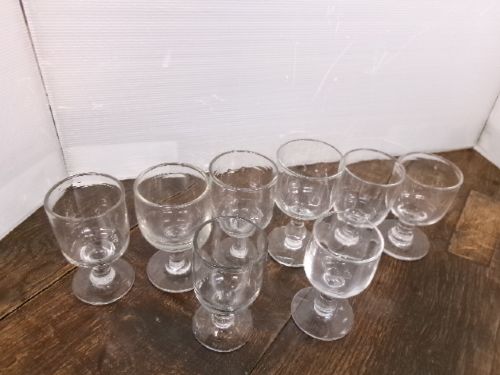
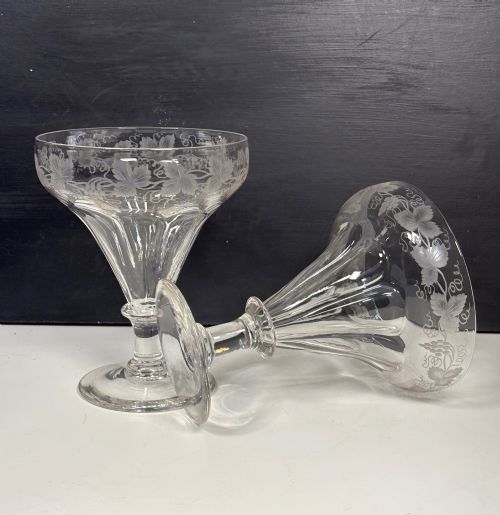
The selection ranges from tall pale green roemers and cranberry glass examples to large pairs and sets of six or eight pieces. These glass pieces include tavern glass rummers and delicate etched pan rummers dating across the nineteenth century.
Origins span across Britain, France, and Bohemia, showcasing styles from Georgian survivals to Victorian and Bohemian Historicism. Most examples on offer date between eighteen-forty and nineteen-hundred, capturing the shift from earlier Georgian forms into distinct Victorian production.
Evaluating Quality
Quality rests in the weight of the metal and the crispness of the hand-cut facets or engraved motifs. Superior pieces display deep, sharp wheel-cutting rather than shallow surface scratching.
The balance between the heavy bowl, the stem, and the foot dictates the structural elegance of the piece. Consistency across a matched set elevates the desirability of the glassware.
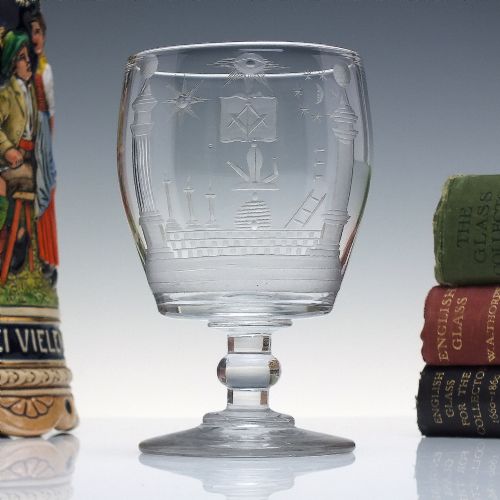
Masonic rummers carried fraternal symbols into tavern toasts, ensuring nobody forgot their lodge commitments after the third round of punch.
The Victorian Rummer Glasses Glossary
- Roemer
- A continental European large drinking glass, frequently found in pale green or amber glass from Bohemia. These often display raspberry prunts on the stem.
- Flint glass
- A clear, heavy glass containing lead oxide, known for its high refractive index and brilliance. It provides the weight characteristic of better nineteenth-century drinking vessels.
- Baluster stem
- A swelling, shaped stem resembling an architectural baluster. This form supports the heavy bowl of the rummer with visual and physical stability.
- Pan-cut
- A decorative cutting style featuring flat, polished facets around the bowl. This technique catches the light and accentuates the clarity of the material.
Victorian Rummer Glasses: Frequently Asked Questions
What were rummer glasses used for?
These large vessels served for drinking ale, wine, and punch at the dining table. Their generous proportions suited the heavier beverages popular during the nineteenth century.
They also functioned as everyday household drinking glasses before smaller, specialised glassware sets became standard on the dining table.
How do I care for antique rummer glasses?
Wash them gently by hand in warm water using mild detergent. Avoid sudden temperature changes to protect the old glass.
Store them securely on a flat surface, ensuring they do not touch one another to prevent rim chips on the delicate edges.
Are these glasses safe to use?
Most nineteenth-century table glass remains stable for occasional use with cold or temperate drinks. Inspect the rim and base for any old chips before serving.
Avoid pouring boiling liquids into antique lead crystal or flint glass to prevent thermal shock and cracking.
How can I tell Georgian rummers from Victorian ones?
Georgian rummers often display simpler, heavier forms with thick knop stems dating from the early decades of the nineteenth century. They reflect earlier manufacturing traditions before Victorian styles emerged.
Victorian examples frequently introduce more elaborate cutting, etching, or coloured glass variations such as cranberry and opalescent finishes.