



Victorian Ruby Ring
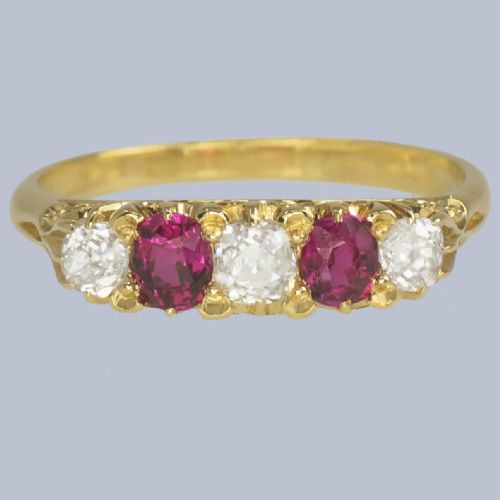
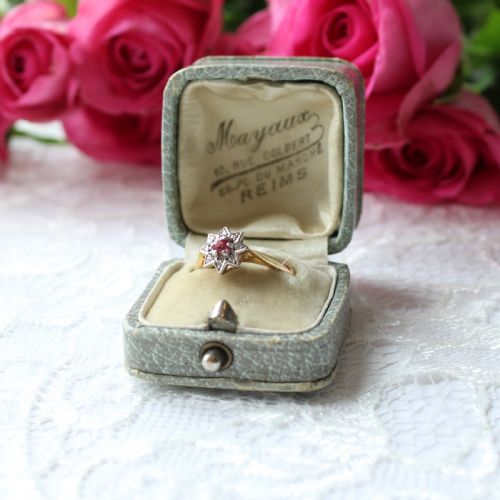
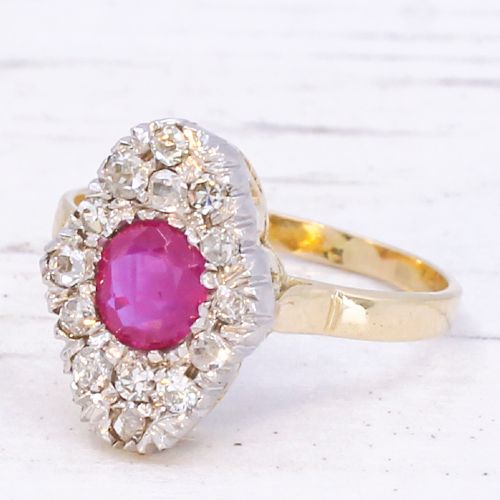
Choosing a victorian ruby ring brings deep red corundum and old-cut diamonds together in yellow gold settings forged over a century ago.
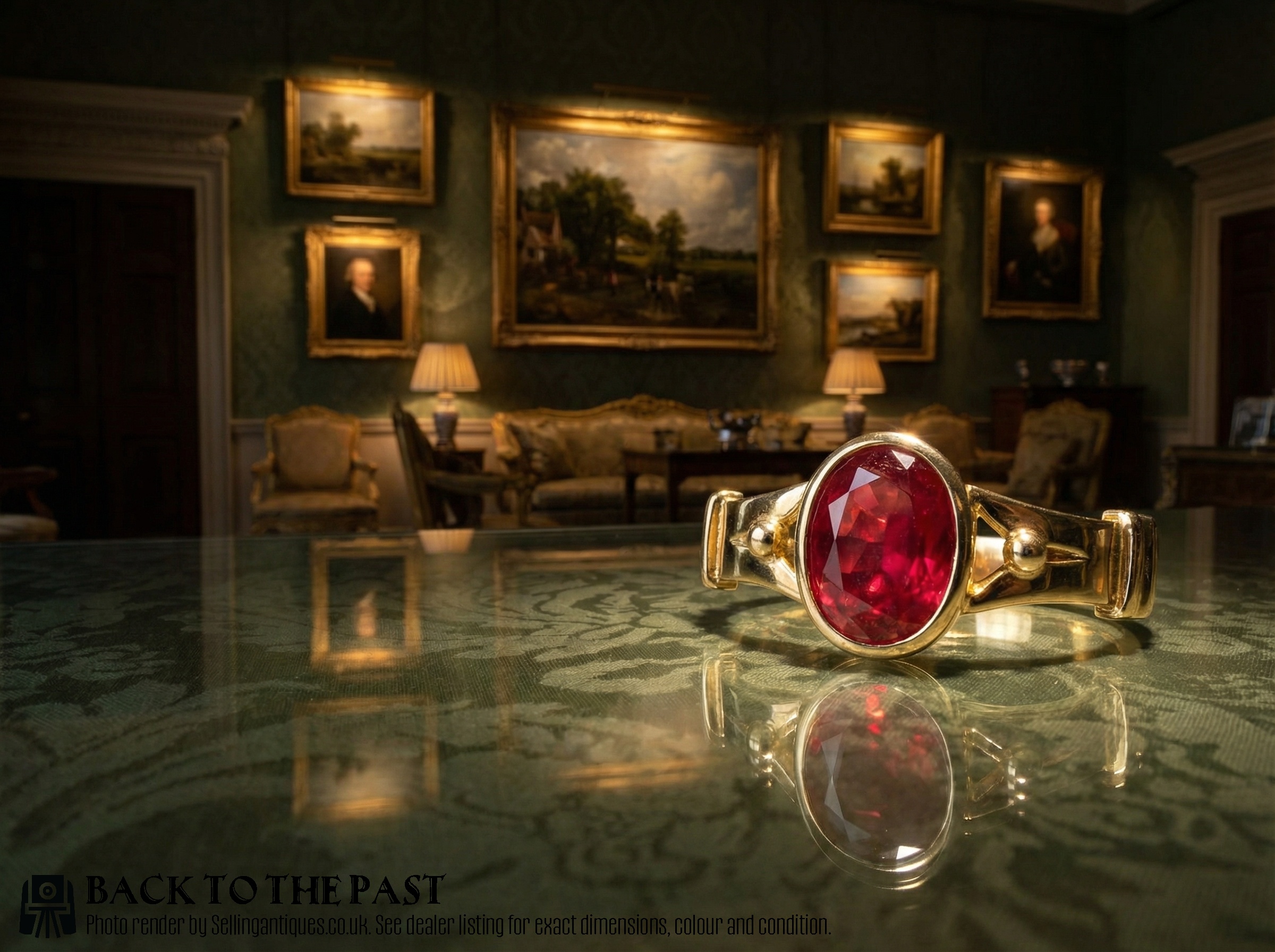
Victorian Ruby Ring
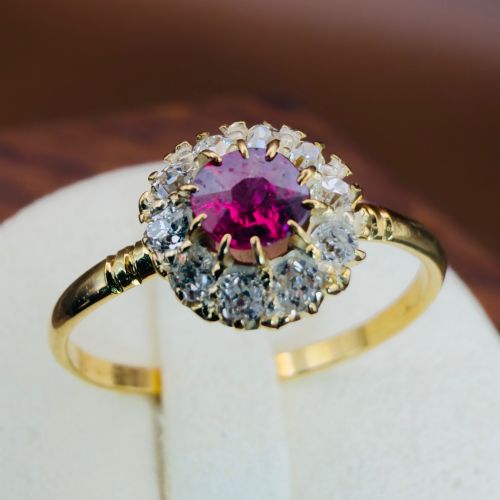
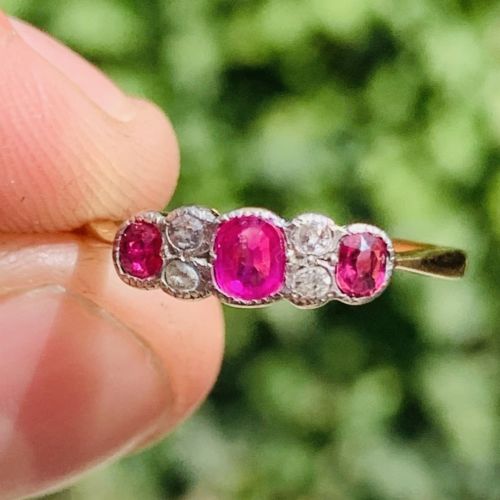
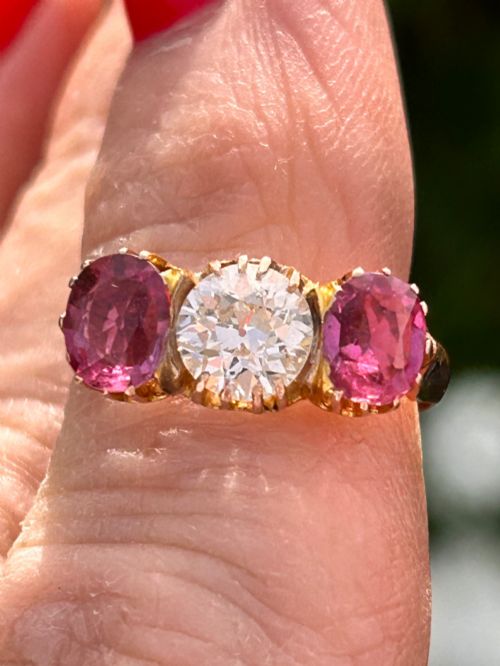
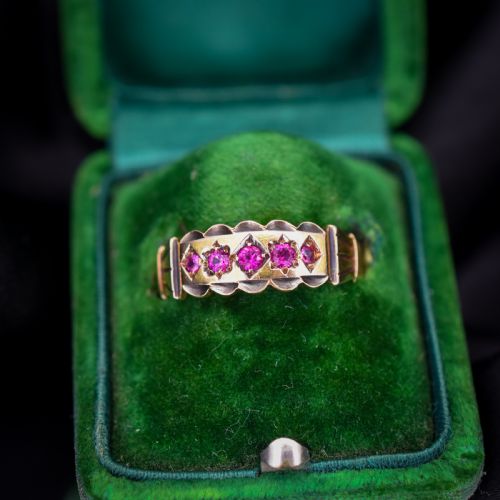
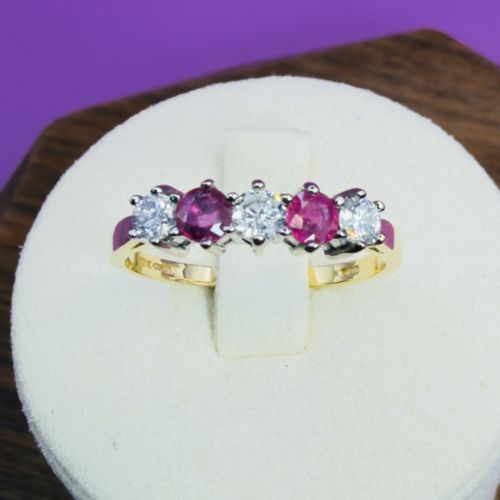
A victorian ruby ring unites natural red gemstones with diamonds in settings shaped as clusters, starbursts, and multi-stone bands. The listings here present pieces originating from the nineteenth century through the Edwardian era.
Makers utilised 18ct yellow gold, 15ct gold, and occasionally platinum to mount Burmese and unheated rubies alongside old-cut diamonds. Buyers encounter cluster formations and gypsy settings designed for daily wear or formal occasions.
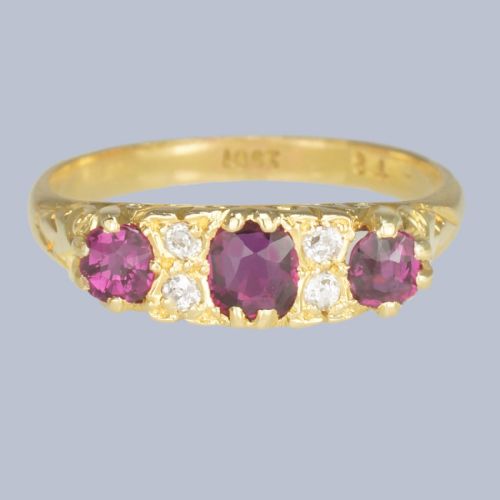
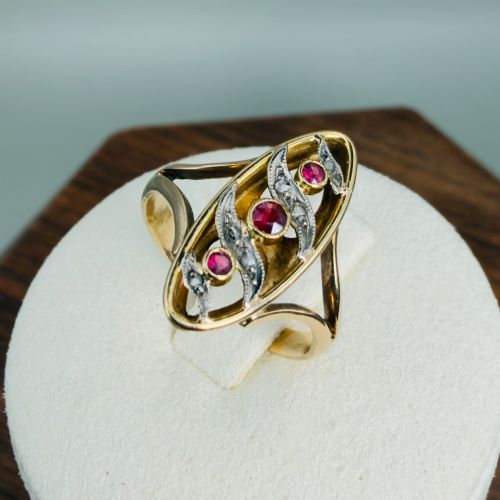
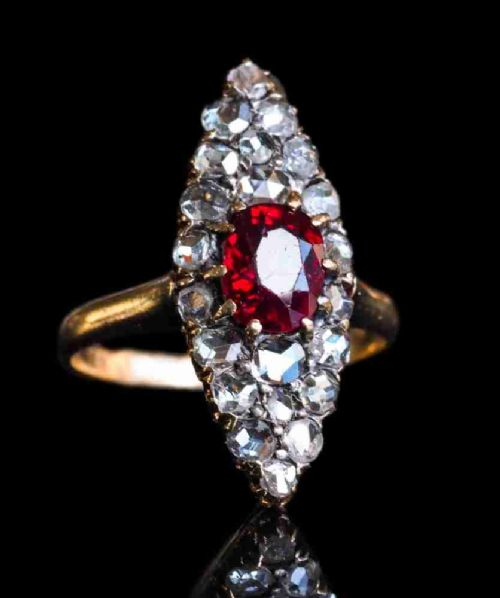
The assortment spans traditional boat shapes, navette styles, and three-stone configurations created during the late Victorian and early twentieth-century periods.

How They Were Made
Goldsmiths constructed these rings primarily using 18ct and 15ct yellow gold, casting or hand-fabricating bands to house rubies alongside old mine-cut and old European-cut diamonds.爪 settings and flush gypsy mountings secured the stones into the metalwork.
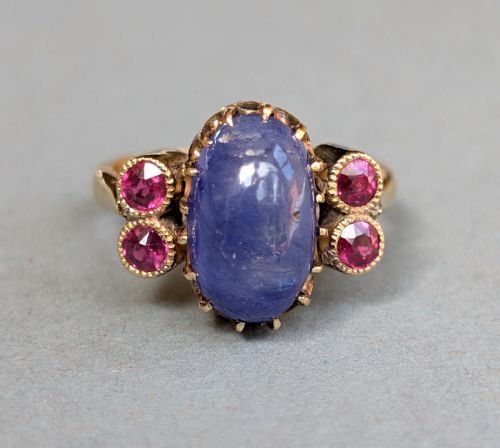
Gems such as pearls, garnets, and sapphires frequently accompanied the central rubies within floral, cluster, and navette arrangements. Hallmarks stamped inside the bands record assay office towns and dates of manufacture.
Victorian Ruby Ring Retail Price Guide 2026
Typical asking prices for victorian ruby ring among the pieces listed under this phrase on Sellingantiques today, from the lower quarter to the upper quarter. They describe what is for sale here now, not the wider market.
Listings feature 18ct yellow gold, 15ct gold, and platinum materials paired with rubies, old-cut diamonds, pearls, and sapphires.
What Varies in Quality
The clarity and saturation of the ruby dictate the calibre of the piece, with unheated Burmese stones commanding distinct attention compared to treated or synthetic alternatives. Diamond weight and the precision of old-cut facets further define the upper tier.
Structural integrity of the gold prongs and the crispness of chased or engraved band details separate standard workshop output from finer artisan production.
The Victorian Ruby Ring Glossary
- Old-cut diamond
- A diamond cut by hand before modern machinery, featuring a smaller table, higher crown, and open culet that produce a softer candlelit sparkle.
- Navette
- A boat-shaped ring setting that tapers to sharp points at either end, often filled with a cluster of rubies and diamonds.
- Gypsy ring
- A band featuring stones flush-set directly into the thick gold metal, popular during the late nineteenth century for both men and women.
- Cluster ring
- A design featuring a central gemstone surrounded by a ring of smaller accent stones, commonly rubies and diamonds.
- Trilogy ring
- A three-stone ring arrangement representing past, present, and future, typically displaying a ruby flanked by diamonds.
Victorian Ruby Ring: Frequently Asked Questions
How do I care for my ring?
Clean the piece gently using warm soapy water and a soft brush, avoiding harsh ultrasonic cleaners that might damage softer accompanying stones like pearls.
Store the item separately in a fabric-lined box to prevent the diamonds from scratching the gold band or softer gemstones.
Are the rubies natural?
Many listings feature natural unheated rubies originating from sources such as Burma, whilst others note gemological reports verifying stone treatments.
Examination under magnification helps distinguish natural inclusions from synthetic counterparts created in later periods.
Can these rings be resized?
Jewellers can generally alter the band size of an 18ct or 15ct gold ring, though patterned shanks and gypsy settings require specialist skill.
Consult a professional who can preserve original hallmarks and structural integrity located on the inner hoop.
How do I date my ring?
Hallmarks stamped inside the shank provide assay office symbols, date letters, and gold purity marks that pinpoint the exact year of testing.
Stylistic elements such as navette cluster shapes and starburst engravings also indicate whether a piece originates from the Victorian or Edwardian eras.