


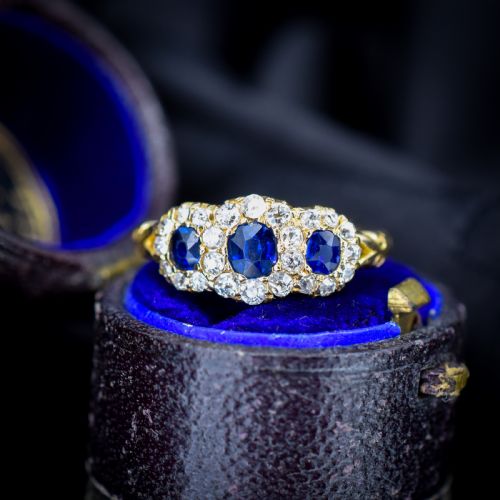
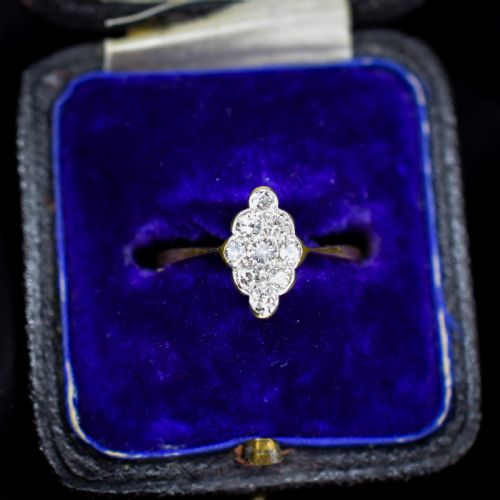
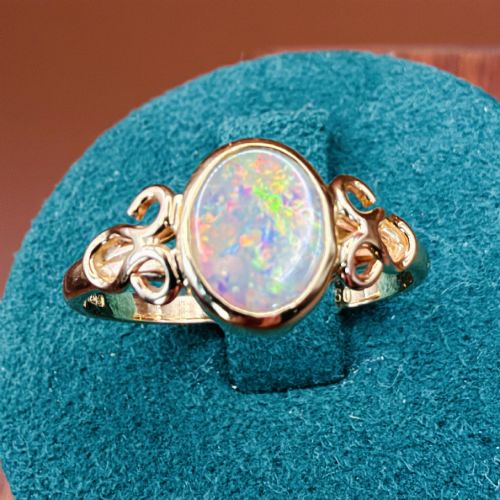
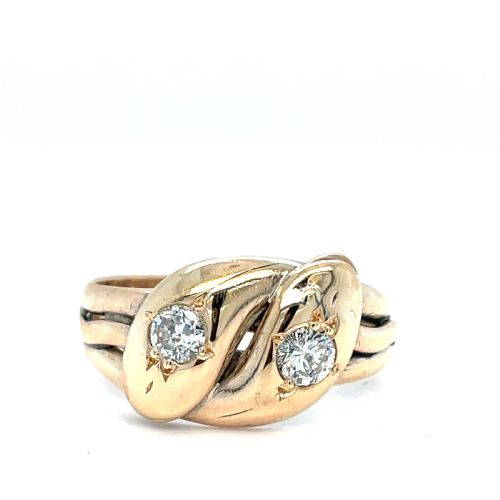
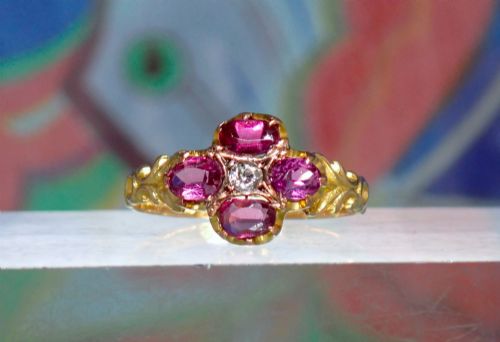
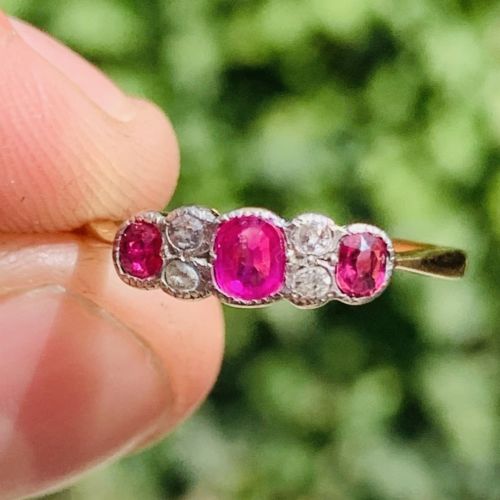
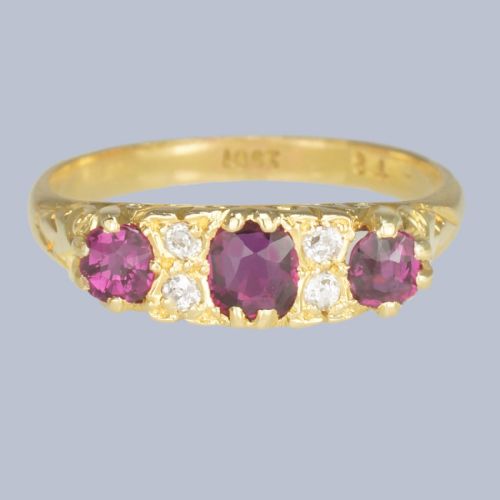
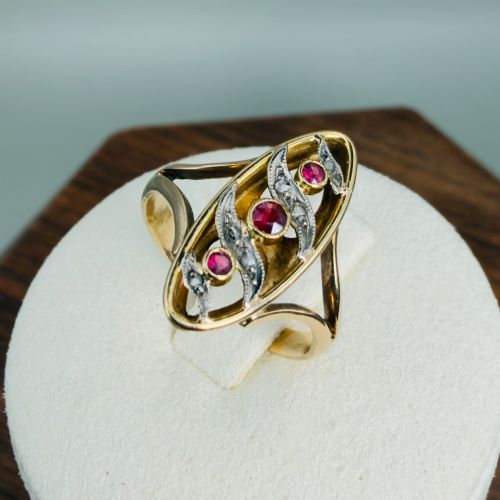
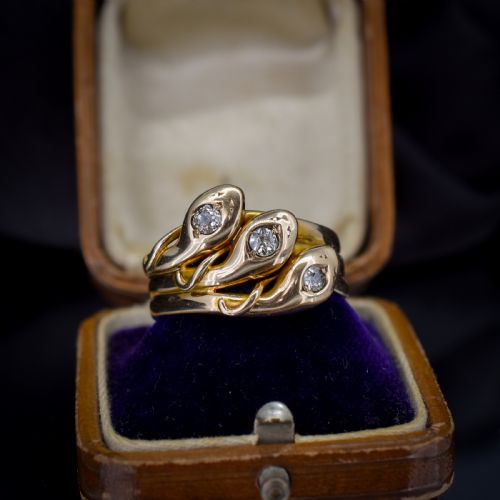
Victorian Gold Dress Ring
A victorian gold dress ring offers substantial gemstone colour and precious metal work designed to catch the eye.

Victorian Gold Dress Ring
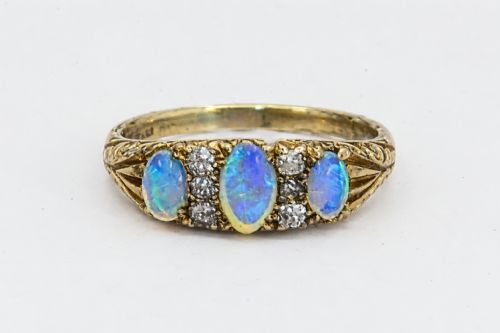
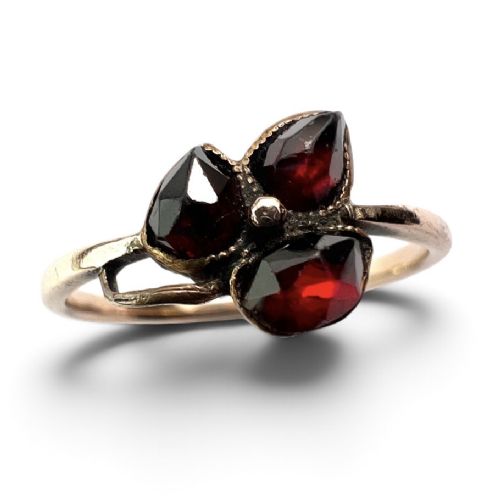
A victorian gold dress ring is a decorative finger ornament produced during the nineteenth century or later using precious metals and coloured stones. These jewels combine gold with gems such as amethyst, ruby, diamond, pearl, emerald, sapphire, garnet, cats eye chrysoberyl, and turquoise.
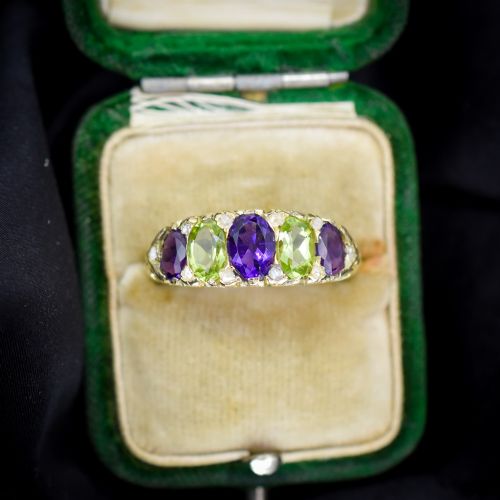
The pieces on this page include multi-stone configurations like five stone rings, gypsy settings, and clustered arrangements incorporating pearls alongside other gems. While the majority originate in the Victorian era, the selection also includes examples dated to eighteen seventy and nineteen sixty.
Buyers encounter various gold purities within these listings, spanning nine carat, fifteen carat yellow gold, and eighteen carat gold. Each form serves as an ornamental ring created to be worn on its own or alongside other finger adornments.
How They Were Made
These rings are constructed from gold in nine, fifteen, and eighteen carat purities, shaped to hold diverse gemstones securely. Goldsmiths utilised traditional techniques to mount pearls, old cut diamonds, and coloured stones into settings like gypsy bands and multi-stone arrangements.
The structural metalwork frames polished and faceted gems including amethyst, ruby, emerald, sapphire, garnet, and turquoise. Each stone is integrated directly into the gold band or raised mount using manual setting methods characteristic of the period.
The site listings feature rings incorporating amethysts, rubies, diamonds, pearls, emeralds, sapphires, garnets, chrysoberyls, and turquoises set in gold.
What Varies in Quality
Quality in these rings is determined by the combination and selection of precious materials, such as eighteen carat gold paired with well-matched diamonds, rubies, and emeralds. The complexity of the design, from simple five stone layouts to intricate arrangements involving pearls and turquoise, dictates the refinement of the piece.
The execution of the setting and the integration of diverse stones create distinctions across the range. Superior examples showcase balanced gem arrangements and higher gold purities that elevate the visual presence of the jewel.
The Victorian Gold Dress Ring Glossary
- Gypsy ring
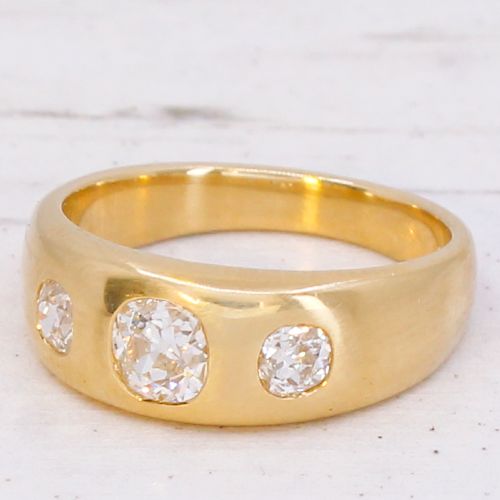
- A style of ring where the stones are flush-set into a thick band that tapers towards the back. This setting was popular in the Victorian period for daily wear.
- Five stone ring
- A design featuring five gems set in a row across the finger. This layout commonly uses stones like amethysts or diamonds.
- Old cut diamond
- A precursor to the modern brilliant cut diamond, featuring fewer facets and a smaller table. These stones display a softer glow under candlelight.
- Cats eye chrysoberyl
- A gemstone exhibiting a chatoyant band of light resembling a cat's eye. This optical phenomenon occurs due to inclusions within the stone.
Victorian Gold Dress Ring: Frequently Asked Questions
How do I wear these rings?
These rings function as standalone dress pieces or combined with other finger ornaments. Their varied gem combinations allow for diverse styling options.
Care should be taken with softer materials like pearls or turquoises during daily wear. Storing them separately prevents surface scratching from harder stones like diamonds.
What gold purities appear?
The pieces utilise nine carat, fifteen carat yellow gold, and eighteen carat gold. Each purity level affects the colour saturation and weight of the band.
Higher carat golds provide a richer yellow tone. The metal selection often corresponds to the specific period and origin of the jewel.
Which stones are used?
Common stones include amethyst, ruby, diamond, pearl, emerald, sapphire, garnet, cats eye chrysoberyl, and turquoise. Many designs combine multiple gem types in a single mounting.
Multi-stone arrangements often pair pearls with coloured gemstones like rubies and diamonds. This variety creates distinct visual contrasts across the collection.