





Antique Gypsy Set Ring
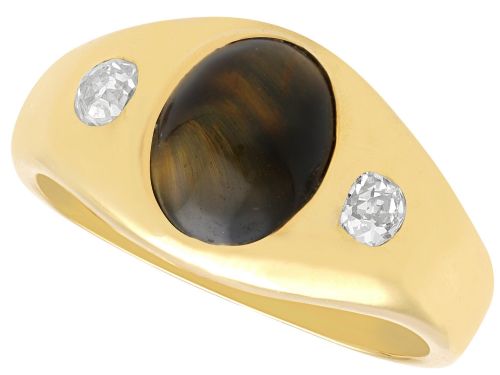
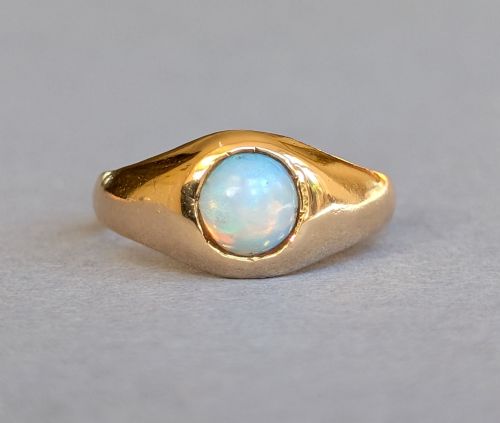
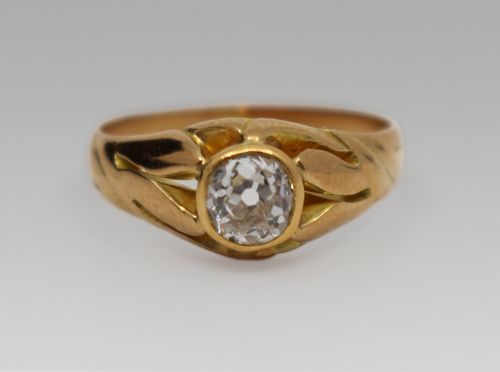
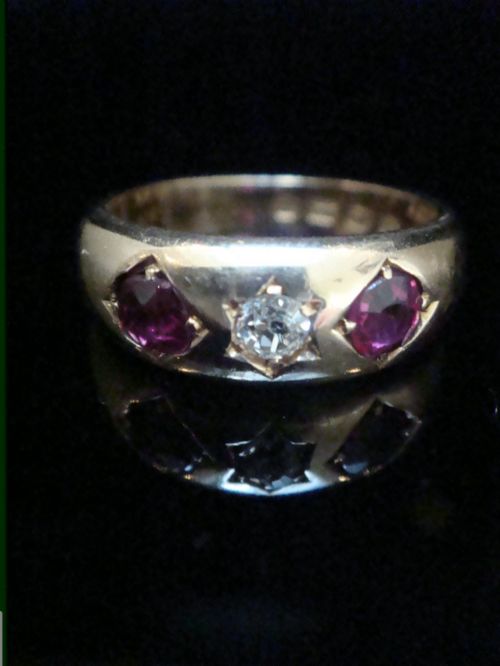
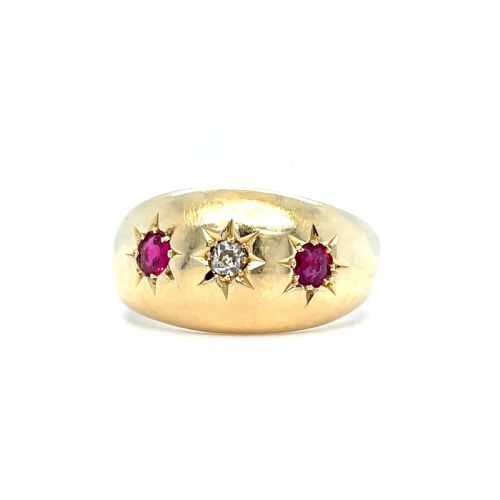
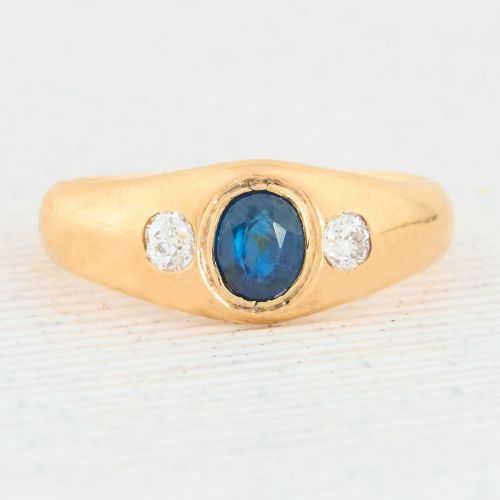
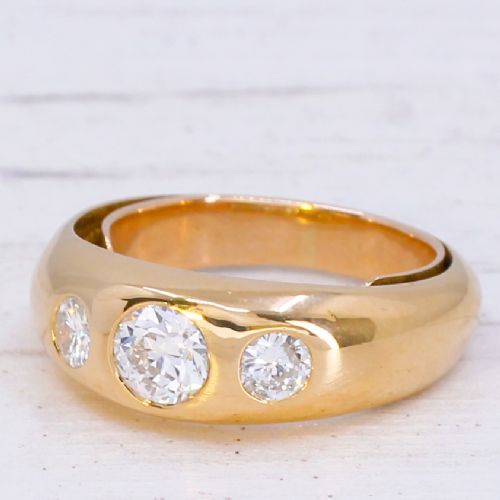
An antique gypsy set ring sits flush within its metal band, offering a smooth profile that catches the eye.

Antique Gypsy Set Ring
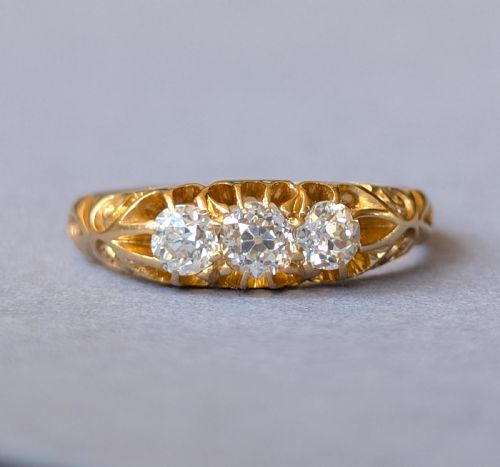
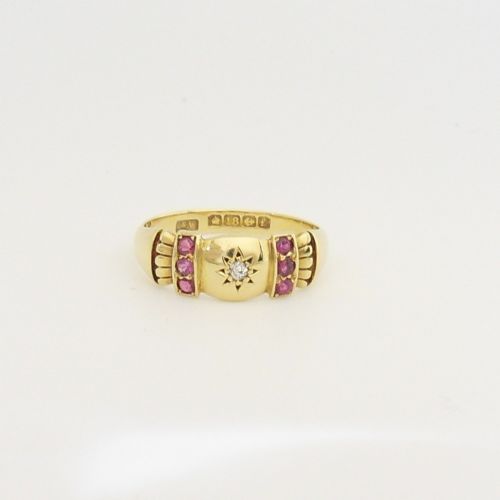
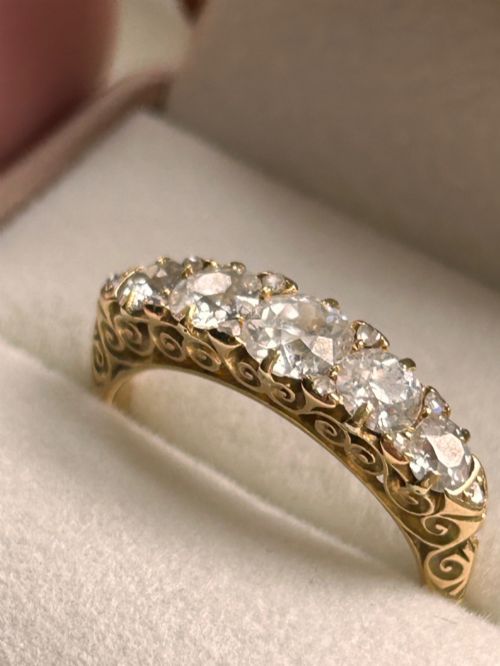
The pieces appearing on this page span the nineteenth century, the Edwardian period, and into the mid-twentieth century. Most examples present as yellow gold bands housing diamonds, rubies, sapphires, or turquoises, often arranged as solitaires, trilogies, or starburst clusters.
Buyers encounter heavy ornate bands alongside simpler profiles. The defining trait remains the star-shaped or flush setting that secures the gem level with the surrounding metal.
Metals and Mounting Techniques
Goldsmiths constructed these rings primarily using 18ct yellow gold, alongside occasional 9ct gold and rose gold variations. The metal was cast or hammered into a heavy, tapered band that provided sufficient thickness to secure gemstones safely within the body of the ring.
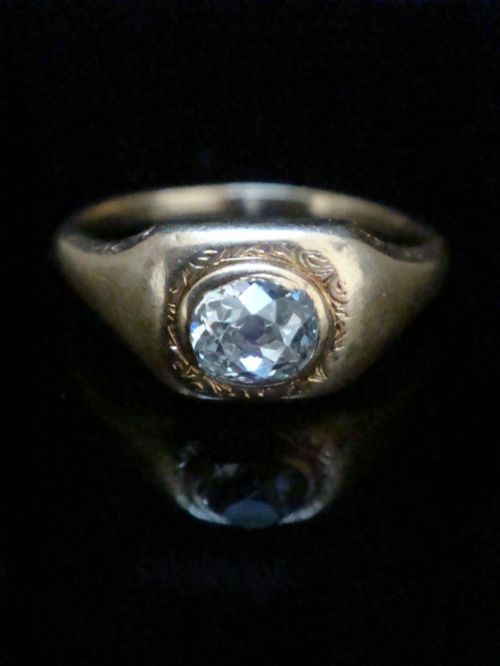
Stones such as old cut diamonds, rubies, and sapphires were pushed directly into recesses formed in the metal. Craftsmen then burnished or pushed the surrounding gold tightly over the girdle of the stone, sometimes engraving starburst rays around the bezel to accentuate the sparkle.
Antique Gypsy Set Ring Retail Price Guide 2026
Typical asking prices for gypsy set ring among the pieces listed under this phrase on Sellingantiques today, from the lower quarter to the upper quarter. They describe what is for sale here now, not the wider market.
Materials appearing across the current selection include 18ct gold, 9ct gold, diamonds, rubies, sapphires, and turquoise.
Distinctions in Craftsmanship
Quality rests in the precision of the stone setting and the weight of the gold band. Superior examples maintain thick, substantial shanks that resist thinning over decades of wear, whereas lesser pieces show wear through the star engravings and shallow metal walls.
The choice and cut of gemstones also divide the range. Hand-cut old cut diamonds and well-matched natural rubies or sapphires set flush without gaps elevate a piece above standard mass-produced variants.
The Antique Gypsy Set Ring Glossary
- Gypsy setting
- A mounting style where gems are set flush into the metal band so the surface remains smooth. This technique protected the girdle of the stone during daily activities.
- Old cut
- A diamond cutting style preceding modern brilliant cuts, characterised by a smaller table, higher crown, and open culet. These stones display a softer, candlelit luminescence.
- Trilogy ring
- A ring featuring three stones set side by side, frequently interpreted to represent the past, present, and future. In these listings, they typically combine diamonds with rubies or sapphires.
- Starburst
- An engraved star motif surrounding a flush-set gemstone, designed to reflect light outward from the centre. This decorative element appears frequently on Victorian and Edwardian bands.
- Belcher mounting
- A specific style of setting where the metal claws or bezels rise smoothly from the shoulders to hold a stone. It shares a similar rounded profile with traditional flush bands.
Antique Gypsy Set Ring: Frequently Asked Questions
What is a gypsy set ring?
A gypsy set ring is a band where gemstones are embedded flush into the metal rather than held in high claws. This creates a smooth, rounded profile that avoids catching on clothing.
Craftsmen during the Victorian and Edwardian periods produced these rings widely in 18ct gold, incorporating diamonds, rubies, and sapphires into the solid shank.
How do I wear an antique ring safely?
Because the stones sit flush with the metal, these rings lend themselves well to everyday wear. Their smooth profile prevents the snagging common in high-set solitaire designs.
Routine checks by a jeweller ensure the burnished metal holding the gems remains secure, preserving the integrity of the band.
How can I tell a Victorian ring from an Edwardian one?
Victorian rings often feature heavier, warmer yellow gold and bold starburst engravings around the stones. They frequently date from the late nineteenth century and employ substantial gold weights.
Edwardian pieces tend to display lighter, more delicate ornamentation or ornate pierced work, though both eras share the signature flush-mounting technique.
What stones are common in these rings?
Diamonds lead the listings, particularly old cut stones with distinctive small tables and deep pavilions. Rubies and sapphires appear frequently as side stones or central gems.
Turquoise and emeralds also surface in Victorian and Edwardian variations, sometimes set alone or in multi-stone configurations.