


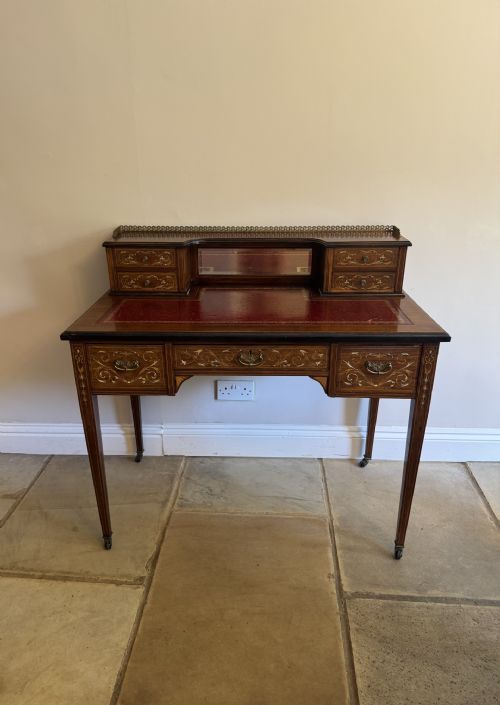


Victorian Rosewood Writing Table
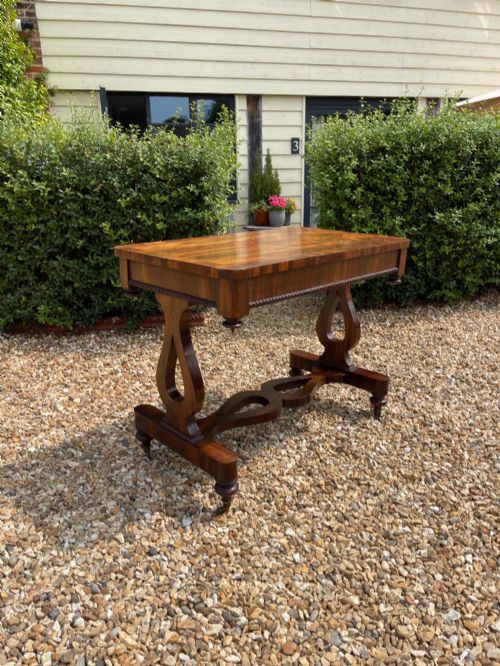
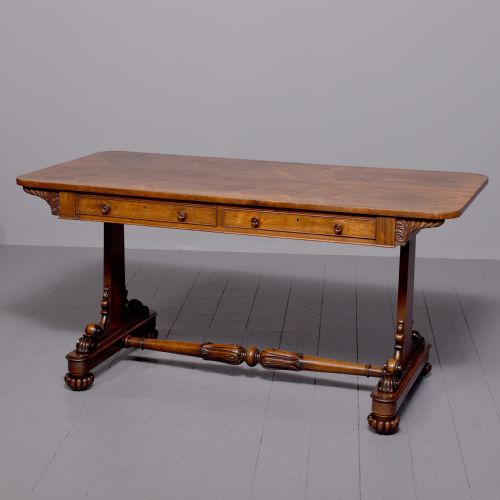
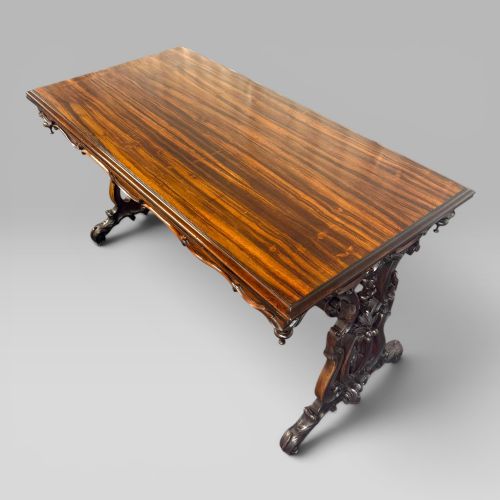
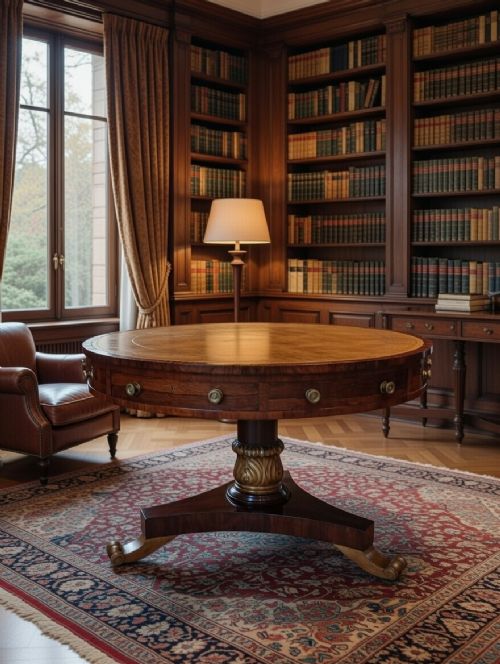
When you search for a victorian rosewood writing table, you seek a dense, dark-grained nineteenth-century desk built for correspondence.
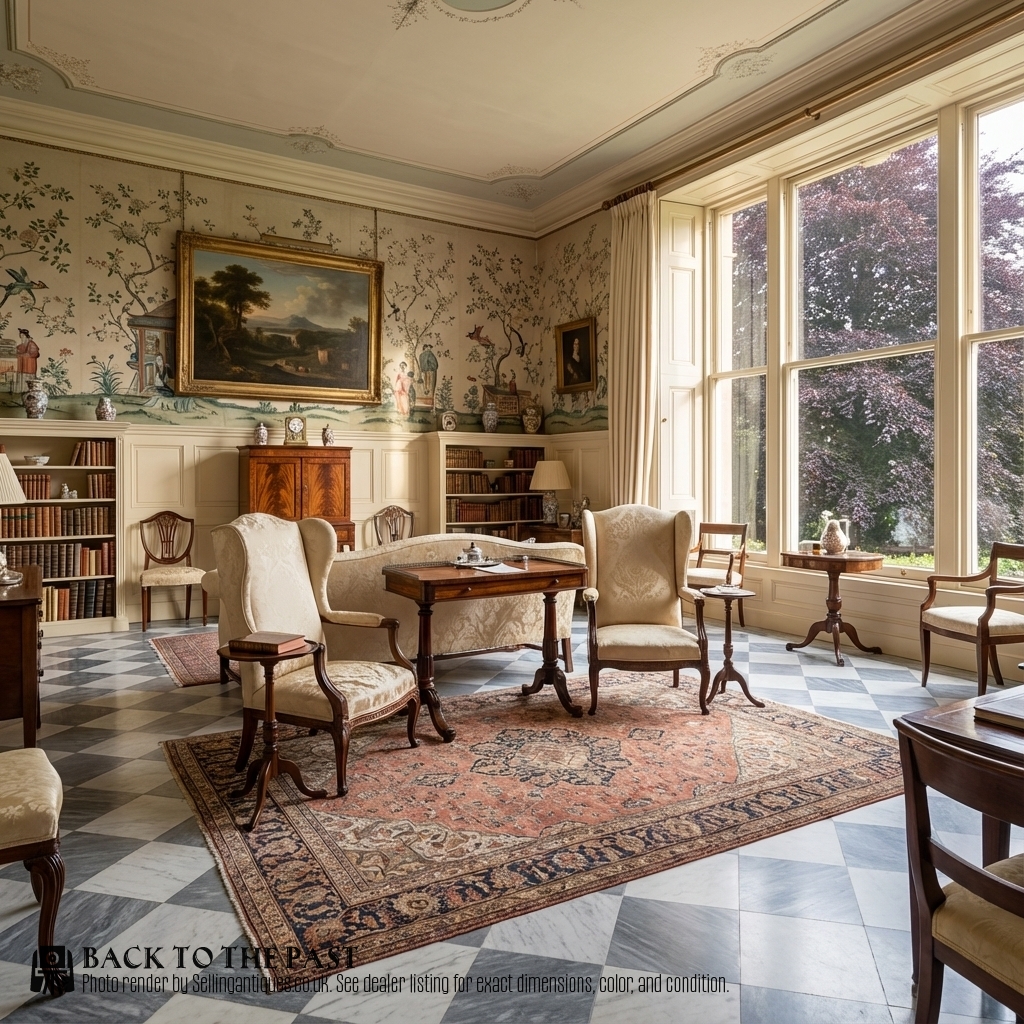
Victorian Rosewood Writing Table
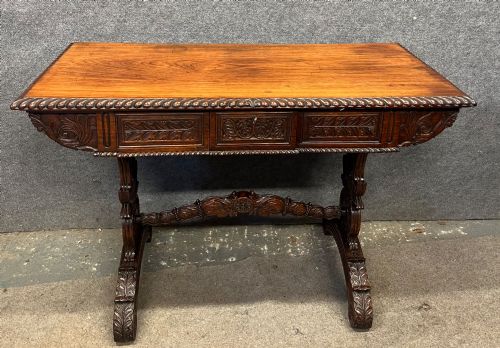
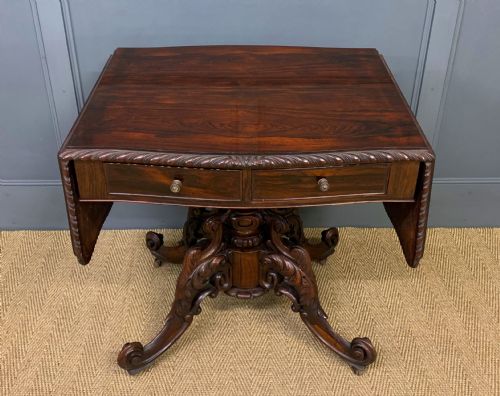
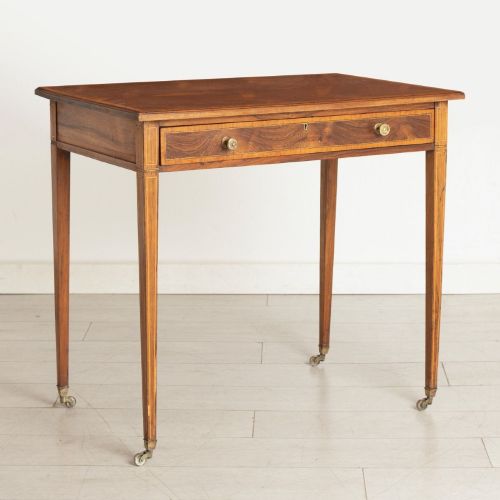
A victorian rosewood writing table is a freestanding piece of nineteenth-century furniture designed for the study, library or drawing room. These desks span the Victorian era, alongside related William IV, Edwardian and Regency pieces that share similar forms.
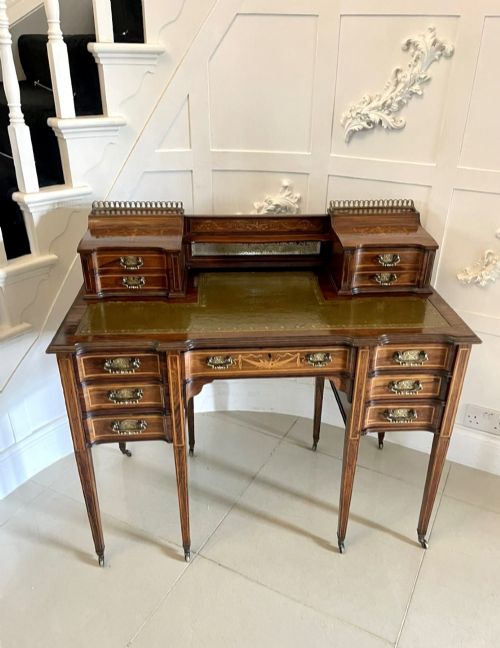
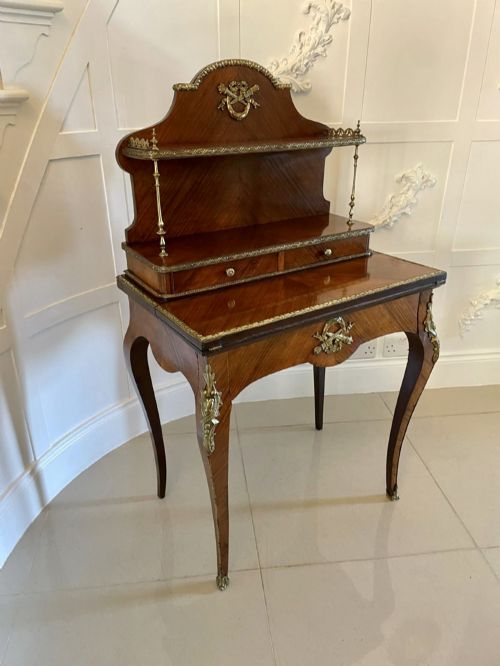
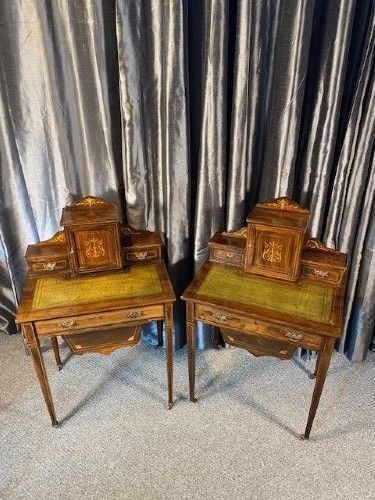
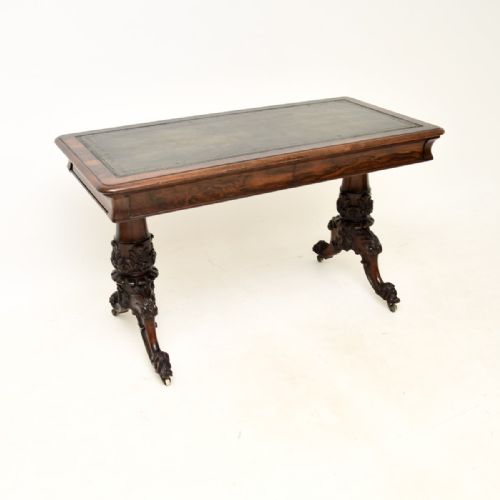
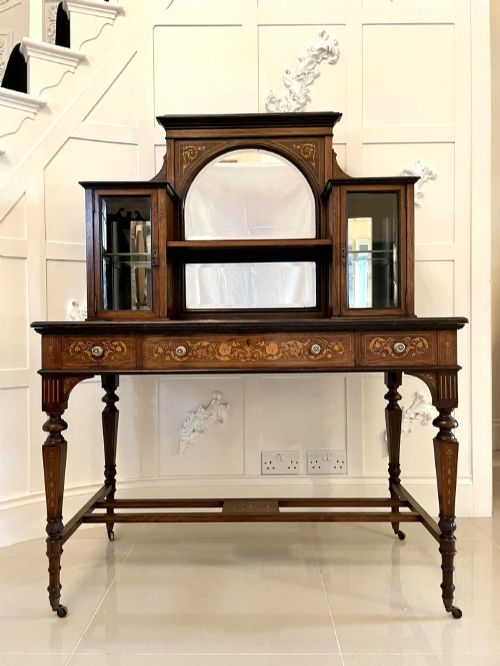
You will encounter standard rectangular writing tables, kidney-shaped ladies' desks, and larger library or partners tables. Many incorporate drawers, leather writing surfaces, or superstructure galleries such as the bonheur du jour.
How They Were Made
Cabinet makers utilised dense tropical rosewood, frequently supported by secondary timbers like mahogany, maple or satinwood. Surfaces often received elaborate marquetry, parquetry or brass inlay, alongside decorative ormolu mounts.
Writing compartments frequently featured inset leather surfaces, lockable drawers, and turned barley twist or pedestal supports. Construction methods combined traditional joinery with fine surface veneering.
Victorian Rosewood Writing Table Retail Price Guide 2026
Typical asking prices for victorian rosewood writing table among the pieces listed under this phrase on Sellingantiques today, from the lower quarter to the upper quarter. They describe what is for sale here now, not the wider market.
Drop-side flaps and secret compartments let Victorian correspondents hide unfinished letters from inquisitive callers.
What Varies in Quality
The standard of a victorian rosewood writing table rests on the crispness of its marquetry and the richness of the timber grain. Pieces showing detailed boxwood inlay and careful brass mounts distinguish themselves from plainer utilitarian desks.
Attribution to documented makers and the retention of original leather writing inserts and working locks elevate an example. Structural integrity in the pedestals and drawers also separates workshop standards.
Maple and Co·Mein of Kelso·Donald Ross·Collinson and Lock·Edwards and Roberts·Gillows
The Victorian Rosewood Writing Table Glossary
- Rosewood
- A dense, heavily grained tropical timber known for dark purplish-brown tones, used extensively in high-status nineteenth-century cabinet making.
- Marquetry
- Decorative veneer work forming pictorial or geometric patterns using contrasting woods like satinwood and boxwood.
- Bonheur du jour
- A small, light ladies' writing desk featuring a raised cabinet or shelf superstructure above the writing surface.
- Ormolu
- Gilded bronze mounts applied to furniture for decorative enrichment, frequently seen on mid-nineteenth-century examples.
- Partners desk
- A large table designed with drawers on opposing sides to accommodate two users simultaneously.
Victorian Rosewood Writing Table: Frequently Asked Questions
Where were writing tables placed?
These pieces were positioned centrally in rooms or against walls within libraries and drawing rooms. Their finished backs allowed them to stand away from walls.
Smaller ladies' variants often sat near windows to capture natural light for correspondence and reading.
How do I care for rosewood?
Protect the timber from direct sunlight and steady heat sources to prevent the rosewood veneers from drying out or splitting. Gentle dusting with a dry cloth maintains the polish.
Avoid liquid cleaners and wax accumulations that can cloud the historic finish.
Can I use an antique desk daily?
These tables served practical writing and study functions originally and continue to accommodate modern writing tasks. The sturdy nineteenth-century construction supports everyday use.
Care should be taken with leather surfaces and historic locks to preserve their condition.