



Victorian Rosewood Bureau
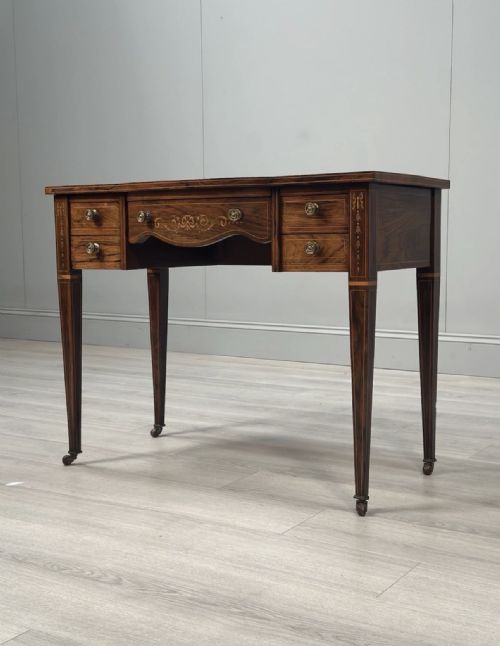
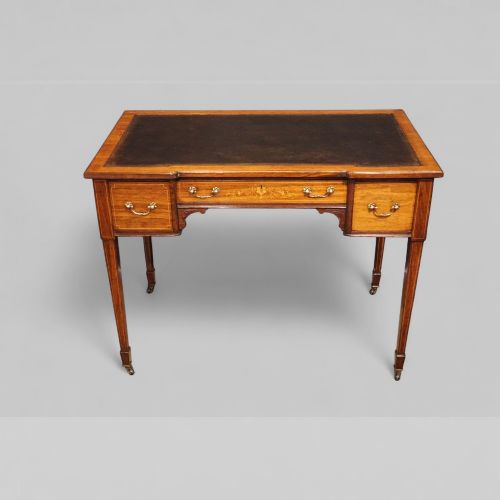
These pieces of a victorian rosewood bureau offer rich timber grain and fitted compartments, satisfying a collector who values both display and desk space.
Victorian Rosewood Bureau
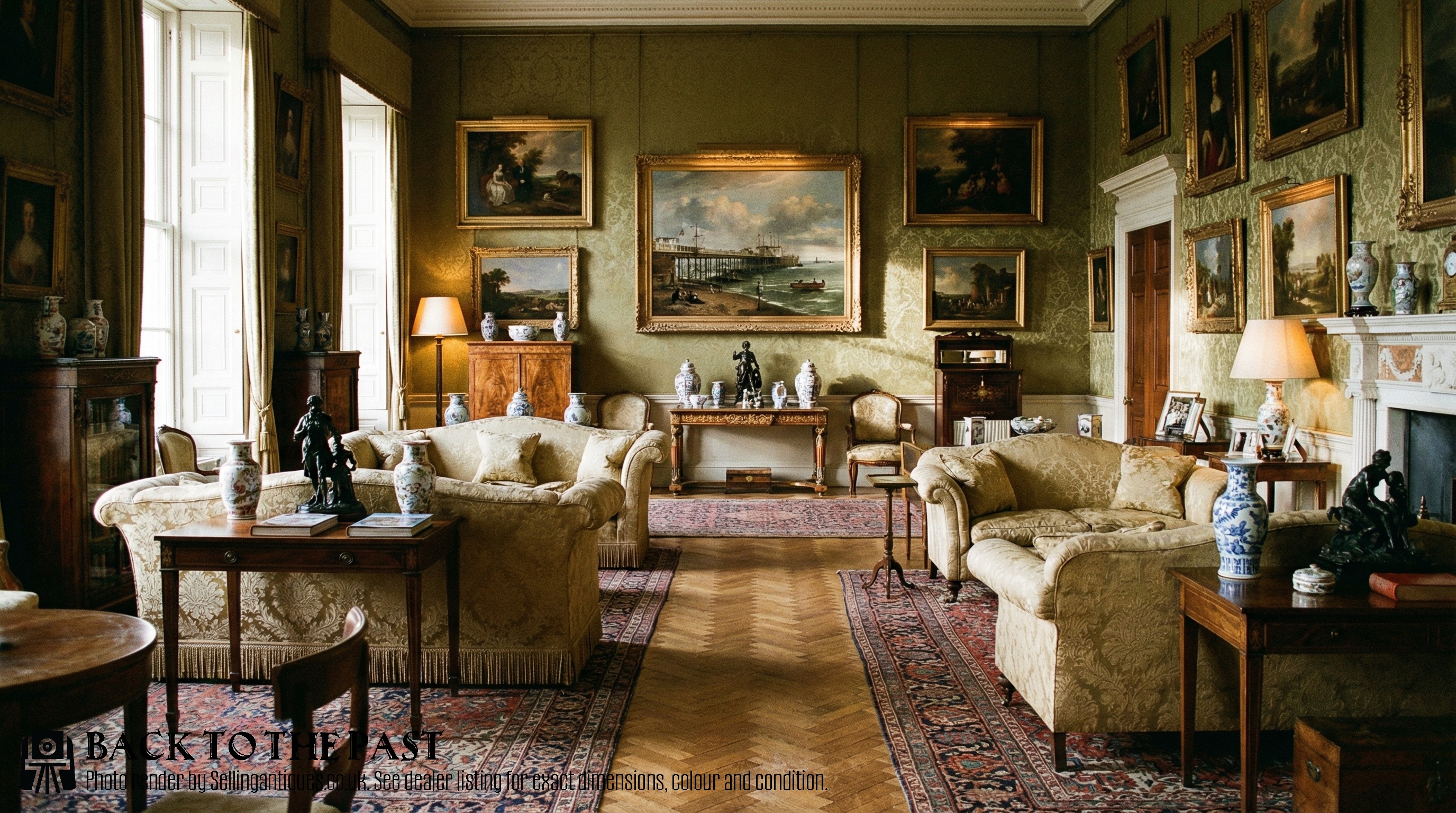
A victorian rosewood bureau brings together dense tropical timber and practical writing compartments, frequently appearing as a compact Davenport desk with a sloped writing surface. These items span various decades of the nineteenth century and into the Edwardian period, often incorporating internal drawers and stationery slots beneath a hinged flap.
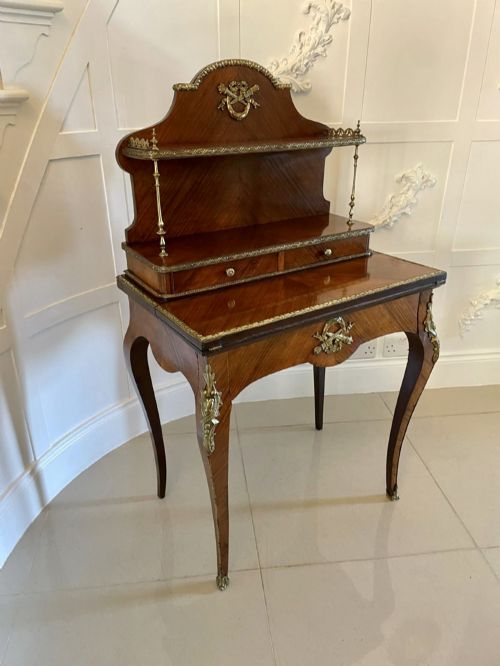
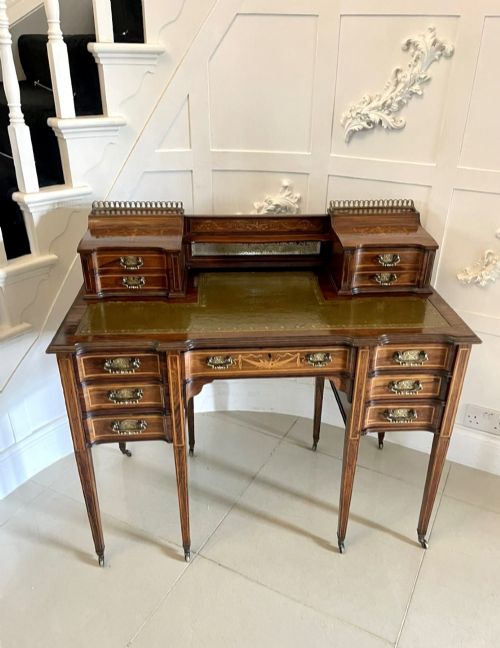
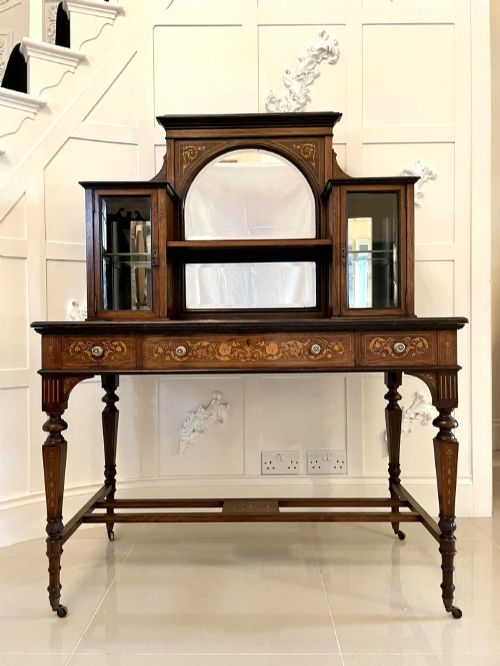
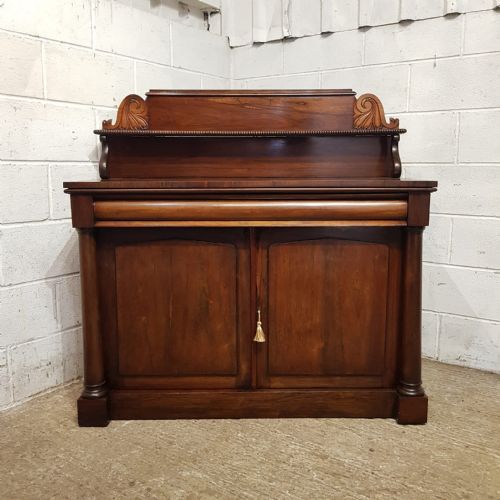
The selection ranges from freestanding writing tables and side work tables to elaborate bonheur du jour designs and taller secretaire cabinets. Buyers searching for a victorian rosewood bureau will encounter numerous Davenport desks alongside inlaid ladies writing desks and French-influenced pieces.
Originating largely from British and French workshops, these forms combine dark, heavily grained timber with contrasting stringing, brass details, and marquetry motifs. The grouping reflects both utilitarian correspondence desks and decorative boudoir writing furniture.
Materials and construction
Cabinet makers utilised solid rosewood and rosewood veneers laid over secondary timbers, often accentuating surfaces with lighter contrasting woods such as boxwood, satinwood, and maple. Brass handles, galleries, and inlay lines frequently complement the deep brown and purple tones of the primary grain.
Marquetry and parquetry techniques create intricate floral or geometric patterns across writing slopes and cabinet doors. Interiors commonly feature fitted letter compartments, small drawers, and leather writing inserts finished with gold tooling.
Victorian Rosewood Bureau Retail Price Guide 2026
Typical asking prices for victorian rosewood bureau among the pieces listed under this phrase on Sellingantiques today, from the lower quarter to the upper quarter. They describe what is for sale here now, not the wider market.
The listings span the Victorian, Edwardian, William IV, and Regency periods, utilising rosewood, kingwood, maple, satinwood, brass, and leather.
What separates the grades
The degree of hand-cut marquetry and the precision of contrasting wood inlay distinguish standard production from exceptional examples. Cabinet work involving complex internal mechanisms, pop-up compartments, or signed maker attribution elevates the standing of an individual desk.
The crispness of brass mounts, the retention of original leather writing surfaces, and the integrity of the timber finish determine the desirability among collectors. Pieces retaining their fitted stationery interiors and functioning original locks command greater attention.
Maple and Co·Donald Ross·Edwards and Roberts·Jas Shoolbred
The Victorian Rosewood Bureau Glossary
- Bureau
- A desk featuring a sloping lid that opens to reveal a writing surface and small pigeonholes. It typically includes drawers beneath.
- Davenport
- A compact form of small writing desk with a sloped top, side drawers, and a stationery compartment on the upper rear section.
- Bonheur du jour
- A light ladies writing desk originating in France, equipped with a small cabinet or shelving superstructure above the main writing surface.
- Marquetry
- Decorative veneer work forming pictorial or geometric patterns using various coloured wood veneers laid onto a carcase.
- Secretaire
- Any cabinet or chest incorporating a concealed writing drawer or drop-front writing flap that pulls down for correspondence.
Victorian Rosewood Bureau: Frequently Asked Questions
How do I use a davenport desk?
The sloping top lifts or slides forward to provide a writing slope, while the drawers pull out from the side of the pedestal base.
The upper rear compartment often holds inkwells, pens, and small stationery items for daily correspondence.
Where were these desks placed?
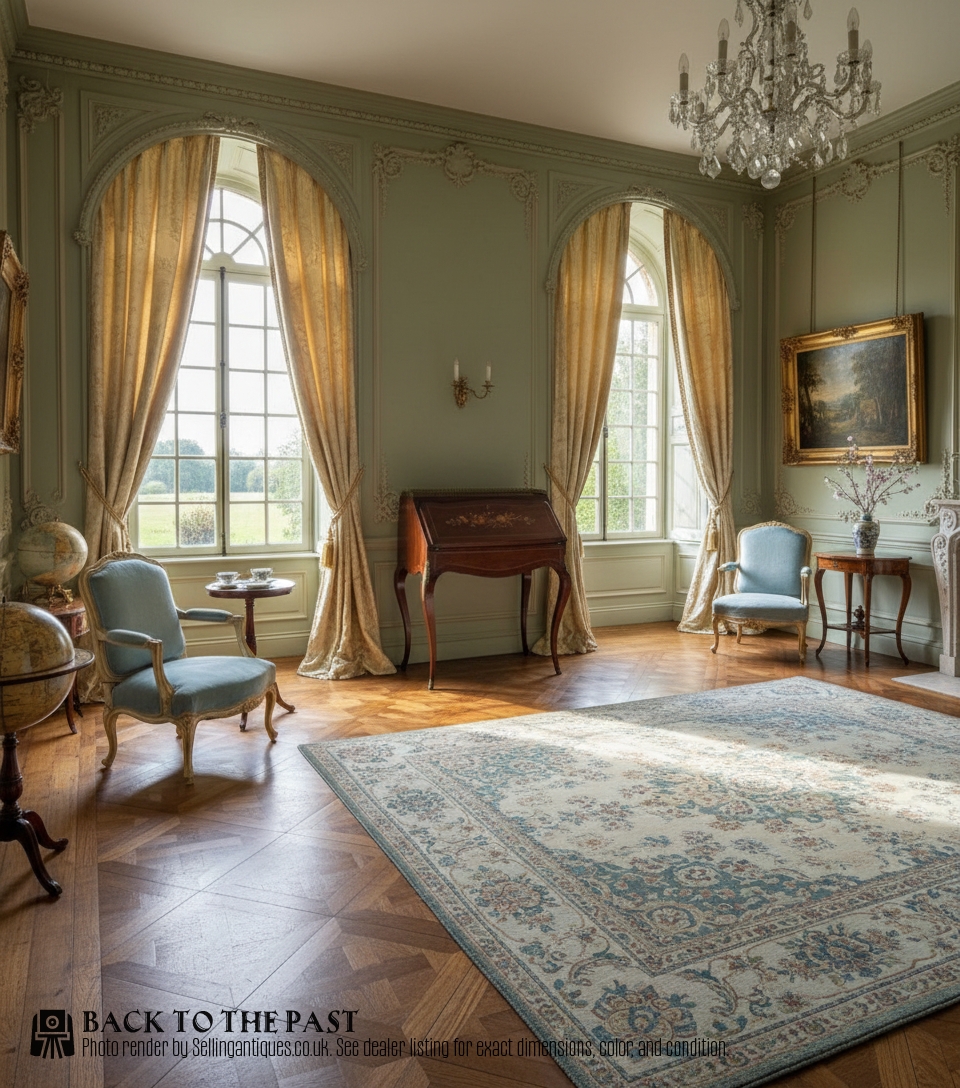
These compact writing desks sat comfortably in Victorian drawing rooms, parlours, and private bedrooms where space for a large library desk was limited.
Freestanding versions were often positioned away from walls to display finished rosewood grain on all sides.
How do I distinguish Victorian from Edwardian pieces?
Victorian examples generally date from the mid to late nineteenth century, displaying heavier proportions and traditional marquetry or brass inlay.
Edwardian interpretations tend to show lighter construction, Sheraton Revival influence, and more delicate satinwood stringing.
What is the difference between a bureau and a bonheur du jour?
A traditional bureau relies on a heavy sloping fall-front to cover internal drawers, whereas a bonheur du jour is an open, lighter desk with a raised superstructure.
Bonheur du jour designs frequently incorporate small display shelves and mirrors suited for boudoir use.