

Victorian Rococo Table
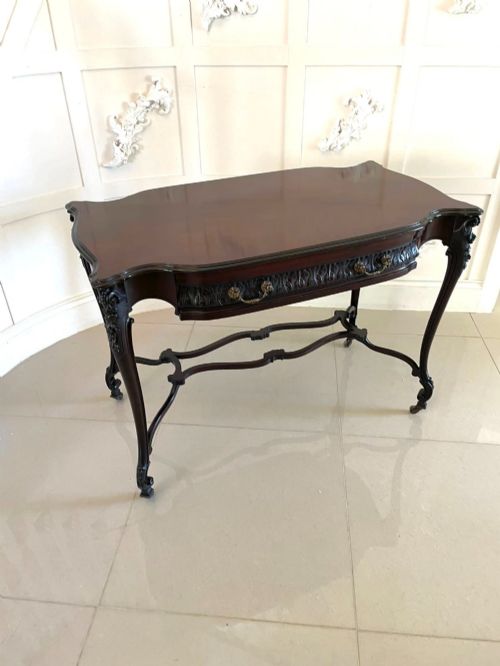
A victorian rococo table brings exuberant nineteenth-century curves, ornate carving and rich timber into a room.
Victorian Rococo Table
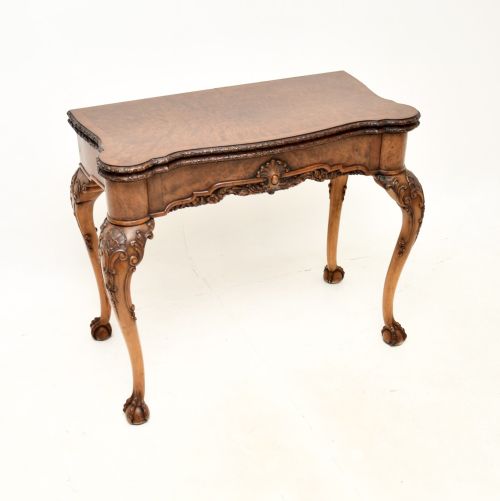
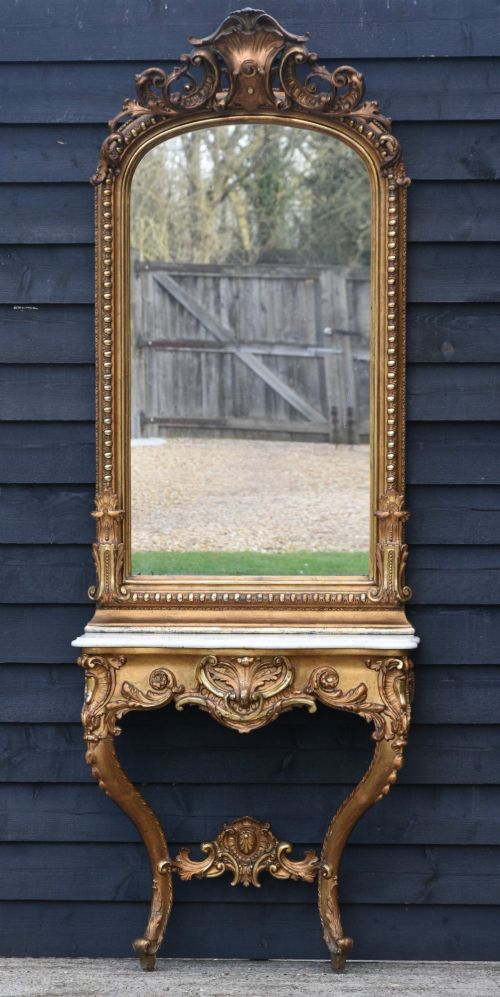
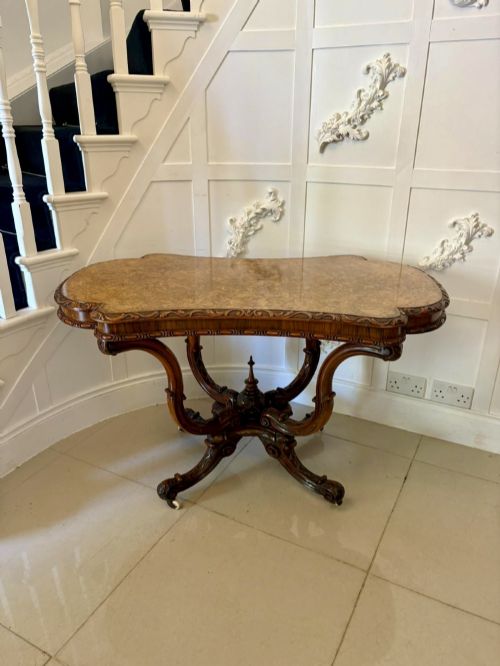
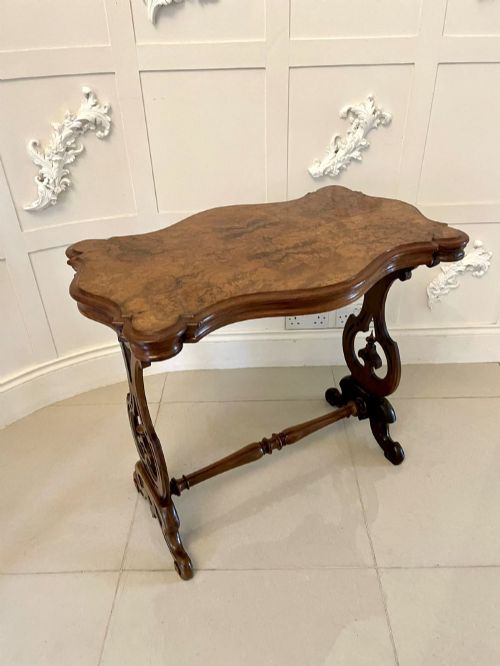
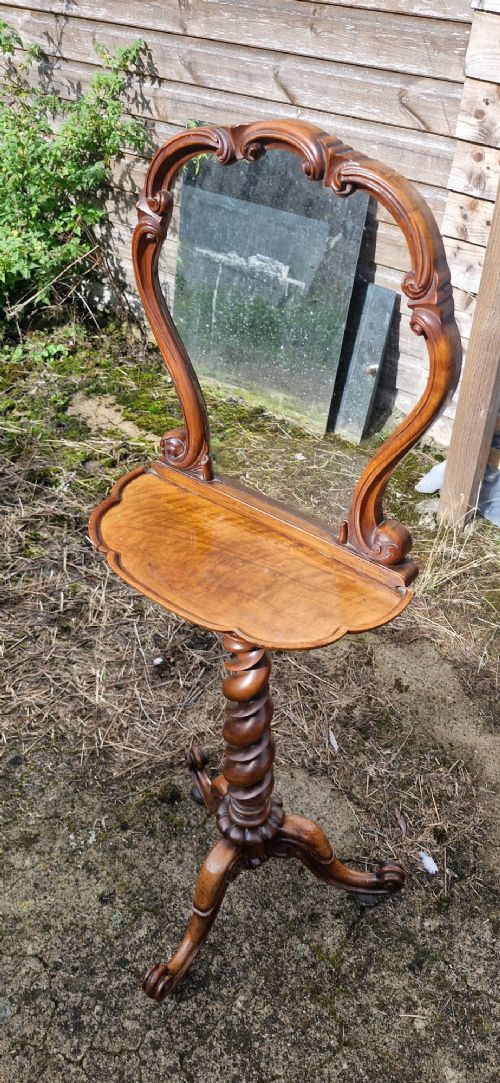
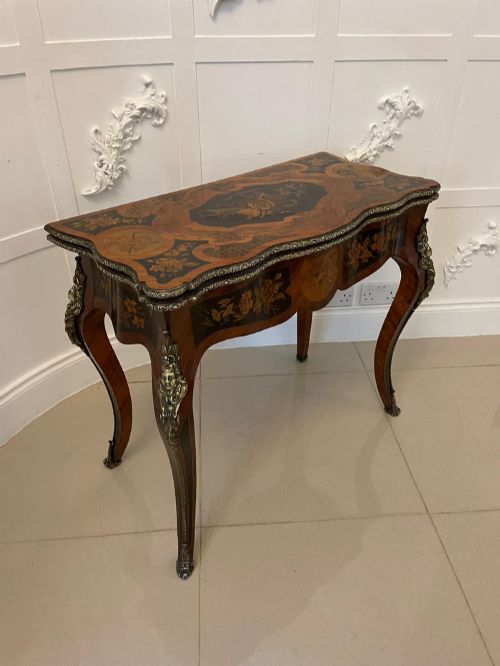
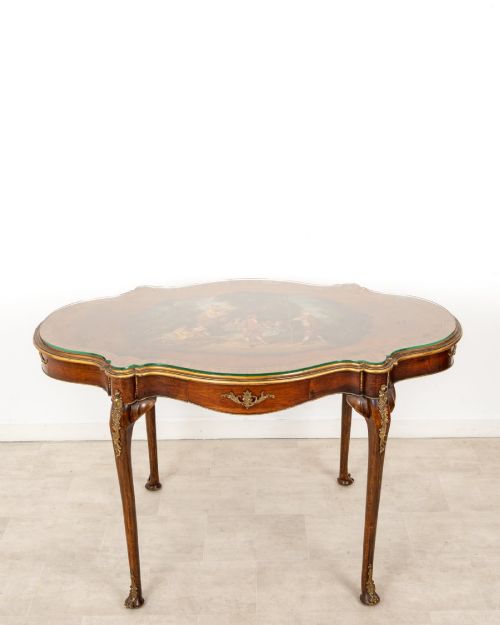
A victorian rococo table encompasses centre tables, occasional tables, console tables, and card tables shaped by mid to late nineteenth-century cabinet makers. The pieces originate from Victorian Britain and continental workshops working in the French Louis XV and Rococo Revival styles.
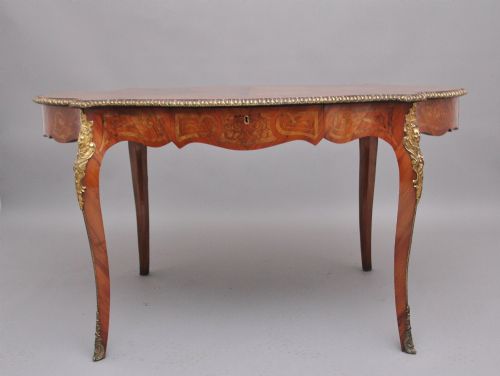
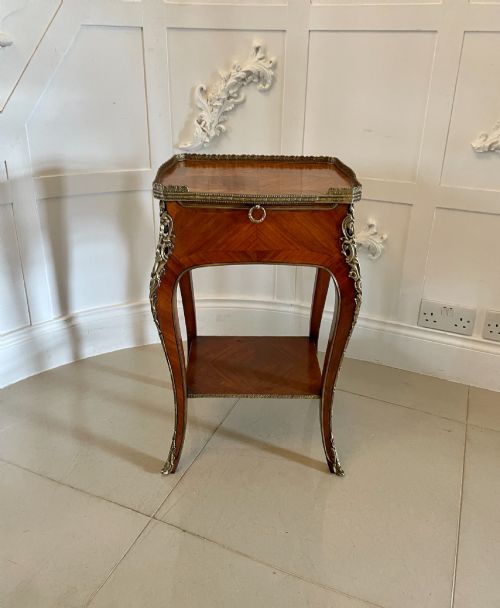
Burr walnut and kingwood dominate the forms found here, often shaped with serpentine edges, cabriole legs, and marquetry inlays. Centre tables and occasional tables appear most frequently, accompanied by console tables and desks sharing the same flowing outlines.
Materials and Technique
Cabinet makers utilised solid and veneered timbers including walnut, burr walnut, kingwood, and mahogany over supportive framing. Surfaces frequently display intricate marquetry inlays, carved scrolling foliage, and shaped marble or glass tops.
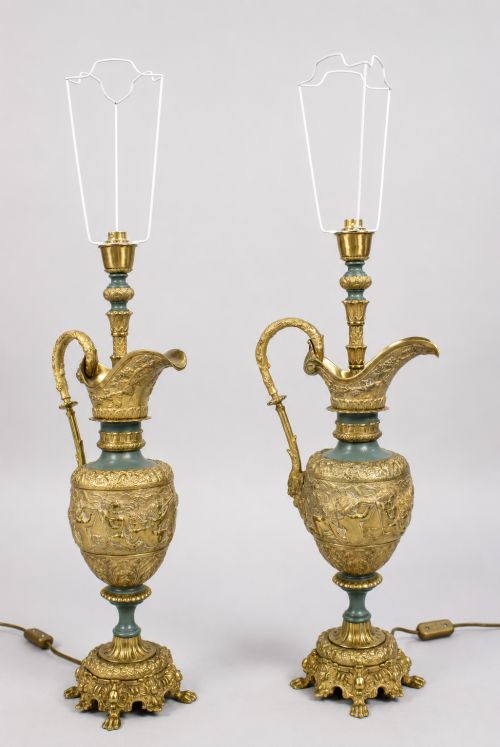
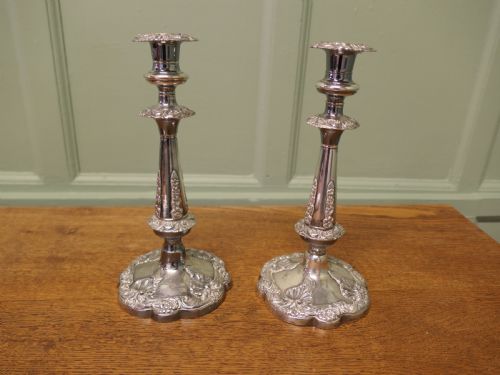
Ormolu and gilt bronze mounts, handles, and cast details accent the woodwork, secured with traditional joinery. Brass and silver-plated elements also appear on related pieces such as occasional stands and desks.
Listings span the nineteenth century, featuring walnut, kingwood, and ormolu across centre tables, desks, and occasional pieces.
Judging Quality
The standard of a victorian rococo table rests upon the depth and crispness of its hand-carved ornament and the selection of figured veneers. Richly patterned burr walnut or detailed kingwood marquetry distinguish finer examples from plain timber builds.
Integration of high-grade ormolu mounts and sophisticated mechanisms for drawers or folding tops signal superior workshop production. Structural crispness in the cabriole legs and serpentine skirts ensures the piece holds its decorative presence.
Henry Marc·Durand
The Victorian Rococo Table Glossary
- Ormolu
- Gilded bronze or brass mounts applied to furniture and clocks. These decorative elements provide metallic contrast to dark timber surfaces.
- Marquetry
- Fitted pieces of veneer arranged in decorative patterns across a table top. Craftsmen utilise different wood grains to create pictorial or geometric designs.
- Cabriole leg
- A curved furniture leg featuring an outward knee and an inward ankle ending in a foot. The shape imitates animal legs and defines Rococo design.
- Bureau plat
- A flat-topped writing desk fitted with drawers. These freestanding desks often display gilt bronze mounts and leather writing surfaces.
- Kingwood
- A dense, heavily figured exotic timber utilised for fine cabinet work. Its dark grain provides a striking contrast against gilt mounts.
Victorian Rococo Table: Frequently Asked Questions
What is a victorian rococo table?
A victorian rococo table is a nineteenth-century furniture piece inspired by earlier French Louis XV designs. These items feature curved cabriole legs, asymmetrical scrollwork, and rich timber veneers.
Craftsmen built them as centre tables, card tables, and occasional stands for principal rooms. Their ornamentation reflects the revival of organic, flowing forms during the Victorian era.
Where should I place a centre table?
A centre table stands freely in the middle of a room rather than against a wall. This allows the carved walnut or kingwood detailing to be viewed from all sides.
In period interiors, they held lamps, books, or decorative objects. Ensure adequate walking space around the perimeter to let the curved silhouette stand clear.
How do I identify rococo style?
Rococo style relies on C-scrolls, S-scrolls, asymmetric floral motifs, and serpentine outlines. Straight lines are largely replaced by continuous flowing curves and naturalistic carving.
On Victorian examples, look for cabriole legs, shaped aprons, and gilt bronze mounts that soften the geometry of the furniture.
What timber was used?
Makers relied heavily on walnut, burr walnut, kingwood, and mahogany for these tables. Burr walnut provided dramatic, swirling grain patterns across table tops.
Exotic woods like kingwood were sliced into thin veneers for marquetry inlay work. Ormolu and brass mounts were then added to accent the timber.