
Rococo Revival Furniture
Rococo revival furniture brings flamboyant asymmetric curves and opulent gilt mounts into nineteenth-century interiors.
Rococo Revival Furniture
When you search for rococo revival furniture, you encounter pieces designed to emulate the curving, organic elegance of the mid-eighteenth century French court. These items originate predominantly from the nineteenth century, spanning decades such as eighteen eighty, eighteen fifty, and eighteen ninety, with Victorian British and continental examples forming the core of the selection.
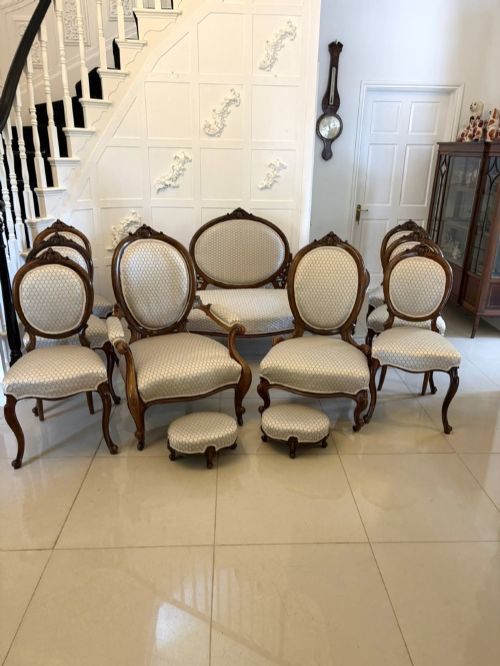
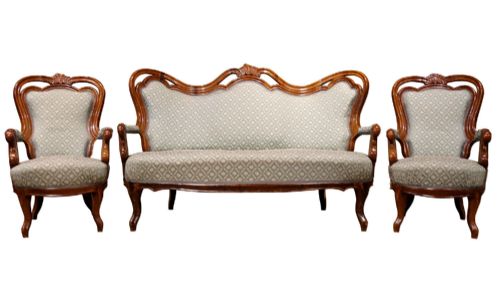
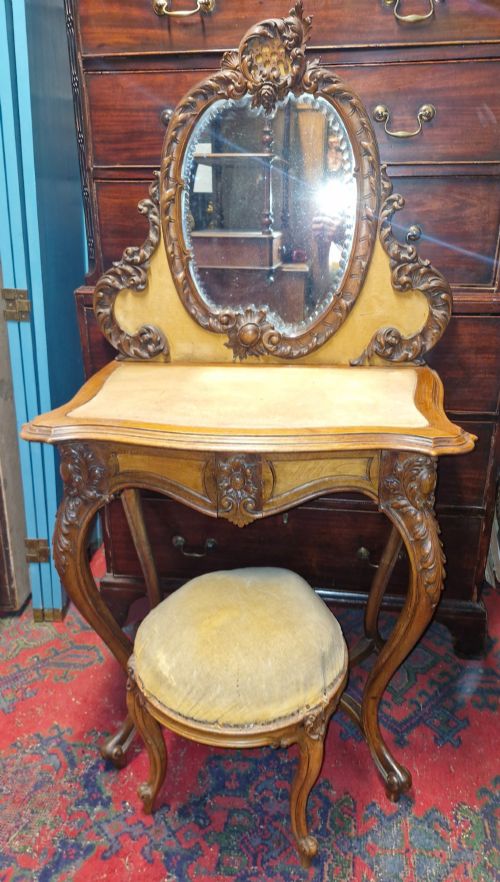
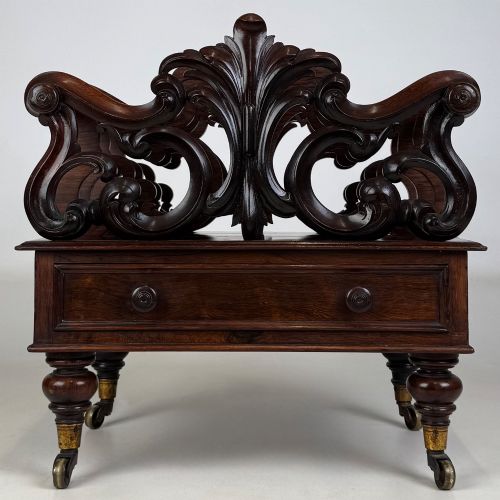
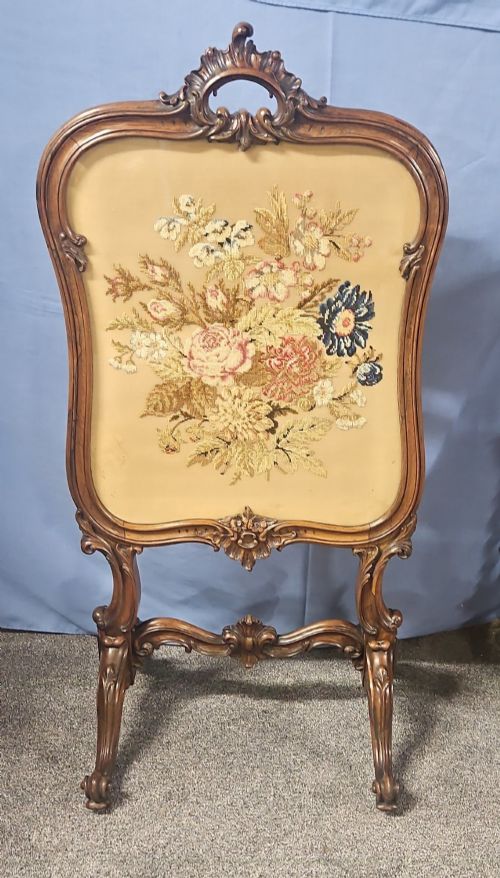
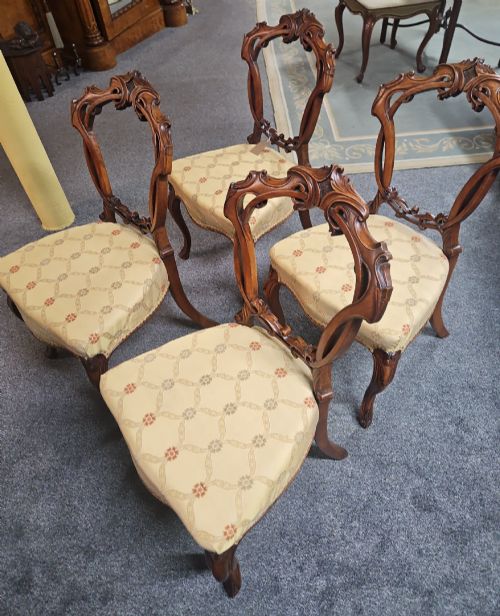
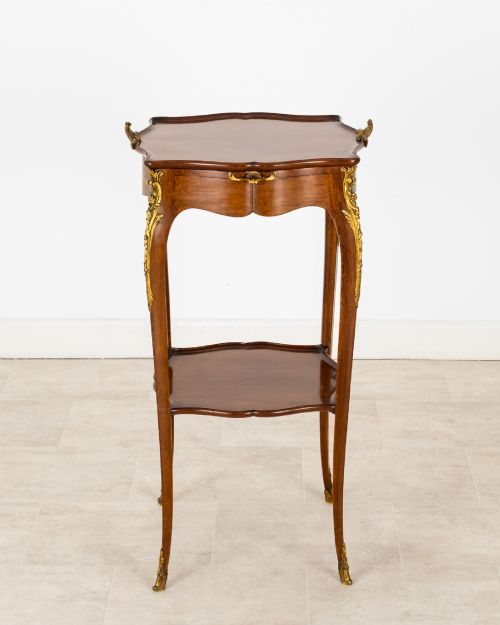
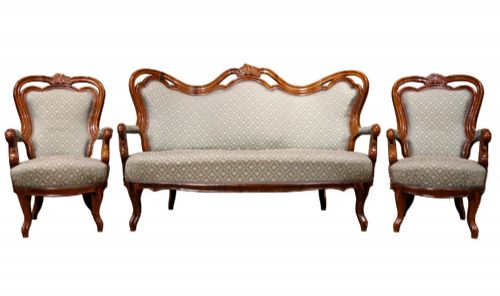
The assortment spans a diverse range of domestic forms, with seating such as salon suites, settees, and chairs appearing frequently alongside display cabinets, vitrines, and occasional tables. Buyers also encounter specialised items like canterburys, dressing tables, and pole fire screens, reflecting the period's appetite for ornate functional utility.
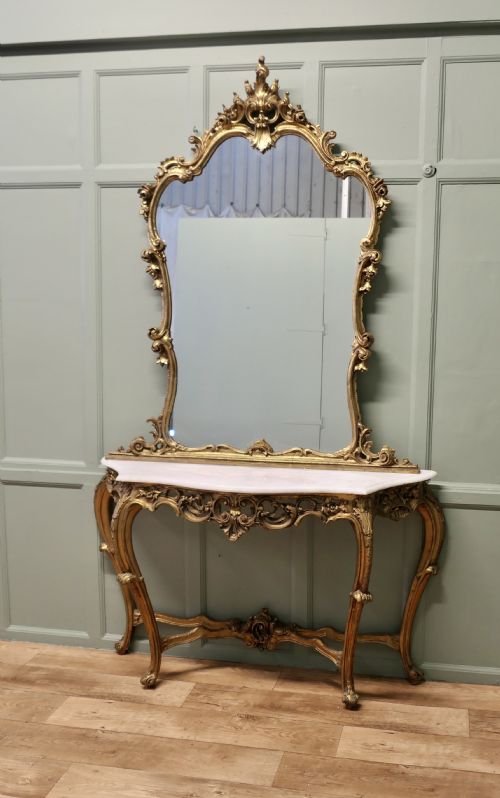
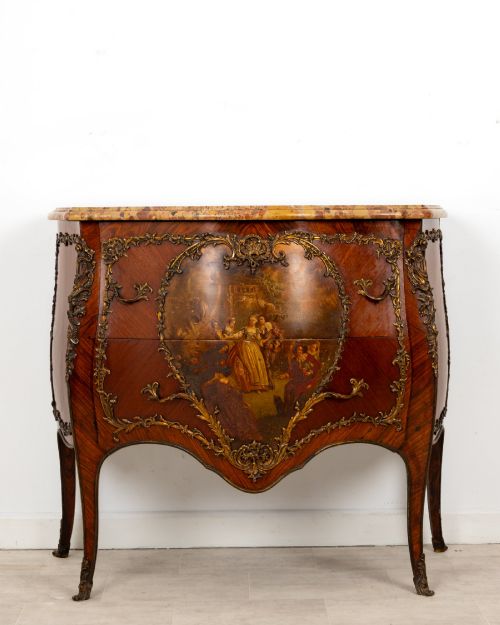
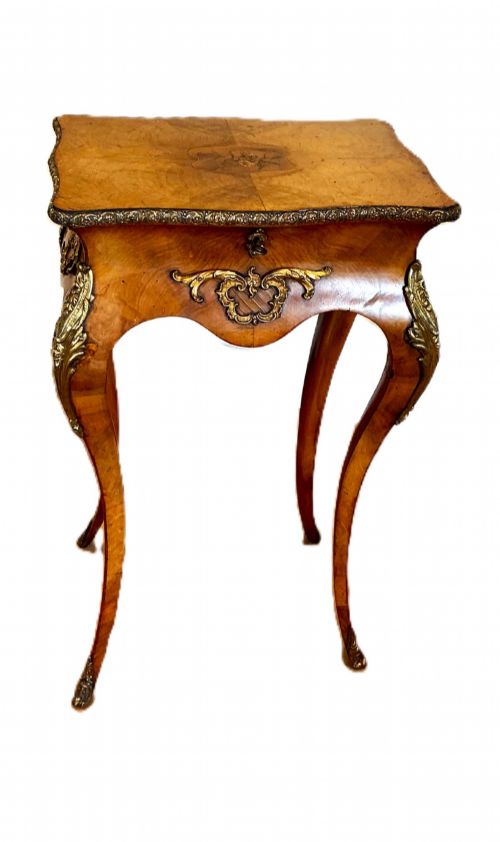
Originating largely from British and continental workshops, particularly Parisian makers and English cabinet makers, these pieces showcase a dramatic revival of the Louis XV style. Whether handling a walnut centre table or an ormolu-mounted kingwood commode, the aesthetic relies heavily on exuberant naturalistic motifs and serpentine silhouettes.
How they were made
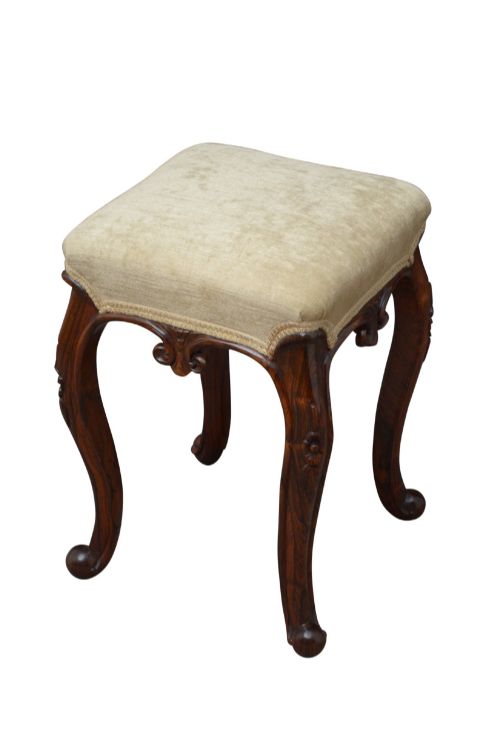
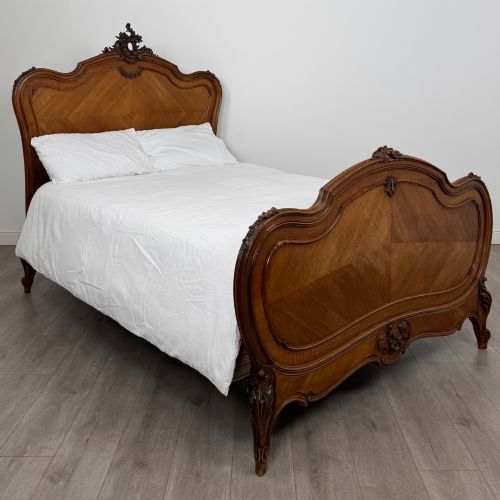
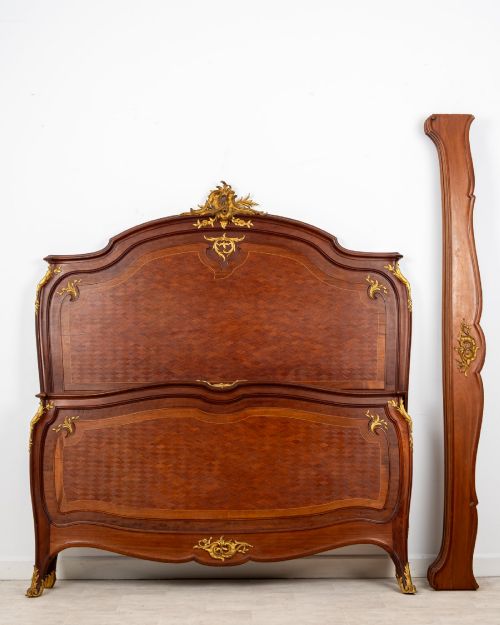
Cabinet makers utilised dense primary timbers such as walnut, rosewood, mahogany, and kingwood, often employing intricate parquetry and marquetry inlay to enrich surfaces. Structurally, these pieces rely on curving cabriole legs and serpentine forms achieved through advanced shaping and steam-bending techniques.
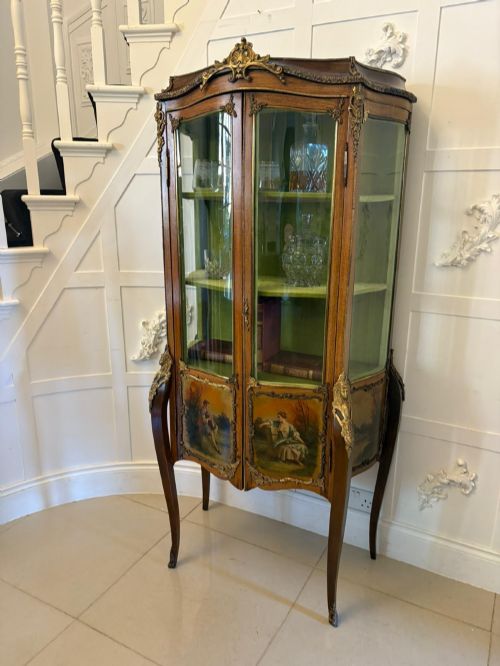
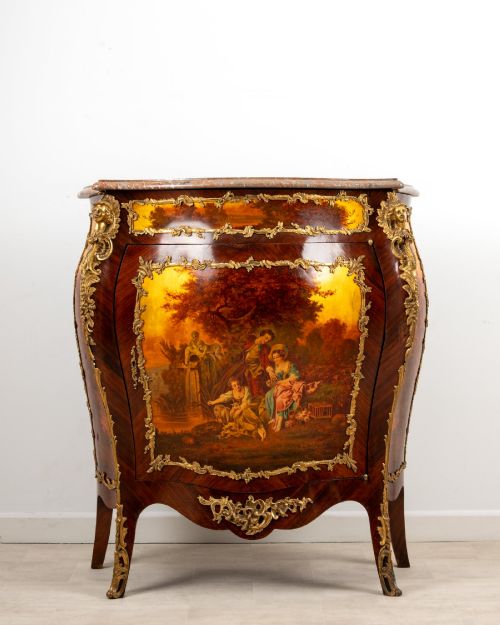
Metalwork played a critical role in the construction, with ormulu and gilt-bronze mounts cast and chased to accentuate the sweeping contours of cabinets and tables. Many continental pieces also integrate painted panels, glass vitrines, and marble tops to elevate the decorative scheme.
Secret drawers tucked into secretaire cabinets provide concealed spaces for nineteenth-century letters.
What varies in quality
The distinction between standard production and exceptional work rests on the crispness of the carving and the weight of the bronze mounts. Superior pieces display hand-chased ormolu and deeply carved walnut or rosewood that integrates seamlessly with the structural frame, rather than applied ornamentation that feels secondary.
Material selection dictates the upper tier of the range, where figured timbers like burr walnut and finely matched kingwood veneers demonstrate superior cabinet work. The handling of secondary details, such as secret drawers, hand-painted Vernis Martin panels, and original marble tops, further separates workshop masterpieces from routine furniture.
Joseph-Emmanuel Zwiener·François Linke·Maison Pretot Paris·Morison & Co
The Rococo Revival Furniture Glossary
- Ormolu
- Gilded bronze used for decorative mounts and accents on furniture. This technique involves applying a fine layer of gold amalgam to cast bronze.
- Cabriole leg
- A furniture leg that bends outward in a convex curve and tapers inward in a concave curve, ending in a pad or scroll foot. It mimics the natural shape of an animal limb.
- Vernis Martin
- A type of simulated Japanese lacquer developed by the Martin brothers in eighteenth-century France. It appears on revival cabinets and vitrines to provide a lustrous painted finish.
- Parquetry
- Geometric patterns formed by fitting small pieces of wood veneer together on a surface. It is commonly found on the top of tables and commodes.
- Vitrine
- A glass-fronted cabinet designed for displaying fine objects and porcelain. These pieces often feature extensive ormolu mounts and glazed sides.
Rococo Revival Furniture: Frequently Asked Questions
How do I identify a Victorian piece?
Victorian pieces from this group typically date from the nineteenth century and employ dense hardwoods such as rosewood and walnut. They often feature characteristic cabriole legs and floral tapestry or elaborate upholstery.
Examining the construction methods and secondary timbers helps confirm the nineteenth-century origin. English and continental workshops adapted French eighteenth-century designs to suit Victorian domestic spaces.
Where were these pieces made?
These items were produced in workshops across Britain and continental Europe, with Paris serving as a major centre for high-end cabinet making. Scottish firms like Morison and Company also manufactured notable suites.
Continental makers frequently exported heavily mounted kingwood and walnut furniture to Britain. Regional variations appear in the choice of secondary woods and the style of the gilt mounts.
How do I live with this furniture?
Living with these pieces involves balancing their strong visual presence with simpler surrounding decor. Their curving lines and polished wood surfaces anchor a room and mix well with neutral walls.
Routine care requires protecting polished timber and marble surfaces from direct sunlight and moisture. Using appropriate wax helps maintain the lustre of walnut and rosewood without building up residue.