


Victorian Rococo Revival Cabinet
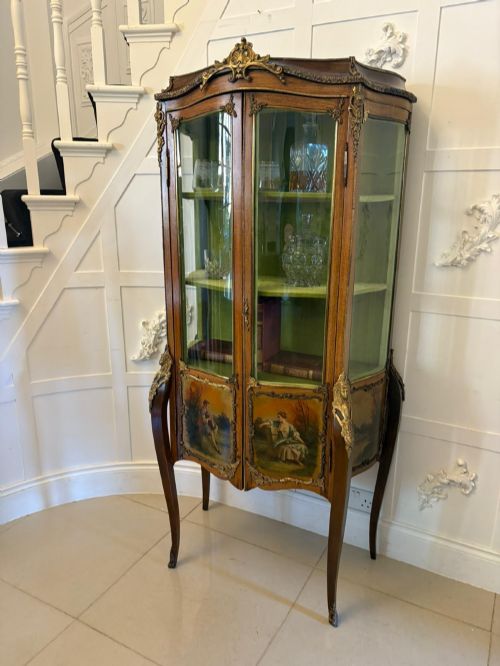
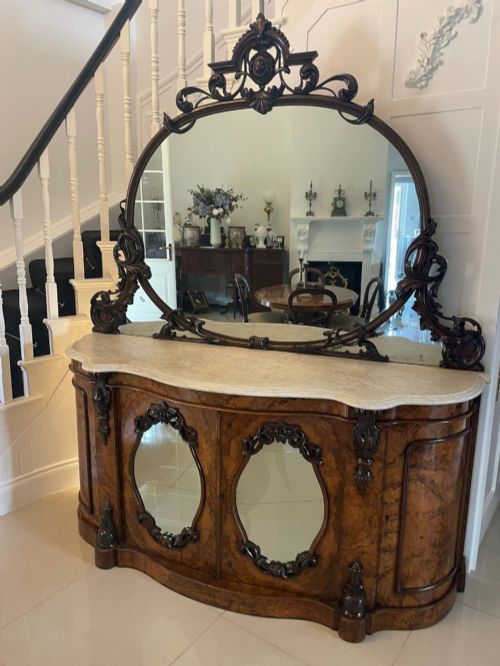
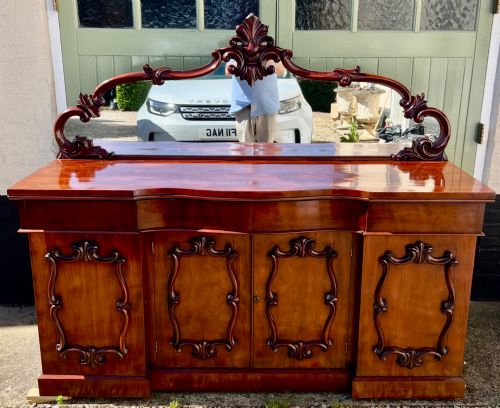
These burr walnut and mahogany pieces are a Victorian rococo revival cabinet, bringing ornate French curves and display space into a traditional interior.
Victorian Rococo Revival Cabinet
When you search for a Victorian rococo revival cabinet, you encounter credenzas, sideboards, and display cabinets originating from the nineteenth century. These forms draw heavily on French Louis XV revival and French Rococo Revival styles, featuring serpentine shapes and glazed sections for presentation.
The pieces on this page are most frequently credenzas and side cabinets rendered in burr walnut, mahogany, and rosewood. They range from mirrored back credenzas dating to the 1850s and 1860s to later display cabinets from the end of the century.
How they were made
Cabinet makers utilised choice timbers such as burr walnut, mahogany, and rosewood, often pairing figured veneers with solid framing. Carved woodwork, inlaid panels, and giltwood details frequently shape the structural outlines.
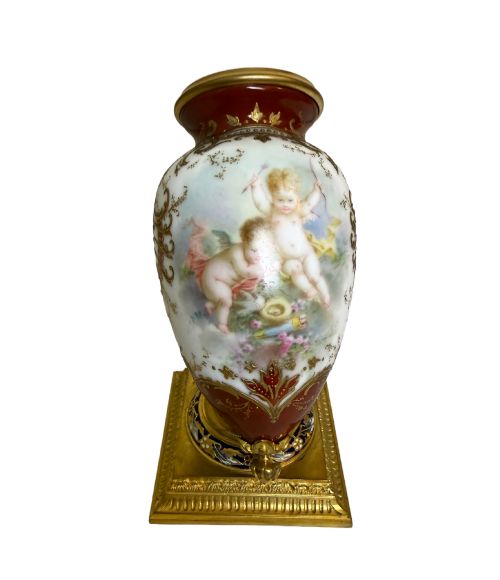
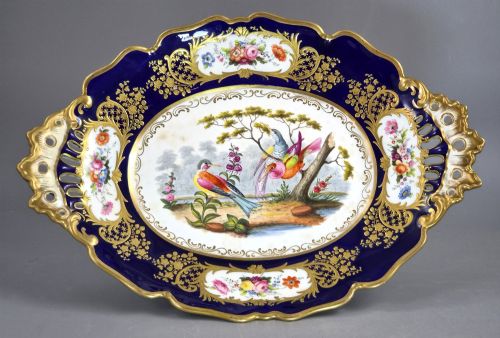
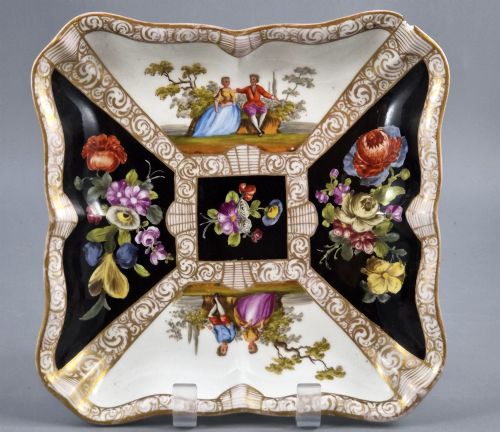
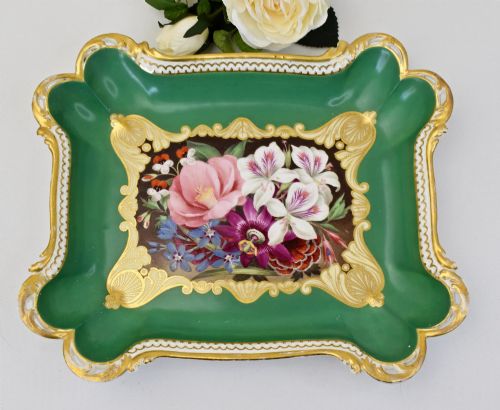
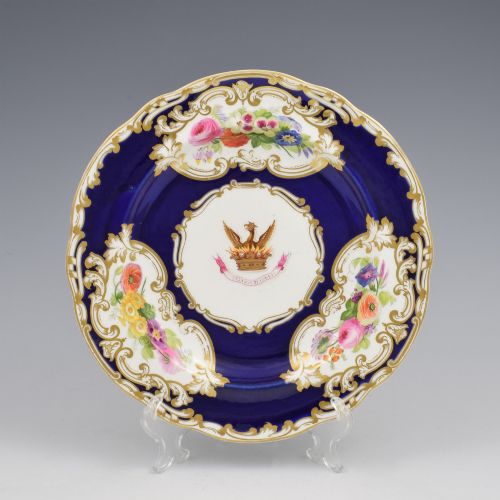
Many examples incorporate glass for display doors alongside marble tops and cast or chased ormolu mounts. Porcelains from makers like Sevres, Meissen, and Worcester occasionally integrate into the decorative scheme.
Among the nineteenth-century furnishings, an ormolu-mounted English coal bin perdonium waits quietly to elevate the humble task of handling coal.
What varies in quality
The standard of timber selection and veneer matching defines the visual impact of the piece. Highly figured burr walnut and rich rosewood display deliberate grain patterning across serpentine fronts.
The crispness of the carved ornamentation and the precision of ormolu mounts separate standard production from exceptional examples. Cabinet work attributed to specific firms shows in the integration of mirror backs and marble tops.
Gillows·Coalport·Meissen·Doe and Rogers·Copeland·John Ridgway·Royal Worcester
The Victorian Rococo Revival Cabinet Glossary
- Credenza
- A low cabinet or sideboard, frequently featuring glass doors and curved ends, popular in the Victorian period for display.
- Serpentine
- A curved shape reminiscent of a snake's movement, seen on the fronts of cabinets and credenzas to break up flat planes.
- Ormolu
- Gilt bronze mounts applied to furniture to accent corners, friezes, and borders with metallic highlights.
- Veneer
- A thin layer of figured wood, such as burr walnut or rosewood, applied over a secondary timber base to create decorative surfaces.
Victorian Rococo Revival Cabinet: Frequently Asked Questions
What is a Victorian rococo revival cabinet used for?
These pieces function as principal storage and display furniture within a principal room. Credenzas and side cabinets hold tableware or collection items behind glass or panelled doors.
The flat top surfaces and internal shelving also allow for the arrangement of decorative porcelain, vases, and ornaments.
How do I identify a nineteenth-century piece?
Examination of the timber construction, backboards, and interior linings reveals the period methods. Nineteenth-century examples employ hand-cut components and traditional joinery appropriate to the 1850 to 1900 timeframe.
Stylistic markers such as French Louis XV revival curves and serpentine burr walnut fronts also align with Victorian manufacture.
Where should I place a credenza at home?
A credenza or side cabinet suits a dining room, hallway, or living space where its low profile does not block sightlines. Placing the piece against a substantial wall allows the serpentine shape and mirrored back to anchor the room.
Ensure the location avoids direct sunlight to protect figured walnut and rosewood veneers from fading.
What materials are typical for these cabinets?
The primary woods consist of burr walnut, mahogany, and rosewood, frequently matched with figured grain veneers. Marble tops and glass panels are standard on many credenzas and display cabinets.
Decorative accents include applied ormolu mounts, carved woodwork, and painted porcelain panels.