


Victorian Rococo Chair
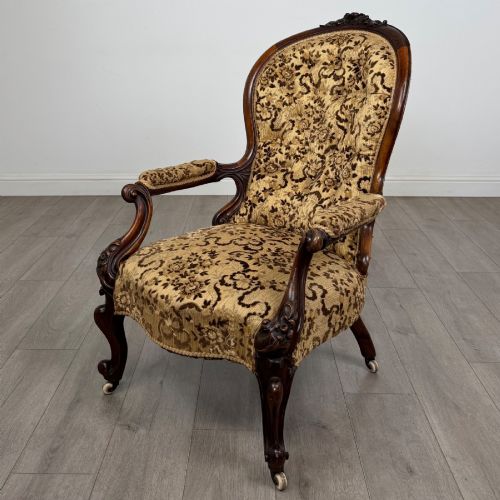
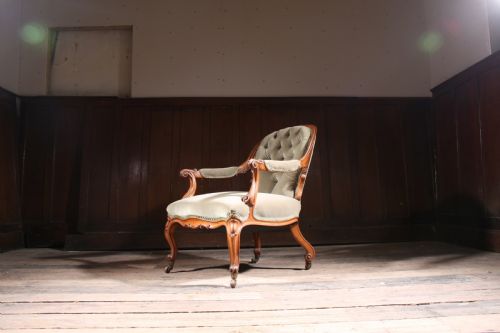
A victorian rococo chair brings exuberant nineteenth-century curves and elaborate carved ornament to a room.
Victorian Rococo Chair
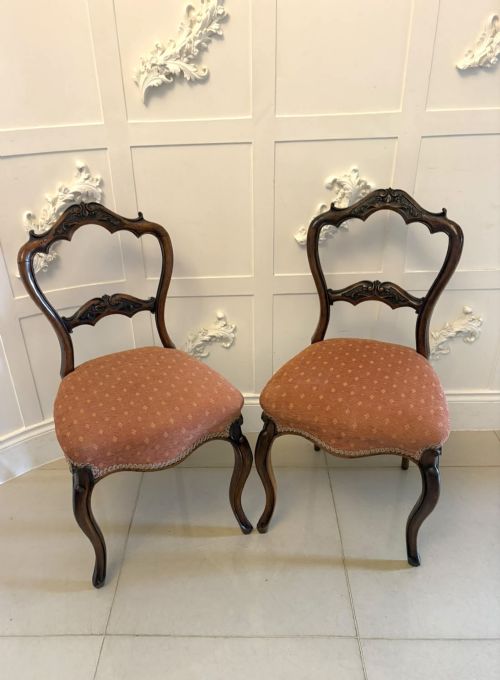
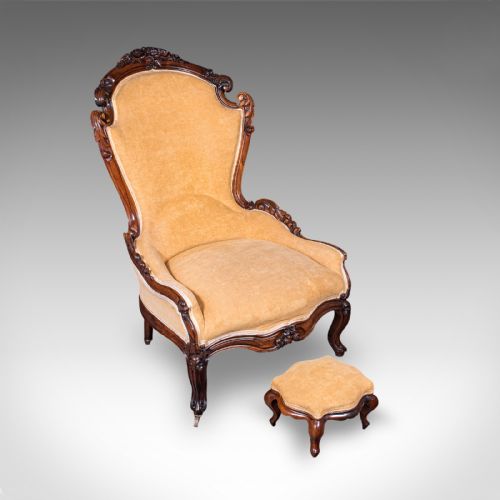
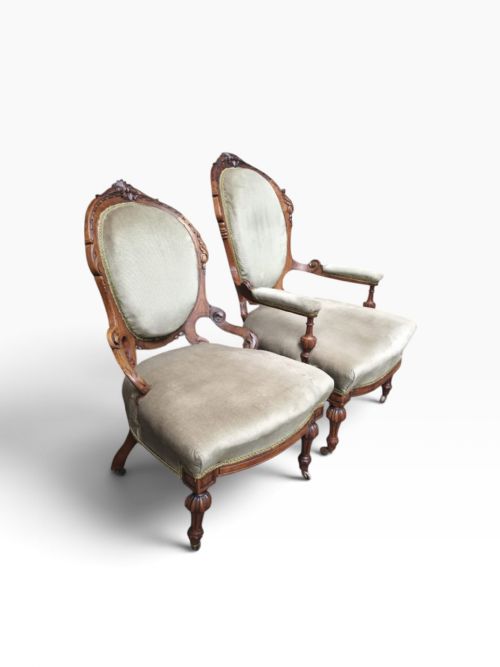
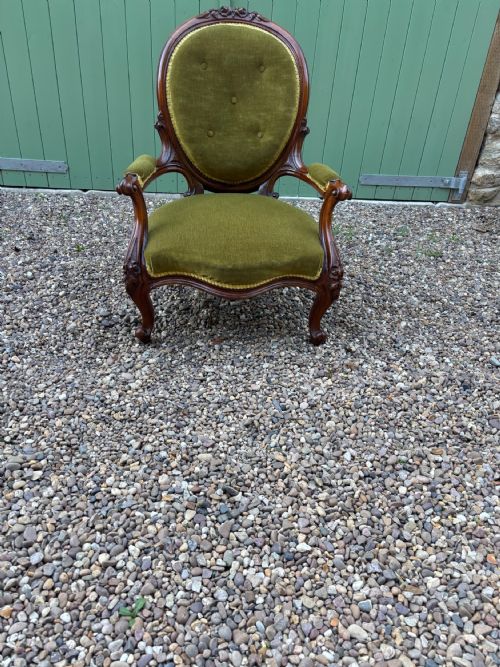
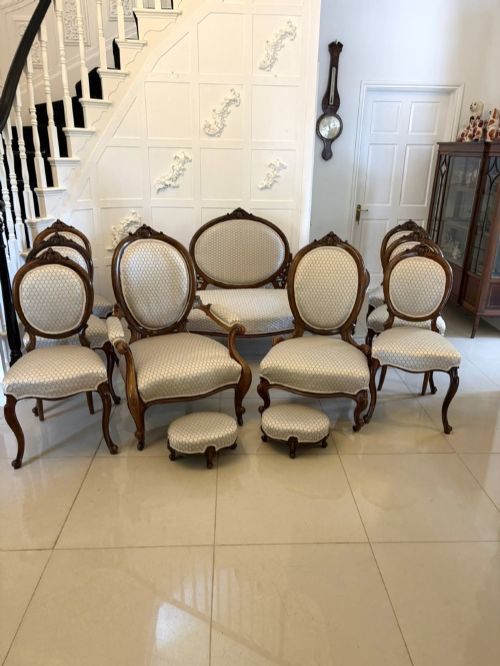
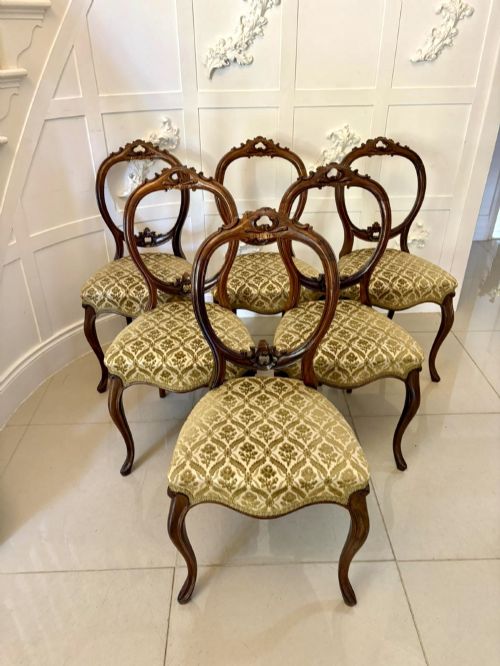
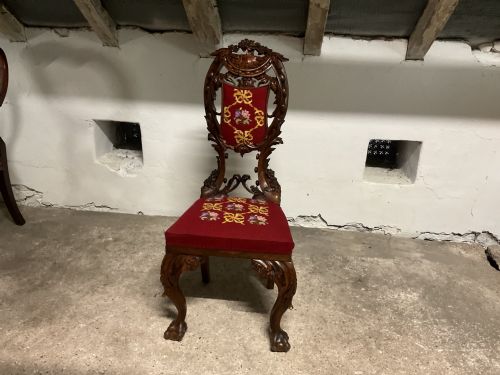
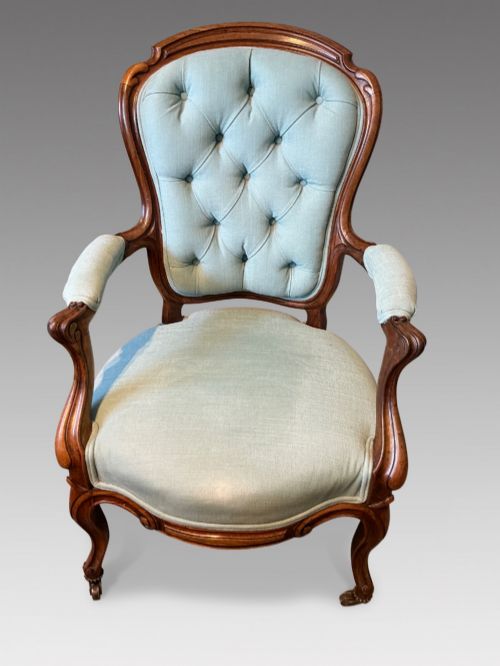
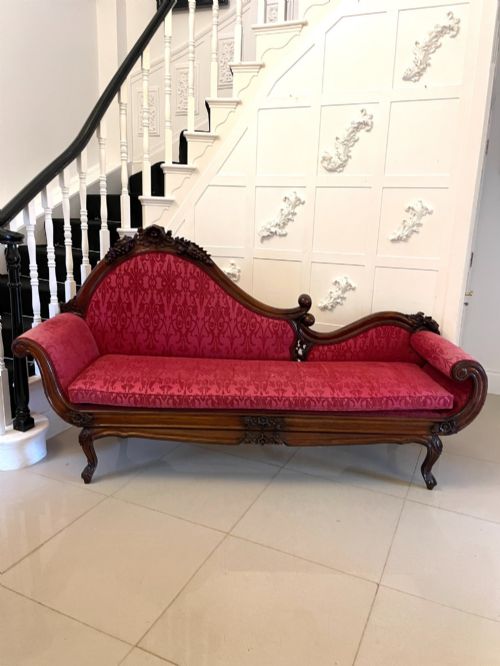
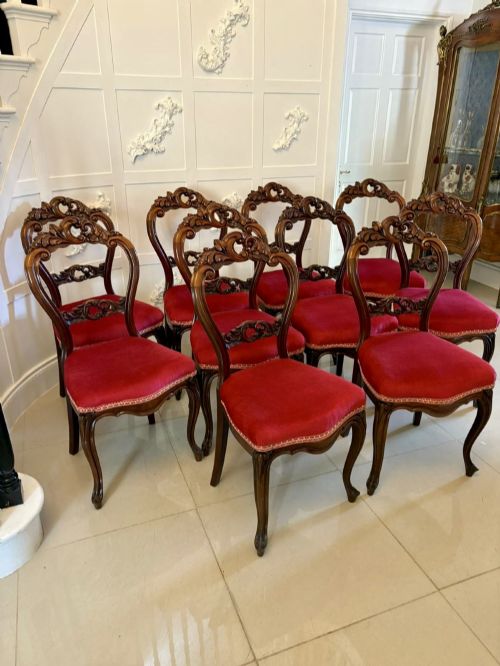
When you search for a victorian rococo chair, you encounter an array of seating forms designed during the nineteenth century, including armchairs, dining chairs, salon chairs, and chaise longues. Walnut and mahogany frame these pieces, often paired with rosewood and upholstered in velvet or textile fabrics.
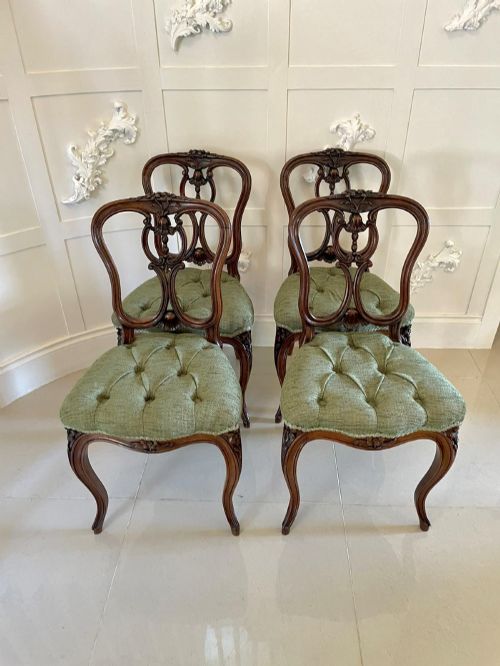
The version you are most likely to meet on this page is the walnut side chair or open armchair, dating from the mid to late nineteenth century. These forms display the revival styles characteristic of the period, particularly French Rococo Revival and Chippendale Revival.
Distinguishing Quality
The crispness and depth of the carved woodwork separate standard examples from finer pieces, particularly where floral motifs and scrollwork adorn the walnut or mahogany frames. Sharp, well-defined detailing on cabriole legs and spoon-backs indicates superior workshop production.
The choice of primary timber and the integrity of the original framing timbers dictate the structural longevity of the seating. Richly figured rosewood and high-grade walnut command greater attention than simpler utility timbers.
Some nineteenth-century gentlemen clearly demanded extra elbow room, given the generous proportions of surviving library armchairs.
The Victorian Rococo Chair Glossary
- Cabriole leg
- A furniture leg that curves out and then narrows inward, resembling an animal's leg in motion. This form appears frequently on nineteenth-century seating.
- Spoonback
- An upholstered chair back shaped in a concave oval resembling the bowl of a spoon. This design cradles the sitter.
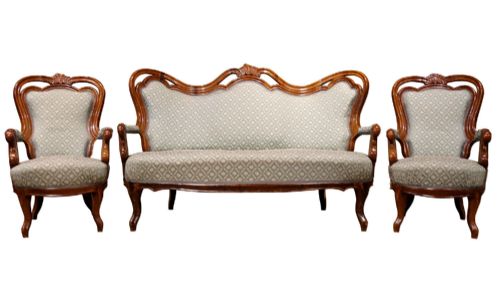
- Salon suite
- A matched set of seating furniture intended for a formal drawing room or parlour. These groupings usually comprise a settee and matching chairs.
- Pierced splat
- A vertical central strip of wood within a chair back that has been pierced or cut through to create a decorative pattern. It lightens the visual weight of the timber.
Victorian Rococo Chair: Frequently Asked Questions
How do I clean the fabric?
Vacuum textile and velvet surfaces gently with a soft brush attachment to remove dust without disturbing the pile. Avoid applying liquid cleaners directly to nineteenth-century upholstery.
Consult a professional textile conservator for deeper cleaning of antique fabrics to prevent water rings or shrinkage.
Are these chairs comfortable for daily use?
Many parlor and armchair designs offer supportive upholstered backs and padded seats suitable for regular sitting. Salon and side chairs feature firmer, upright posture suited to occasional dining or desk use.
Original padding may feel firmer or softer depending on whether the internal webbing has been restored over the decades.
Can I mix these with modern furniture?
The rich tones of walnut and rosewood pair effectively with contemporary minimalist interiors by adding textural contrast and historical depth. A single carved armchair anchors a modern seating arrangement without overwhelming the room.
Keep surrounding items simple to let the intricate woodwork and curved silhouettes stand out.
How do I date an 1850s chair?
Examine the joinery methods and timber characteristics visible beneath the seat frame or along the stretcher connections. Mid-century examples often display hand-carved detailing combined with early machine-sawn components.
Compare the specific scrollwork and cabriole leg profile against dated cabinetmaker records from the same decade.