






Rose Velvet Accent Chair
A rose velvet accent chair brings tactile warmth and period character to a room, offering a soft seating option rooted in nineteenth-century craftsmanship.
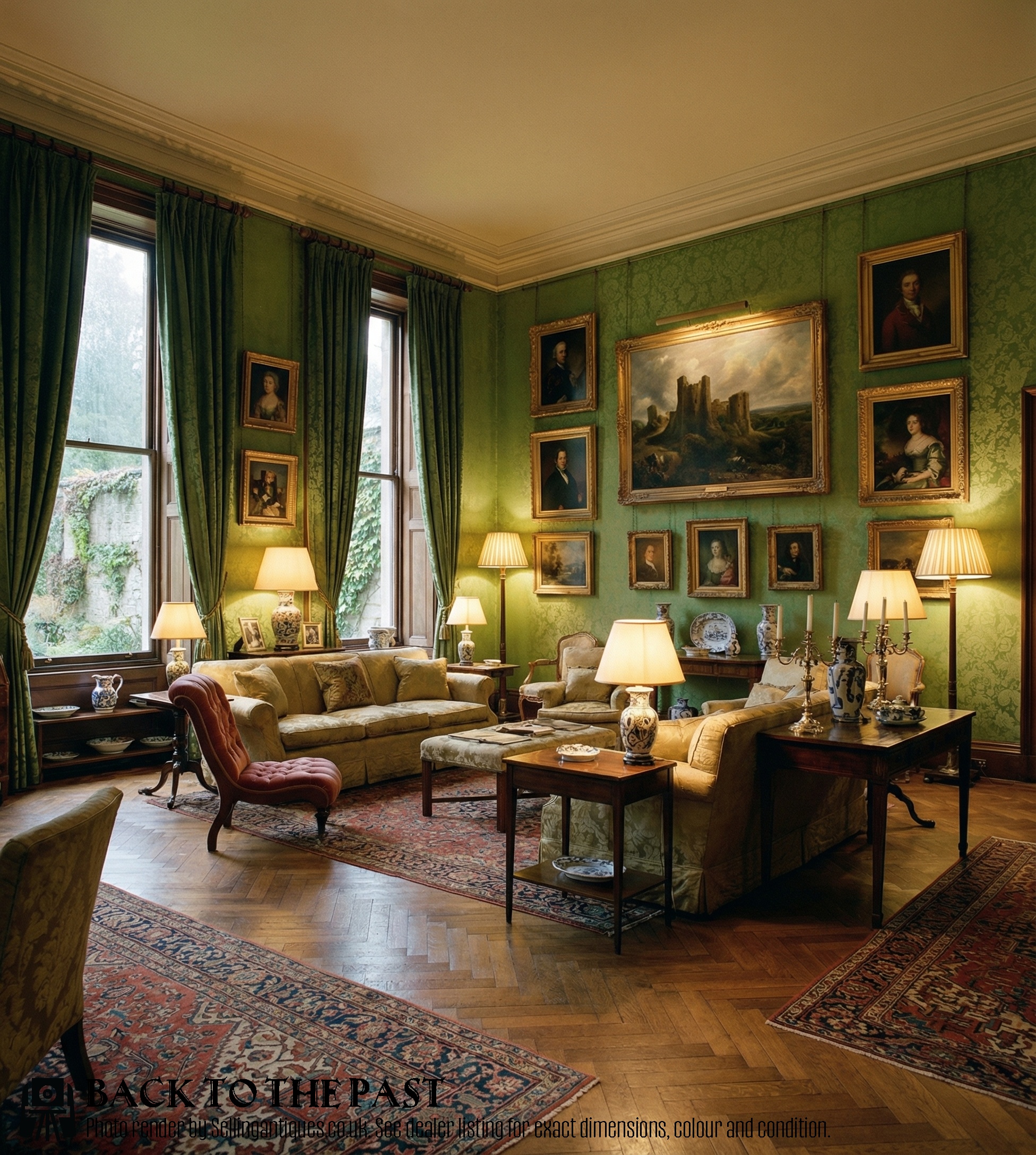
Rose Velvet Accent Chair
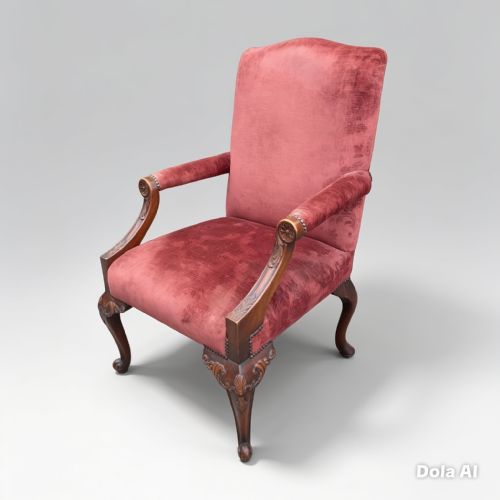
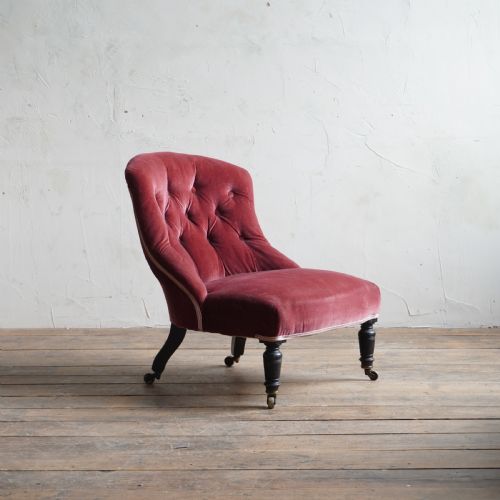
A rose velvet accent chair encompasses nineteenth-century seating forms such as nursing chairs, slipper chairs, open armchairs, library chairs, and fireside chairs. These pieces trace their origins to the Victorian era and the George III style, capturing the domestic comforts of the period.
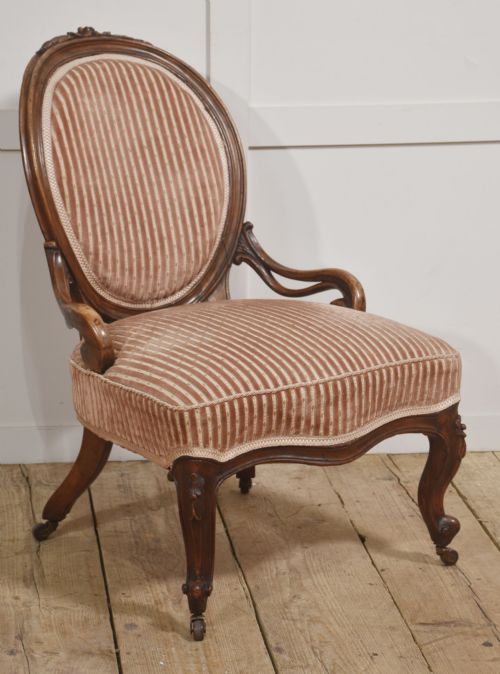
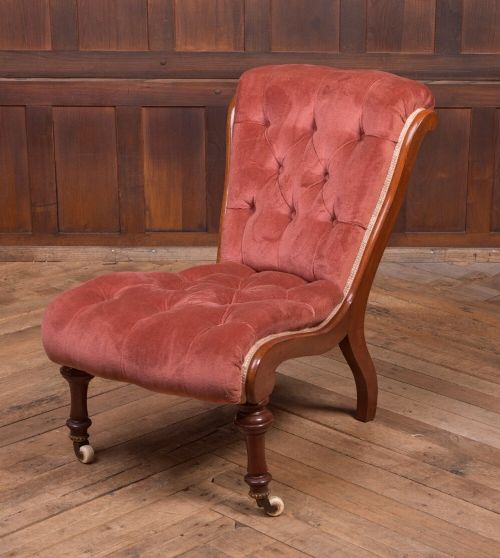
The version most commonly encountered on this page is the Victorian walnut or mahogany framed chair, upholstered in plush fabric and often featuring button backs or carved wooden details. Such pieces serve as functional seats and decorative focal points within a traditional interior.
Makers and workshops of the period produced these armchairs in various configurations, from low bedroom chairs to substantial library seats. Their compact proportions make them suitable for modern accent placement while retaining their historical integrity.
How they were made
Makers utilised solid timbers such as mahogany and walnut for the structural frames, often applying carved ornamentation along the crest rails and open arms. These hardwoods provided the necessary durability for everyday seating.
Upholstery techniques involved dense padding and durable textile covers, with velvet chosen for its rich pile and tactile depth. Brass elements sometimes appeared on castors or structural fittings, complementing the timber tones.
Listings on this site feature nineteenth-century seating constructed from walnut, mahogany, and hardwood, upholstered in velvet.
What varies in quality
The refinement of the timber carving sets superior examples apart, distinguishing workshop pieces with crisp detailing from simpler production. Carved oval backs and intricate woodwork reflect higher standards of design during the Victorian period.
The integrity of the frame construction and the quality of the timber grain influence the overall character of each armchair. Dense walnut and well-figured mahogany indicate careful material selection by the maker.
Gillows
The Rose Velvet Accent Chair Glossary
- Nursing chair
- A low-seated Victorian armchair designed originally for nursery use or comfortable sitting by a bedroom fire. These pieces typically feature a low profile and an upholstered back.
- Slipper chair
- An upholstered bedroom chair characterised by its low seat and absence of arms, historically used while putting on shoes. The style gained popularity during the nineteenth century.
- George III style
- A revival design aesthetic referencing the furniture forms of the late eighteenth century, often reinterpreted by nineteenth-century cabinet makers. It emphasises classical proportions and refined woodwork.
- Button back
- An upholstery technique where buttons are pulled deep into the padding to create a uniform diamond pattern. This method secures the filling and adds texture to the chair back.
Rose Velvet Accent Chair: Frequently Asked Questions
What is a rose velvet accent chair?
A rose velvet accent chair is a nineteenth-century upholstered seat, such as a nursing chair or library armchair, covered in pink or red velvet fabric.
These pieces combine period woodwork with soft textile upholstery to function as decorative and practical seating in a home.
How do I identify a Victorian armchair?
Victorian armchairs are identified by materials like walnut and mahogany, alongside characteristic forms such as button-backed upholstery and carved wooden frames.
They often date from the nineteenth century and reflect the domestic revival styles popular during that era.
Where were these chairs used historically?
Historically, these chairs served various rooms in the home, including bedrooms, libraries, and firesides. Low models were placed in chambers, while open armchairs suited public rooms.
Their specific heights and frame designs corresponded directly to their intended domestic function.
How do I care for antique velvet upholstery?
Caring for antique velvet involves gentle brushing to maintain the pile and keeping the fabric away from direct sunlight to prevent fading. Regular dusting preserves the textile.
Professional cleaning is recommended for antique upholstery to protect the underlying nineteenth-century materials.