


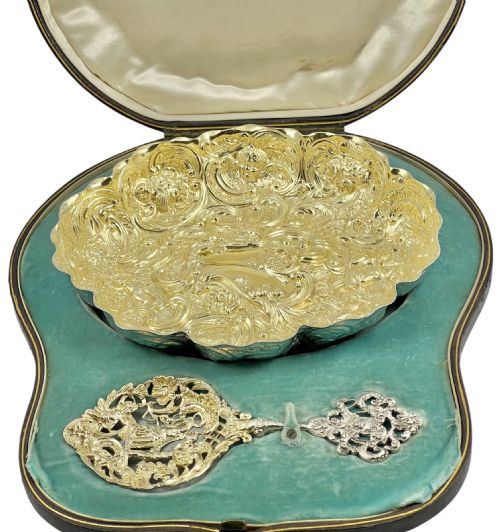


Victorian Repousse Silver Bowl
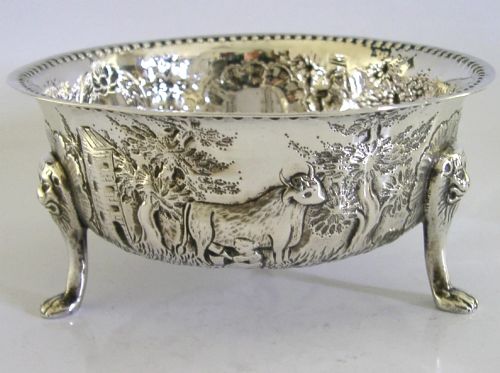
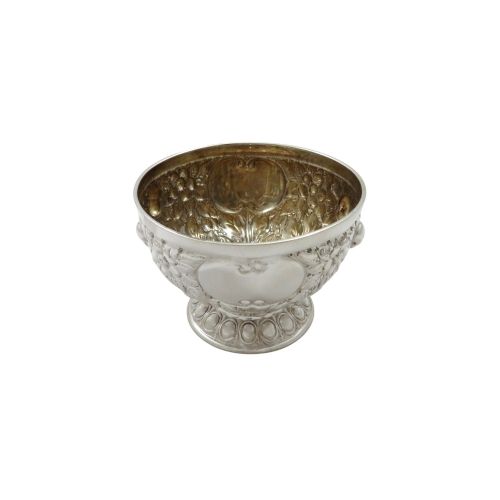
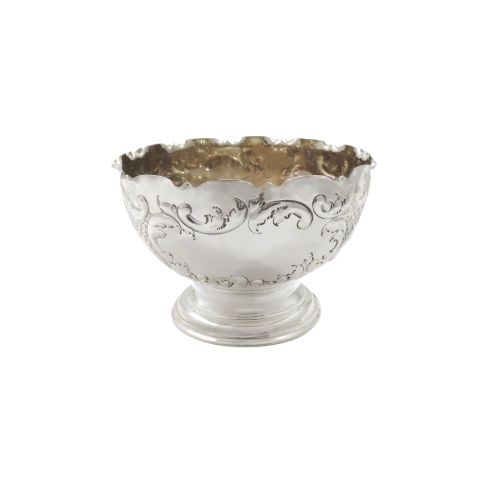
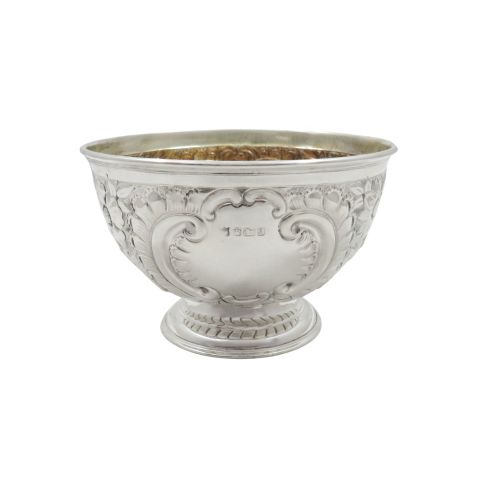
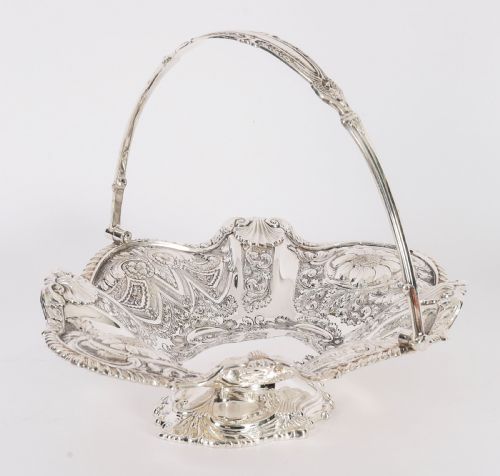
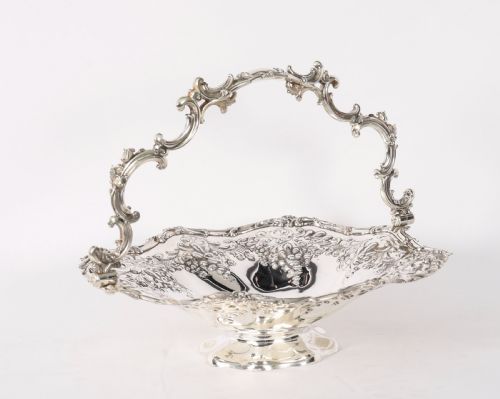
A victorian repousse silver bowl brings sculptural depth and raised floral or figural ornament to a table.
Victorian Repousse Silver Bowl
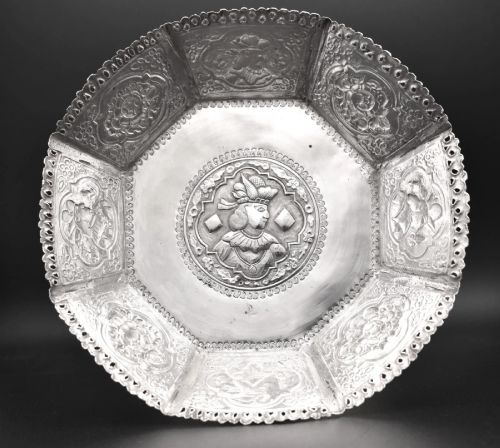
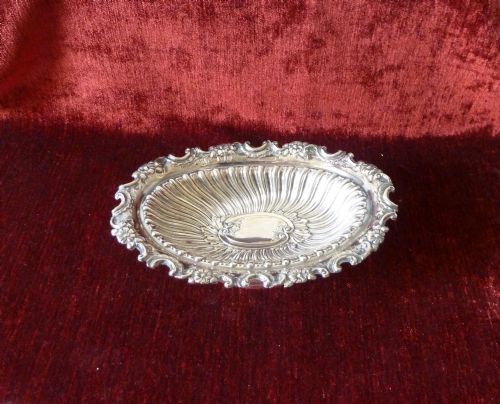
A buyer seeking a victorian repousse silver bowl finds hollowware shaped by hammering from the reverse to create raised motifs on the surface. These pieces range from small sugar baskets and bon bon dishes to large fruit bowls, punch bowls and tazzas.
Most examples date from the nineteenth century, carrying hallmarks from London and Sheffield alongside electroplated alternatives and imported Dutch or Anglo-Indian variants. Forms span pedestal feet, footed bowls, and pierced oval serving dishes designed for display or dining.
Materials and construction
Silversmiths worked solid sterling silver or applied heavy silver plating over base metals like bronze, utilising pitch bowls to support the metal while hammering the design from behind. Artisans then refined the raised details from the front using punches and chisels to add texture and depth to floral and bird decoration.
Gilding was applied inside selected bowls to protect the metal from acidic fruits or sugar, while fitted cases occasionally lined interiors in velvet and leather for presentation sets.
Victorian dining tables often featured matching berry spoons so guests could serve soft fruit without staining their fingers.
Distinguishing quality
The definition and crispness of the chased and hammered relief separate standard production from superior examples, as skilled hands achieved greater depth without thinning the metal wall. Maker marks from established firms such as Elkington and Martin Hall indicate workshop standards and London or Sheffield assay office provenance.
Weight relative to size signals substance in solid sterling pieces, while the survival of original silver gilt interiors or fitted presentation cases adds historical integrity to the object.
James W. Scott & Sons Ltd·James Hennell·Martin Hall·Elkington & Co·James Dixon·George Fox
The Victorian Repousse Silver Bowl Glossary
- Repoussé
- A metalworking technique where the artisan hammers the design from the reverse side to form a raised relief on the front. Fine examples show crisp detailing and careful hand-chasing on the exterior surface.
- Sterling silver
- An alloy consisting of pure silver and other metals, usually copper, meeting a specific millesimal fineness standard. British pieces typically display a leopard head and lion passant alongside the date letter.
- Silver gilt
- Sterling silver that has been coated with a thin layer of gold on the surface. This technique was frequently utilised inside sugar bowls and caddy spoons to prevent tarnishing from food acids.
- Tazza
- An ornate shallow bowl or cup mounted upon a stem and foot, often used for serving fruit or sweets. These elevated pieces display prominent repoussé decoration across the shallow basin.
- Punch bowl
- A large vessel intended for mixing and serving communal drinks during social gatherings. Nineteenth-century versions often feature deep bodies covered in dense floral or figural repoussé work.
Victorian Repousse Silver Bowl: Frequently Asked Questions
How are these bowls cleaned safely?
Solid silver and plated surfaces require a soft cloth and gentle silver polish to avoid wearing down the raised repoussé details. Harsh dips strip the historical patina accumulated in the recesses of the hammered design.
Water and mild soap suffice for routine dusting, followed by immediate drying with a lint-free cloth to prevent spotting.
What was the original purpose of a fruit basket?
Fruit baskets and footed bowls held seasonal produce on dining tables or sideboards during Victorian meals. Their pierced or solid walls allowed air circulation around delicate orchard fruits.
Guests selected items directly from the table centrepiece during formal dining courses.
How do you date a Victorian hallmarked piece?
British hallmarks include a standard mark for the silver purity, an assay office symbol such as the leopard for London, and a sequential date letter. Matching this letter against standard reference tables reveals the exact year of assay.
Maker marks stamped alongside the assay stamps identify the specific silversmith workshop responsible for the piece.
Can silver plated bowls be used daily?
Electroplated nickel silver and plated bronze items withstand regular use provided abrasive scourers are kept away from the surface. The underlying base metal remains protected beneath the silver layer if cleaning is handled gently.
Avoid leaving acidic foods or moisture sitting in plated vessels for extended periods.