
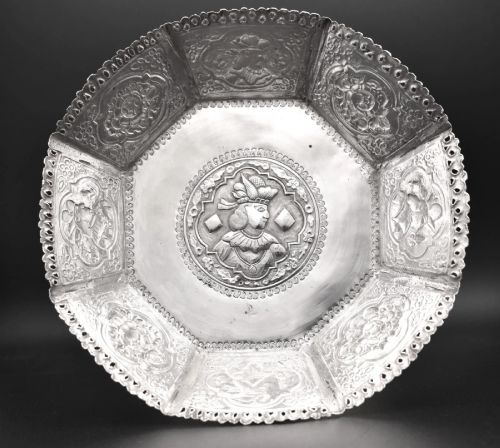


Decorative Silver Pedestal Bowl
These decorative silver pedestal bowl pieces bring height and presence to a table, combining raised forms with silver, plate, pewter, and bronze to hold fruit or anchor a room.
Decorative Silver Pedestal Bowl
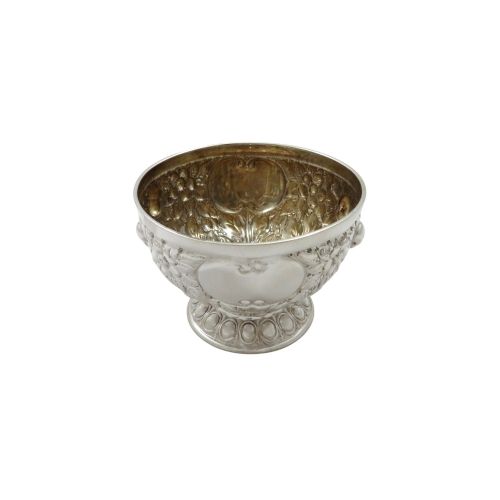
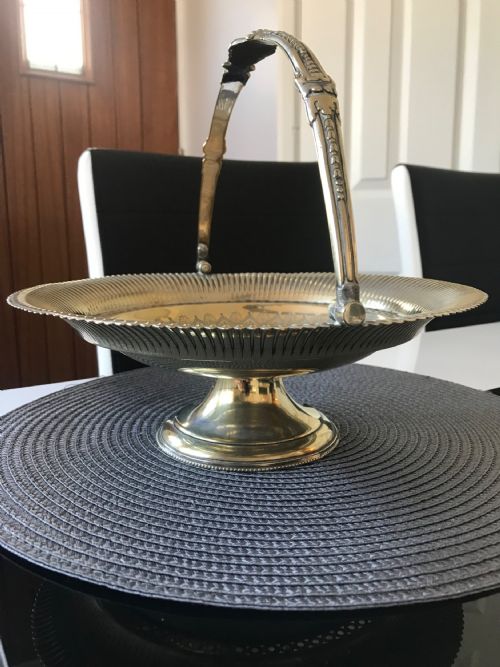
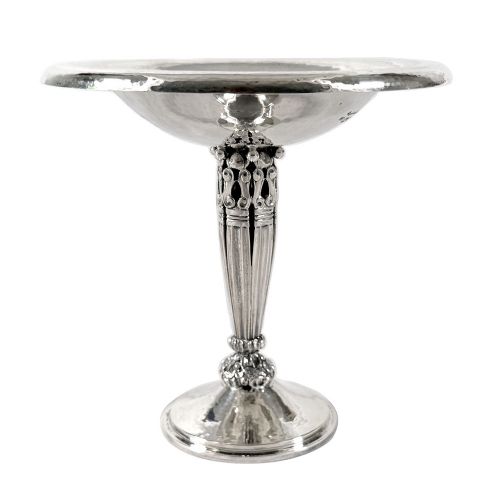
A decorative silver pedestal bowl sits upon a raised foot or column, taking forms such as tazzas, comports, centrepieces, and footed baskets. They serve as focal points on dining tables, sideboards, and cabinets, lifting fruit or floral displays above the surface.
The versions met on this page span the Victorian era, the 1900s, the 1920s, and the 1930s, alongside nineteenth-century examples. Origin styles range from English Victorian and Arts and Crafts to Neoclassical, Art Deco, Austrian Jugendstil, Anglo-Indian, and Thai.
How they were made
Makers shaped these pieces from sterling silver, solid silver, silver plate, electroplated nickel silver, pewter, bronze, and brass. Many examples incorporate intricate handcrafting, repoussé work, and cut glass inserts paired with metal frames.
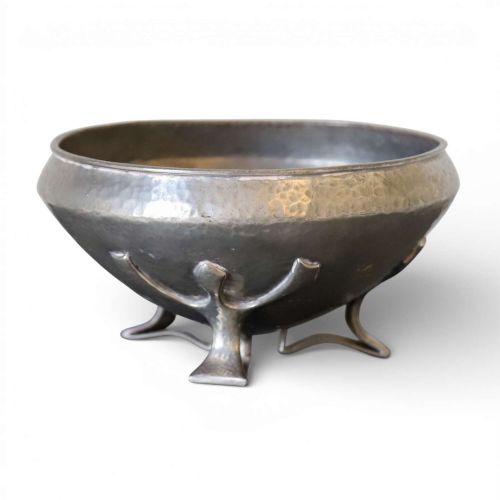
Casting and plating techniques allowed workshops to produce substantial footed bowls and centrepieces with handles and complex decorative borders. Pewter was cast into distinct Arts and Crafts designs, whilst silver and bronze were worked into classical tazzas.
Listings feature periods from the nineteenth century through the 1930s, including Victorian, Arts and Crafts, Neoclassical, Art Deco, and Austrian Jugendstil styles.
What varies in quality
Quality rests upon the crispness of the hand-worked detail, such as repoussé relief and cast ornamentation, and the integrity of the base materials. Sterling silver and solid silver pieces hold intrinsic metal value, whilst plated and pewter versions depend entirely on the skill of the design and execution.
The balance of the pedestal and the weight of the bowl dictate its stability and presence on a table. Maker attribution to known firms like Liberty & Co or Charles Boyton elevates the standing of a piece.
Liberty & Co·Oliver Baker·Charles Boyton·Elkington & Co
The Decorative Silver Pedestal Bowl Glossary
- Tazza
- A shallow bowl or plate mounted on a pedestal foot. Originating from the Italian for cup, it frequently functions for serving fruit or sweets.
- Comport
- An ornamental dish raised on a foot, used for dessert or table decoration. It shares the elevated format of the pedestal bowl.
- Repoussé
- A metalworking technique where the artisan hammers the design from the reverse side to form a raised pattern. This creates deep, tactile surface decoration on silver and other metals.
- Electroplated nickel silver
- Base metal coated with a thin layer of silver through an electrical process. It provided an accessible alternative to solid silver during the nineteenth and twentieth centuries.
- Centrepiece
- A large decorative object placed in the middle of a dining table. These often take the form of elaborate footed bowls or multi-part silver plate and cut glass assemblies.
Decorative Silver Pedestal Bowl: Frequently Asked Questions
What is a pedestal bowl used for?
These elevated vessels serve primarily as table decorations, centrepieces, or containers for fruit and small items. Their raised design lifts displays off the surface to create visual height.
Historically, they occupied the middle of dining tables or sideboards, functioning both as decorative objects and practical serving pieces for dessert.
How do I date a silver pedestal bowl?
Dating relies on hallmarks, maker stamps, and stylistic markers tied to specific eras like the Victorian period, Arts and Crafts movement, or Art Deco. Examining the construction technique also helps.
Silver pieces often carry date letters and assay marks, whereas pewter and plated items depend on model numbers and stylistic details characteristic of their decade.
How do I care for silver plate and pewter?
Silver plate requires gentle cleaning with appropriate polishes to maintain the finish without wearing through the underlying metal. Pewter benefits from mild soap and water.
Avoiding abrasive cloths prevents scratching on softer metals like pewter and preserves the thin plating on electroplated items.