

Victorian Pottery Vessels
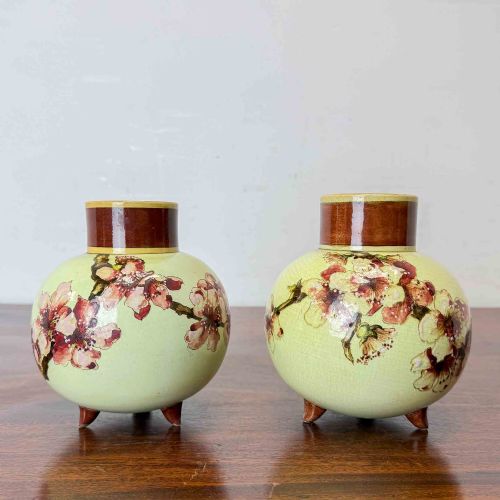
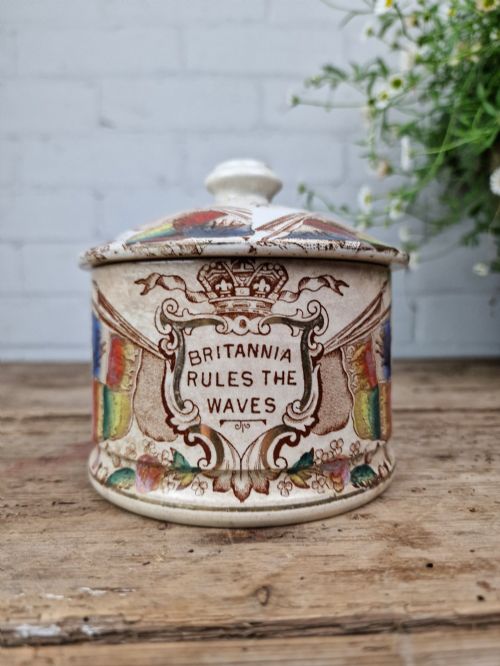
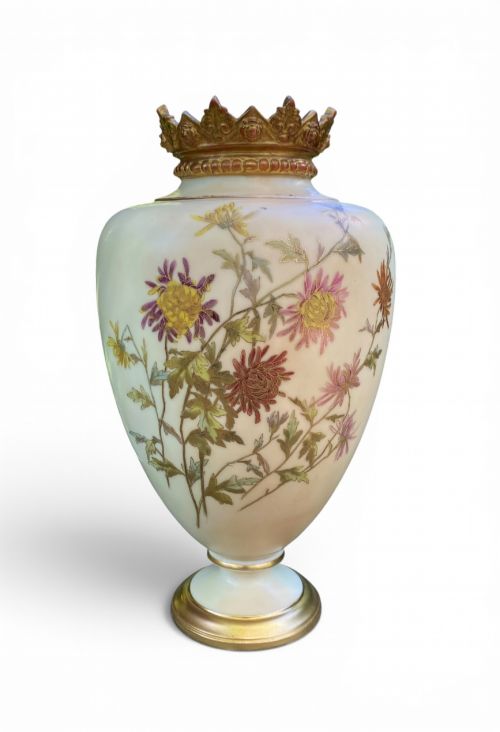
These Victorian pottery vessels bring tactile weight and rich decorative history directly to a table, mantelpiece or sideboard.
Victorian Pottery Vessels
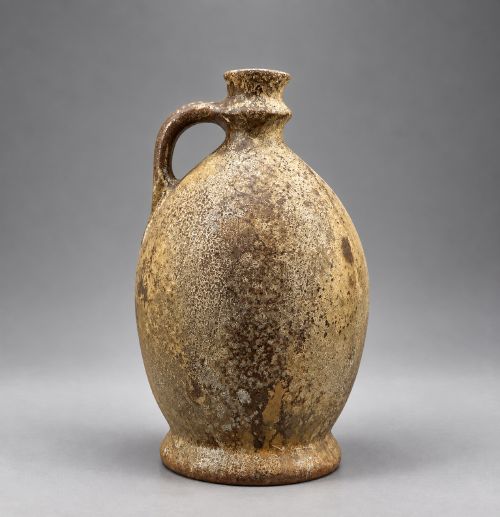
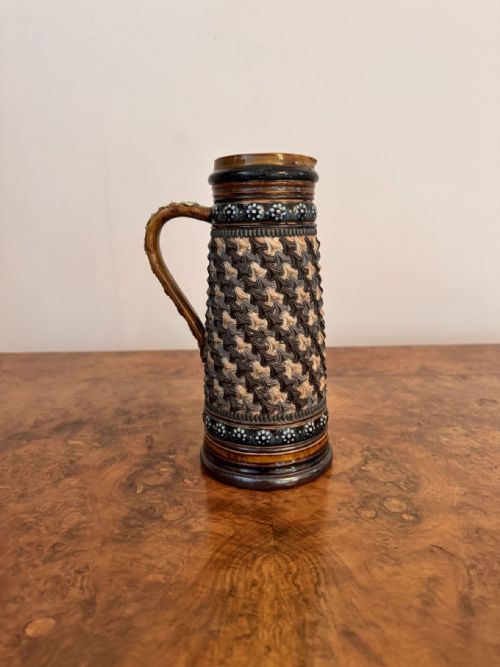
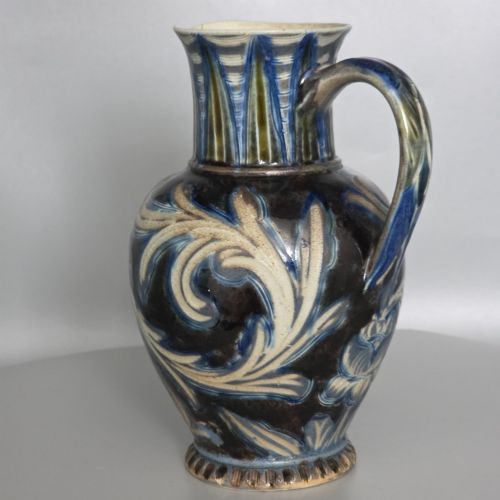
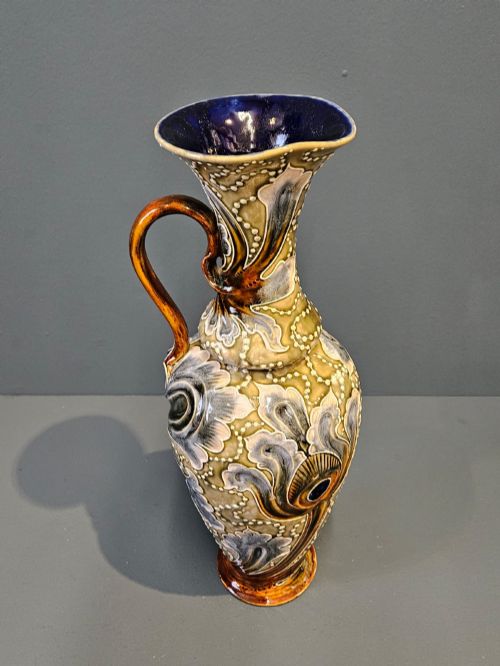
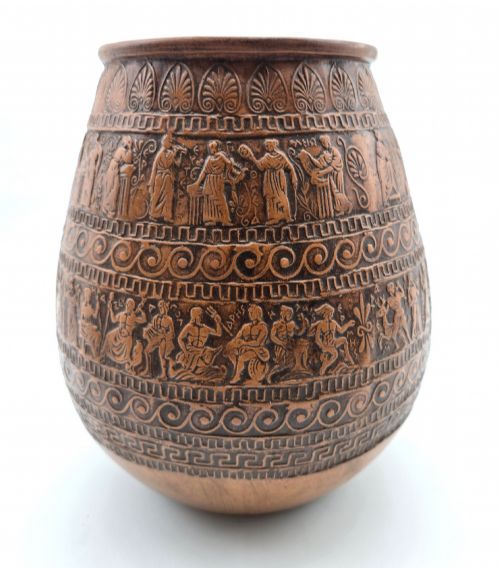
When you search for victorian pottery vessels, you encounter an array of functional and ornamental forms produced during the nineteenth century. The most common examples meeting you on this page are salt-glazed stoneware jugs, earthenware vases, and decorative ewers originating from workshops like Doulton Lambeth.
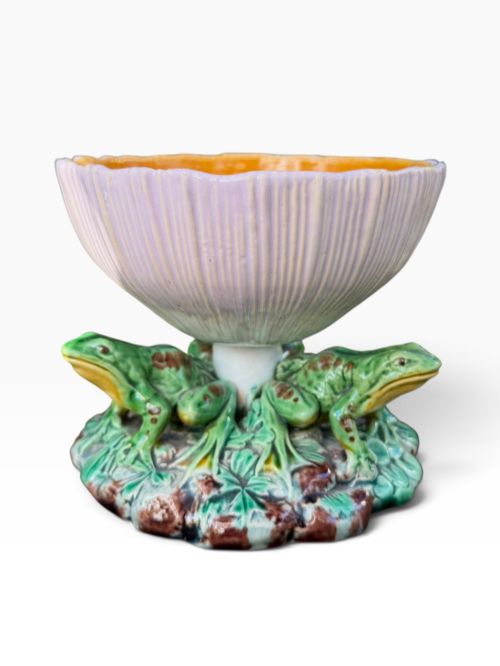
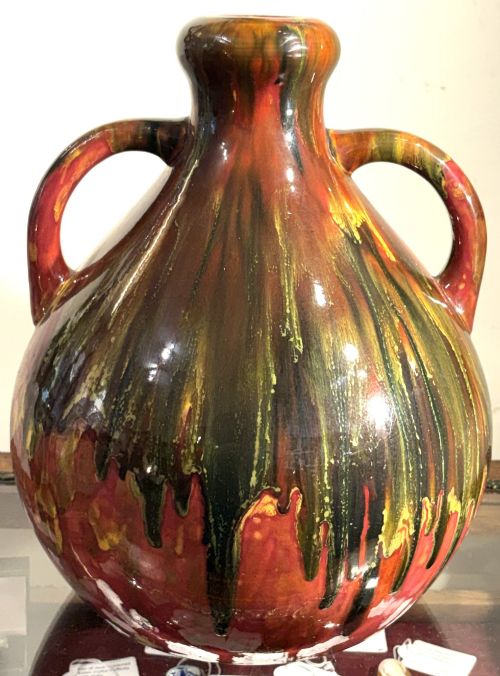
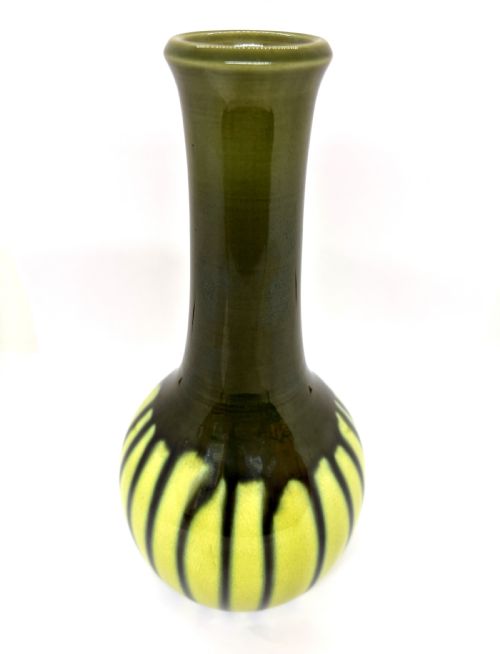
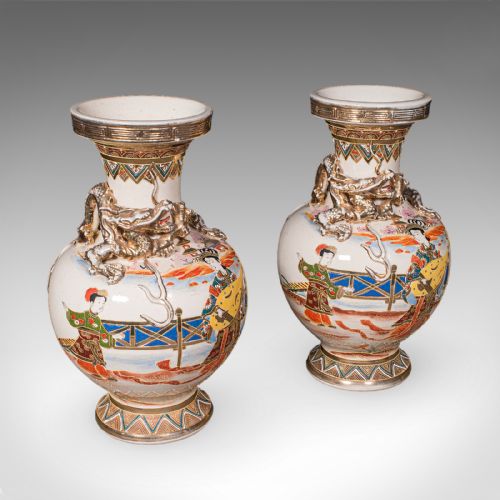
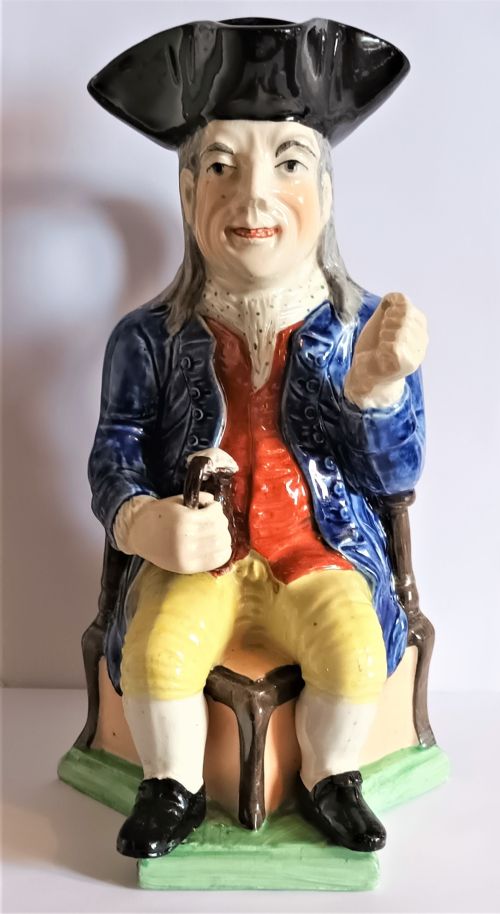
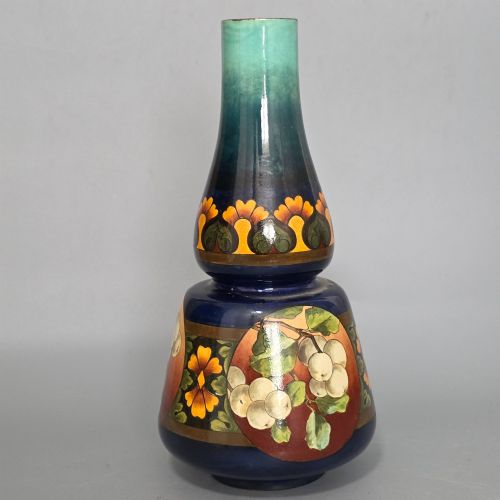
The selection ranges from robust kitchenalia and tavern jugs to highly finished faience and art pottery vases shaped during the Arts and Crafts and Aesthetic movements. Makers utilised diverse international influences, incorporating Japanese Satsuma styles and Chinese motifs alongside traditional English Staffordshire figures.
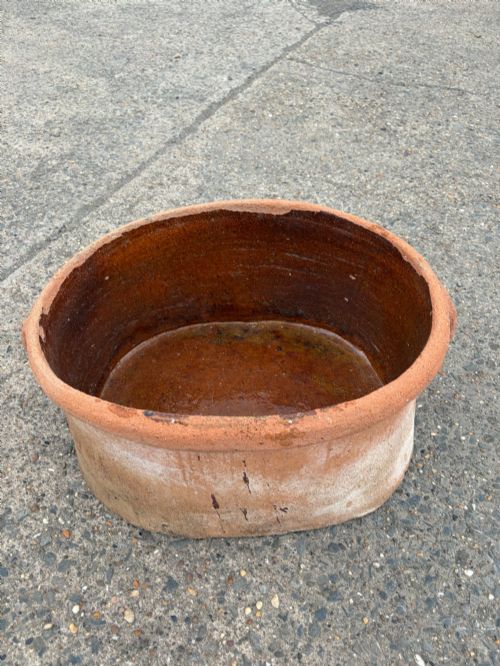
Forms span from simple butter dishes and chamber pots to monumental stick stands, jardiniere, and grand tour terracotta vases. Each piece reflects the utility and decorative ambition characteristic of the period.
How they were made
Potters shaped these vessels using stoneware, earthenware, terracotta, and porcelain, applying glazes and enamel to seal the ceramic body and add colour. Many Doulton Lambeth pieces rely on dense salt glaze, where salt thrown into the kiln during firing produces a characteristic textured finish.
Decoration involved incised patterns, slip trailing, and hand-painting by notable artists using faience techniques. Selected pieces incorporate added detail through silver mounts, gold leaf, or applied terracotta and stoneware reliefs.
Among the drinking vessels hides a multicoloured pottery loving cup featuring a modelled frog and newt peering up from the rim.
What varies in quality
Quality rests on the crispness of the incised or moulded decoration and the control shown in the glazing process. Pieces bearing the signature or monogram of recognised studio artists command attention through superior hand-painted detail and depth of design.
The distinction also lies in the ambition of the form, separating standard utilitarian items like tavern jugs from complex art pottery vases and elaborate faience jardiniere created for domestic display.
Doulton Lambeth·Royal Doulton·Royal Worcester·Burmantoft s Pottery·Kinkozan
The Victorian Pottery Vessels Glossary
- Salt glaze
- A vitreous coating formed by throwing common salt into the kiln at peak temperature, resulting in a textured surface resembling orange peel.
- Faience
- Tin-glazed earthenware decorated with painted designs before firing, permitting fine pictorial and botanical illustration across vases and plaques.
- Toby jug
- A pottery jug modelled as a stout, full-length or seated figure, typically wearing eighteenth-century costume and holding a mug of beer.
- Jardiniere
- A large ornamental pot or stand designed to hold a growing plant or floral arrangement within a room.
- Ewer
- A large jug with a wide spout and curved handle, historically used for pouring water but valued here for its sculptural silhouette.
Victorian Pottery Vessels: Frequently Asked Questions
What are victorian pottery vessels made of?
These pieces are formed from various ceramic bodies including stoneware, earthenware, terracotta, and porcelain.
Makers coated these materials with glazes, enamels, and salt finishes to achieve durable surfaces and decorative colours.
How do I identify a Doulton Lambeth piece?
Doulton Lambeth items typically feature distinctive stoneware bodies combined with incised or applied decoration, often bearing specific factory stamps and artist initials.
Many examples also incorporate salt glazing or specialised faience techniques developed during the late nineteenth century.
Were these vessels used daily?
Many objects served practical domestic functions, including kitchenware, chamber pots, butter dishes, and tavern jugs for pouring drinks.
Others, such as decorative ewers and art pottery vases, were created purely for display on mantelpieces and tables.
How do I style them at home?
You can display these vessels individually as sculptural focal points or group them by material like stoneware or earthenware for visual impact.
Larger pieces such as jardiniere and stick stands work well holding plants or walking canes in hallways and living spaces.