


Victorian Porcelain Table Lamp
A victorian porcelain table lamp brings soft warmth and ornate nineteenth-century character to an interior.
Victorian Porcelain Table Lamp
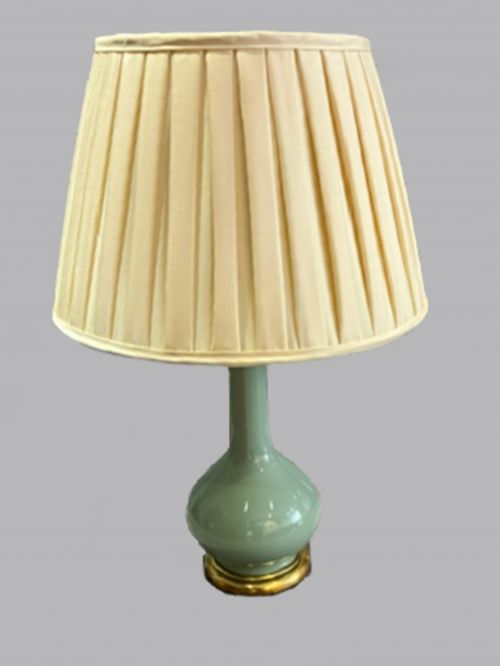
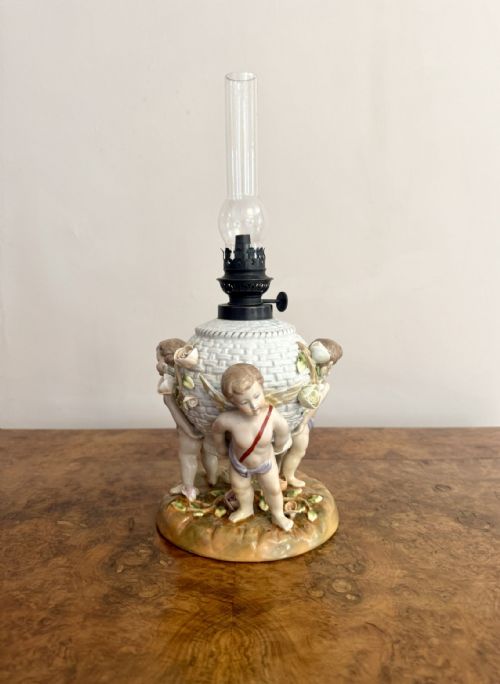
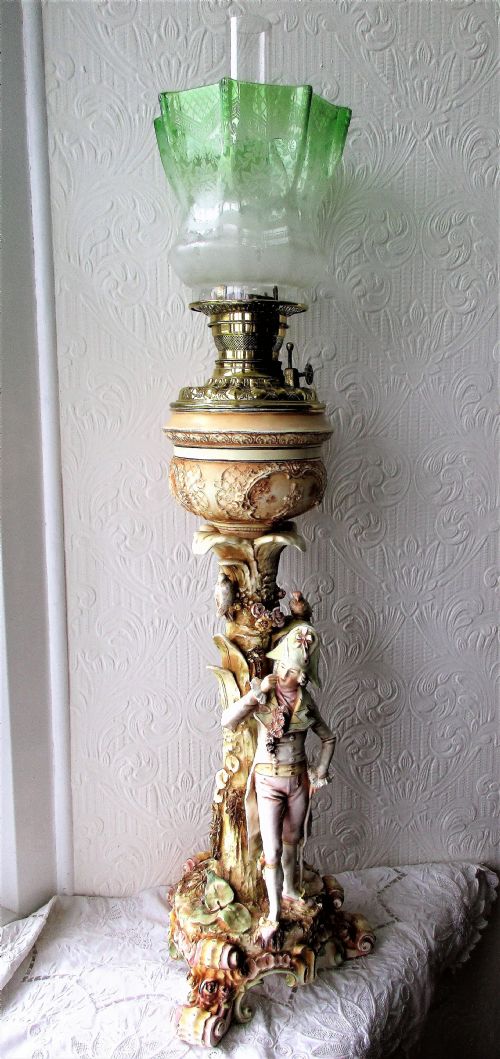
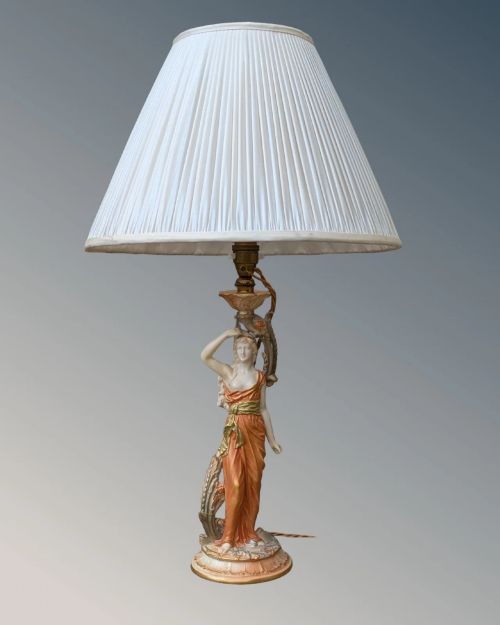
A victorian porcelain table lamp combines nineteenth-century ceramic bodies with functional lighting mounts, originating from British, French, and German kilns. These pieces take the form of table lamps and converted oil lamps, often paired with fabric or silk shades.
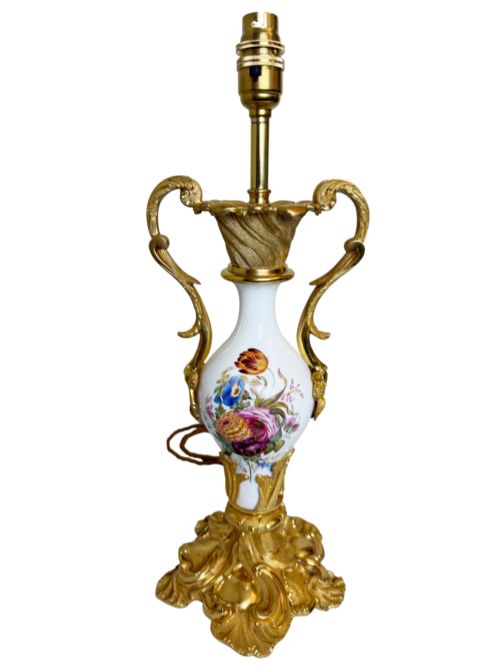
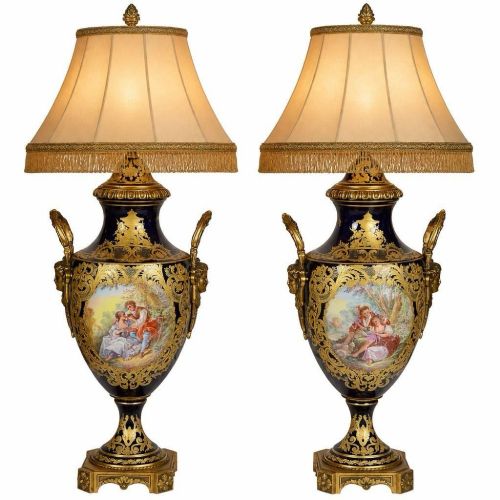
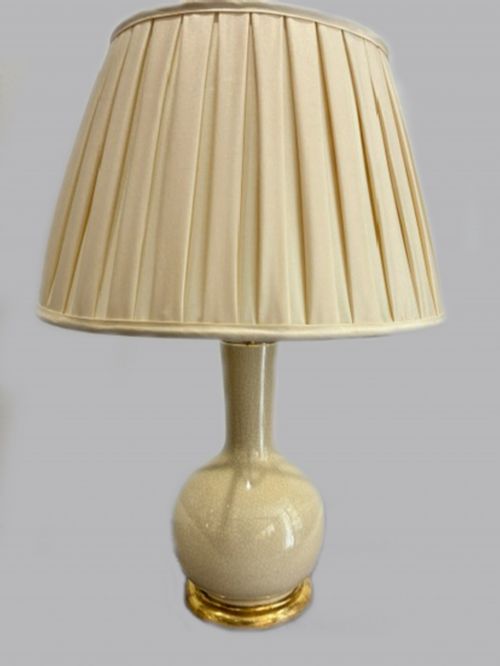
Makers drew on diverse aesthetic movements, producing items in Rococo Revival, Chinoiserie, and Greek Revival styles. Pieces range from modest cream and gilt ceramics to large decorative pairs mounted in ormolu and gilt brass.
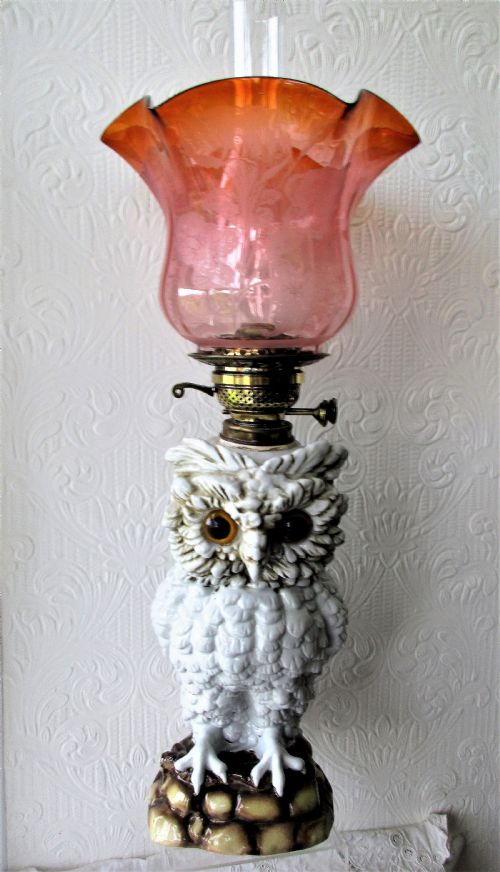
The material palette extends to Chinese Export styles, including Canton, Famille Rose, and Imari palettes. Buyers encounter figural designs shaped as owls and dogs alongside classical vases.
How they were made
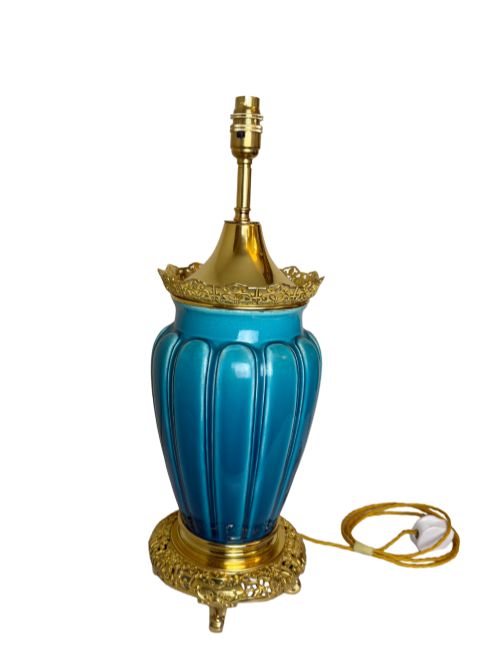
Potters shaped porcelain, china, and ceramic bodies before applying intricate glazes, hand-painted floral motifs, and specialist techniques like pate-sur-pate. Many pieces incorporate crackle-ware finishes or deep-toned grounds such as turquoise blue and bleu celeste.
Metalworkers mounted the porcelain bodies in brass, gilt bronze, and ormolu, adding pierced mounts and ornamental handles. Workshops utilised existing ceramic vases, urns, and spill vases, adapting them into lighting fixtures with fitted burners and collars.
Current listings feature pieces spanning the nineteenth century, including specific dates such as 1860, 1880, 1890, and 1900.
What varies in quality
Quality rests upon the crispness of the porcelain modelling and the depth of the hand-painted decoration. Finer examples display meticulous brushwork on figural elements and floral designs, whereas simpler items rely on plain glazed grounds with minimal gilt trim.
The mounting work distinguishes standard items from exceptional pieces. Superior lamps feature finely chased ormolu and heavy brass mounts that fit the ceramic body precisely, while lesser examples show simpler metal fittings and looser joins.
Sitzendorf·Meissen·Royal Worcester·Samuel Alcock
The Victorian Porcelain Table Lamp Glossary
- Ormolu
- Gilded bronze mounts applied to furniture and porcelain vessels. This technique adds decorative metal framing to nineteenth-century ceramic bases.
- Pate-sur-pate
- A ceramic decoration method where wet porcelain slip is built up in layers on a contrasting body. This creates a low-relief cameo effect on fine lamp bases.
- Famille Rose
- A Chinese ceramic palette dominated by opaque pink enamel colours. It appears frequently on nineteenth-century export vases adapted into lighting.
- Bleu Celeste
- A bright turquoise blue glaze developed at the Sevres pottery. This distinct colour characterises many French nineteenth-century porcelain pieces.
Victorian Porcelain Table Lamp: Frequently Asked Questions
Were these lamps originally oil lamps?
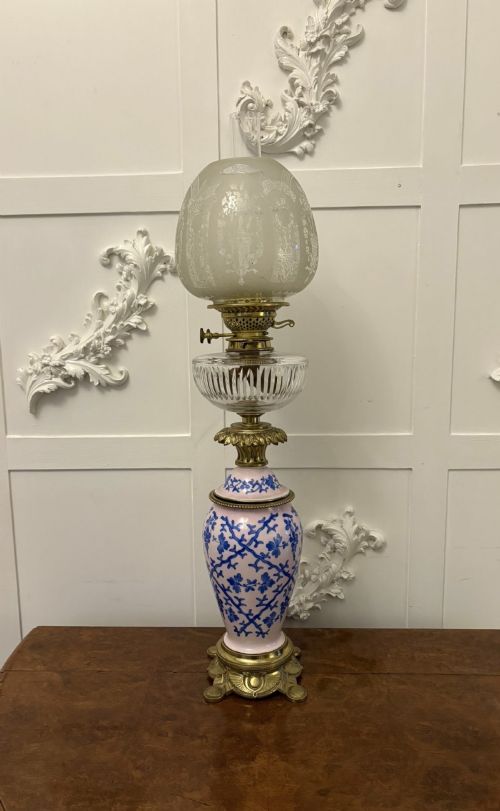
Many nineteenth-century lighting pieces began as oil lamps before conversion to electricity. These often retain burners, fonts, and heavy metal collars from their original period of use.
Other examples started as decorative vases or urns, which were subsequently adapted into table lights by adding electrical wiring and mounts.
How do I identify French pieces?
French nineteenth-century lamps frequently employ Sevres style porcelain bodies paired with elaborate ormolu mounts. Look for rich blue grounds, gilt bronze trim, and classical urn forms characteristic of French chateau aesthetics.
Maker styles from this origin often show strong Rococo Revival influences, featuring scrollwork and naturalistic leaf motifs in the metal mounting.
What is Chinese export porcelain?
Chinese export porcelain refers to ceramics made in China specifically for Western markets during the nineteenth century. These items include Canton, Famille Rose, and Imari patterns featuring hand-painted panels and floral motifs.
Such vessels were routinely imported to Europe and fitted with brass or ormolu mounts to serve as table lighting in wealthy Victorian homes.
How should I clean porcelain lamps?
Dust the porcelain body and fabric shade gently with a soft, dry cloth. Avoid using harsh chemical cleaners that might damage hand-painted enamel decoration or vintage glazes.
Take care around metal mounts such as brass and ormolu, using specialist metal cleaners only when necessary and keeping moisture away from electrical components.