


German Porcelain Table Lamps
German porcelain table lamps bring theatrical presence and intricate ceramic modelling into a room, spanning Victorian figural designs and later decorative forms.
German Porcelain Table Lamps
When you search for german porcelain table lamps, you find a specialised selection of nineteenth and early twentieth-century lighting fixtures that integrate detailed ceramic figures or pierced vessels. The selection on this page relies heavily on nineteenth century Victorian pieces, alongside items from around eighteen eighty and nineteen hundred, plus later Art Deco examples.
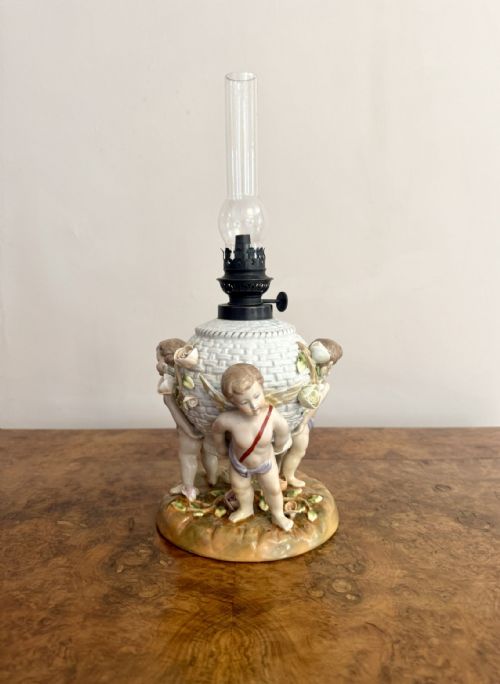
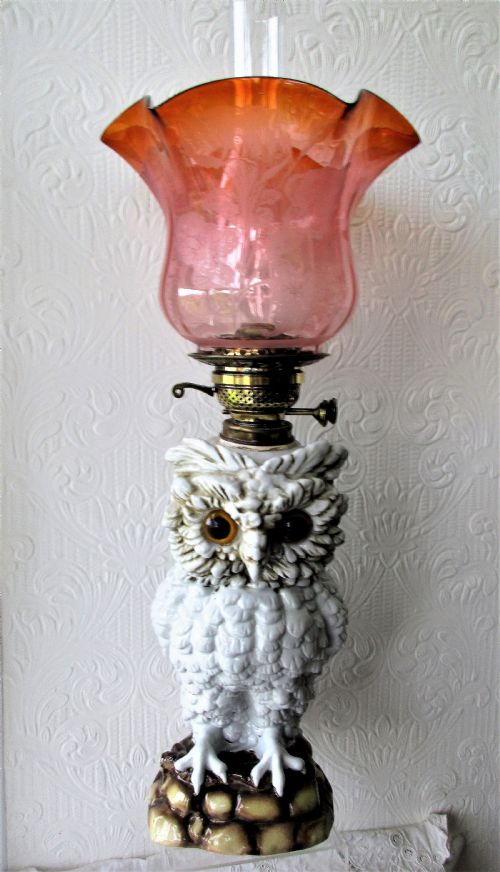
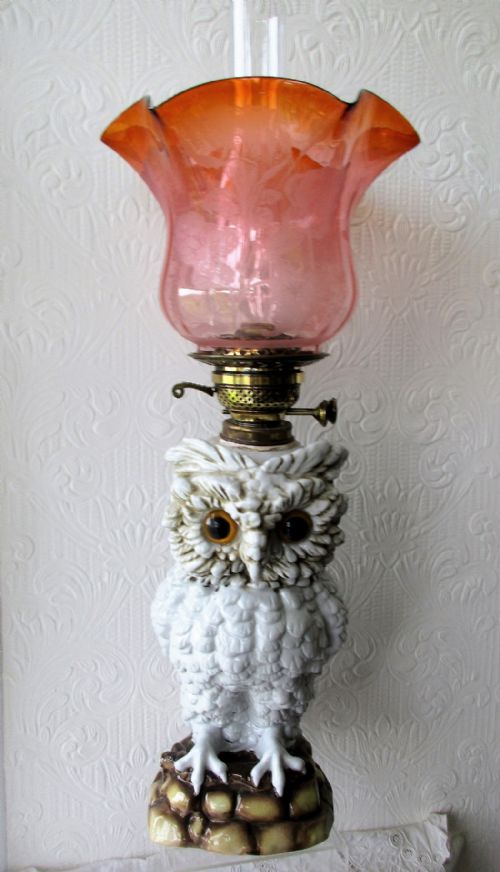
The dominant forms are figural and oil lamps adapted for electricity, often depicting animals, birds, or cherubs alongside traditional vases. You encounter owl lamps, spitz dog lamps, Pierrot figures, and cherub motifs rendered in porcelain and paired with materials like brass, glass, and fabric shades.
Originating from renowned German manufacturing centres, these table lamps range from exuberant Rococo Revival compositions to whimsical novelty pieces and cleaner twentieth-century lines. They function primarily as decorative statement pieces that illuminate a space while displaying elaborate hand-painted details and sculptural depth.
How they were made
Makers shaped these german porcelain table lamps through skilful moulding and modelling of ceramic bodies, often combining delicate hand-painted decoration with glazed and biscuit finishes. Pierced ceramic work appears on vases adapted for lighting, requiring precise cutting before firing.
Mounts and structural elements frequently incorporate brass and glass components to support the conversion from original oil configurations to electrical table lamps. Silk and fabric elements complete the construction, particularly in the shades paired with these nineteenth and early twentieth-century bodies.
Listings feature periods spanning the nineteenth century, eighteen eighty, nineteen hundred, and nineteen twenty, alongside styles from Victorian Rococo Revival to Art Deco.
What varies in quality
The artistic ambition of the modelling separates standard decorative items from superior examples, particularly in figural subjects such as owls, dogs, and human characters. Finer pieces demonstrate sharper sculptural definition in feathers, fur, and facial expressions, whereas lesser items rely on simpler surface decoration.
The crispness of the hand-painted detailing and the refinement of any applied gilt or floral elements dictate the visual hierarchy. Preservation of the original ceramic body and the integration of brass mounts also influence the standing of an individual lamp.
Sitzendorf·Karl Ens·Anton Buschelberger·Meissen·Ernst Bohne and Sohn
The German Porcelain Table Lamps Glossary
- Biscuit porcelain
- Unglazed ceramic body fired to a matte, tactile finish that highlights sculptural detail. It often appears on figural elements where a soft texture is preferred over a glossy glaze.
- Rococo Revival
- Nineteenth-century design style drawing on eighteenth-century French motifs, featuring asymmetric scrolls, naturalistic shell forms, and abundant floral ornamentation. This style dominates many nineteenth-century lighting pieces.
- Oil lamp
- Lighting device burning fuel through a wick, which many older ceramic pieces represent or incorporate. Later conversions adapt these containers to hold electrical fittings.
- Pierced work
- Technique involving the cutting or piercing of wet clay before firing to create openwork patterns. This method appears on decorative vases and lamp bodies to allow light or air to pass through.
German Porcelain Table Lamps: Frequently Asked Questions
Are these lamps converted oil lamps?
Many examples began life as nineteenth-century oil lamps before receiving electrical wiring for modern domestic use. This heritage accounts for the substantial ceramic reservoirs and brass collars found on numerous pieces.
Other items utilise decorative porcelain vases or sculptural figures originally created for display, which were subsequently fitted for electrical lighting during or after their period of manufacture.
How do I date a German porcelain lamp?
Dating relies on stylistic markers such as Victorian Rococo Revival ornamentation, Art Deco geometry, or specific sculptural subjects typical of late nineteenth and early twentieth-century production. Maker marks stamped or painted on the porcelain base provide definitive chronological clues.
The materials used for mounts, switches, and internal wiring also help establish whether a lamp dates from the eighteen eighties, nineteen hundred, or the nineteen twenties.
Where should I place a figural lamp?
Figural pieces depicting animals, birds, or human characters require prominent placement on side tables, desks, or pedestals where their sculptural detail remains visible. They serve as focal points in a room rather than background lighting.
Ensuring adequate clearance around the porcelain body protects delicate elements like outstretched wings, applied floral motifs, or detailed hand-painted surfaces from accidental knocks.
How do I care for antique porcelain lamps?
Dust the ceramic body gently with a soft, dry brush to prevent the accumulation of dirt within intricate mouldings and pierced sections. Avoid harsh cleaning agents that might damage hand-painted overglaze decoration or gilt highlights.
Check the electrical components periodically, preferably consulting a qualified professional to ensure the safety of older wiring housed within antique lamp bases.