



Victorian Porcelain China
Victorian porcelain china brings nineteenth-century dining and display tables to life with rich floral enamel, Imari patterns, and gilt detailing.
Victorian Porcelain China
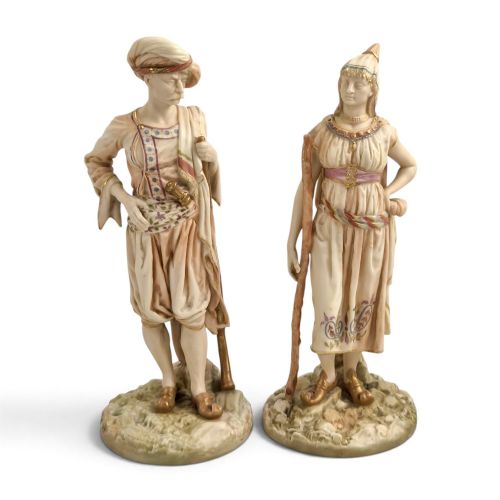
When you search for victorian porcelain china, you enter a diverse field of nineteenth-century ceramic wares spanning formal dinner services, cabinet plates, and decorative vases. These items range from early nineteenth-century dessert sets to late-century tea wares and commemorative jugs.
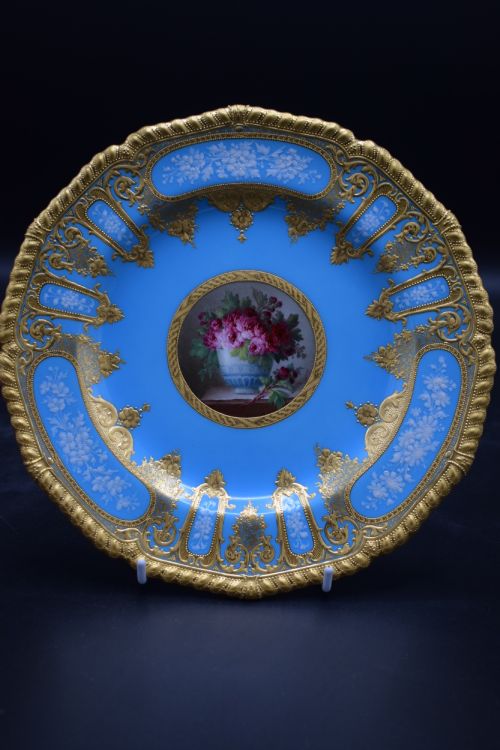
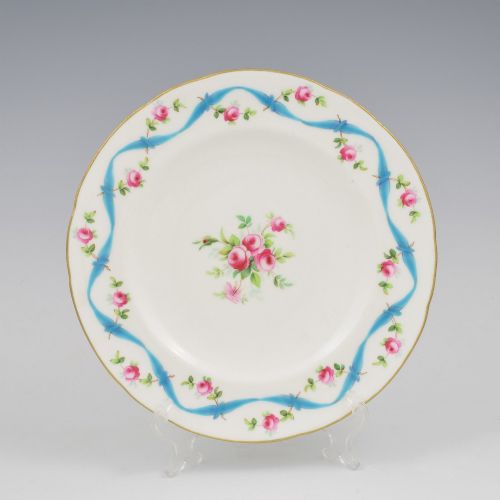
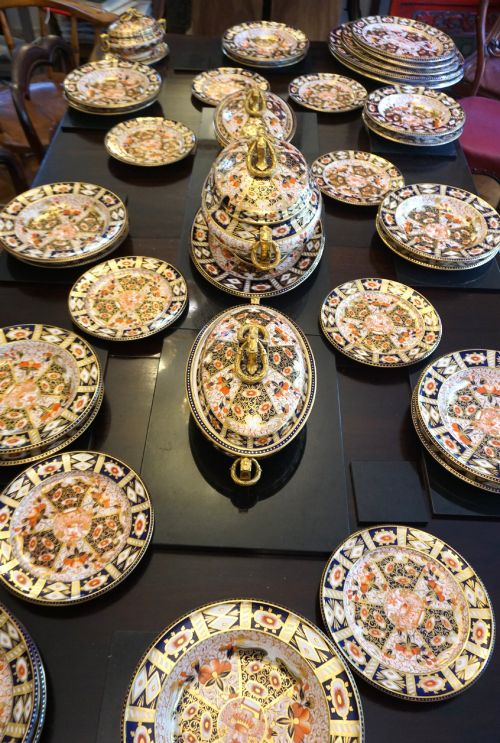
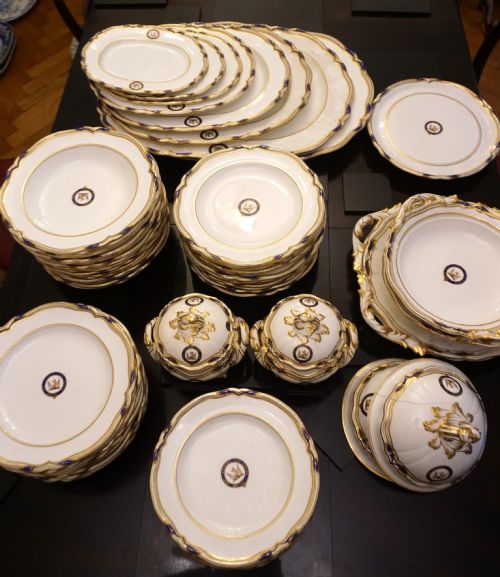
The pieces on this page lean heavily toward utilitarian and ornamental serving vessels, including large dinner sets, tazzas, and individual cups and saucers. Forms vary from rococo revival shapes to aesthetic movement designs influenced by Japanese art.
Makers represented across the period include major factories such as Davenport, Royal Crown Derby, and Coalport alongside Staffordshire potteries. Collectors encounter everything from expansive sixty-piece dinner services down to single cabinet dishes.
Materials and methods of manufacture
Makers utilised traditional porcelain and bone china bodies, applying bright lead glazes and enamel colours before firing. Many domestic and decorative items incorporate hand-painted floral motifs and raised gold leaf gilding.
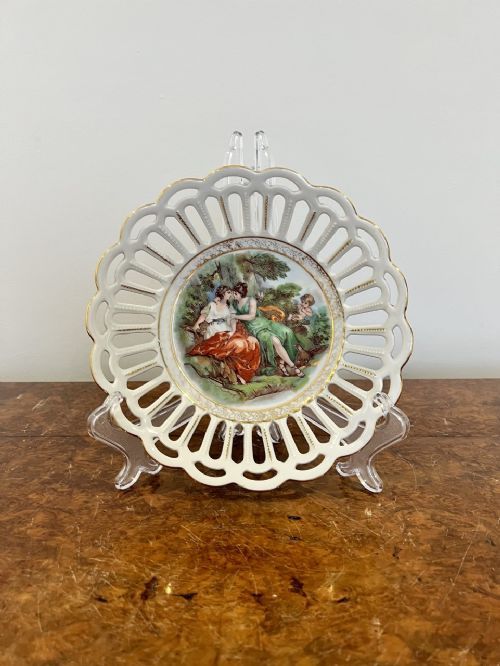
Decoration techniques combined transfer printing with delicate brushwork, especially on dessert services and cabinet plates. Gilding and enamel work received secondary kiln firings to fix the metallic and coloured pigments to the glaze surface.
Victorian Porcelain China Retail Price Guide 2026
Typical asking prices for victorian porcelain china among the pieces listed under this phrase on Sellingantiques today, from the lower quarter to the upper quarter. They describe what is for sale here now, not the wider market.
Listings feature porcelain and bone china forms from the nineteenth century, spanning dinner services, tea sets, and cabinet plates.
Factors determining quality
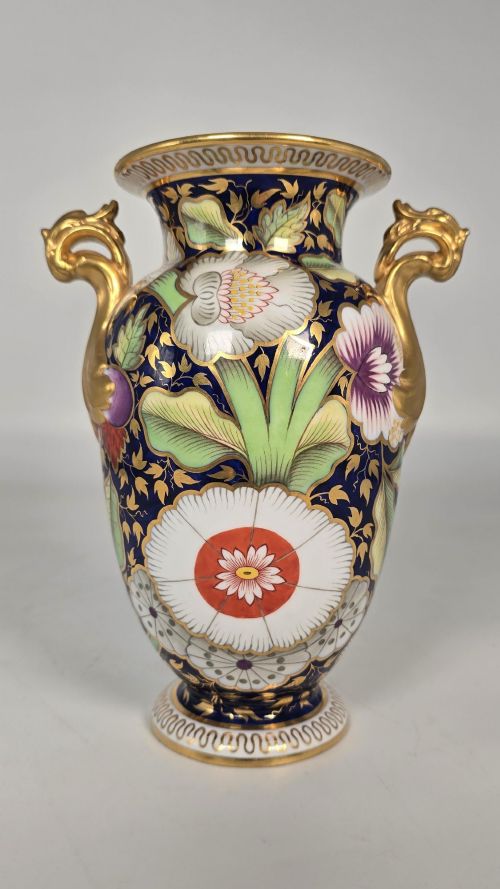
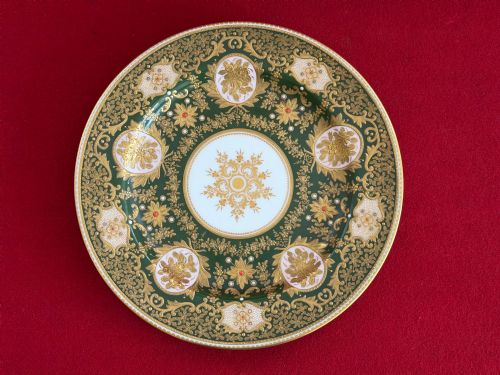
The distinction between standard domestic wares and top-tier pieces rests on the precision of the hand painting and the crispness of the porcelain mouldings. Artisans who executed named botanical views or complex Imari patterns achieved a higher level of artistic finish than found on routine transfer-printed services.
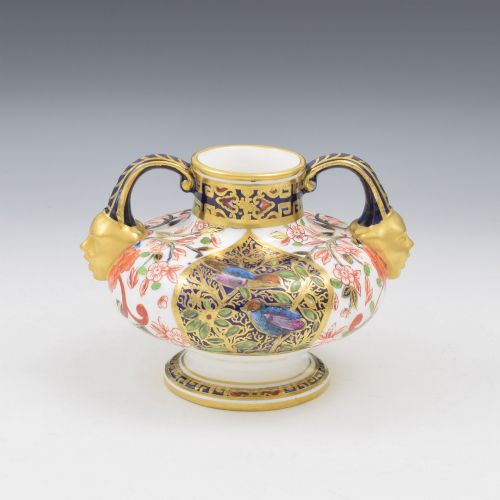
The application of gold leaf and the complexity of the ceramic body also divide standard production from luxury work. Well-preserved gilding and complex twin-handled or lobed vessel shapes indicate superior workshop output.
Royal Worcester·James Hadley·Davenport·Royal Crown Derby·Coalport·Wedgwood·Minton·Royal Doulton·Copeland and Garrett·Aynsley
The Victorian Porcelain China Glossary
- Bone china
- A type of porcelain strengthened by the addition of bone ash, producing a durable, slightly translucent white body.
- Imari pattern
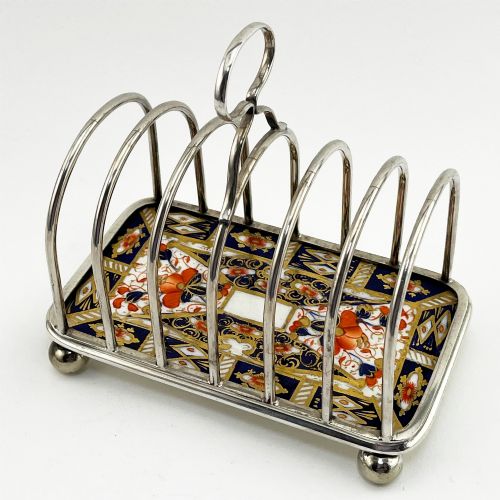
- A decorative scheme featuring rich cobalt blue and iron-red ironstone colours, often highlighted with gold leaf.
- Tazza
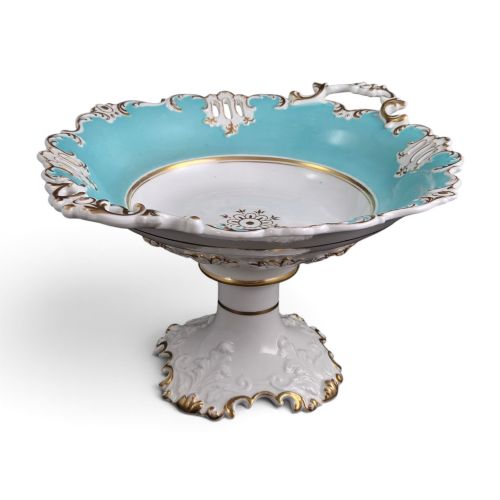
- A shallow ornamental cup or saucer mounted on a stem and foot, typically used for serving fruit or small cakes in a dessert service.
- Fairing
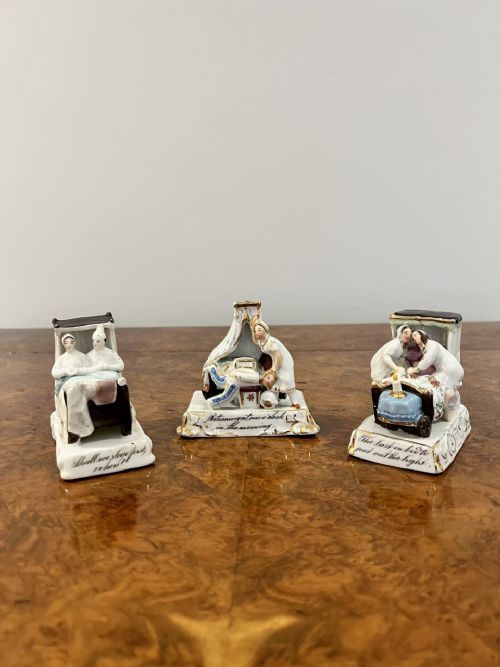
- A small, humorous ceramic ornament produced during the nineteenth century, often depicting domestic scenes with moral or comic captions.
- Gilding
- The application of gold leaf or powdered gold to ceramic surfaces for decorative accent.
Victorian Porcelain China: Frequently Asked Questions
How do I identify a Victorian tea service?
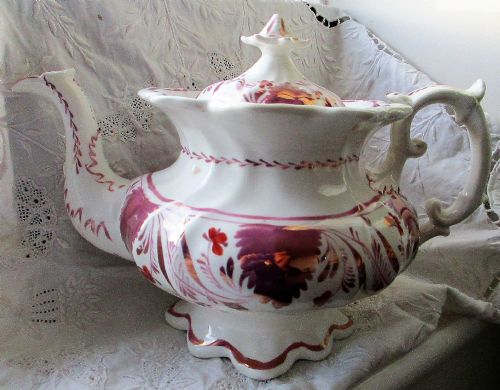
Look for matching cups, saucers, and teapots bearing nineteenth-century registry marks or factory backstamps underneath the glaze. Many sets feature hand-painted floral motifs or transfer-printed patterns typical of the period.
Examine the weight and translucency of the ceramic body to distinguish bone china from heavier earthenware. Complete services often include matching waste bowls and cake plates.
Were these pieces used daily?
Dinner and dessert services saw regular use in middle and upper-class nineteenth-century households for formal dining and entertaining guests. Robust bone china dinner sets handled heavy use, while delicate cabinet plates remained on display.
Over time, many functional sets were split up or preserved in display cabinets. Today, survivors show varying degrees of wear on the gilt edges depending on how often they were washed.
What is an Imari pattern?
Imari patterns draw inspiration from Japanese export porcelain, combining deep cobalt blue underglaze with iron red and abundant gold leaf. British factories adopted this aesthetic enthusiastically during the nineteenth century.
Plates, dessert services, and serving dishes frequently utilised this bold palette to create high-contrast decorative schemes. The style remains distinct among Victorian ceramics for its vibrant metallic sheen.