


Victorian Pocket Vesta
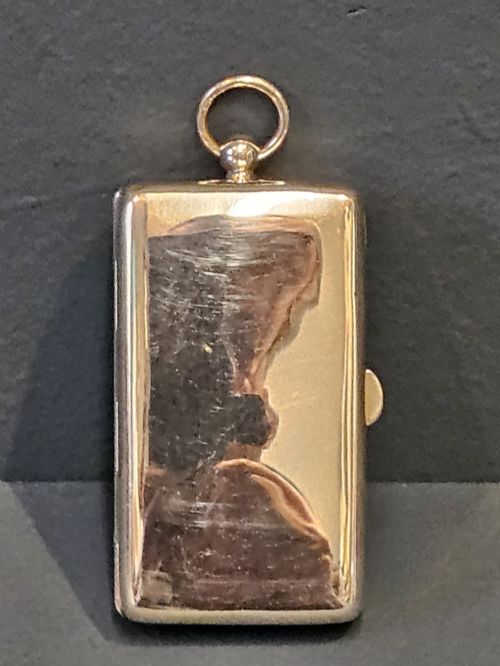
A victorian pocket vesta is a small metal container designed to hold matches safely in a waistcoat pocket.
Victorian Pocket Vesta
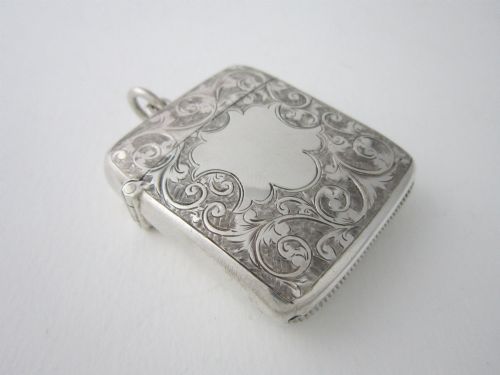
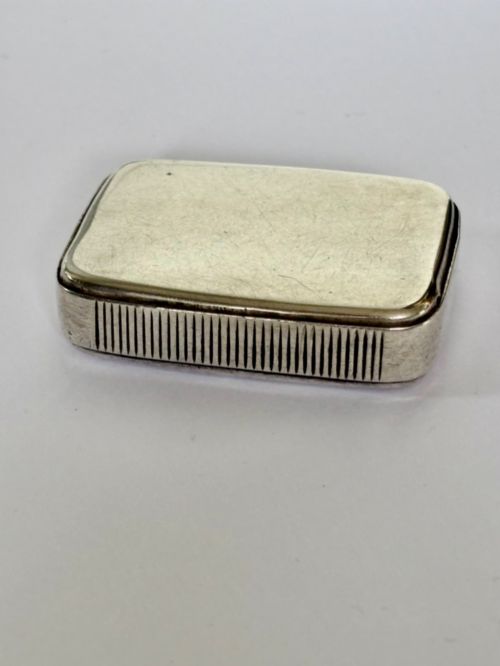
A buyer seeking a victorian pocket vesta encounters portable metal match safes produced primarily during the nineteenth and early twentieth centuries. These objects served an essential everyday purpose when carrying loose matches required protection against friction and moisture.
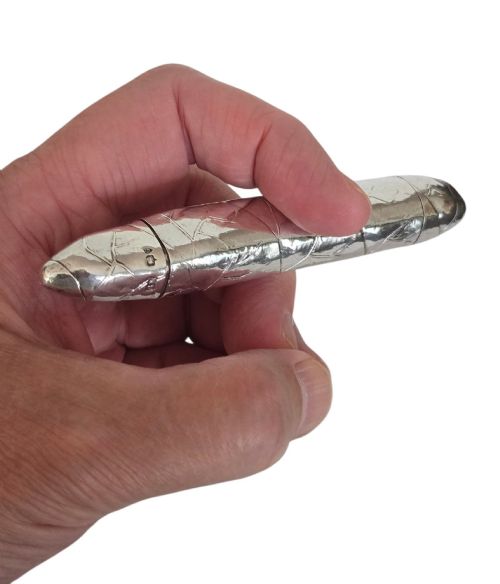
Standard rectangular cases dominate the selection, alongside inventive novelty shapes modelled as animals, figures, and architectural forms. Most examples date from the Victorian and Edwardian periods, frequently bearing hallmarks from major assay offices such as Birmingham and Chester.
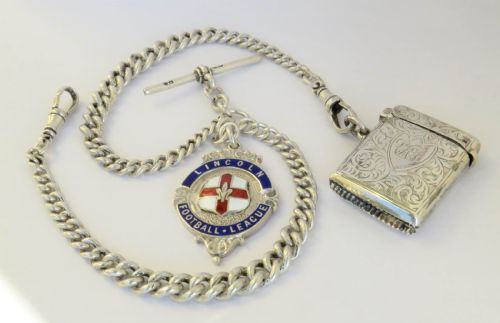
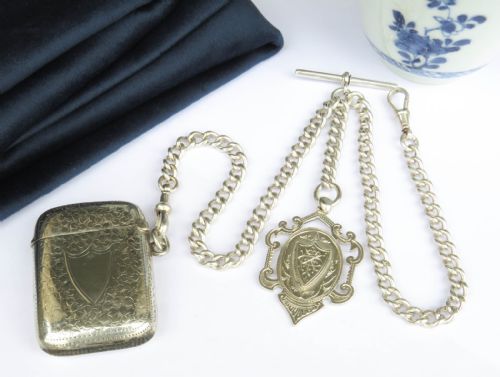
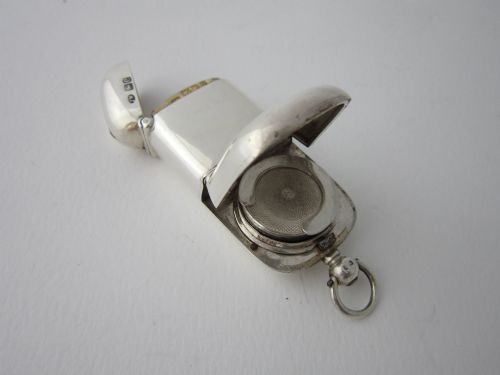
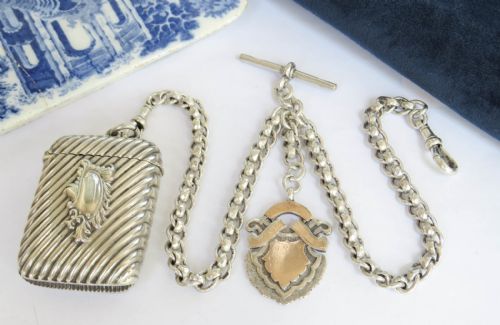
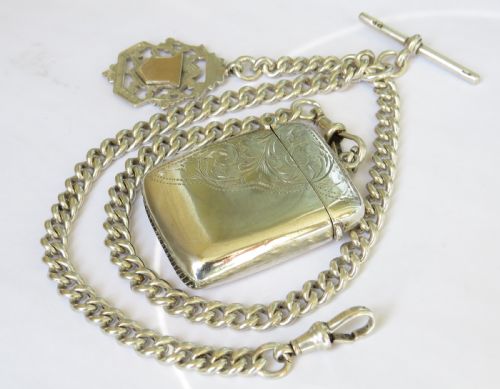
Combination pieces also appear, pairing the core match container with sovereign holders, snuff compartments, or pocket watch chains. These diverse configurations reflect the varied personal accessories carried by gentlemen and ladies of the era.
Materials and construction
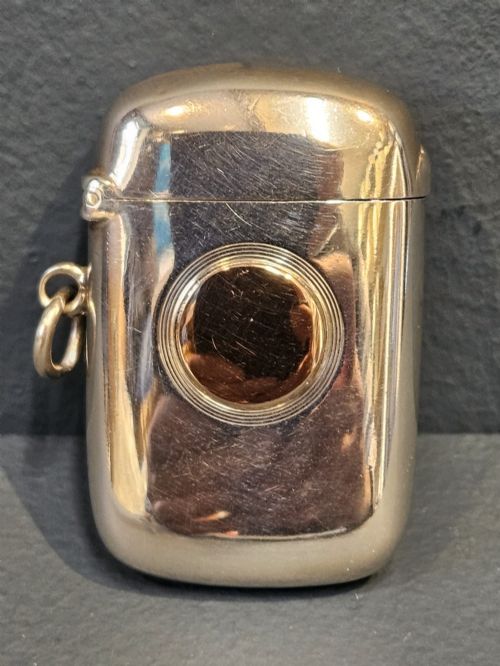
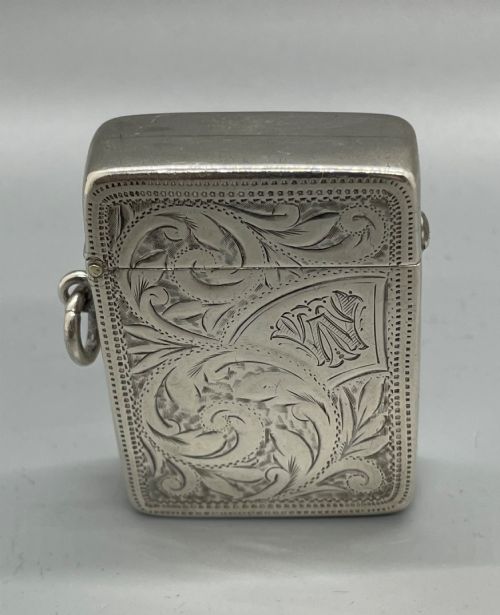
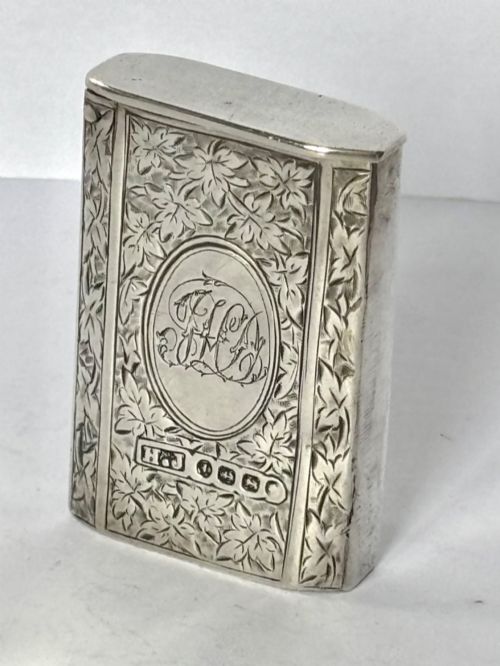
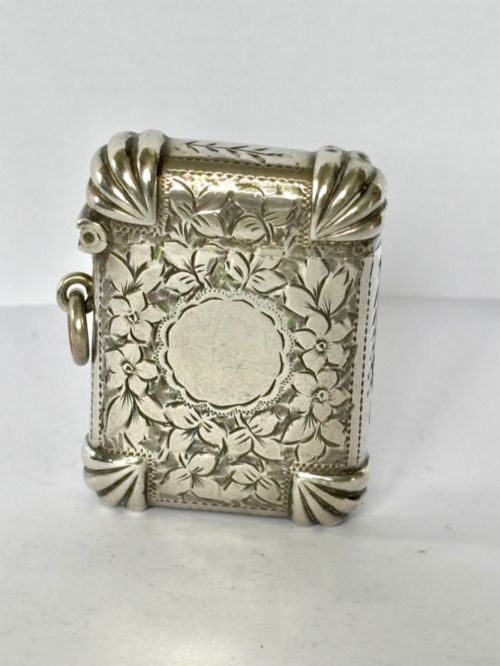
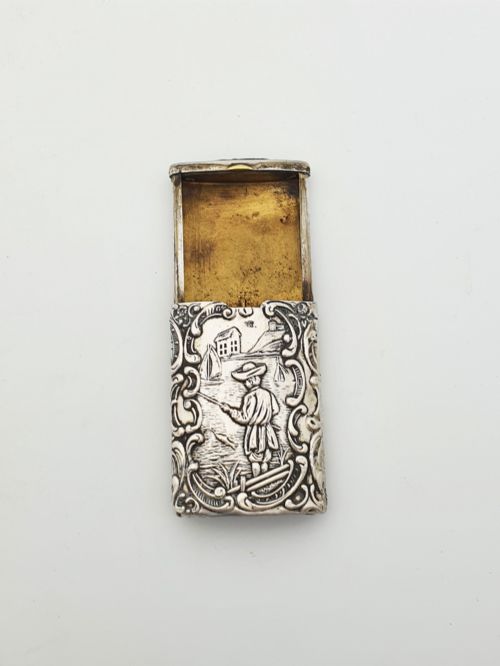
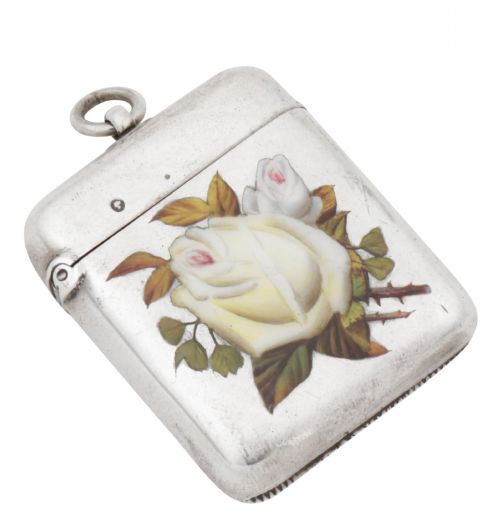
Silversmiths constructed the majority of pieces from sterling silver, employing techniques like stamping, repoussé, and engine turning to decorate the exterior surfaces. Brass, rose gold, and silver gilt appear alongside base metals plated with nickel or enriched with enamel details.
Specialist makers incorporated painted enamels, scenic relief panels, and applied gemstones to elevate standard match safes into decorative items. Hinged lids fitted with internal springs ensured tight closures, while integrated striker grooves were incorporated into the base for igniting matches.
Victorian Pocket Vesta Retail Price Guide 2026
Typical asking prices for victorian pocket vesta among the pieces listed under this phrase on Sellingantiques today, from the lower quarter to the upper quarter. They describe what is for sale here now, not the wider market.
Among the menagerie of silver animals, a mechanical trick vesta hides matches inside a cheeky brass boar.
Evaluating distinction
Distinction rests on sculptural ambition, the crispness of hallmarks, and the preservation of delicate decorative elements like polychrome enamel. Standard mass-produced engine-turned boxes differ significantly from hand-modelled novelty shapes depicting animals or figurative scenes.
Maker attribution heavily influences standing, particularly when pieces originate from recognised workshops known for inventive mechanical designs. The integration of complex dual compartments or secondary functions like photo frames and watch fobs indicates higher initial craftsmanship.
Howard James·EV Pledge and Son·Sampson Mordan and Co·A and J Zimmerman·William Neale·Minshull and Latimer·William Hair Haseler
The Victorian Pocket Vesta Glossary
- Vesta case
- A small container designed to hold wax vestas, which were early matches tipped with white phosphorus. These cases feature a ribbed striking area on the exterior.
- Hallmark
- An official stamp applied by an assay office indicating the metal purity, the place of manufacture, and the date letter for the year of production. British silver pieces typically display a lion passant and city mark.
- Novelty vesta
- A match safe manufactured in an imaginative figurative shape rather than a standard geometric box. Collectors prize examples formed as animals, boots, or human figures.
- Sovereign case
- A small circular pocket container engineered to hold British gold sovereign coins securely. These frequently appear combined into the body of a match safe.
- Silver gilt
- Sterling silver that has been coated with a thin layer of gold on its surface. This technique provided a rich internal or external finish to luxury accessories.
Victorian Pocket Vesta: Frequently Asked Questions
What is a victorian pocket vesta used for?
These small containers protected fragile matches from accidental friction and dampness while carried in a pocket. Smokers relied on them to keep safety matches or wax vestas ready for lighting cigars and pipes.
Beyond simple storage, many designs incorporated bottom striking strips so the user could ignite a match with one hand. They functioned as essential daily pocket gear for both men and women during the nineteenth century.
How do I identify the date of a victorian pocket vesta?
Dating relies primarily on the stamped hallmarks found on the body or lid of silver pieces. Assay office symbols and sequential date letters pinpoint the exact year of manufacture.
Stylistic cues such as Art Nouveau motifs or specific novelty subjects also help narrow down the period when hallmarks are rubbed or absent. Most surviving examples cluster around the late Victorian and Edwardian eras.
How should I clean my victorian pocket vesta?
Silver pieces benefit from gentle cleaning with a soft cloth and specialised silver polish to maintain the metal lustre. Care must be taken around enameled surfaces or applied gemstones to avoid scratching or chemical damage.
Aggressive scrubbing should be avoided so that original patinas, crisp hallmarks, and delicate hand-engraved details remain intact. Storing them in dry conditions prevents active tarnishing over time.