


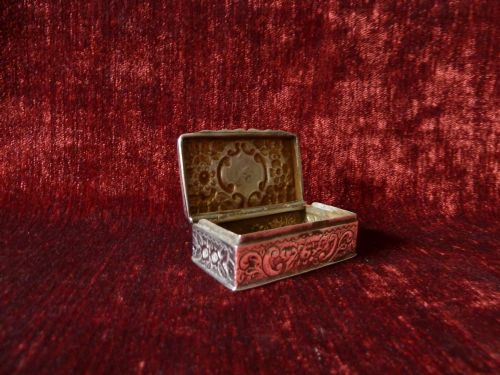


Victorian Pocket Container
A victorian pocket container is a small personal accessory designed to hold matches, coins, tobacco or cards, prized by collectors for its fine metalwork and everyday utility.
Victorian Pocket Container
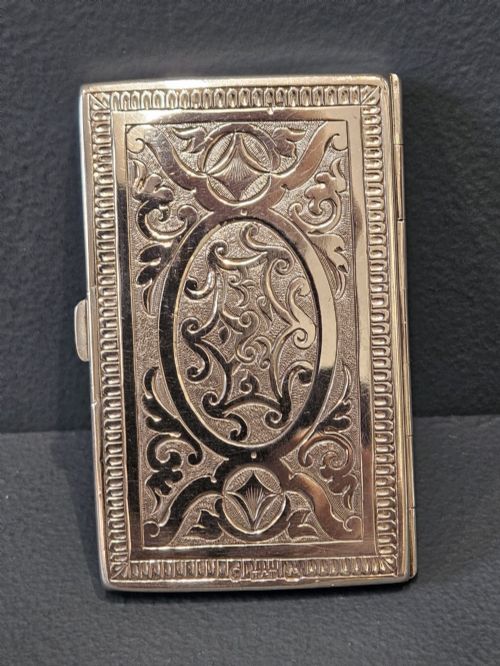
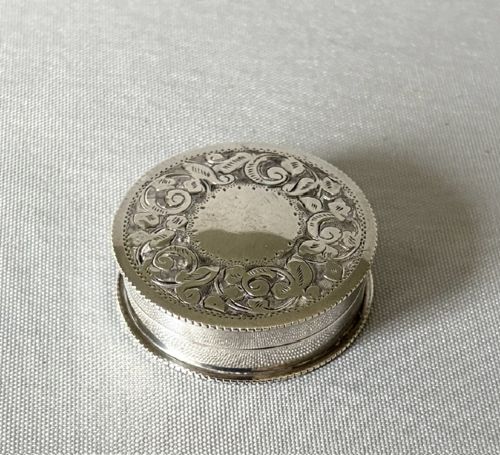
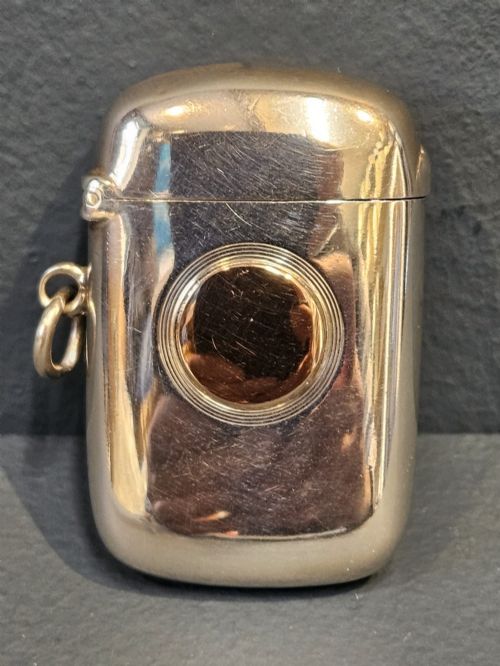
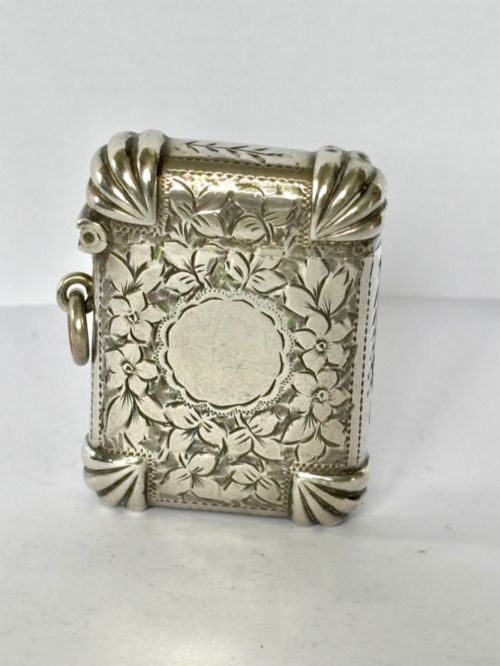
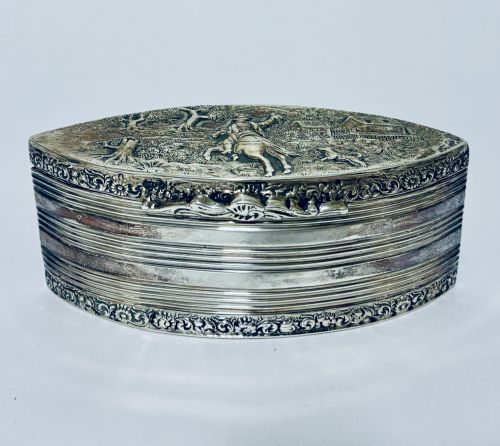
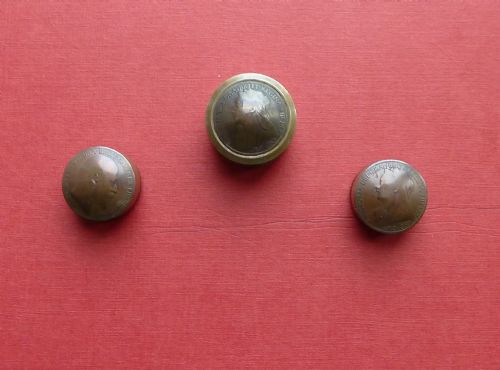
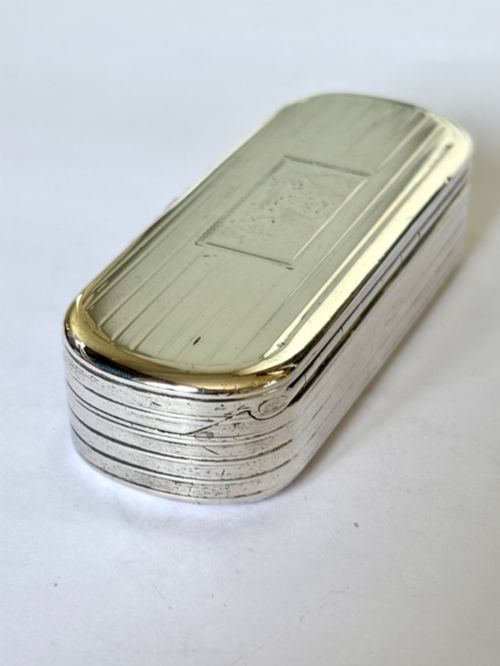
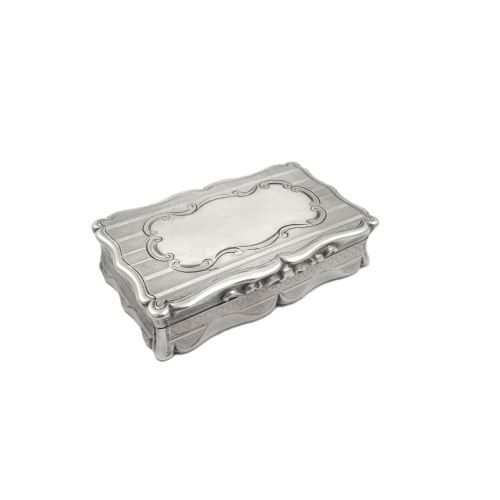
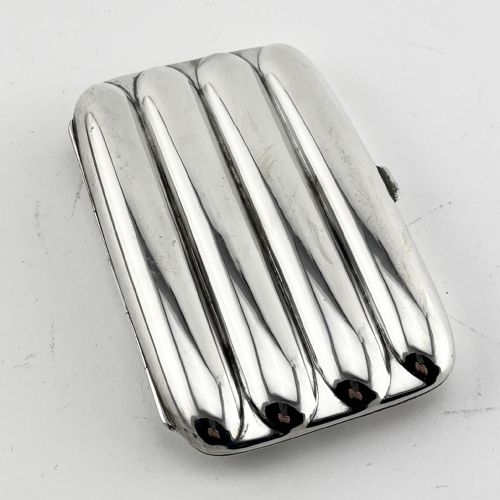
A victorian pocket container encompasses a range of functional small objects designed to be carried on the person, including vesta cases, snuff boxes, sovereign holders, cigar cases, card cases, spirit flasks, and stamp cases. The selection spans the Victorian, Edwardian, and Georgian periods, reaching into the early twentieth century.
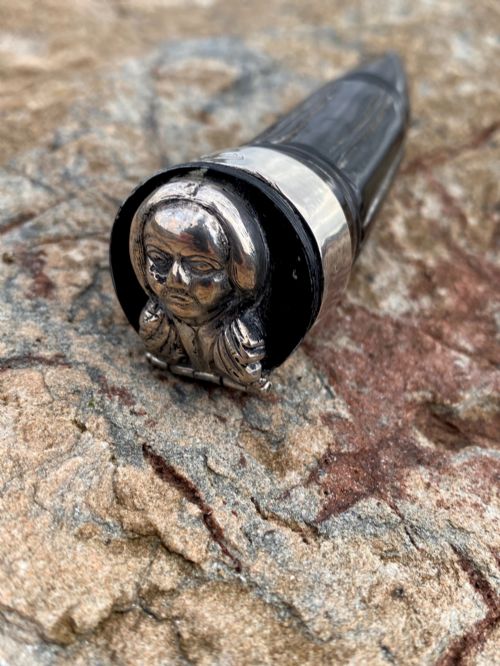
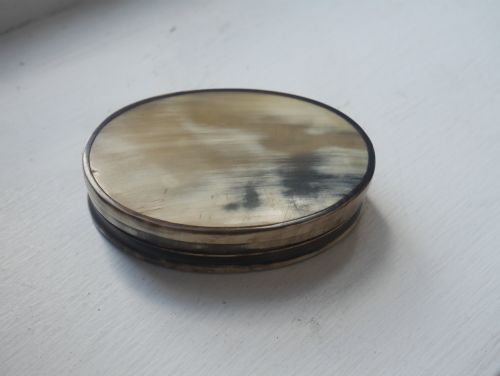
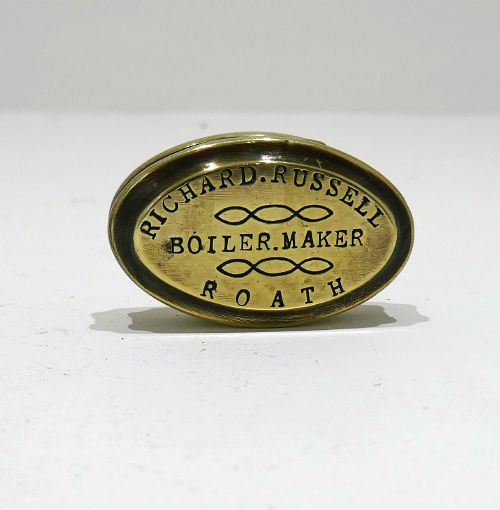
The objects appear in diverse shapes, from simple rectangular boxes to novelty animal forms, heart shapes, and torpedo designs. Horn snuff mulls and engraved brass boxes represent the folk art and utilitarian traditions of the period.
Materials and Technique
Sterling silver, silver gilt, and 9ct gold provide the metallic foundation for many containers, often bearing Birmingham or London hallmarks alongside maker marks. Brass, bronze, pewter, and gilt metal serve in utilitarian and decorative items.
Natural materials such as horn, tortoiseshell, coquilla nut, and specimen woods appear shaped and carved into receptacles. Inlaid surfaces and engraved inscriptions demonstrate period hand-working techniques applied to both metal and organic substances.
Victorian Pocket Container Retail Price Guide 2026
Typical asking prices for victorian pocket container among the pieces listed under this phrase on Sellingantiques today, from the lower quarter to the upper quarter. They describe what is for sale here now, not the wider market.
Quality Variations
The caliber of a victorian pocket container rests on the crispness of its chasing, engraving, and carving, alongside the structural integrity of hinges and closures. Crisp relief work on silver or finely detailed carving in wood and horn separates master craftsmanship from routine production.
Unusual opening mechanisms, novel shapes such as animals or sentry boxes, and gilt interiors elevate specific pieces above standard utilitarian containers. Hallmarks that remain sharp and legible contribute to the standing of metal items.
EV PLEDGE & SON·ROBERT THORNTON·Sampson Mordan
The Victorian Pocket Container Glossary
- Vesta Case
- A small pocket container specifically made to hold matches and keep them dry. These often feature a striking surface on the base.
- Sovereign Case
- A circular container engineered to hold British gold sovereign coins securely. They frequently attach to watch chains.
- Snuff Box
- A small hinged receptacle designed to hold ground tobacco for nasal ingestion. They are found in metals, woods, and animal horn.
- Snuff Mull
- A Scottish container for holding snuff, traditionally fashioned from ram's horn decorated with silver mounts. They often include small accessories suspended by chains.
- Silver Gilt
- Silver that has been coated with a thin layer of gold on its interior or exterior surfaces. This technique protects the silver from tarnishing.
Victorian Pocket Container: Frequently Asked Questions
What did people carry in a vesta case?
A vesta case held short matches known as vestas, which were essential for lighting pipes, cigars, and gas street lamps before reliable lighters existed.
These small containers protected the matches from moisture and prevented accidental ignition inside pockets or handbags.
How do I identify a sovereign case?
Sovereign cases are typically round and spring-loaded to dispense gold coins precisely one by one. They were made to fit standard coin dimensions for daily pocket transport.
Many feature loops designed to connect directly to a gentleman's pocket watch chain.
What materials are common in these boxes?
Sterling silver and various hard woods dominate the selection, alongside brass, tortoiseshell, and horn. Precious metals often feature hallmarks indicating the assay office and year of production.
Organic materials like coquilla nut and tortoiseshell showcase intricate hand carving from nineteenth century artisans.
How should I clean antique silver containers?
Antique silver requires minimal intervention, relying on a soft cloth to maintain its natural lustre without removing historic patina. Aggressive commercial dips can damage delicate engravings and erase centuries of wear.
Preserving the original surface texture maintains both the character and the historical integrity of the object.