




Victorian Plate Rack
A victorian plate rack brings utilitarian charm to domestic spaces, holding ceramics securely while displaying domestic history.
Victorian Plate Rack
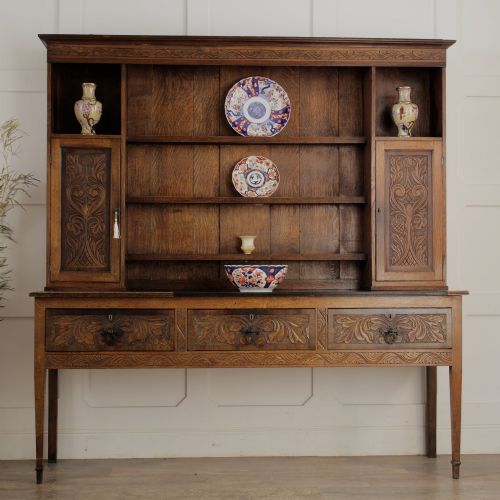
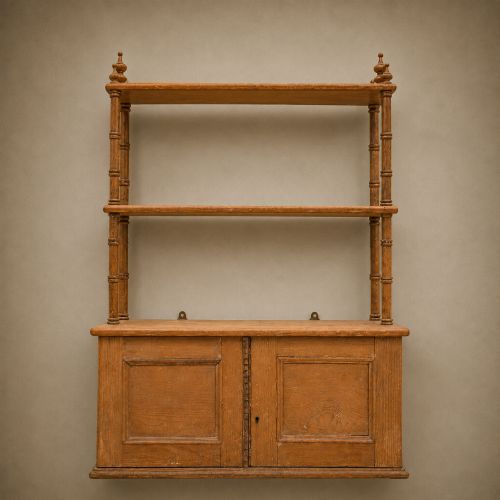
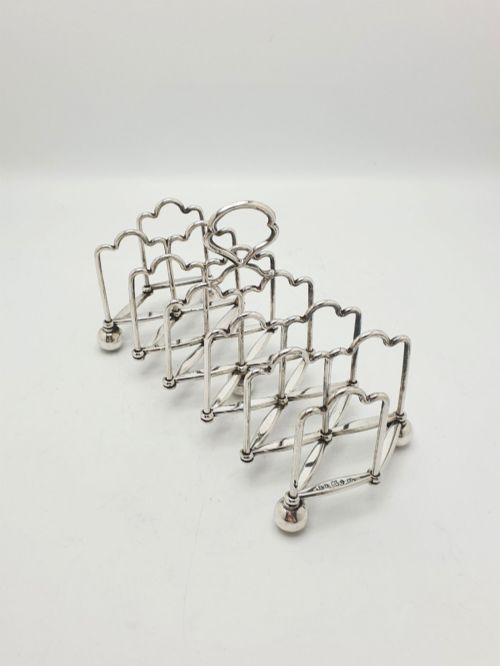
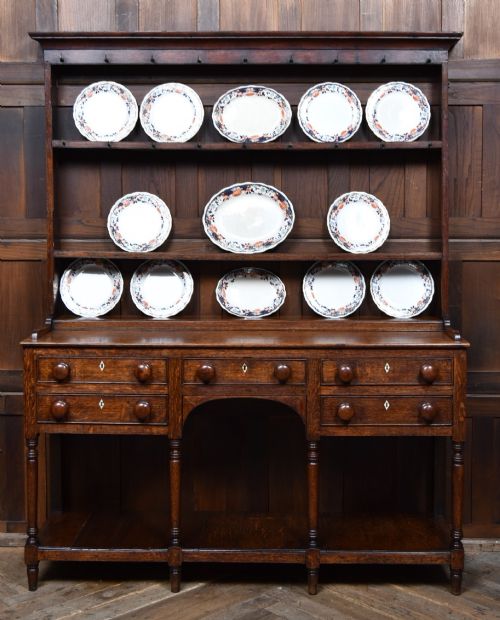
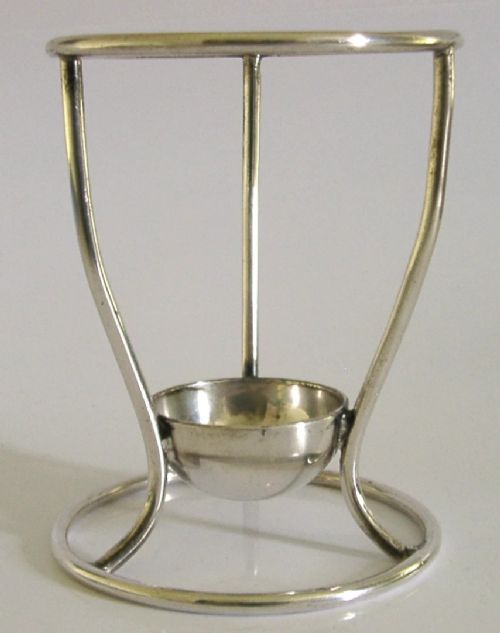
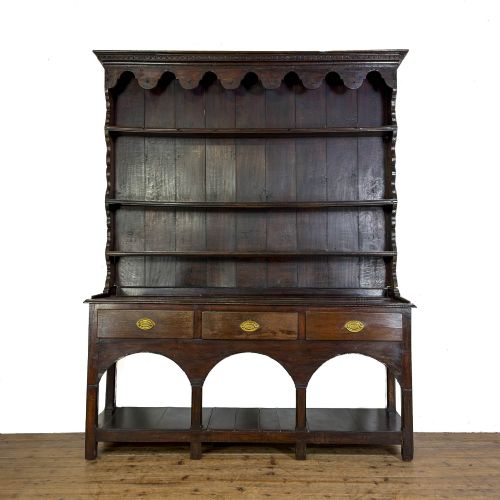
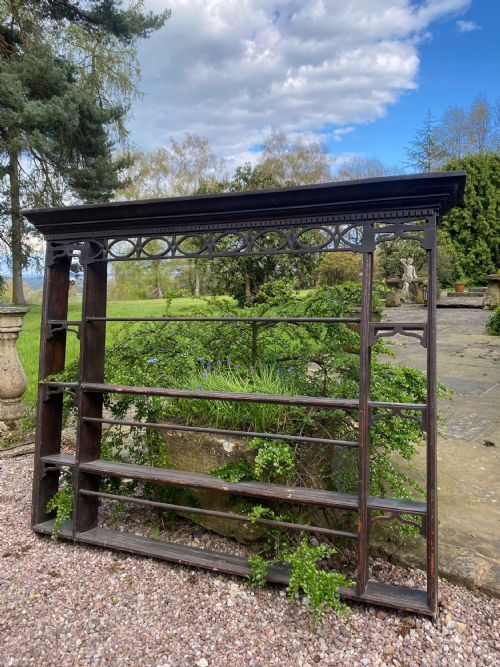
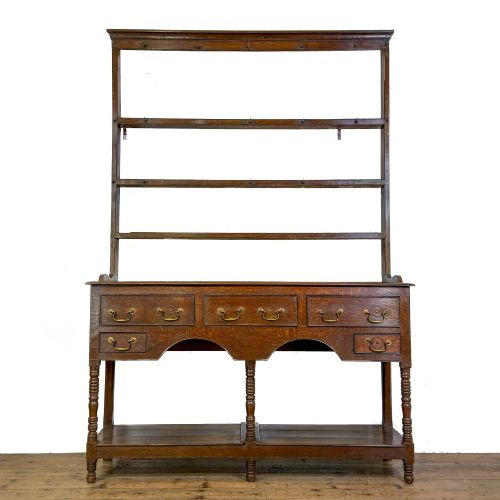
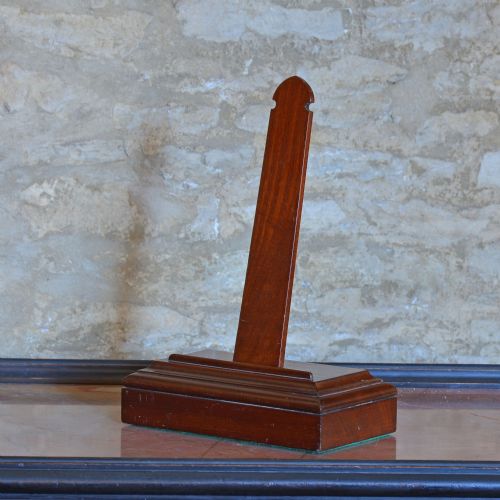
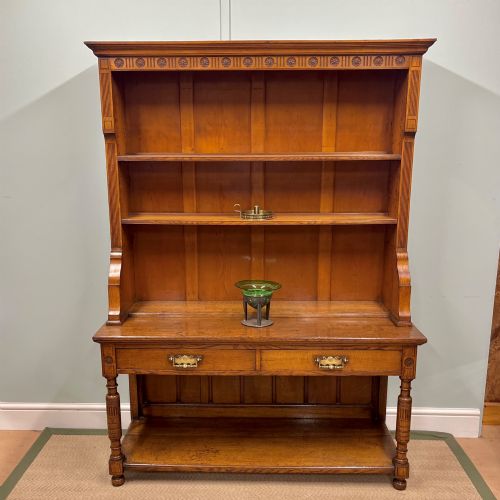
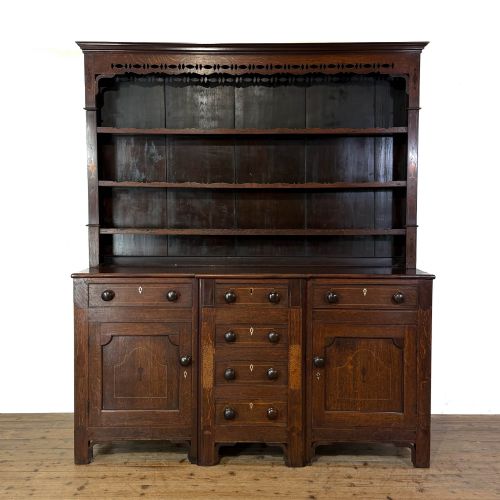
A victorian plate rack spans both large kitchen furniture and small table accessories, connecting wall-hung timber storage with tabletop silver. The larger examples appear as oak or pine dressers featuring open shelving designed specifically to display ceramic plates, while smaller versions take the form of metal toast racks and cruet stands.
Most pieces encountered on this page derive from nineteenth-century domestic settings, reflecting English and Welsh country traditions alongside formal dining habits. Buyers will find wall-mounted wooden shelves operating alongside freestanding dressers and silver-plated table apparatus.
How they were made
Construction relies heavily on native timbers such as oak, pine, and mahogany, joined with traditional carpentry methods suited to heavy daily use. Wall shelves and dressers utilise pegged joints and panel backboards, whereas smaller table items employ cast and soldered silver plate over base metals like brass or copper.
Surface finishes range from stripped natural grain to layered painted pine and dark polished oak. Metal components incorporate silver plating techniques, often enhanced with hand-chased ornamentation, cast scroll handles, and applied decorative borders.
Listings feature oak, pine, mahogany, and cherry wood alongside silver plate, brass, and iron across the nineteenth century.
What varies in quality
Quality reveals itself through timber selection, structural integrity, and the crispness of applied ornament or carving. Superior wooden dressers exhibit dense grain, original backboards, and balanced proportions, while lower grades show excessive replacement timber or crude alterations.
In metalwork, the retention of the silver plate layer and the precision of mechanical actions in expanding or collapsible designs determine overall merit. Maker signatures and registered design marks also distinguish standard production items from workshop pieces.
Elkington & Company·Thomas Campion & Sons·William Hutton·Hukin & Heath·Benetfink & Co
The Victorian Plate Rack Glossary
- Plate rack
- A wooden framework featuring vertical slats or horizontal grooves designed to hold dinner plates upright for drying or display.
- Silver plate
- A thin layer of pure silver fused to a base metal such as copper, brass, or nickel silver through electroplating or older rolling methods.
- Welsh dresser
- A large kitchen sideboard incorporating open display shelves above base cupboards and drawers, historically originating in rural Wales.
- Toast rack
- A small tabletop metal frame with multiple arched dividers used to hold slices of toast upright at the breakfast table.
- Cruet set
- A matched collection of bottles, jars, or racks designed to hold condiments, eggs, or breakfast accessories together on a dining table.
- Breakfront
- A piece of furniture possessing a central section that projects forward from the flanking outer sections.
Victorian Plate Rack: Frequently Asked Questions
How are wooden plate racks mounted?
Most wall-hanging racks utilise integrated wooden hanging rails or screw holes positioned behind the upright frame members to distribute weight evenly against structural wall studs.
Buyers should ensure fixings match the weight of the timber and the heavy ceramic plates the rack is intended to support during daily use.
What is an expanding toast rack?
An expanding toast rack uses a mechanical scissor linkage that allows the metal dividers to concertina outward or inward, altering the spacing between slots.
This nineteenth-century mechanism allowed users to accommodate thicker slices of bread or fold the frame flat for compact storage when not in use.
How do I care for antique silver plate?
Silver plate requires gentle cleaning with non-abrasive cloths and dedicated silver creams to remove tarnish without wearing through the thin precious metal layer to the base brass or copper underneath.
Frequent light dusting preserves the finish better than aggressive polishing that strips away nineteenth-century hallmarks and crisp engraving.
Can modern plates fit antique racks?
Older plate racks were built to hold historical ceramic dimensions, which often feature narrower rims and shallower profiles than modern heavy dinnerware.
Buyers should measure the depth of the wooden channels and the clearance between display rails before attempting to store contemporary dinner services.