




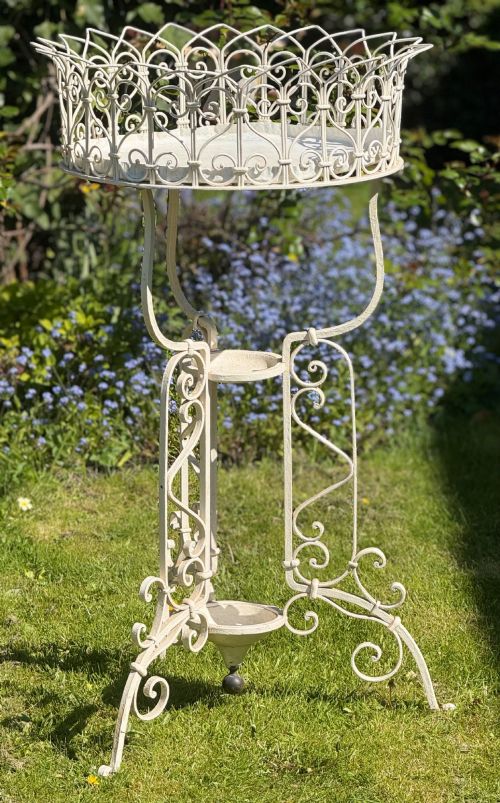
Victorian Plant Holder
A victorian plant holder brings structured greenery indoors, offering heavy brass, wrought iron, and polished mahogany crafted to display ferns and flowers with nineteenth-century confidence.
Victorian Plant Holder
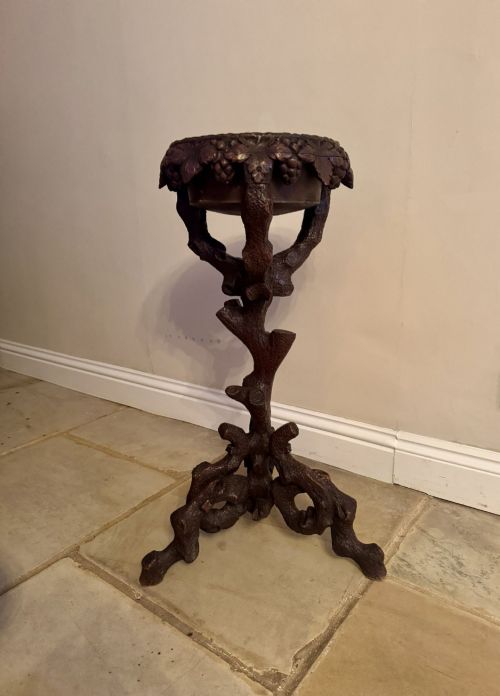
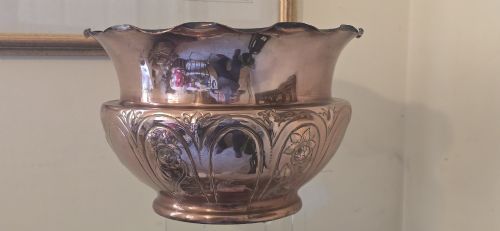
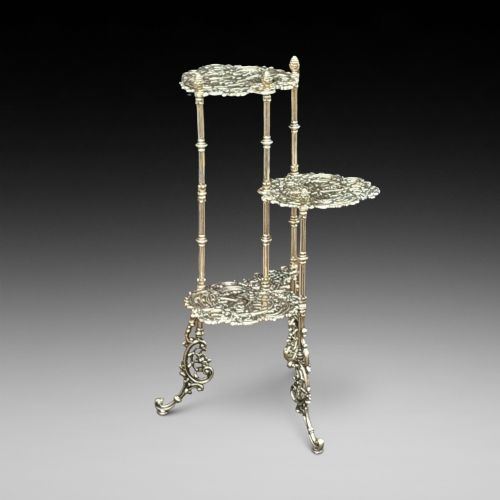
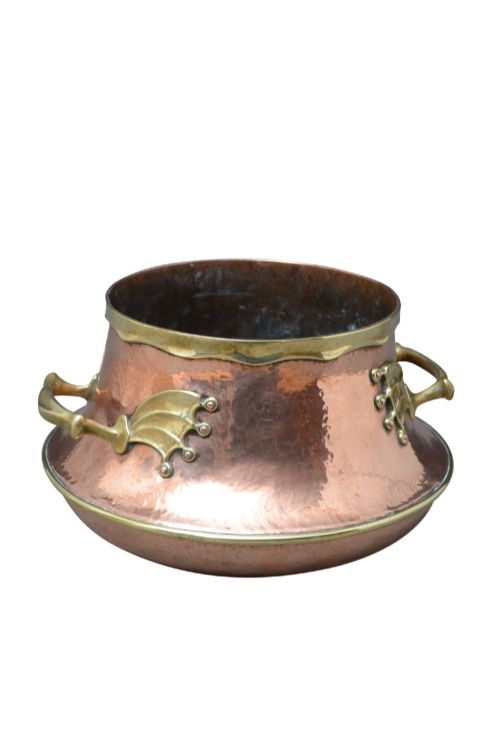
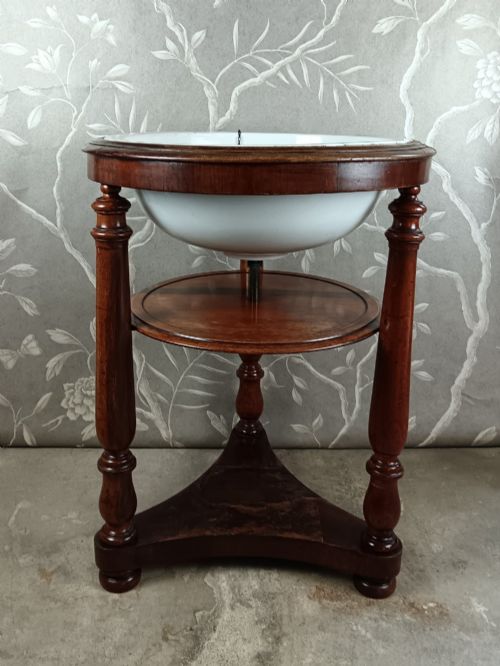
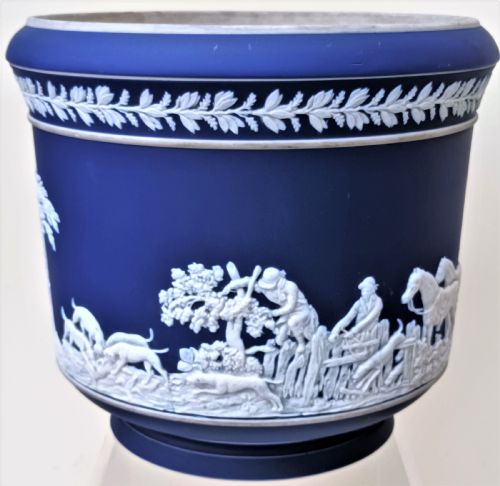
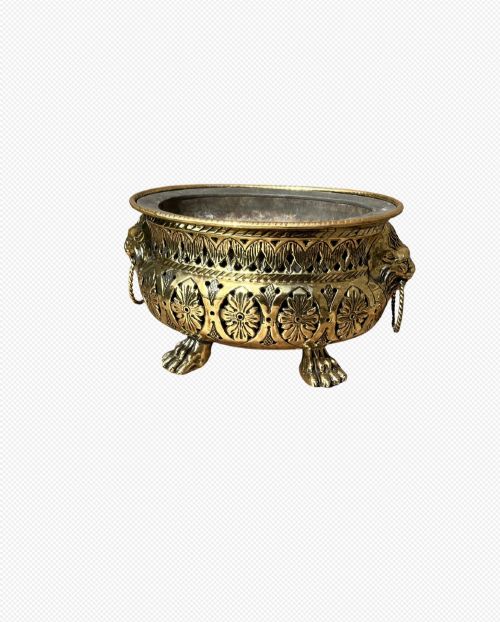
A victorian plant holder encompasses a diverse group of indoor stands, jardinieres, cachepots, and washstands designed to elevate flora within nineteenth-century drawing rooms and conservatories. You will frequently encounter brass vessels, hammered copper bowls, and tiered wrought iron frames that reflect the period's obsession with indoor botany.
The objects span pedestal forms, floor-standing wirework frames, and heavy ceramic pots resting on dedicated stands. Makers utilised contrasting materials such as marble inserts and ebonised wood to complement the foliage they housed.
Materials and Construction
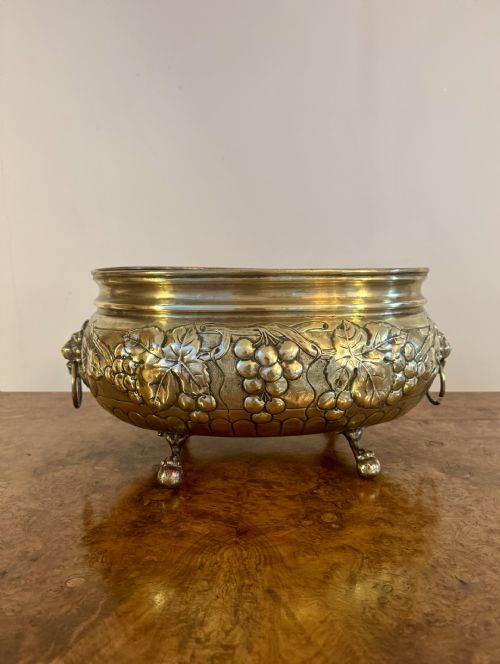
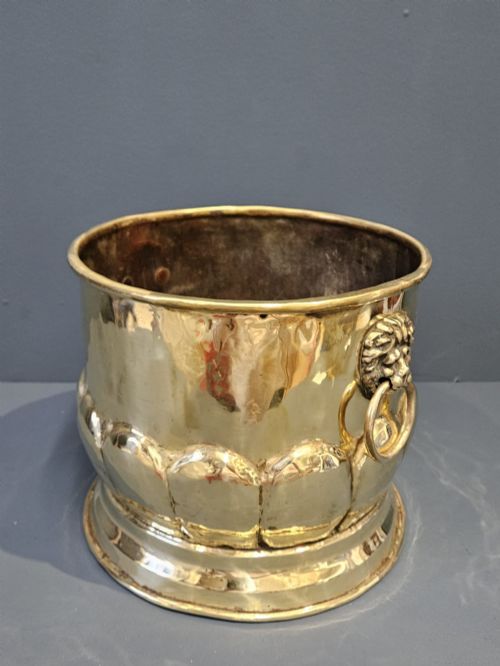
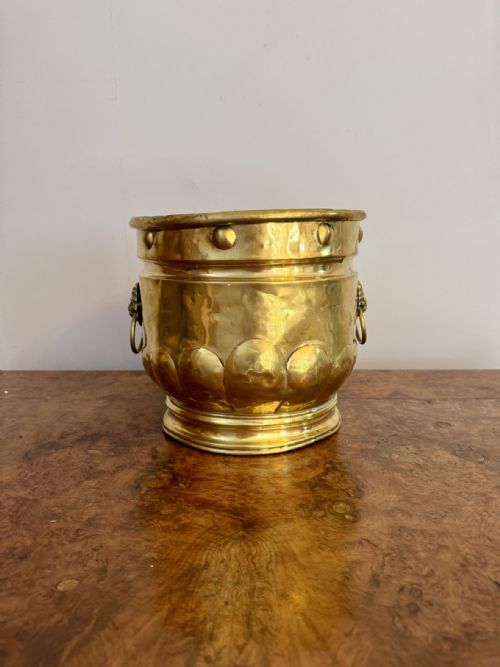
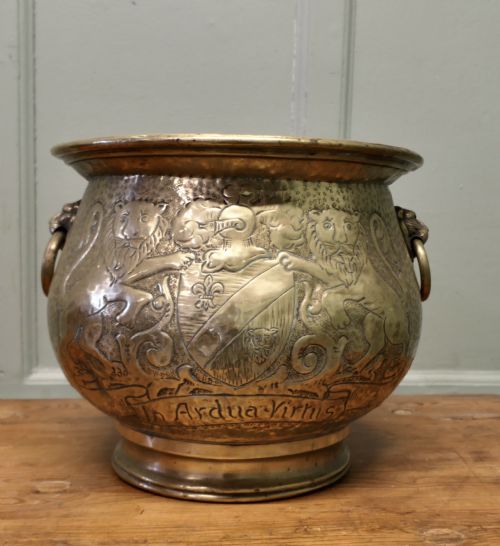
Metalworking dominates these pieces, utilising spun or hammered brass and copper often decorated with repoussé work, lion mask handles, or pierced rims. Iron is worked into rigid structural frames and delicate wirework for conservatory display.
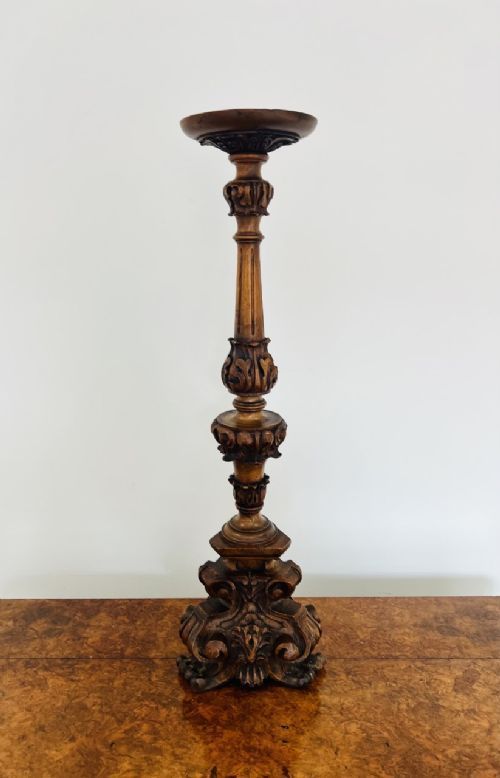
Cabinetmakers turned solid mahogany and walnut for torchere stands and washstands, occasionally pairing timber with ceramic bodies like majolica and jasper ware to achieve a robust domestic item.
Victorian Plant Holder Retail Price Guide 2026
Typical asking prices for victorian plant holder among the pieces listed under this phrase on Sellingantiques today, from the lower quarter to the upper quarter. They describe what is for sale here now, not the wider market.
Several heavy brass vessels retain faint interior staining, proving their nineteenth-century owners actually watered the ferns.
Factors of Quality
Subtlety in ornamentation and weight separate standard utility vessels from superior examples. Thick gauge metals, crisp repoussé detailing, and integration of high-status secondary materials like marble or quality ceramics elevate a piece above simpler production items.
Structural integrity matters as much as surface decoration. Well-balanced tier construction and precise joinery on mahogany stands indicate a higher grade of workshop production.
William Adams & Sons·Royal Doulton·Clement Massier
The Victorian Plant Holder Glossary
- Jardiniere
- An ornamental pot or stand designed to hold a plant or flower arrangement. They appear in ceramic, brass, and copper.
- Cachepot
- A decorative container used to conceal an ordinary flowerpot. These often feature pierced brass or glazed earthenware bodies.
- Torchere
- A tall stand or pedestal originally intended to support a lamp, frequently adapted for displaying plants. They are typically turned from mahogany or walnut.
- Repoussé
- A metalworking technique where the metal is hammered from the reverse side to form a raised design in relief. This appears frequently on brass and copper planters.
- Majolica
- A type of earthenware decorated with opaque coloured glazes over a tin-enamelled base. It provides vibrant colour to nineteenth-century jardiniere vessels.
Victorian Plant Holder: Frequently Asked Questions
What is a plant holder?
A plant holder is a decorative vessel or stand used to display greenery inside a home. These items range from floor-standing wrought iron frames to tabletop brass bowls.
Nineteenth-century examples focus on combining utility with ornamental metals or ceramics to complement domestic interior planting schemes.
How were they used?
Victorians used these stands and vessels to bring exotic ferns and flowering plants into drawing rooms, halls, and glazed conservatories. They protected interior surfaces from water while adding architectural interest to plant displays.
Many designs allowed plants to be arranged at different heights using tiers or pedestals.
How do I clean brass?
Metal planters require minimal intervention to preserve their historic surface appearance. Dust them gently with a dry cloth rather than applying aggressive chemical polishes.
Leaving the natural patination intact is generally preferred by collectors of nineteenth-century metalwork.
How do I date a piece?
Dating relies on observing material choices, manufacturing techniques, and stylistic markers such as Gothic Revival motifs or Arts and Crafts hand-hammering. Examining construction methods like hand-beaten seams helps place an object within the nineteenth century.
Makers' marks on ceramic inserts provide precise chronological references.