


Victorian Pine Hutch
These victorian pine hutch selections offer sturdy domestic storage shaped by nineteenth-century utility and regional craftsmanship.
Victorian Pine Hutch
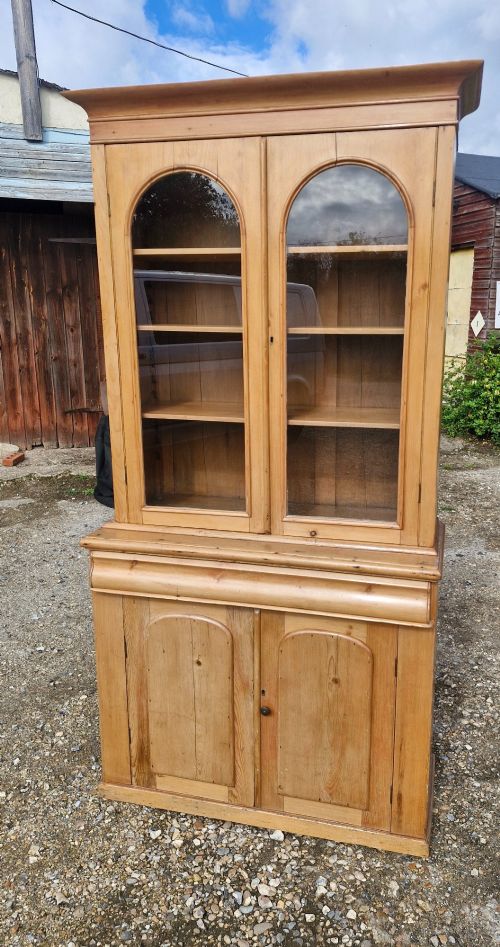
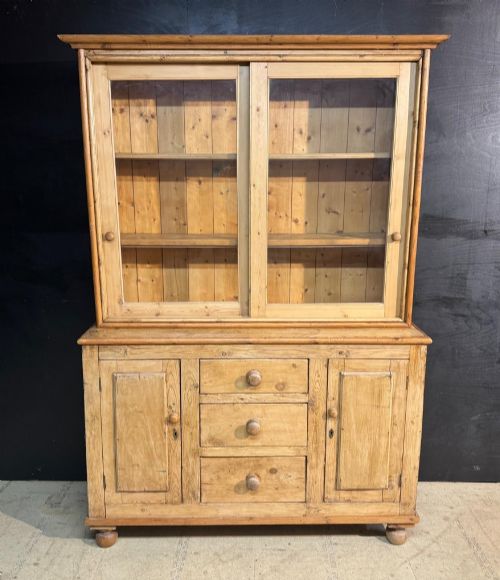
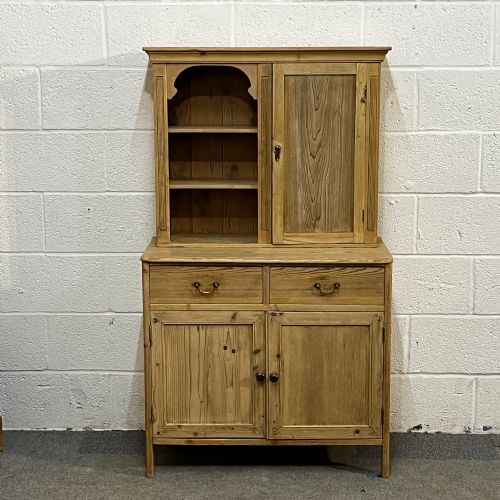
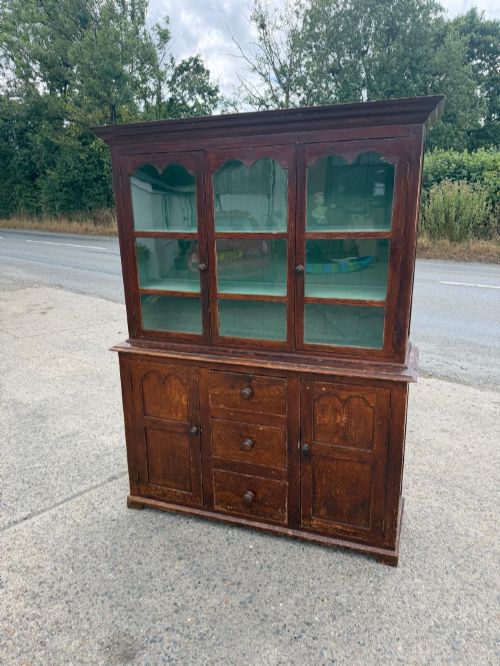
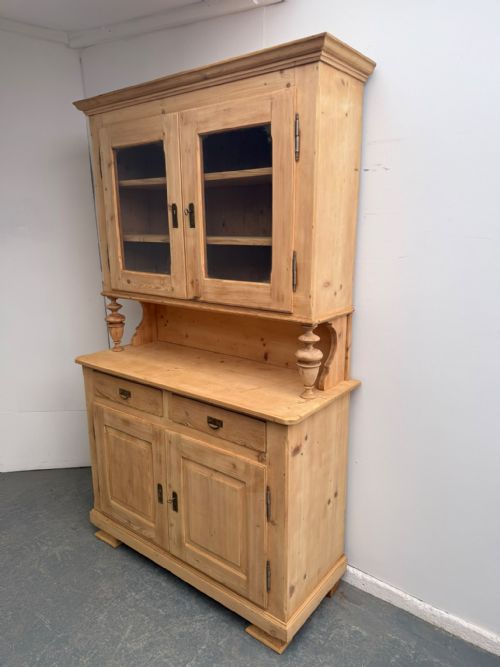
A buyer examining a victorian pine hutch on this page encounters kitchen dressers, glazed top cabinets, and two-piece storage units from the nineteenth century. These forms served working rural and provincial households for storing daily provisions and crockery.
Most examples span the Victorian period alongside Edwardian pieces and related country styles such as English Country, Rustic Farmhouse, and French Country. The selection reflects practical domestic furniture built for everyday utility rather than formal parlour display.
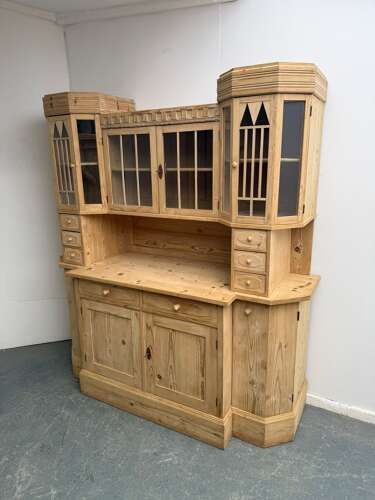
Regional variations appear across the listings, ranging from English West Country dressers to Hungarian examples and Scottish pine pieces. Each variant reveals local preferences in proportion, door configuration, and paint treatment.
Materials and construction
Construction relies primarily on solid pine timbers, sometimes paired with oak or augmented by glass, brass, and iron hardware. These materials provided the necessary strength for heavy kitchen and pantry usage.
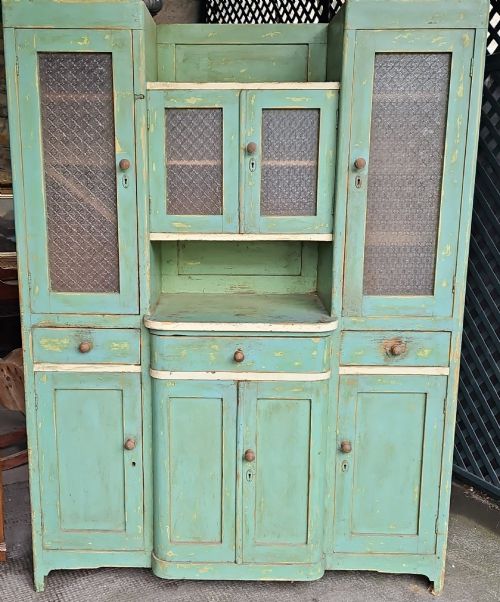
Surfaces exhibit various historic finishes including wax, original paint, cream and teal schemes, or scrumbled paint effects. Artisans built these pieces to withstand hard domestic use while accommodating subsequent layers of decoration.
Listings span the Victorian and Edwardian periods, featuring kitchen dressers, glazed top cabinets, and monks benches built from pine, oak, and painted wood.
Judging quality and proportion
Quality in a victorian pine hutch rests on the integrity of the original timber, the retention of period hardware, and the honesty of the surface finish. Pieces that maintain their untouched painted surfaces or original waxed patination stand apart from heavily restored alternatives.
Proportion and scale also dictate desirability, particularly when comparing small antique dressers to massive Hungarian or Welsh examples. Refined joinery in the rack or glazed upper sections distinguishes standard utilitarian cupboards from more ambitious regional pieces.
The Victorian Pine Hutch Glossary
- Pine
- A soft timber widely utilised for nineteenth-century domestic furniture due to its accessibility and workability. It accepts paint and wax finishes readily.
- Dresser
- A dual-purpose storage item featuring lower cupboards or drawers surmounted by open shelves or a glazed cabinet. They formed the centrepiece of the historic kitchen.
- Scrumbled
- A decorative paint technique involving translucent glazes manipulated to imitate the grain of finer hardwoods. It was frequently applied to deal or pine furniture.
- Glazed Top
- An upper cabinet section fitted with glass panes to display ceramics while protecting them from dust. Textured glass occasionally appears in these doors.
- Breakfront
- A cabinetry format where the central section projects forward from the flanking wings. This configuration adds architectural depth to larger storage units.
Victorian Pine Hutch: Frequently Asked Questions
What is a victorian pine hutch?
A victorian pine hutch is a nineteenth-century storage unit, typically functioning as a kitchen dresser or cabinet made from soft timber. These pieces combine lower cupboards with upper shelving or glazed display compartments.
They originated as utilitarian furniture for rural and provincial homes to house tableware and provisions. Today, they serve practical storage roles in modern kitchens and dining spaces.
How do I care for waxed pine?
Caring for waxed pine involves regular dusting with a dry cloth and occasional application of traditional beeswax to nourish the timber. Avoid placing these pieces near direct heat sources or strong sunlight.
Keeping the surface conditioned preserves the historic patination and protects the soft wood from moisture damage. Gentle maintenance ensures the finish ages gracefully over time.
Are painted finishes original?
Some painted finishes on these pieces date from the nineteenth century, including regional schemes like cream and teal or scrumbled surfaces. Other pieces have received later decorative coats applied by subsequent owners.
Examining the paint layers under natural light helps reveal underlying wear patterns and age. Both original and later historic paint contribute to the decorative character of country furniture.
Where were these hutches made?
These storage pieces originate from various regions including the English West Country, South Wales, Scotland, and continental locations like Hungary. Each area developed distinct proportions and construction habits.
Local timber availability and regional domestic traditions influenced the design of the mouldings and base configurations. This regional diversity creates distinct visual character among the listings.