
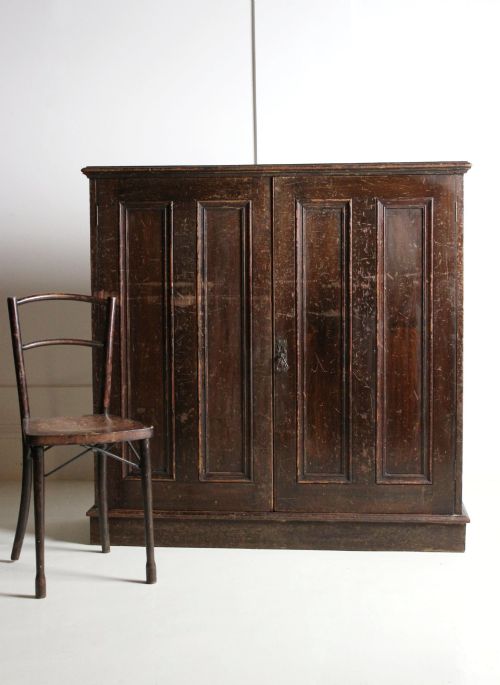
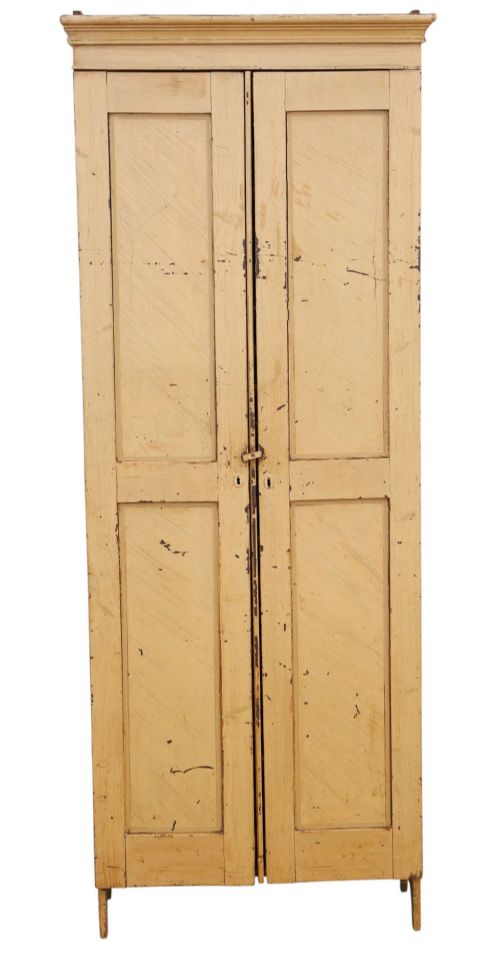
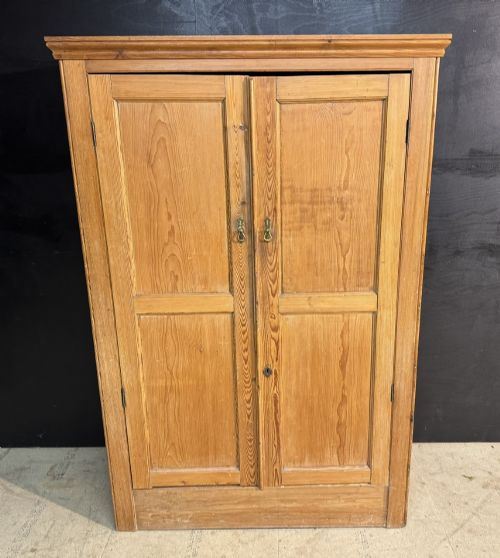
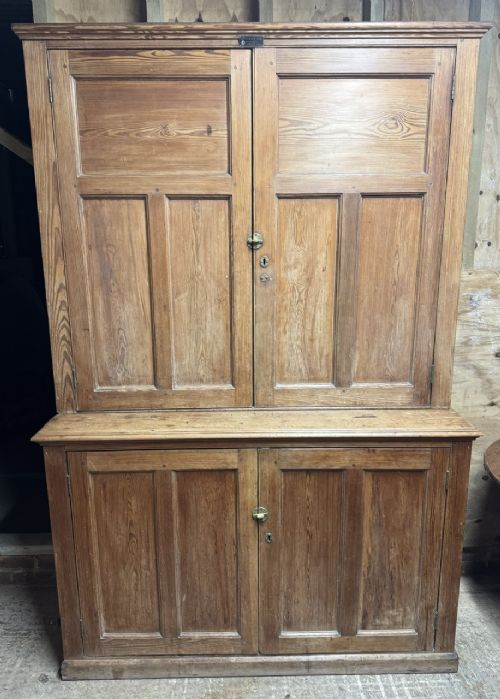
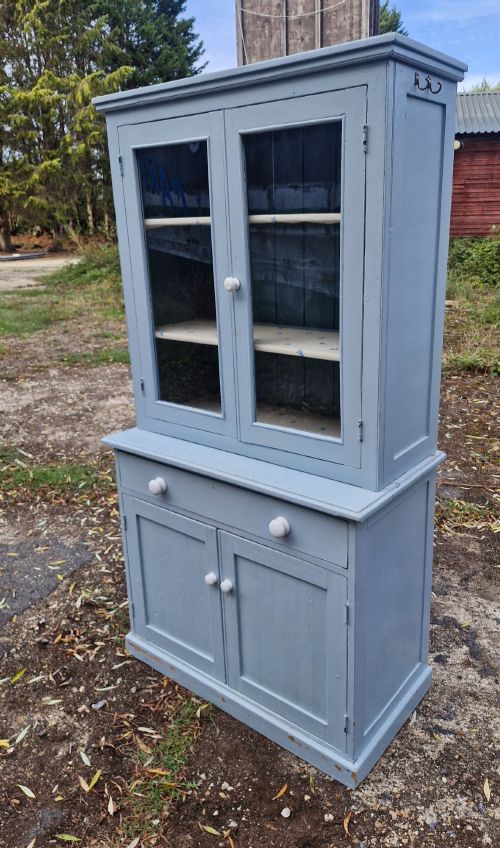
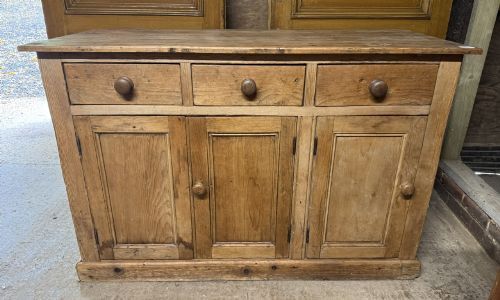
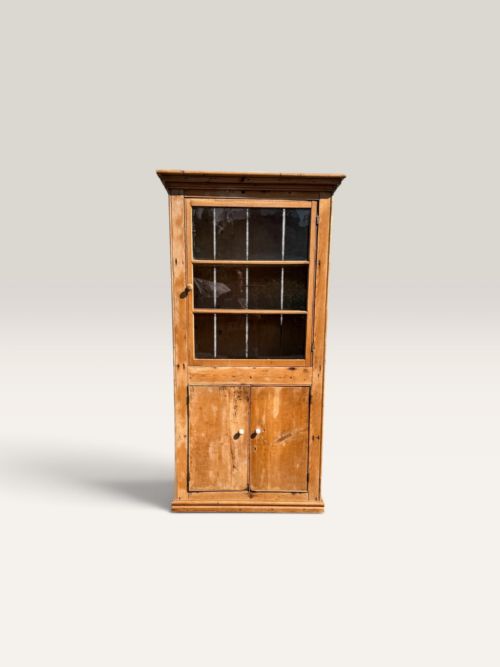
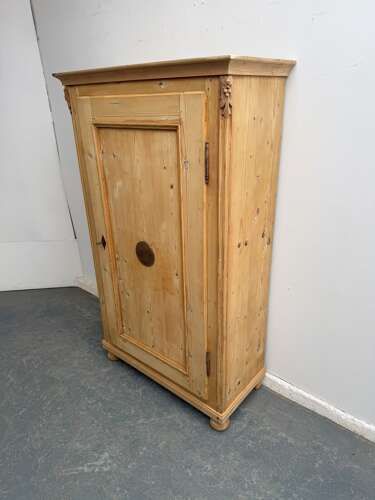
Victorian Pine Housekeeper Cabinet
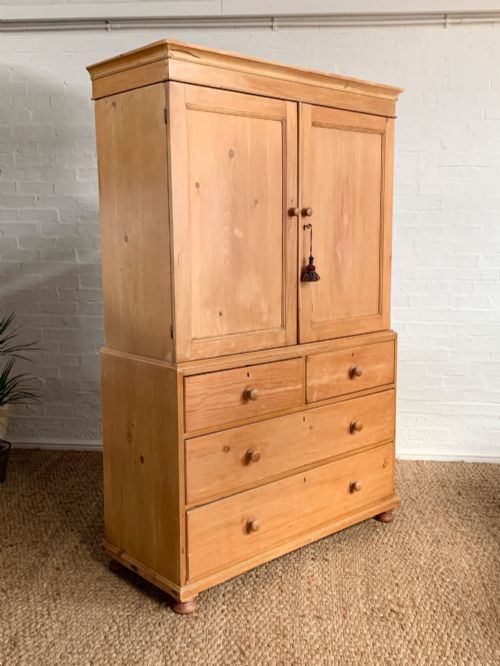
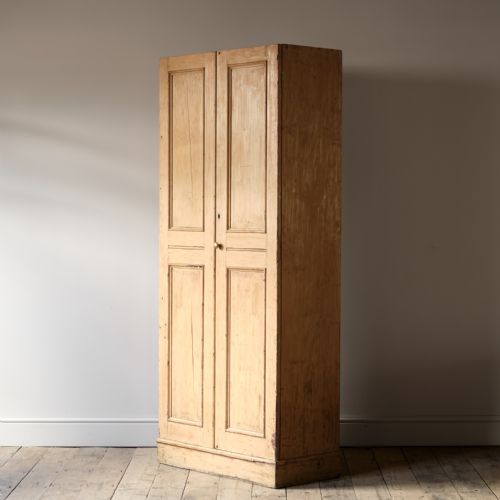
A victorian pine housekeeper cabinet is a heavy utilitarian storage piece built for large rural households, combining deep cupboards and drawers for domestic provisions.
Victorian Pine Housekeeper Cabinet
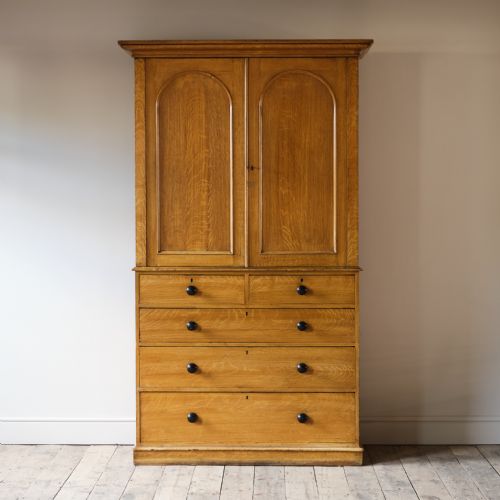
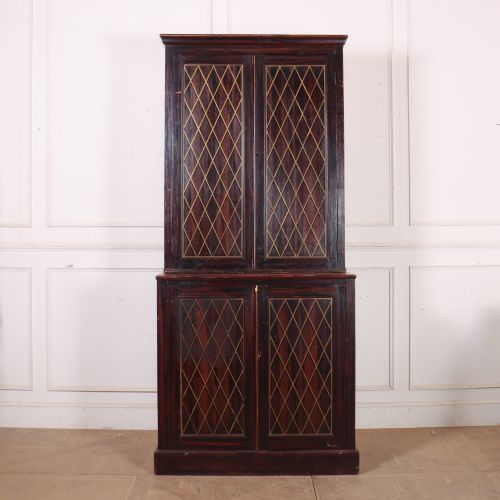
When you search for a victorian pine housekeeper cabinet, you encounter tall storage furniture built during the nineteenth century for organising domestic stores, linens, and kitchen provisions. The pieces on this page span the Victorian and Edwardian eras, taking forms such as large two-part kitchen cupboards, larder units, and linen presses.
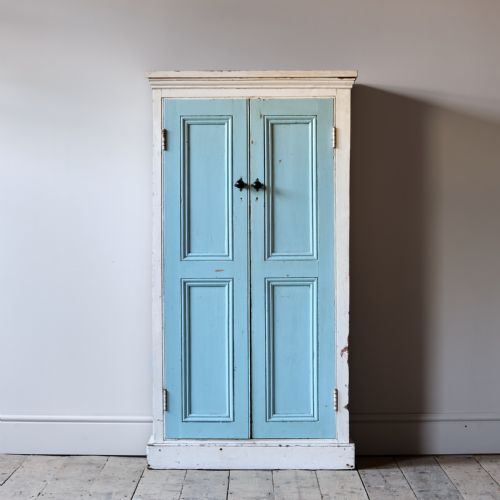
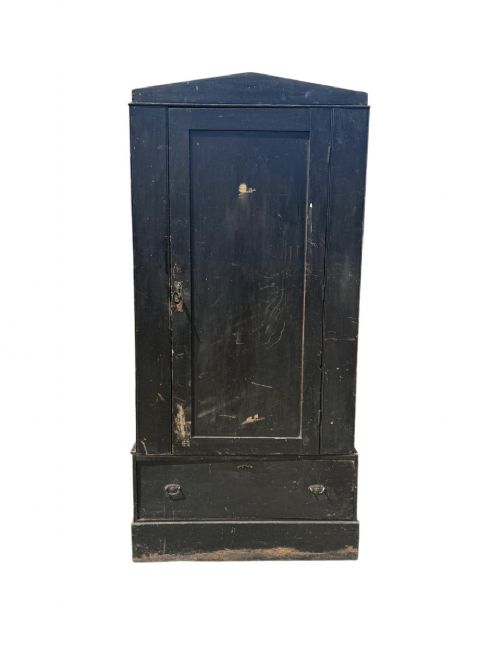
Most examples you meet are constructed in solid pine or pitch pine, often surfaced in old paint, scumble finishes, or wax. Regional country workshops produced these functional items to withstand heavy daily use in large houses and school rooms.
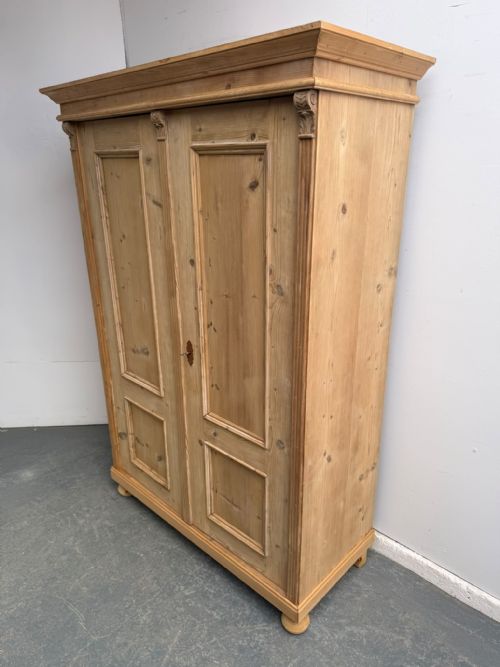
You will find single-door and multi-door formats, some featuring glazed upper sections or ventilated panels for food storage. Their utilitarian origins mean interiors often retain original shelving and adjustable storage arrangements.
How they were made
Makers utilised solid pine and pitch pine for carcases and doors, relying on sturdy pegged joints and fielded panels to handle timber movement in unheated rooms. Iron and brass hinges, latches, and hooks secure the heavy doors while adding utilitarian strength.
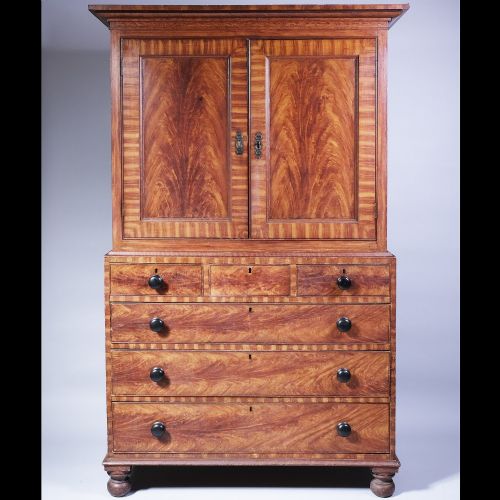
Surfaces were frequently finished with layers of paint, scumble glaze, or wax to protect the softwood from grease and moisture in kitchen environments. Glazed sections incorporated timber framing with small glass panes to display provisions or linen.
Listings feature pine and pitch pine construction across the Victorian, Edwardian, and early twentieth-century periods.
What varies in quality
The standard of a cabinet depends on the integrity of its original construction and the preservation of its surface finish. Pieces retaining untouched early paint or scumble work command greater interest than those stripped down to bare timber.
Proportion and scale also separate standard utility items from finer examples, particularly where makers incorporated glazed display doors, arched panels, or well-fitted internal drawers.
The Victorian Pine Housekeeper Cabinet Glossary
- Scumble painted
- A decorative technique involving translucent glaze dragged over a pale base coat to simulate graining. This finish was common on nineteenth-century utilitarian furniture.
- Pitch pine
- A dense, resinous variety of pine with pronounced grain patterns. It provided exceptional durability for hardworking domestic cabinets.
- Linen press
- A tall storage piece traditionally used for flat textiles, combining sliding trays or shelves in the upper section with drawers below.
- Fielded panel
- A wooden panel with bevelled edges designed to fit tightly into a grooved frame while allowing for natural wood expansion.
- Gothic revival
- An architectural and decorative style drawing on medieval forms, occasionally seen in pitch pine kitchen cabinetry through pointed arches.
Victorian Pine Housekeeper Cabinet: Frequently Asked Questions
What is a housekeeper cabinet?
A housekeeper cabinet is a large nineteenth-century storage unit built from pine to store household provisions, linens, and utensils in domestic quarters.
These pieces typically feature deep cupboards and internal shelving designed for heavy daily use in large country houses.
How do I date a pine cabinet?
Dating relies on construction methods, hardware types, and timber characteristics observed across the Victorian and Edwardian periods. Early examples often feature pegged joinery and hand-planed surfaces.
Later pieces from the twentieth century show machine-sawn timber and simpler internal fittings while retaining traditional forms.
Are these cabinets painted?
Many surviving pieces retain historic painted surfaces, scumble glazes, or wax finishes applied during their working lives. Some examples show layers of old paint that document generations of domestic upkeep.
Other items have been stripped down to reveal the natural grain of the pine or pitch pine beneath.
How were they used originally?
Housekeepers utilised these large cupboards in service rooms to store dry foods, table linen, and kitchen equipment securely. Ventilated doors on certain variants kept perishable goods fresh before refrigeration.
Linen presses focused on storing textiles flat to prevent creases in large household households.