




Rustic Pine Tall Cupboard
A rustic pine tall cupboard provides substantial utility with honest grain and everyday charm.
Rustic Pine Tall Cupboard
A rustic pine tall cupboard offers vertical storage for linen, clothing, and household goods while taking up minimal floor space. These pieces emerge across nineteenth century periods, incorporating Victorian and Georgian iterations alongside continental styles.
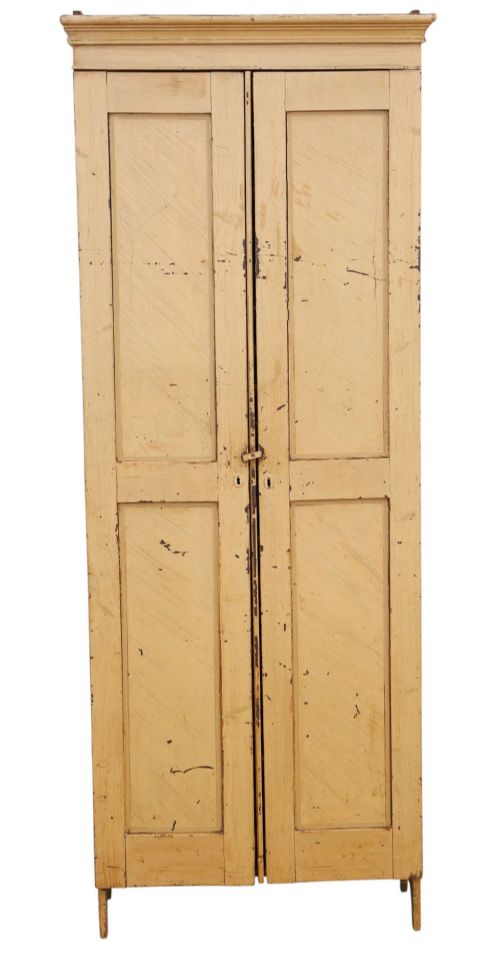
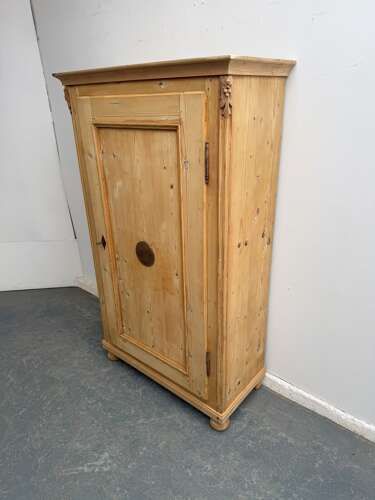
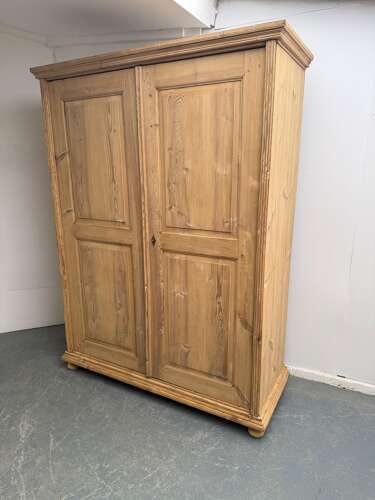
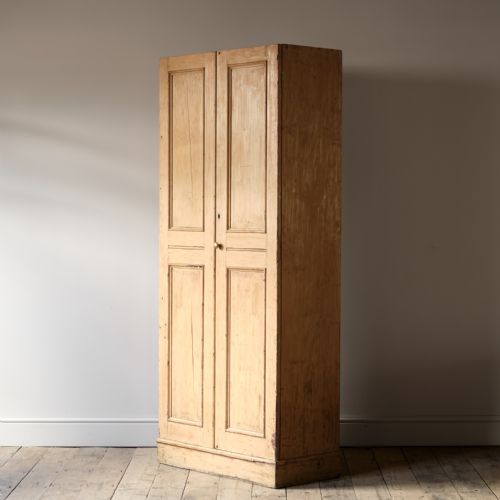
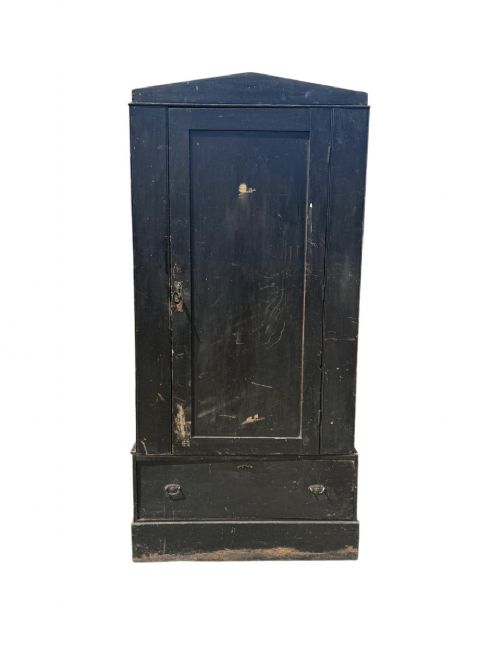
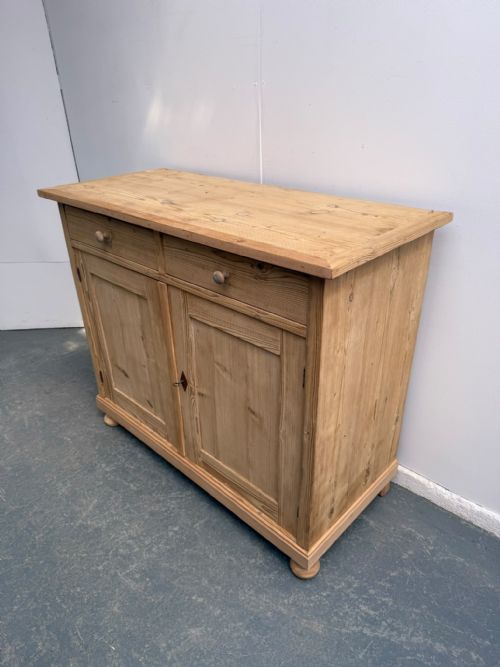
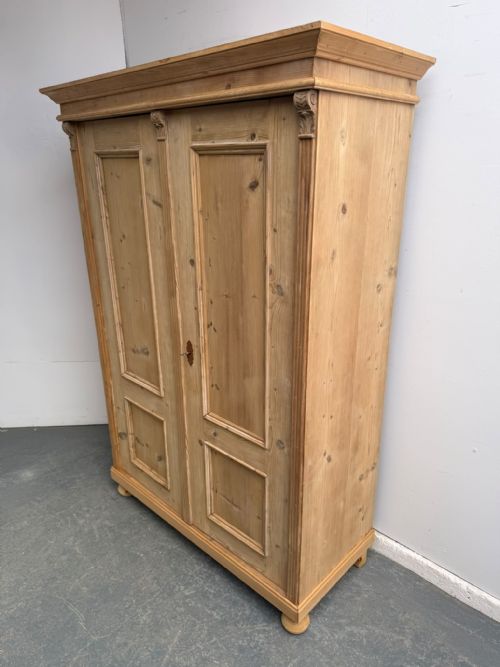
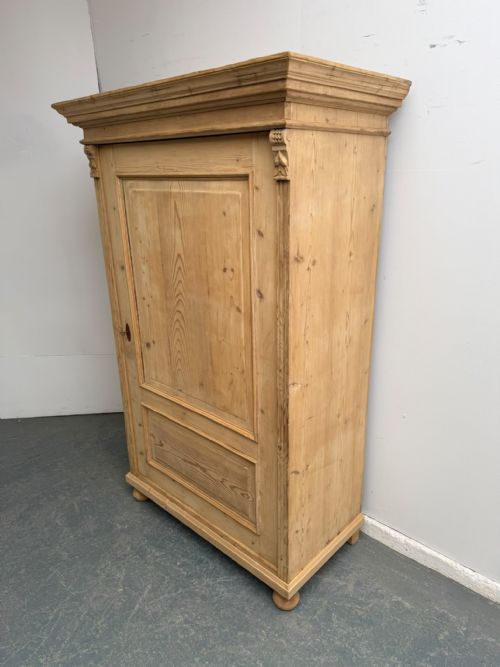
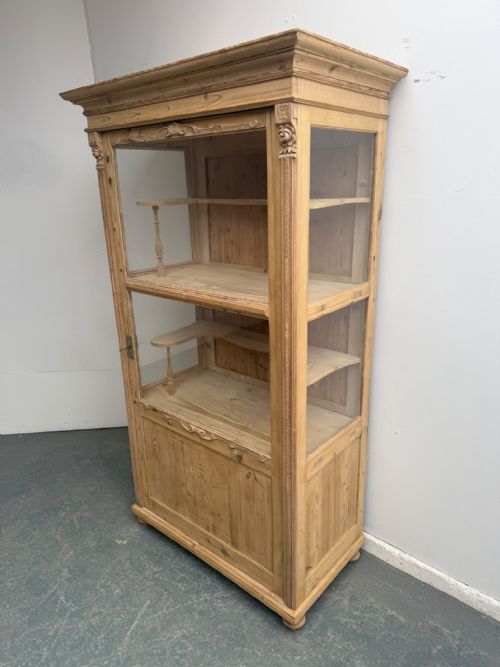
The version most commonly met on this page is a single or double door storage cupboard, often housing internal shelves or hanging space. Many examples appear in stripped pine, wax finish, or historic paint surfaces.
Design variations include chapel cupboards, larder cupboards, corner units, and linen presses. Some tall pieces arrive as knockdown wardrobes or two-part units intended for easier transport through older properties.
How they were made
Construction relies primarily on solid pine timbers, sometimes paired with oak structural elements or iron and brass hardware such as hinges and escutcheons. Joinery methods reflect traditional carpentry, utilising panelled doors, pegged joints, and dovetailed drawers.
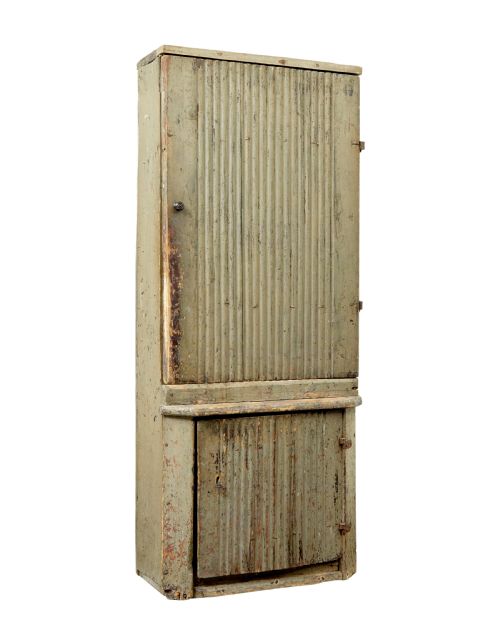
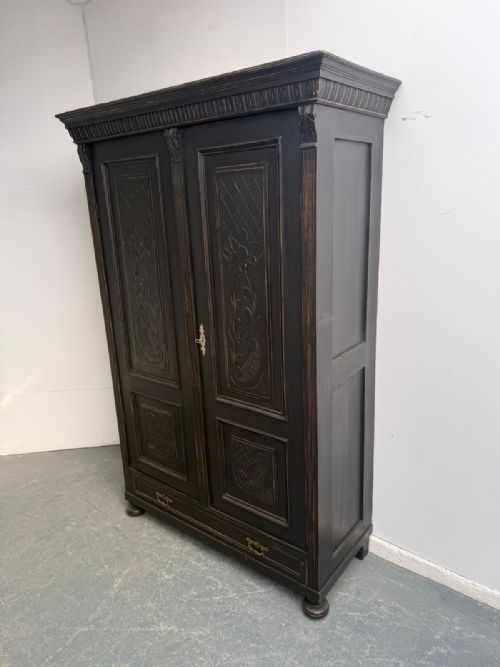
Many surviving examples feature original or later painted finishes, including cream, grey, and black paint schemes, while others are prepared to wax or paint. Glass panels appear in glazed display cabinets and select upper sections.
At least one listing includes a mysterious proofing cupboard alongside standard storage furniture.
What varies in quality
Quality rests in the integrity of the timber, the proportion of the vertical frame, and the survival of original surface treatments like historic paint or aged patinated wax. Pieces retaining original backboards, working iron hardware, and well-fitted panel doors command higher regard.
Simpler vernacular pieces display straightforward utilitarian construction, whereas examples with decorative mouldings, carved details, or architectural cornices demonstrate greater joinery ambition from the maker.
The Rustic Pine Tall Cupboard Glossary
- Knockdown wardrobe
- A large wardrobe designed to dismantle into modular sections for transport. This method of construction allowed bulky furniture to move easily between rooms.
- Linen press
- A tall cupboard featuring upper shelving for folded textiles and lower drawers for additional storage. These items typically date from the nineteenth century.
- Fielded panel
- A wooden panel with bevelled edges set into a recessed frame. This technique accommodates seasonal wood movement without splitting the timber.
- Corner cupboard
- A triangular cabinet built to fit neatly into room angles. These pieces maximise floor space in smaller domestic interiors.
Rustic Pine Tall Cupboard: Frequently Asked Questions
How were tall pine cupboards used?
These tall cupboards served versatile roles in domestic spaces, functioning as wardrobes for garments, larders for food provisions, or presses for household linens. Their vertical proportions maximised interior volume without dominating the room.
Many pieces stood in kitchens, bedrooms, or hallways to keep everyday items organised and protected from dust before fitted closets became standard.
Can these cupboards be dismantled?
Certain tall pine cupboards and wardrobes incorporate knockdown construction or two-part builds designed to separate into manageable sections. This feature facilitated transport through narrow stairwells and historic doorways.
Buyers should examine specific listings to confirm whether a given cabinet disassembles or remains fixed in one piece.
How do I care for wax finishes?
Waxed pine surfaces benefit from occasional applications of natural beeswax to nourish the timber and maintain a soft lustre. Avoid placing these cupboards in direct sunlight or near heat sources to prevent the wood from drying out.
Routine dusting with a dry cloth keeps the finish clean without stripping the aged patina accumulated over decades.
Are painted finishes original?
Some cupboards retain original painted surfaces, including historic cream, grey, or dark tones applied in regional workshops. Other pieces arrive in stripped timber or are listed ready to wax or paint according to preference.
Examining the paint layers under natural light helps determine whether the finish dates to the period of manufacture or represents a later decorative choice.