

Victorian Pierced Silver
Victorian pierced silver brings intricate metalwork to the table, combining cut-out designs with sterling metal.
Victorian Pierced Silver
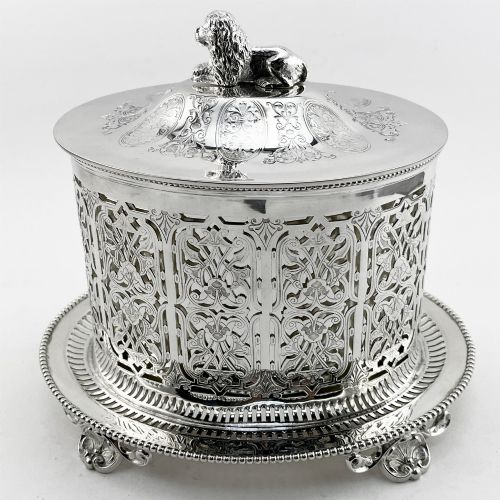
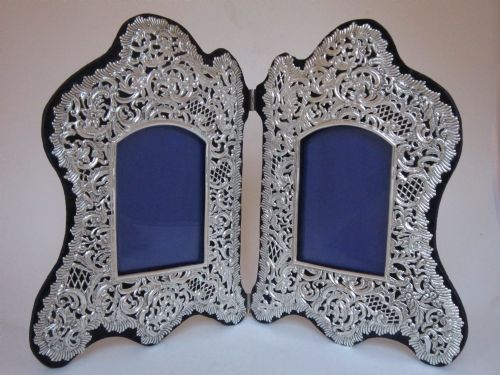
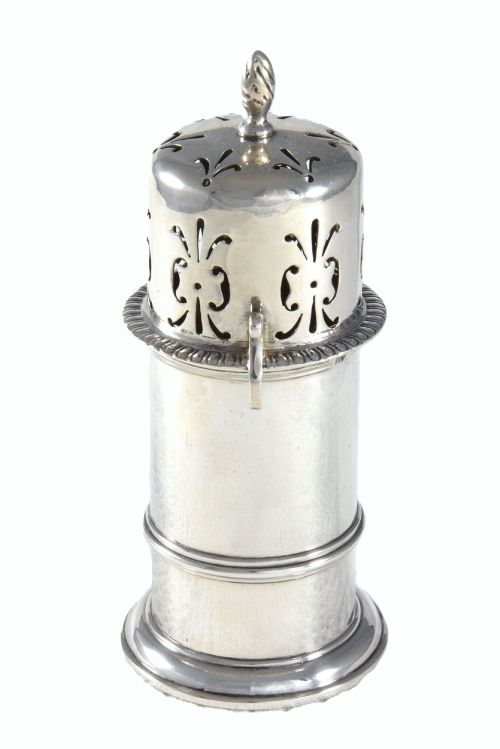
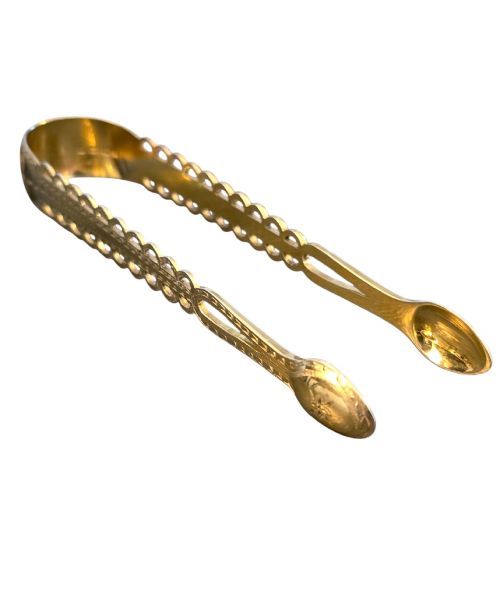
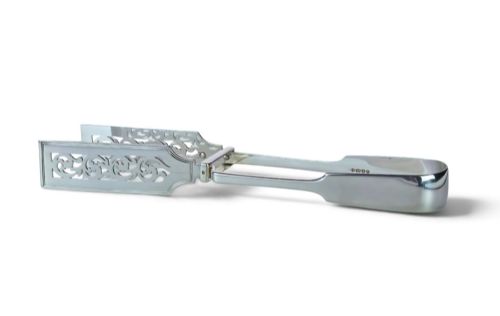
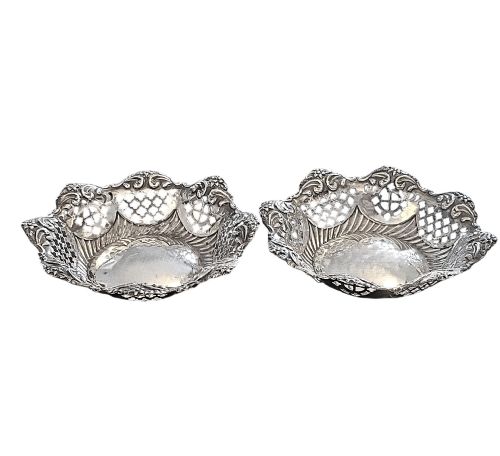
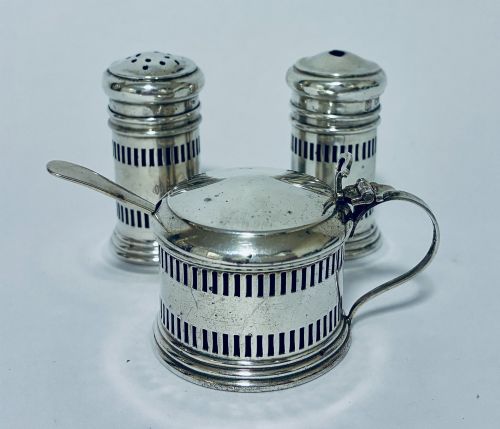
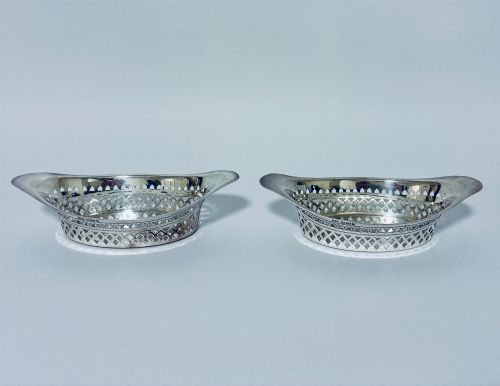
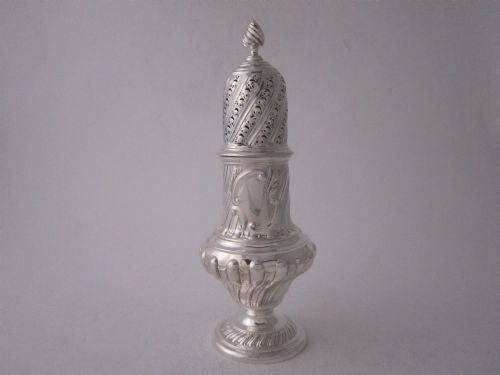
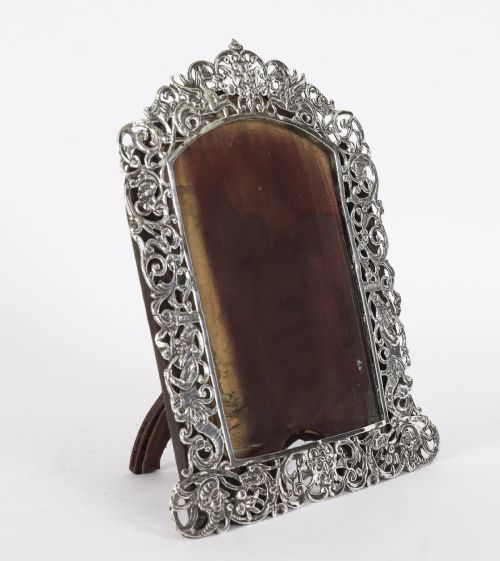
Victorian pierced silver comprises domestic items and tableware created during the nineteenth century, ranging from mustard pots and bonbon dishes to photograph frames and baskets. These objects rely on cut-out apertures to form decorative patterns, letting light pass through the silver body.
The pieces met most often on this page date from the mid to late Victorian era, alongside related examples from the nineteenth century. Makers utilised piercing techniques to lighten heavy tableware and frame coloured glass liners or velvet backing pads.
How they were made
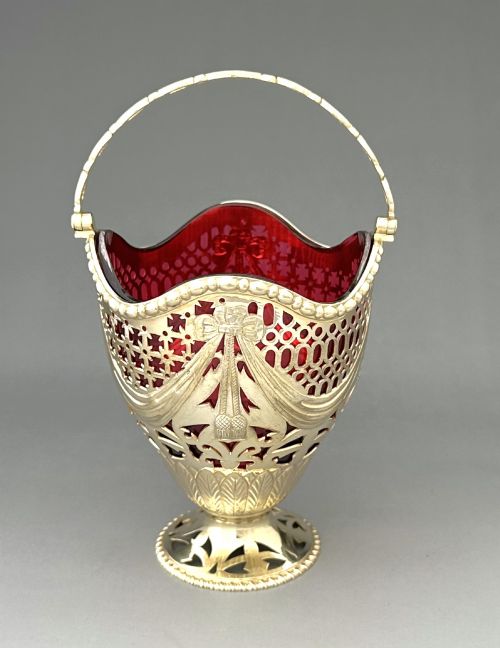
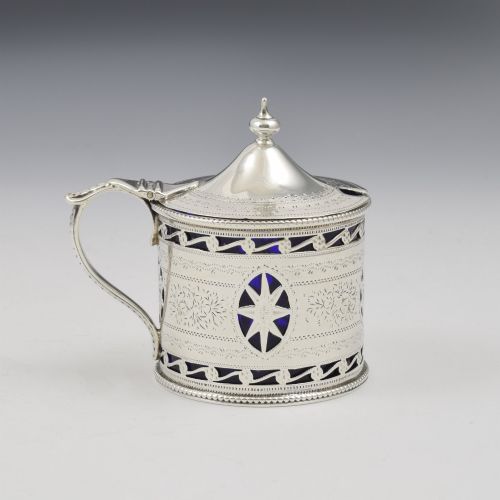
Silversmiths formed these items from sterling silver or silver plate, frequently incorporating contrasting materials like glass, wood, and velvet. Liners in cobalt or cranberry glass sat inside openwork baskets and mustard pots, showing bright colour through the fretwork.
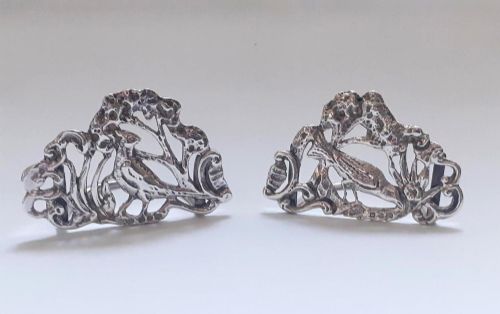
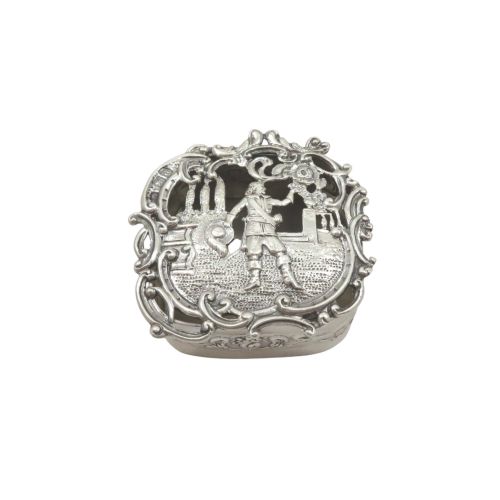
Workshops applied piercing by hand or with mechanical saws to create geometric or organic motifs across the metal. Engraving and casting often finished the rims and handles, completing the ornamentation of boxes and frames.
Victorian Pierced Silver Retail Price Guide 2026
Typical asking prices for victorian pierced silver among the pieces listed under this phrase on Sellingantiques today, from the lower quarter to the upper quarter. They describe what is for sale here now, not the wider market.
Several items double as miniature menageries, featuring chased owls, birds, dogs, and cherubs peering through the pierced silver.
What varies in quality
The standard of execution depends on the crispness of the cut edges and the depth of the metal work. Sharp, clean piercing without distortion marks skilled workmanship, whereas softer lines indicate hurried production or heavy wear.
Weight and balance distinguish higher tier items, particularly when paired with glass liners or hinged lids. Substantial gauge silver maintains structural integrity better across large picture frames and fruit baskets.
Elizabeth Eaton·George William Adams·Mitchell Bosley And Co·Nathan And Hayes·William Comyns·Edward Smith
The Victorian Pierced Silver Glossary
- Piercing
- The technique of cutting decorative openings through sheet metal to form patterns. This method lightens the object while adding visual complexity.
- Sterling Silver
- An alloy containing ninety-two point five percent silver by mass. British items carry hallmark stamps to verify this standard.
- Vinaigrette
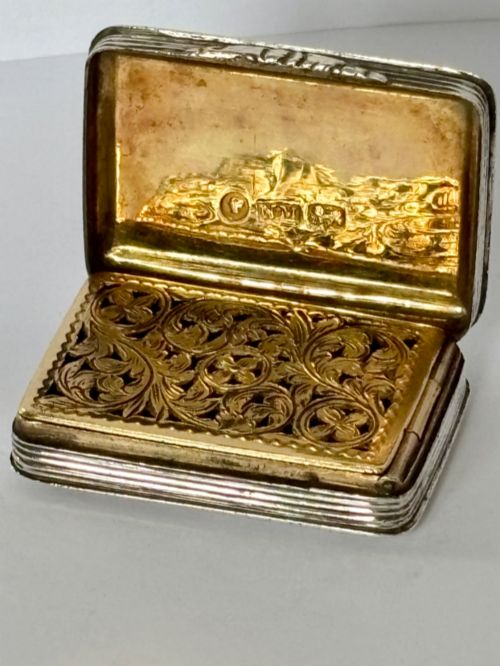
- A small hinged box containing a sponge soaked in aromatic vinegar. These portable containers often feature internal pierced grilles.
- Mustard Pot
- A small container for table mustard, frequently supplied with a glass liner and a spoon. Pierced versions let the coloured glass show through the sides.
Victorian Pierced Silver: Frequently Asked Questions
How do I clean pierced silver?
Soft brushes remove dust and tarnish from the intricate cut-out sections without scratching the metal surface. Liquid polishes suit these items better than abrasive pastes.
Rinse the pieces thoroughly in warm water to clear polish residue from the apertures, then dry them immediately with a soft cloth to prevent spotting.
Are glass liners original to the silver?
Original glass liners fit snugly inside the pierced metal framework without excessive movement or gaps. Replacements often differ slightly in colour or thickness from nineteenth-century standards.
Examine the rim of the glass and the interior of the basket for matching wear patterns. Original liners frequently display small bubbles or irregularities typical of period manufacturing.
How do I read Victorian silver hallmarks?
British hallmarks include a standard mark for silver purity, a town mark indicating the assay office, and a date letter. These symbols identify the exact year and place of manufacture.
Additional stamps record the reigning monarch and the maker's registered punch. Reference books link these punch marks to specific silversmiths active in the nineteenth century.
Where should I display pierced silver?
Place these items away from direct sunlight and damp environments to protect any fitted velvet, wood, or glass components. Well-lit cabinets highlight the shadow play created by the pierced designs.
Tableware pieces function well on dining surfaces during meals or on sideboards when not in use. Ensure photo frames rest on stable surfaces away from high-traffic areas.