






Victorian Pierced Silver Tray
A victorian pierced silver tray brings formal service to the table through intricate metalwork.
Victorian Pierced Silver Tray
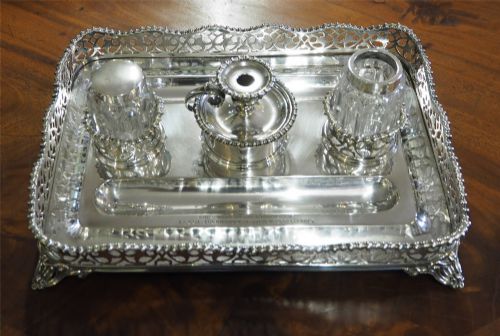
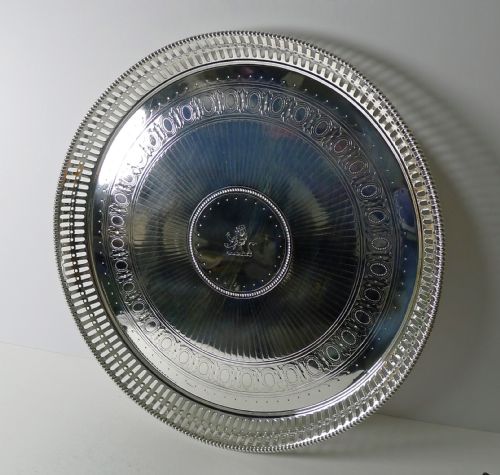
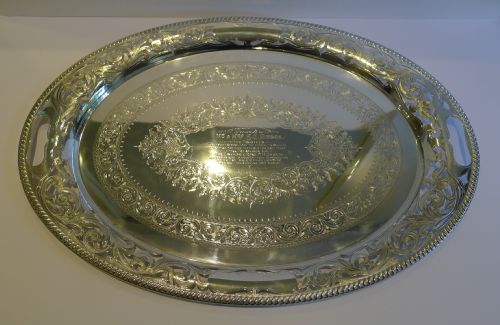
The selections on this page range from solid sterling silver examples bearing hallmark dates to silver plated versions from major makers. Forms include oval serving dishes, circular trays, and reticulated platters from the Victorian era.
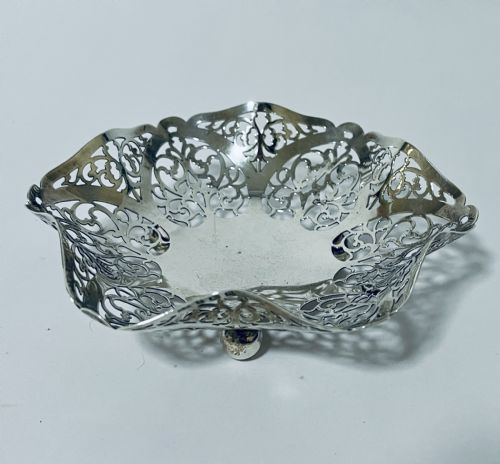
Buyers will encounter both sterling silver and silver plated metals, alongside related desk accessories and bonbon dishes. The dominant aesthetic relies on pierced and reticulated decoration typical of the period.
Materials and Method
Silversmiths utilised solid sterling silver and various plated bases including Sheffield plate, copper, and nickel silver. Pierced and reticulated designs were achieved by cutting through the metal sheet by hand or using mechanical presses.
Many items incorporate repoussé work alongside piercing, pushing the metal from behind to create raised relief patterns. Engraving often complements the openwork borders to add surface detail.
Listings feature items spanning the Victorian, Edwardian, and Georgian periods, using materials from sterling silver to copper and Sheffield plate.
Evaluating Quality
Quality rests upon the crispness of the piercing and the integrity of the base metal. Finer pieces maintain sharp edges within the openwork design without thinning of the metal plate.
Maker marks and clear hallmarks indicate workshop origin and standard of silver content. Substantial weight and balanced construction distinguish superior serving trays from lighter domestic wares.
Elkington·Martin Hall·Lee and Wigfull·J.H. Potter
The Victorian Pierced Silver Tray Glossary
- Pierced
- Metalwork perforated with decorative geometric or floral patterns. This technique lightens the visual weight of the tray.
- Reticulated
- Net-like openwork created by cutting or casting the metal. It appears frequently on late nineteenth-century serving pieces.
- Repoussé
- Metal shaped by hammering from the reverse side to form a raised design. It provides texture alongside pierced borders.
- Sheffield Plate
- A fused sheet of silver over a copper core developed in the eighteenth century. Earlier pieces show a distinct copper edge where the silver layer meets.
- Hallmark
- Official stamps indicating the metal standard, assay office, and year of manufacture. Sterling silver pieces carry these marks to verify authenticity.
Victorian Pierced Silver Tray: Frequently Asked Questions
What is a pierced tray used for?
These trays were traditionally used for serving beverages, fruit, or small dishes in formal dining settings. The openwork rim kept items secure while offering a decorative presentation.
Today, they function as decorative centrepieces, vanity trays, or serving accessories for special occasions.
How do I clean silver plated trays?
Silver plated pieces require gentle cleaning with a specialised silver cloth or mild polish to preserve the thin metal layer. Avoid abrasive cleaners that can wear away the plating.
Store them in dry environments to slow down tarnishing between uses.
What is the difference between sterling and plated?
Sterling silver consists of solid precious metal throughout, marked with official assay office stamps. Silver plated items use a base metal such as copper, nickel silver, or Sheffield plate coated in a layer of silver.
Both types appear across nineteenth-century dining wares.
How can I date a Victorian tray?
Dating relies on hallmarks stamped into the metal for sterling pieces, which indicate the exact assay year. For silver plated items, style markers, maker marks, and patent dates provide an approximate period.
Many pieces on this page date from the mid to late nineteenth century.