
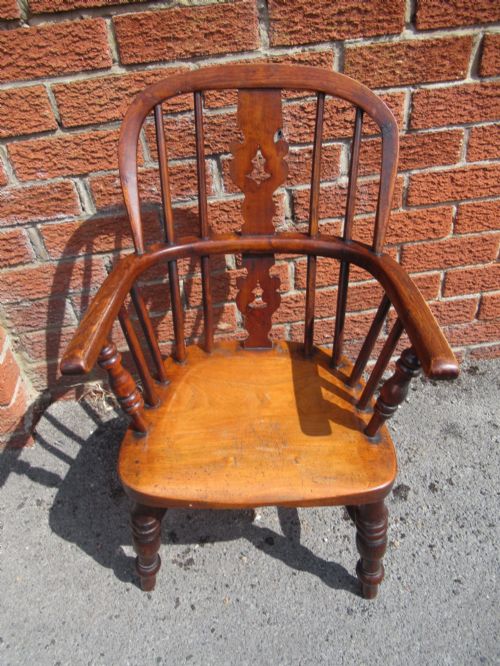
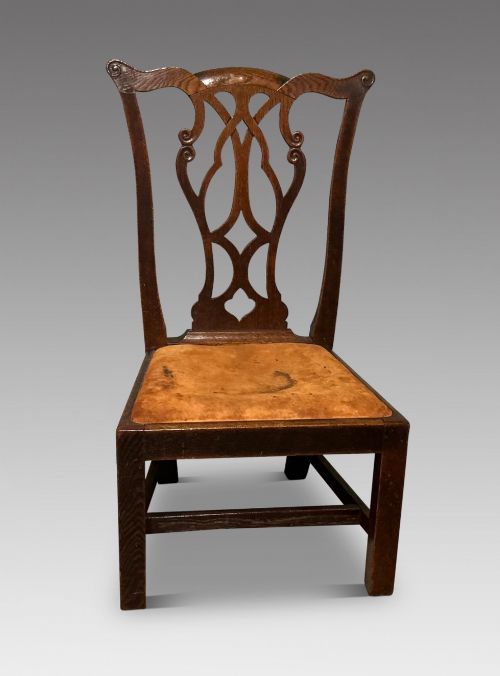
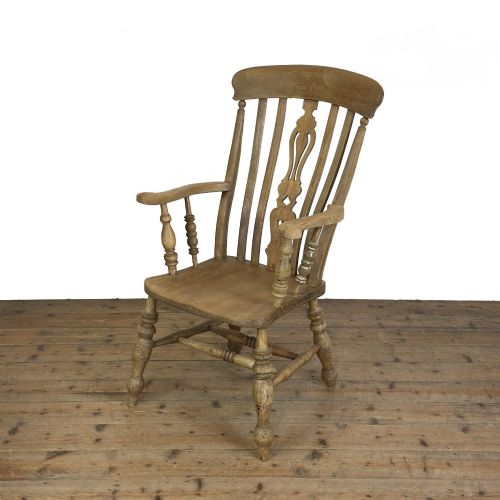
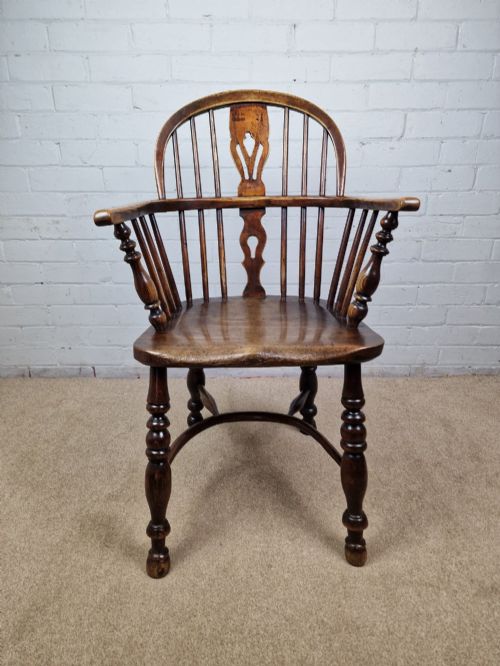
Victorian Pierced Back Chair
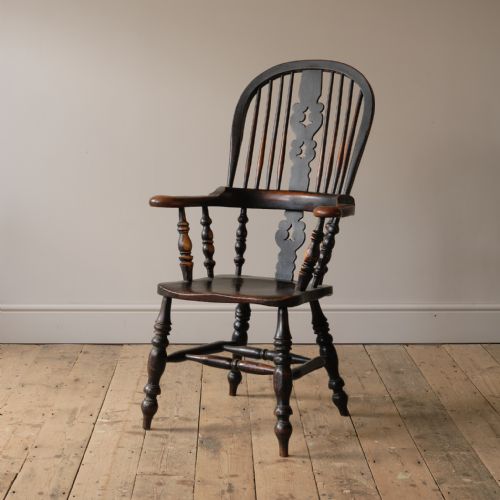
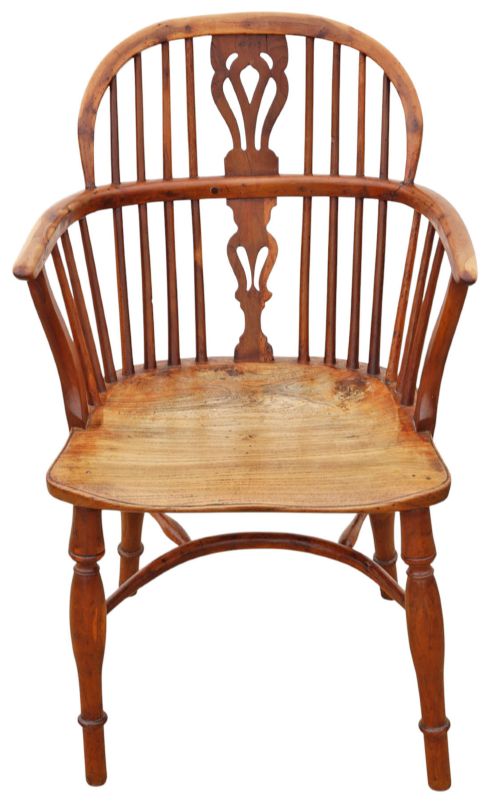
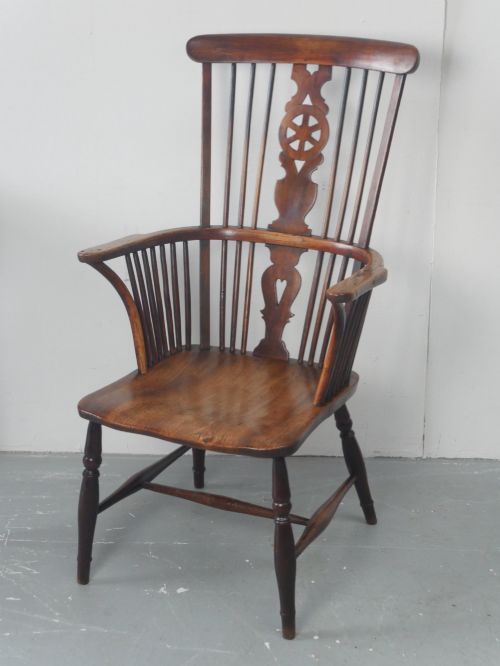
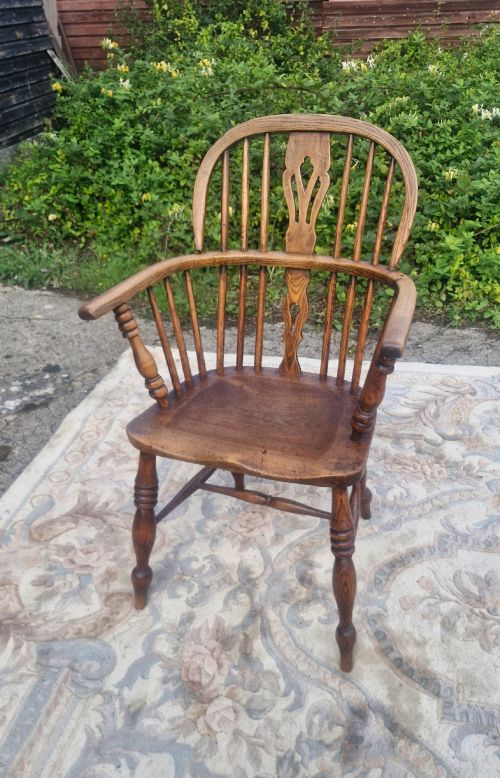
These Victorian pierced back chair examples combine sturdy country timbers with classic splat designs for functional seating.
Victorian Pierced Back Chair
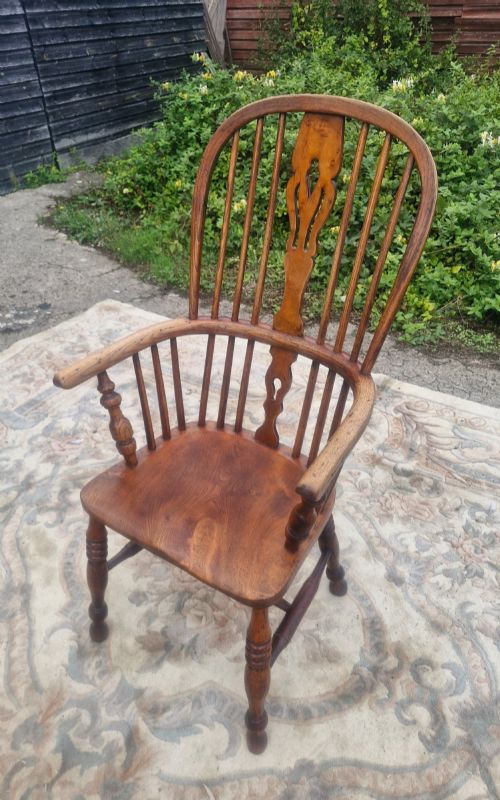
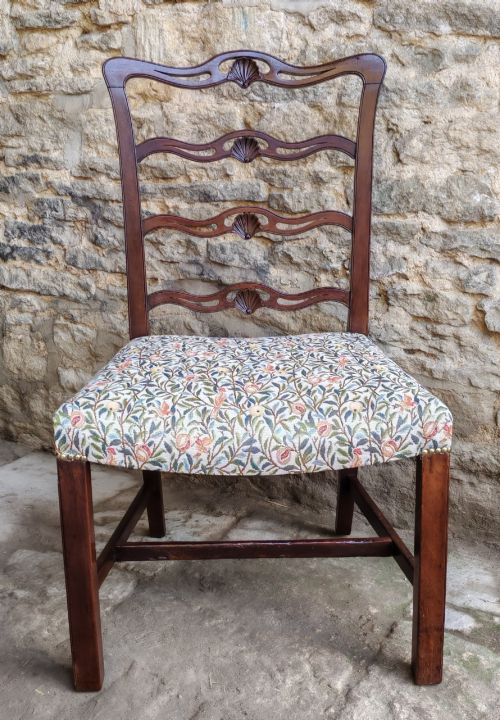
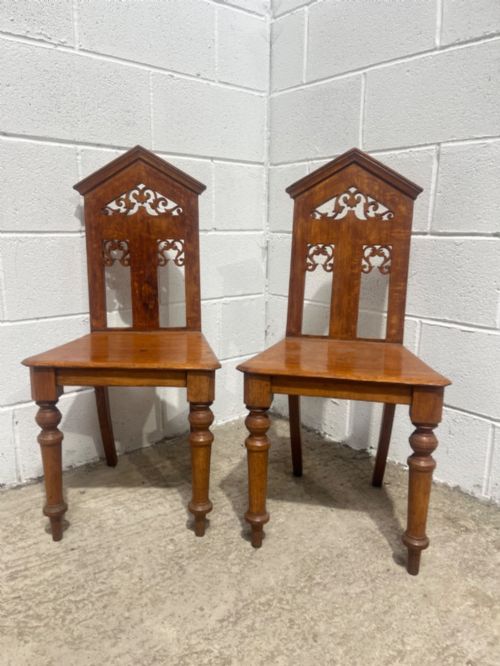
A victorian pierced back chair brings together nineteenth century seating traditions, ranging from robust country kitchen chairs to carved mahogany parlour pieces. Buyers encounter various forms on this page, including dining chairs, hall chairs, and low or high back armchairs.
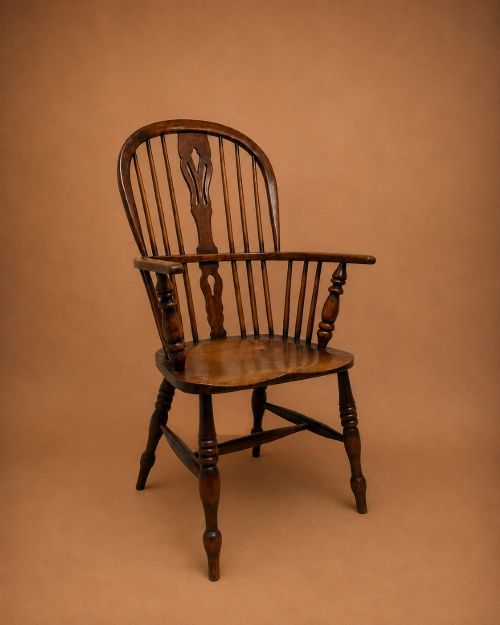
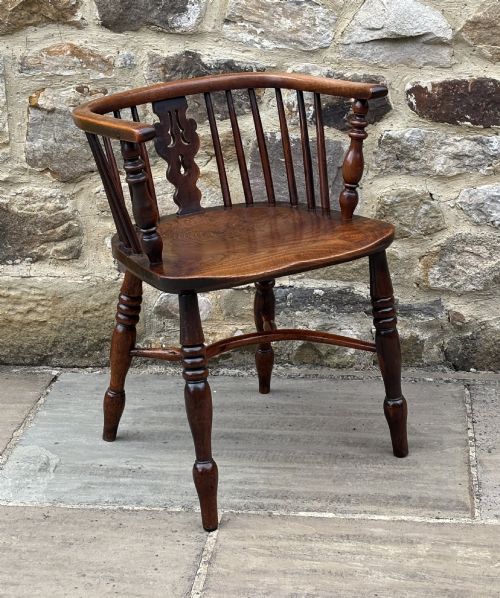
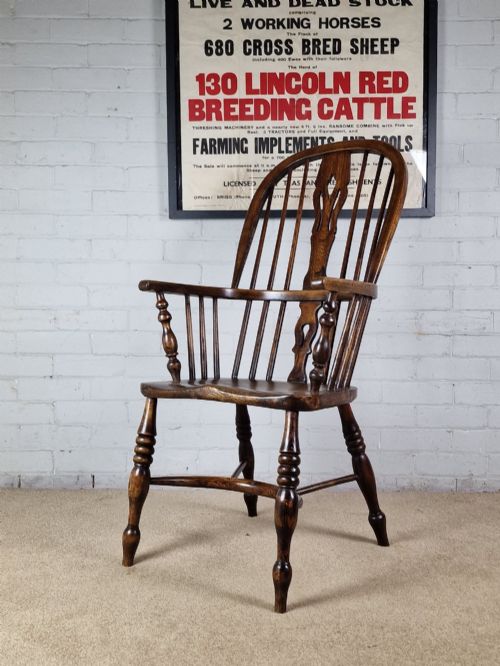
The material evidence points heavily toward classic English country formats, particularly Windsor chairs shaped from elm, ash, and yew wood. Alongside these rural forms appear mahogany and walnut side chairs and armchairs displaying nineteenth century Revival styles.
Materials and Technique
Craftsmen utilised mixed timber construction, pairing resilient elm seats with ash, beech, fruitwood, or yew for spindles, backs, and legs. This combination provided structural strength where needed while allowing fine turning on legs and stretchers.
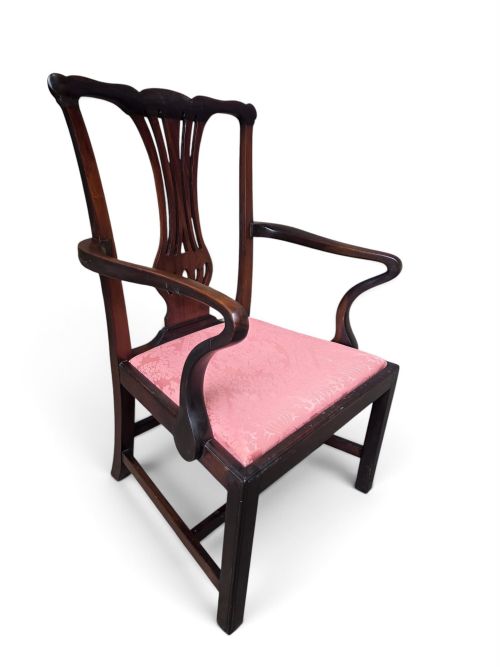
Formal dining and hall chairs rely on mahogany and walnut, shaped with carved ladderbacks or pierced splats. Joinery methods include traditional pegging and steam bending to create curved arms and comb backs.
Listings feature nineteenth century pieces spanning the Victorian and Edwardian eras, constructed from elm, yew, ash, beech, oak, mahogany, and walnut.
Distinctions in Standard
Quality separates through timber selection and the crispness of the carving or turning. Yew wood examples with well-figured grain sit at a different level from standard beech and elm kitchen seating.
Proportion and structural integrity define the better pieces. Retaining matching sets, original crinoline stretchers, and untouched patination distinguishes superior examples from heavily restored alternatives.
The Victorian Pierced Back Chair Glossary
- Pierced back
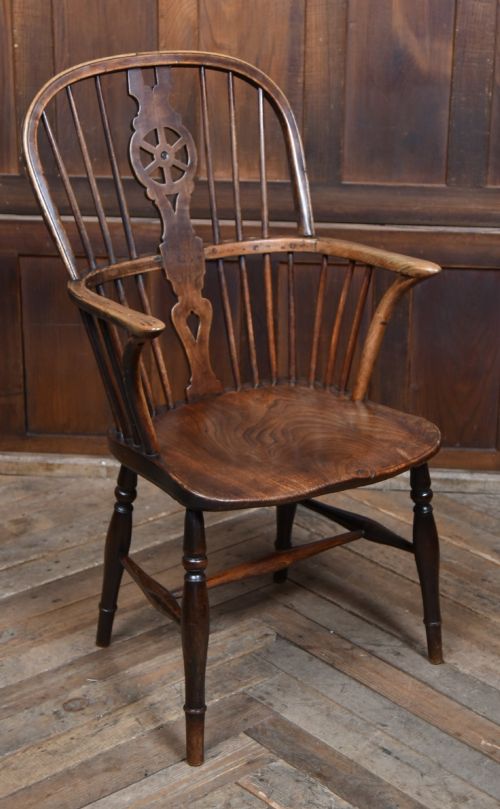
- A chair back featuring an openwork splat, often cut with decorative shapes like wheels or urns. This design lightens the appearance of the timber.
- Windsor chair
- A wooden chair constructed with a solid saddle-shaped seat into which the legs and back spindles are direct-tenoned. They appear widely in ash, elm, and yew.
- Crinoline stretcher
- A curved metal or wooden stretcher connecting the legs of a Windsor chair below the seat. It adds rigidity to the undercarriage.
- Carver
- A traditional term for an armchair, frequently used alongside dining chairs in period sets. These pieces often feature broad arms.
- Splat
- The vertical central strip of wood in the middle of a chair back. Pierced splats are characteristic of Chippendale and revival styles.
Victorian Pierced Back Chair: Frequently Asked Questions
How do I identify a Windsor chair?
Windsor chairs are defined by a thick, sculpted wooden seat where the legs and back spindles are fixed directly into drilled holes. They are commonly constructed from mixed timbers like elm seats with ash or yew spindles.
Regional variations include high backs, low backs, and comb back designs originating from English country workshops.
Where were these chairs used historically?
These chairs served multiple domestic and public functions throughout the nineteenth century. Sturdy elm and ash examples equipped farmhouses and kitchens, while mahogany and walnut versions furnished parlours and dining rooms.
Hall chairs were placed in entranceways to provide brief seating for callers.
How should I care for antique wooden chairs?
Maintain antique chairs by keeping them away from direct heat sources and sudden humidity changes. Apply natural beeswax periodically to nourish dry timber and preserve the historic finish.
Avoid commercial polishes containing silicones that can degrade the original patination over time.