
Victorian Pedestal Cupboard
When you search for a victorian pedestal cupboard, you are looking at nineteenth-century storage pieces designed to stand beside a bed or in a corner.
Victorian Pedestal Cupboard
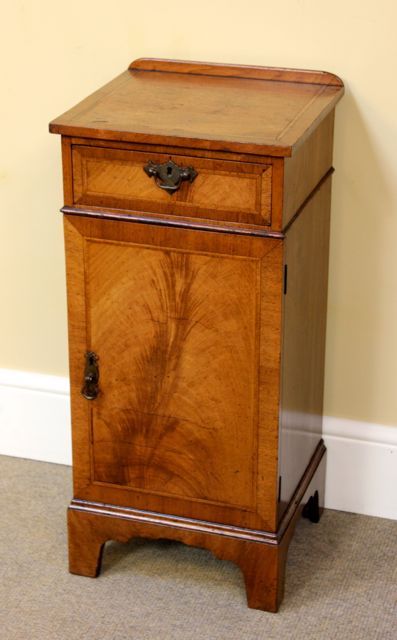
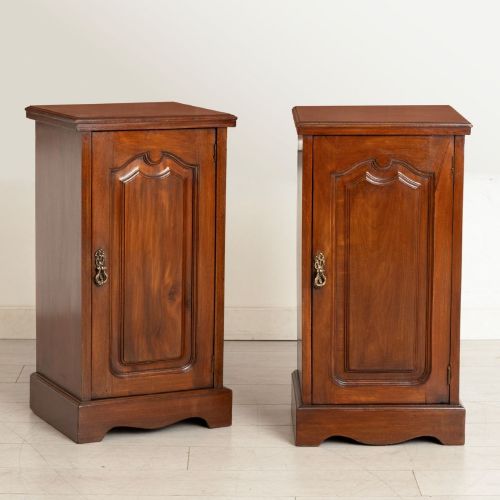
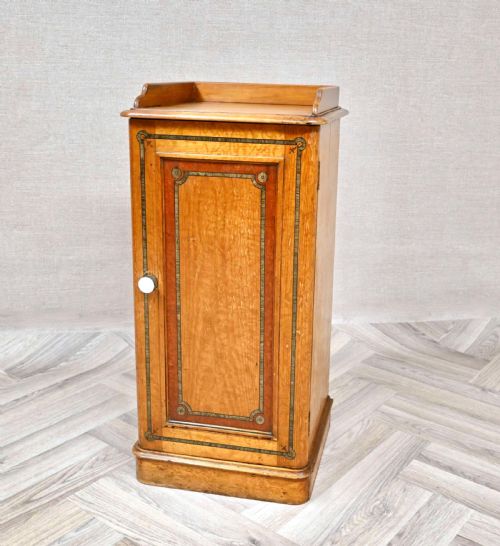
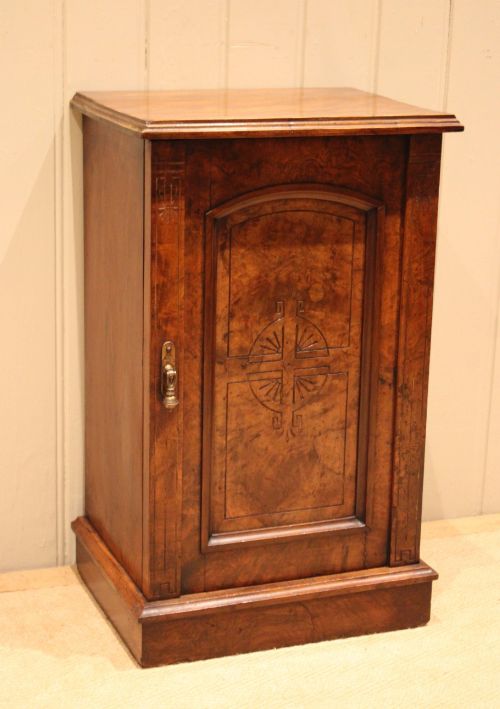
A victorian pedestal cupboard is a compact, single-door storage piece designed primarily for nineteenth-century bedrooms as a bedside cabinet or pot cupboard. The form typically stands on a plinth base or small feet, enclosing a single shelf and sometimes a small drawer above the main compartment.
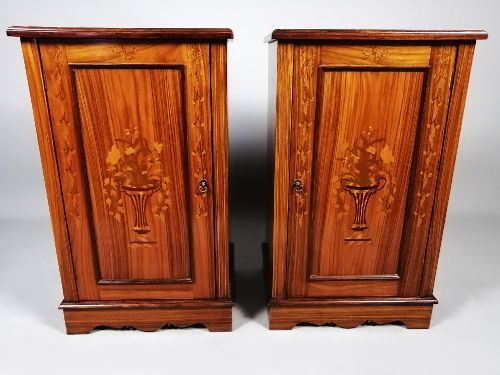
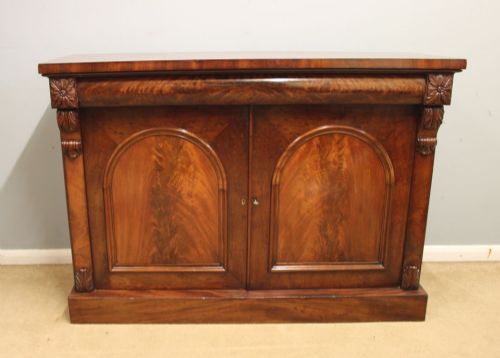
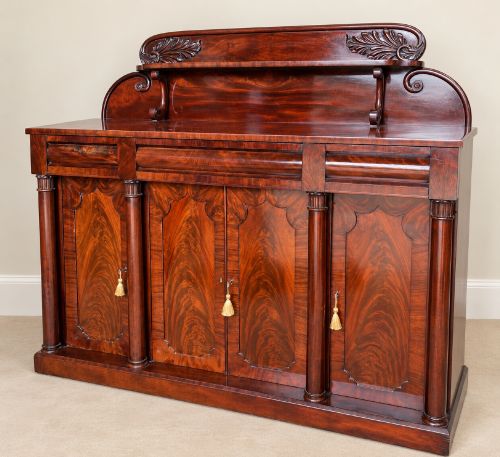
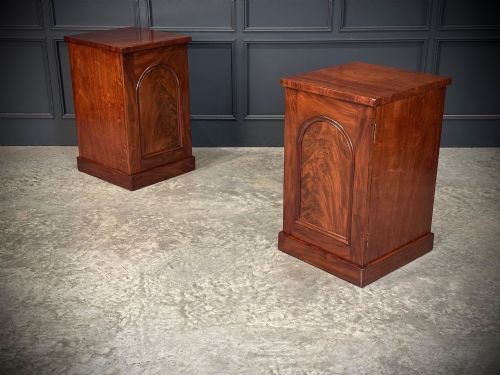
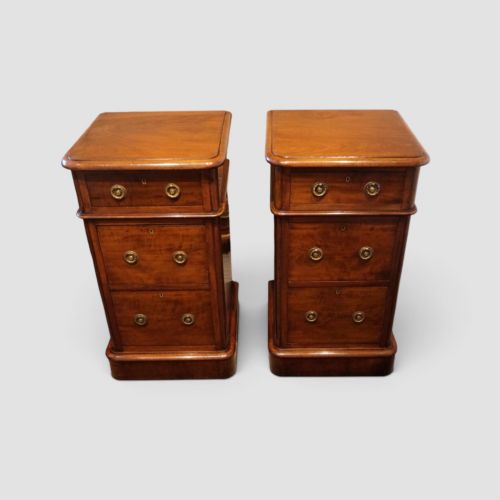
On this page, the most common version you will meet is made of mahogany, often with flame grain or simple panelled doors. These pieces reflect the domestic needs of the period, offering discrete storage for chamber pots or night essentials within a tidy footprint.
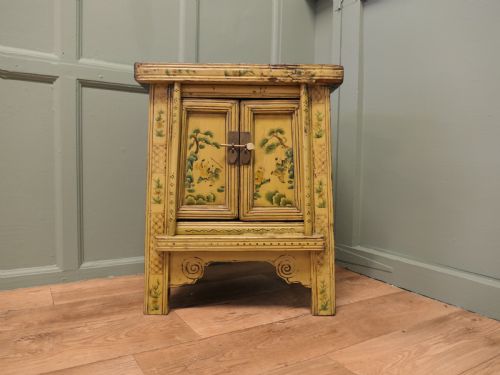
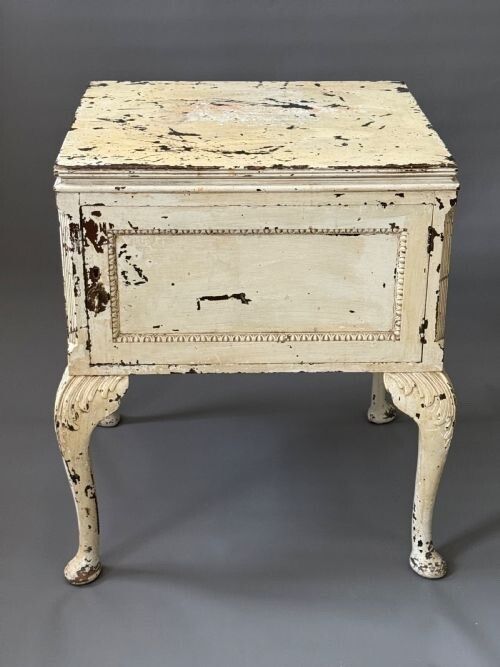
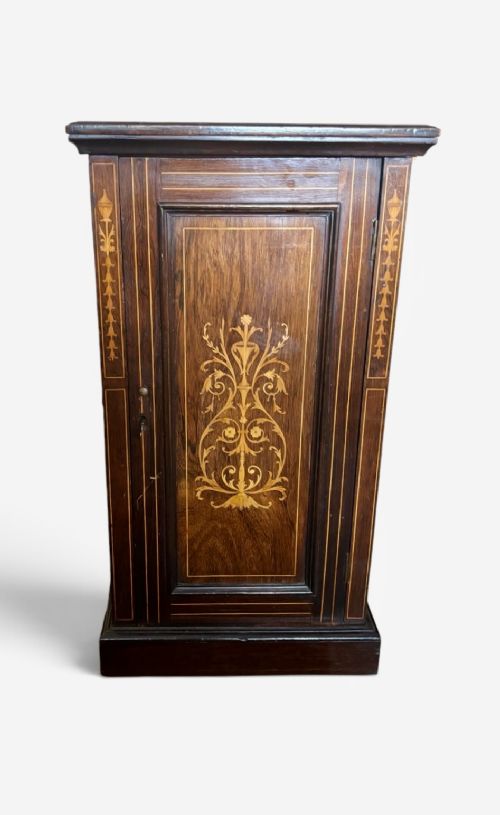
Alongside standard square and rectangular models, the selection includes cylindrical shapes and occasional marble-topped variants designed to handle everyday use without staining the timber. Variations span from plain country pine to decorated surfaces incorporating marquetry or painted finishes.
How they were made
Cabinet makers built these pieces using solid timbers like mahogany, oak, and walnut, often applying figured veneers such as burr walnut or flame mahogany to the primary visible surfaces. Carcase construction relied on traditional dovetail joints for drawers and panel-and-frame methods for doors to accommodate natural wood movement.
Secondary woods such as pine appear inside carcases and drawer linings, showing the practical division between display surfaces and structural framing. Finishes were applied through hand-polishing with shellac or wax, building a durable surface that highlights the grain of the timber.
Victorian Pedestal Cupboard Retail Price Guide 2026
Typical asking prices for victorian pedestal cupboard among the pieces listed under this phrase on Sellingantiques today, from the lower quarter to the upper quarter. They describe what is for sale here now, not the wider market.
Listings feature woods including mahogany, walnut, burr walnut, rosewood, oak, and satin birch, alongside marble tops and painted finishes.
What varies in quality
Quality in a victorian pedestal cupboard rests on the selection of timber and the precision of the cabinet work. Superior examples use richly figured veneers matched across the front and doors, whilst simpler versions rely on plain, utilitarian boards.
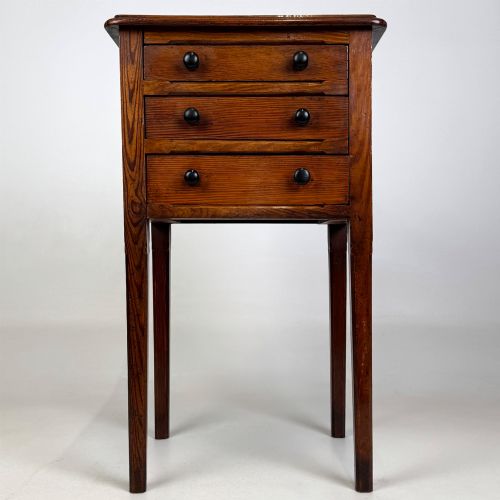
Details such as thumb-moulded drawer edges, well-fitted panel doors, and original brass or wooden turned knobs distinguish finer workshops from mass-produced items. The integrity of the plinth base and the smoothness of the door action further separate standard utilitarian pieces from high-grade chamber furniture.
Howard And Sons·W Walker Bunhill Row
The Victorian Pedestal Cupboard Glossary
- Pot cupboard
- A small enclosed cabinet originally built to house a chamber pot behind a single door. These often feature a vented back or interior shelf.
- Flame mahogany
- A veneer cut from the fork of the mahogany tree where the branch meets the trunk. It creates a distinctive, flickering flame pattern across the surface.
- Plinth base
- A solid flat block or low platform upon which the cupboard stands, replacing traditional legs in many nineteenth-century designs.
- Marquetry
- Decorative inlay work using various coloured woods to form geometric or floral patterns on the surface of the cabinet.
- Cylindrical
- A rounded or circular carcase construction requiring curved panels and specialised joinery to form the body of the cupboard.
Victorian Pedestal Cupboard: Frequently Asked Questions
What is a victorian pedestal cupboard used for?
These pieces were originally designed for nineteenth-century bedrooms to serve as bedside cabinets or enclosed storage for chamber pots. They kept night essentials neatly out of sight beneath a convenient surface for a candle or lamp.
Today, they function well as compact bedside tables or small side cabinets in a hallway or living room. Their enclosed storage makes them practical for hiding modern clutter while occupying minimal floor space.
Are these pieces made of solid wood?
Most examples combine solid structural frames with high-quality timber veneers applied to the primary exterior surfaces. Carcases often utilise dense hardwoods like mahogany or oak for durability, paired with secondary woods like pine on interior components.
The use of veneer allowed cabinet makers to display striking grain patterns, such as flame mahogany or burr walnut, which would be unstable or prohibitively expensive as thick solid planks.
How do I care for a marble top on a cabinet?
Marble surfaces require gentle cleaning with warm water and a mild, non-acidic soap to avoid etching the stone. Harsh chemical cleaners can dull the polished finish and damage the natural calcium content of the marble.
Using coasters and placemats helps prevent stains from liquids settling into the porous stone over time. Regular dusting with a soft cloth keeps the surface clean without risking abrasion.