
Victorian Pedestal Bureau
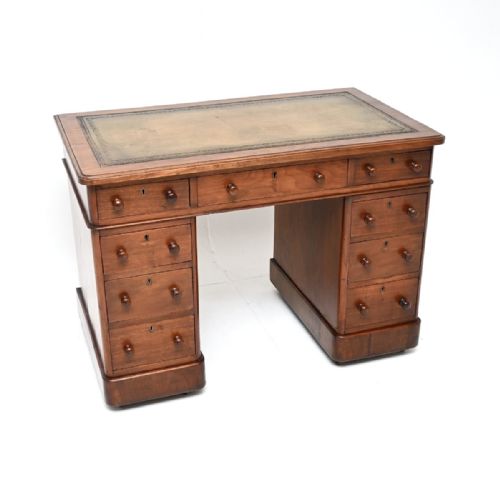
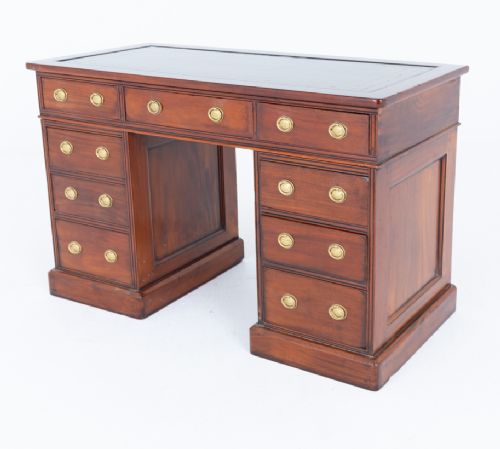
These Victorian pedestal bureau pieces combine generous writing space with secure pedestals of drawers, offering a substantial work surface for traditional studies.
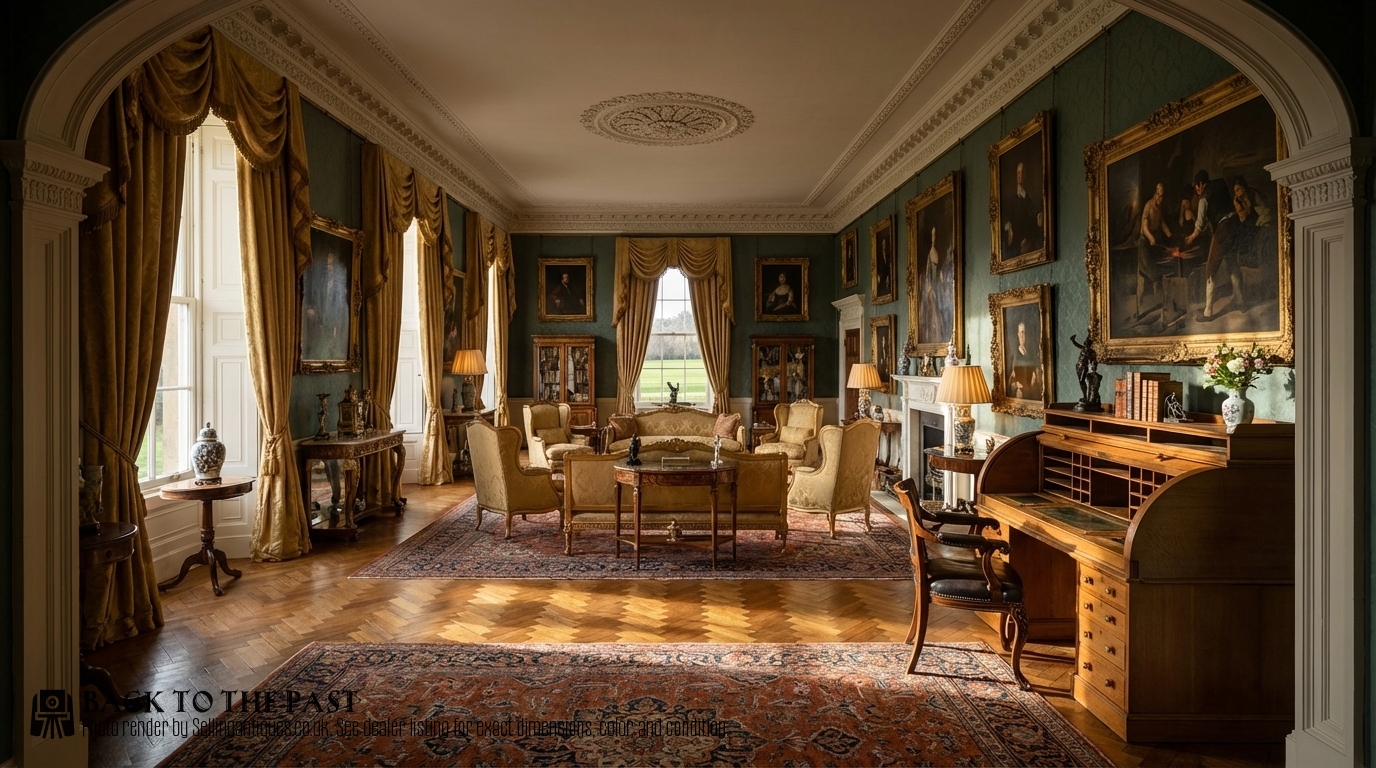
Victorian Pedestal Bureau
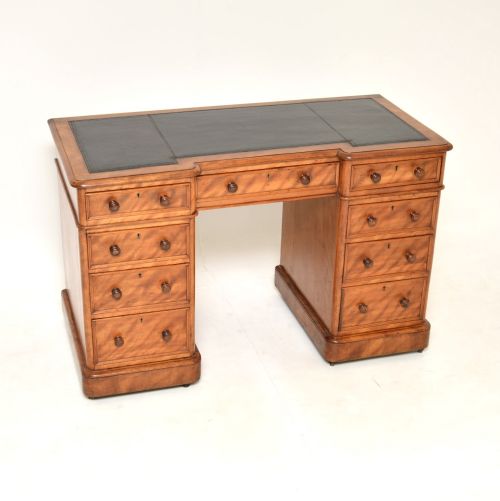
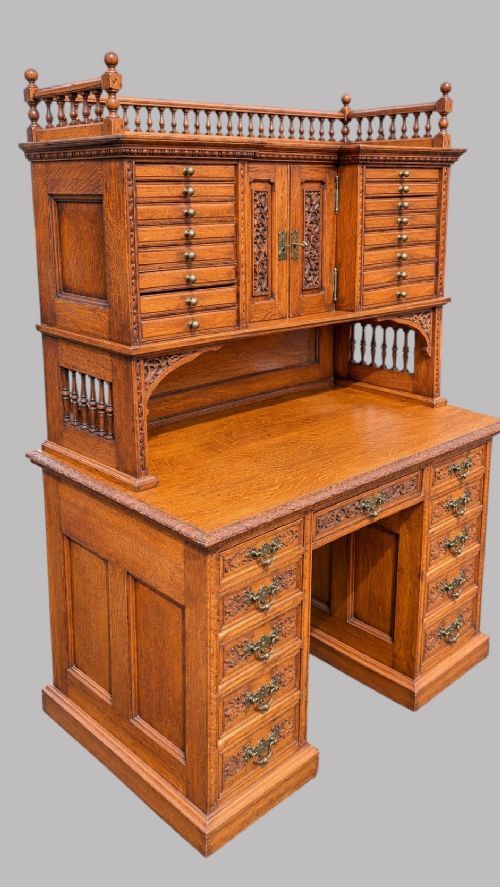
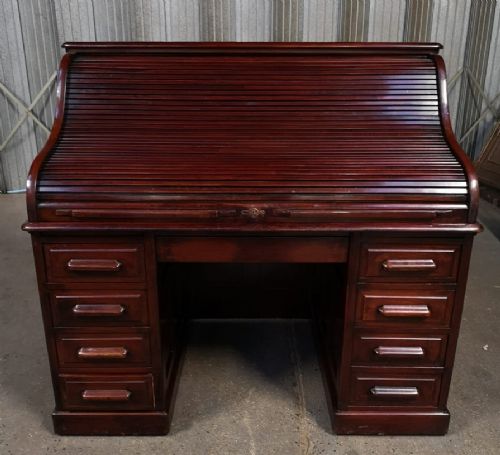
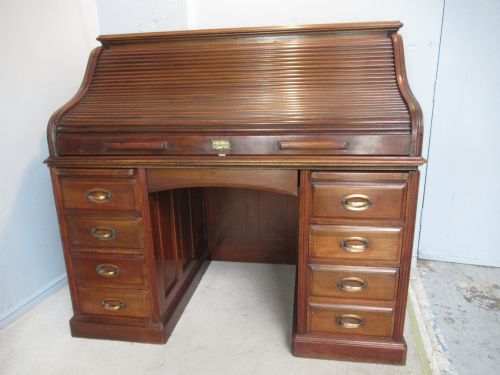
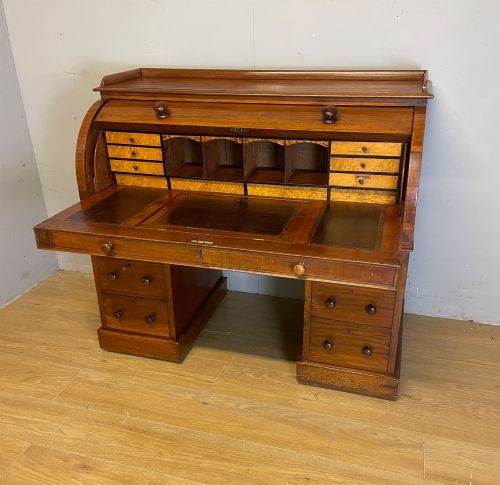
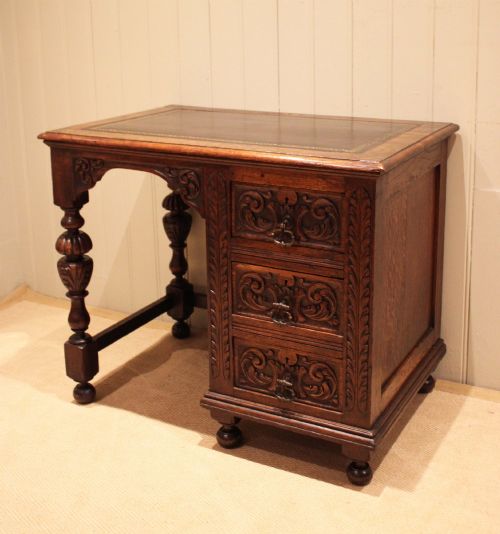
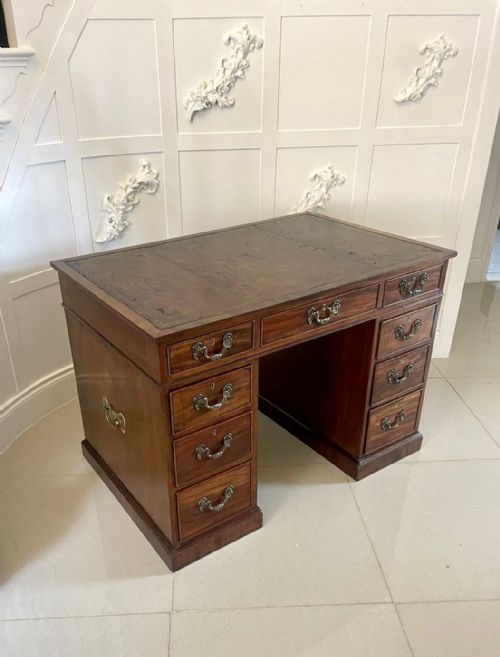
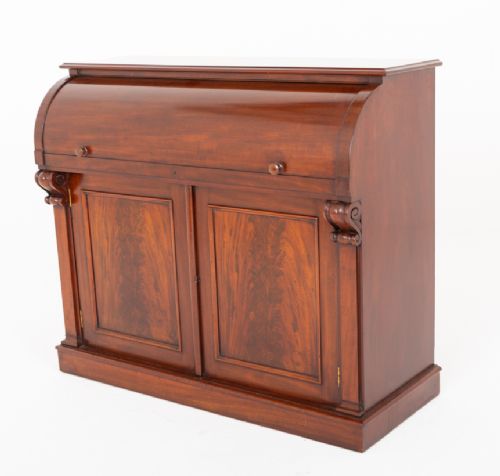
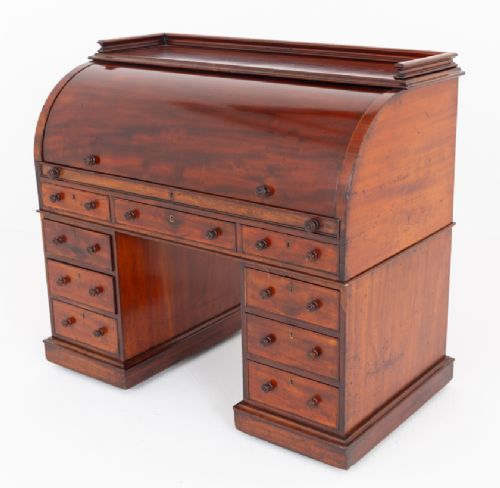
A Victorian pedestal bureau provides a dedicated writing space featuring a sloped or cylinder writing surface set above banks of drawers. These pieces appear frequently in mahogany, oak, and walnut, often dating from the nineteenth century.
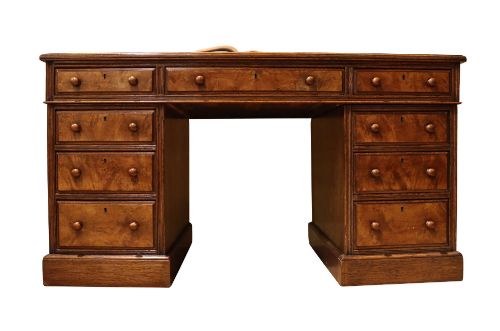
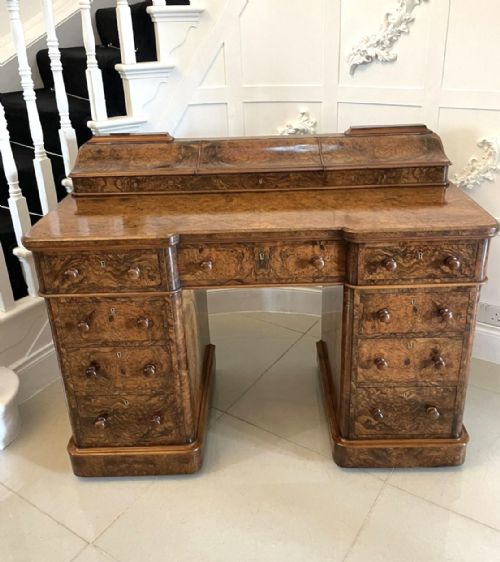
The layout generally comprises twin pedestals supporting the main writing section, creating a substantial kneehole space in the centre. Variations range from simpler oak clerks' desks to elaborate burr walnut cylinders.
Buyers seeking this form will find examples incorporating leather inserts, tambour tops, and internal pigeonholes designed for organised correspondence. Most pieces reflect the heavy use of timber and brass hardware typical of the period.
Materials and construction
Cabinet makers utilised dense hardwoods such as mahogany, oak, and walnut for the primary framework and drawer linings. Veneers of burr walnut and satinwood were frequently applied to flat surfaces to create decorative grain patterns.
Brass handles, escutcheons, and hinges provided functional and decorative accents across the drawer fronts and doors. Leather inserts were commonly glued into recessed writing surfaces to provide a smooth plane for ink writing.
Victorian Pedestal Bureau Retail Price Guide 2026
Typical asking prices for victorian pedestal bureau among the pieces listed under this phrase on Sellingantiques today, from the lower quarter to the upper quarter. They describe what is for sale here now, not the wider market.
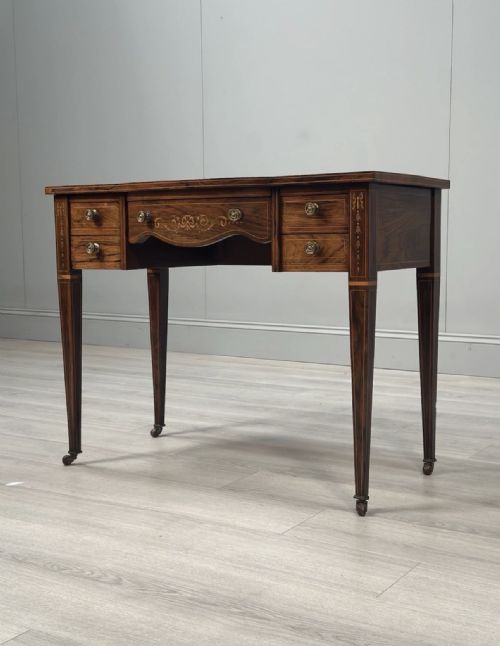
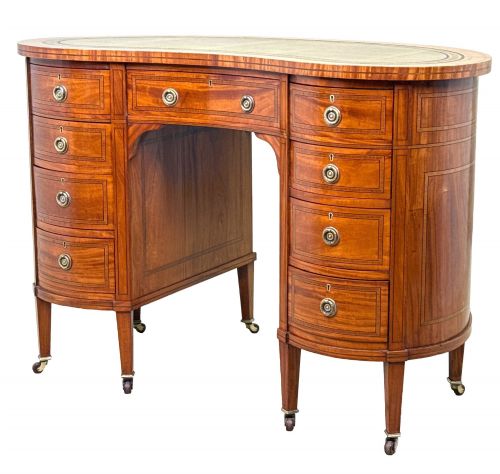
Listings feature woods including mahogany, oak, walnut, burr walnut, satinwood, and rosewood across the Victorian and Edwardian periods.
Assessing quality in construction
The standard of timber selection and veneer matching largely dictates the calibre of a piece. Finer examples display continuous grain patterns across multiple drawer fronts and employ solid secondary timbers throughout the interior carcass.
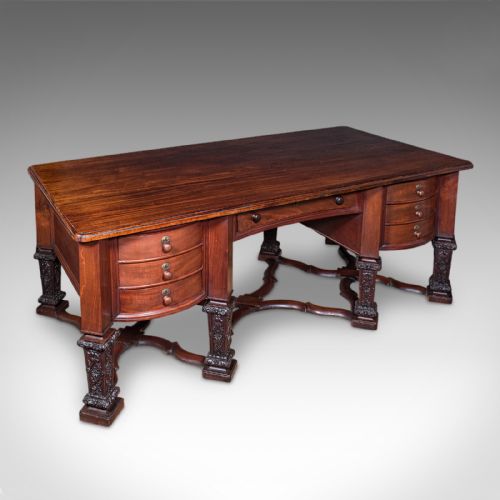
Carved details and marquetry inlay require close inspection to judge the hand of the maker. Superior desks show crisp, deep carving in oak or mahogany rather than shallow mechanical stamping, alongside tightly fitted dovetail joints on every drawer.
Maple & Co·Heal and Son·Rumney & Love·George Faulkner Armitage
The Victorian Pedestal Bureau Glossary
- Pedestal
- A structural support containing a vertical column of drawers beneath the main writing surface. Two such columns support the writing slab.
- Cylinder desk
- A writing desk featuring a quarter-circle rotating wooden cylinder that conceals the writing surface and internal pigeonholes when closed.
- Kneehole
- The central recess beneath a desk designed to accommodate the user's legs while seated.
- Dovetail
- A traditional interlocking joint used in drawer construction to ensure strength and longevity without relying solely on glue.
- Tambour
- A flexible shutter made from narrow strips of wood glued to a canvas backing, allowing it to slide along a track.
Victorian Pedestal Bureau: Frequently Asked Questions
How do I care for the leather writing surface?
Leather inserts benefit from occasional treatment with a neutral leather balm or wax to prevent drying and cracking over time. Avoid using abrasive household cleaners or excessive water near the seams.
Keep direct sunlight away from the desktop to maintain the colour of the leather and prevent the surrounding wood finish from fading unevenly.
What is the difference between a pedestal bureau and a kneehole desk?
A pedestal bureau typically incorporates a sloping writing flap or a rolling cylinder mechanism that encloses the inner compartments. A standard kneehole desk usually presents a flat, fixed writing plane with drawers arranged around the central recess.
Both types share the twin pedestal format, but the bureau prioritises secure enclosed storage for writing materials.
How do I distinguish Victorian pieces from later revival styles?
Examine the timber beneath the desk and inside the drawer linings for tool marks and signs of age such as hand-cut dovetails. Later revival pieces often utilise more uniform machine-sawn components and modern secondary woods.
Reviewing the hardware and the style of the locks can also help confirm the period of manufacture.