



Victorian Peat Bucket
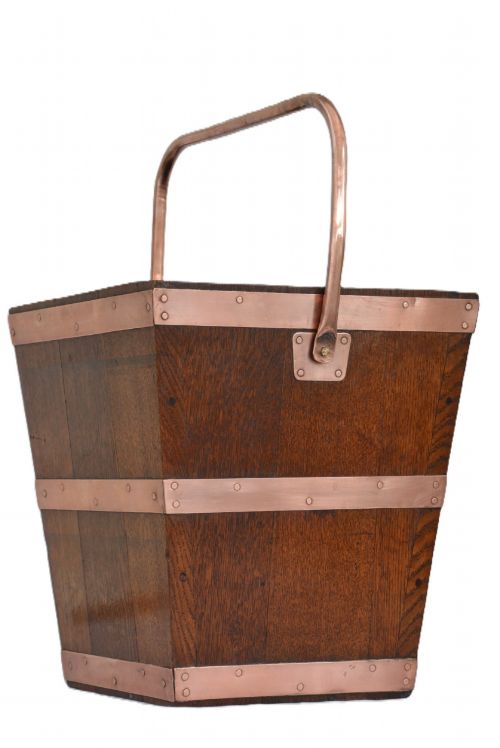
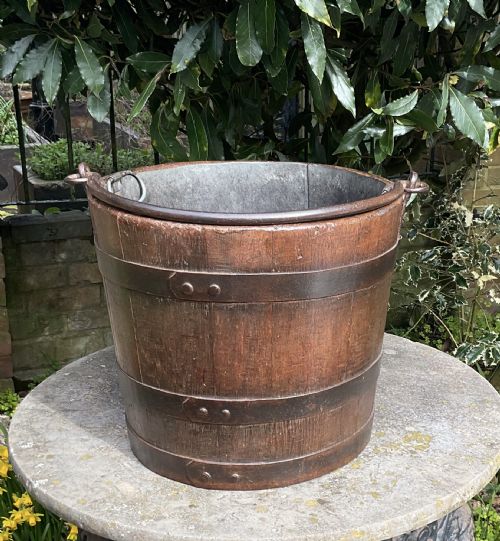
These Victorian peat bucket pieces are sturdy timber and metal vessels that bring traditional fireside character to a room.
Victorian Peat Bucket
A Victorian peat bucket serves as a fireside store for fuel or a decorative planter beside the hearth. When you search for a victorian peat bucket, you encounter heavy wooden vessels designed to hold peat, coal, or logs.
The pieces on this page span the Victorian and Edwardian eras, with oak, walnut, and mahogany forms appearing alongside brass and copper vessels. Coopered construction dominates the selection, reflecting traditional cask-making techniques applied to domestic hearth storage.
Makers shaped these items into oval, triangular, and round profiles, sometimes incorporating zinc liners or brass swing handles. Alongside dedicated coal and peat bins, the inventory includes oyster buckets and jardinieres that share the same coopered wooden build.
How they were made
Woodworkers built these vessels using tight stave construction, binding vertical wooden slats of oak, walnut, or mahogany with bands of polished brass or iron. This coopered method ensured the containers remained robust enough to hold heavy fuel without leaking moisture or debris onto the floor.
Craftspersons fitted many examples with interior zinc or metal liners to protect the timber from damp peat and coal dust. Metal swing handles, drop rings, and spindle galleries were secured with rivets or screws to complete the heavy-duty assembly.
Some peat buckets doubled as tea stoves, proving that Victorians liked their hearths to multitask.
What varies in quality
The distinction between standard utility items and finer pieces lies in the choice of timber grain and the crispness of the metal mounts. Walnut and figured mahogany examples with patinated brass banding demonstrate a higher degree of decorative intent than plain oak utility bins.
Attention to detail in the coopered joints and the presence of original metal liners separate the more complete survivors from altered pieces. Subtle variations in shape, such as triangular or oval profiles, indicate bespoke workshop production rather than mass output.
The Victorian Peat Bucket Glossary
- Coopered
- Built from vertical wooden staves fitted tightly together and bound with metal hoops. This traditional technique is standard for watertight vessels and heavy storage containers.
- Jardiniere
- An ornamental pot or stand for holding plants and flowers. These vessels often double as fireside storage bins.
- Dinanderie
- A term for various objects made of brass or copper, typically decorative vessels and containers. It reflects traditional continental metalworking traditions.
- Spindle
- A turned wooden or metal rod used in decorative galleries around the rim of certain containers. They add an architectural element to the upper edge of the vessel.
- Zinc liner
- A protective metal insert placed inside wooden buckets to catch moisture and debris. This addition kept the outer timber staves from rotting.
Victorian Peat Bucket: Frequently Asked Questions
What is a Victorian peat bucket?
A Victorian peat bucket is a wooden container used originally beside the hearth to hold peat fuel, coal, or logs. They were built to sit on the floor near the fireplace for convenient refueling.
Over time, many of these sturdy vessels found new life as planters or general fireside storage baskets. Their robust timber and metal construction made them practical everyday household items.
Can I use a peat bucket as a planter?
Using a peat bucket as a planter is common practice, particularly for large indoor house plants. The sturdy wooden staves and metal liners handle soil and moisture well.
Checking the condition of any interior zinc insert helps protect the outer timber from water damage. These vessels bring traditional textures to interior garden displays.
What woods were used for these buckets?
Cabinet makers and coopers used durable hardwoods such as oak, walnut, and mahogany for the vertical staves. Ebonised wood also appears among the material choices.
These timbers offered the necessary strength to withstand heavy daily use near the hearth. The grain quality often reflects the decorative status of the specific piece.