
Antique Wood Jardiniere
An antique wood jardiniere brings living foliage indoors through carved stands, coopered buckets and inlaid tables.
Antique Wood Jardiniere
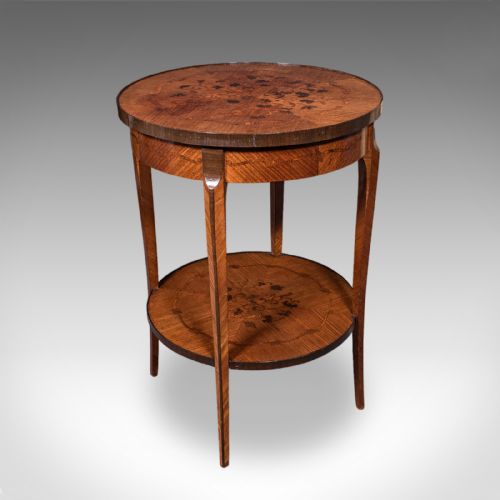
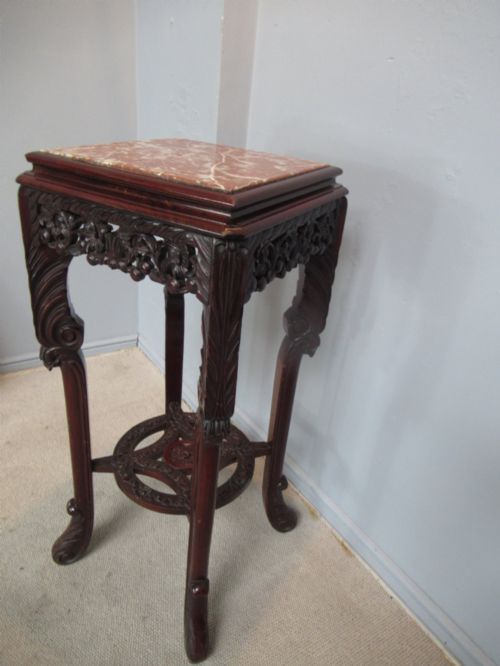
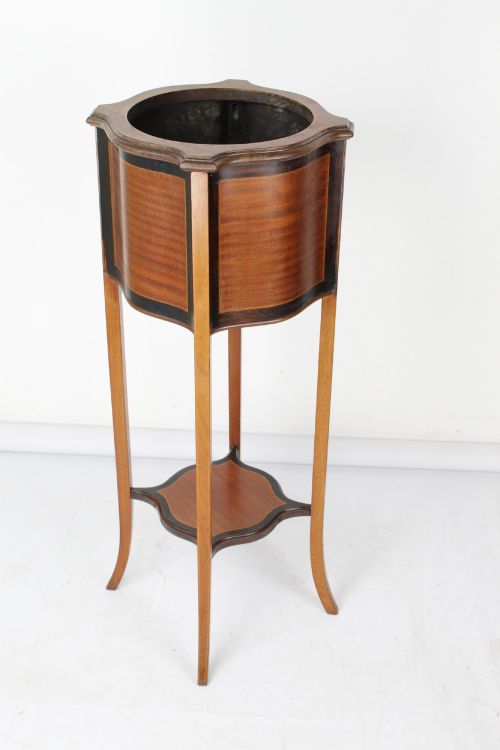
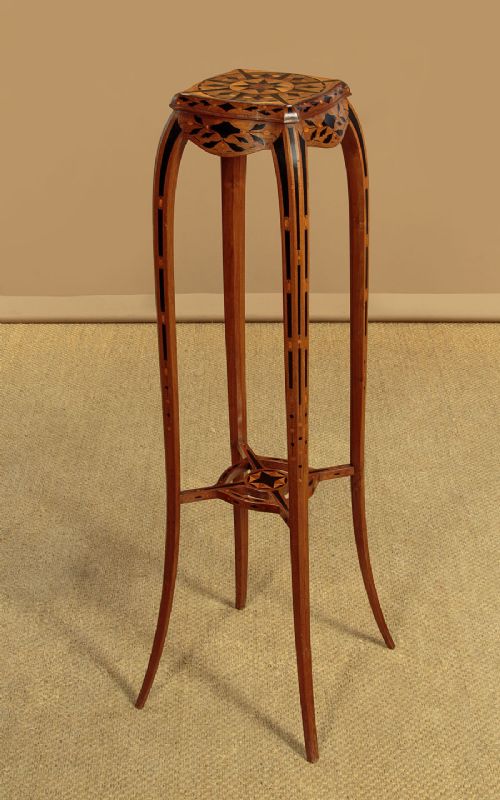
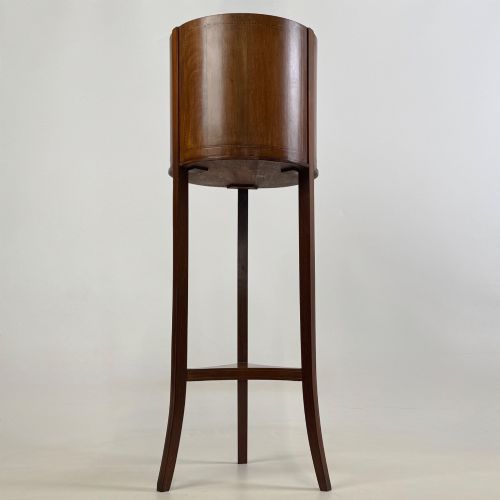
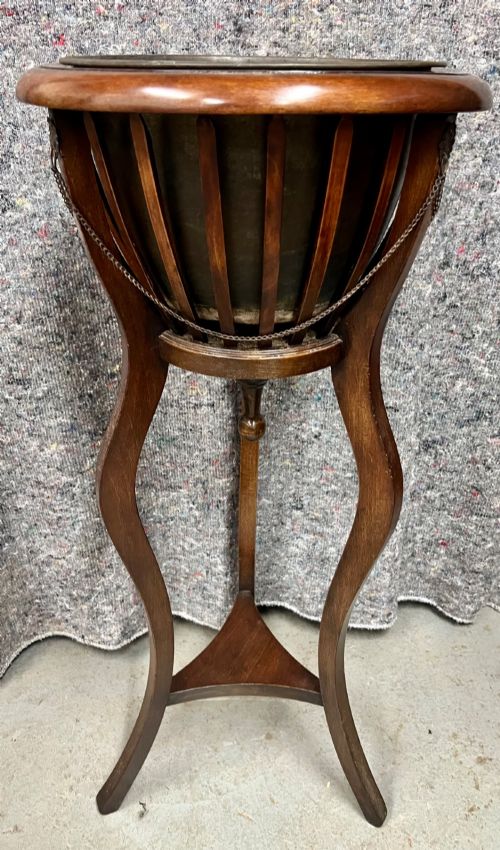
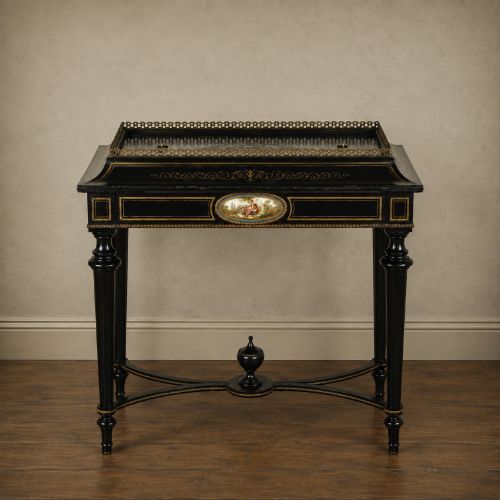
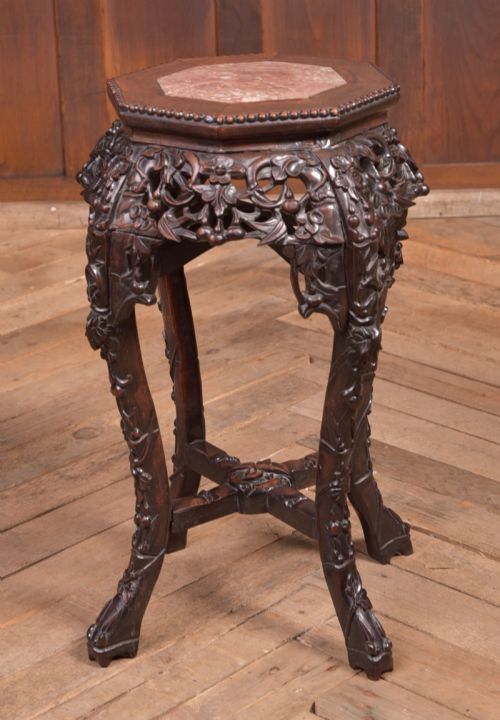
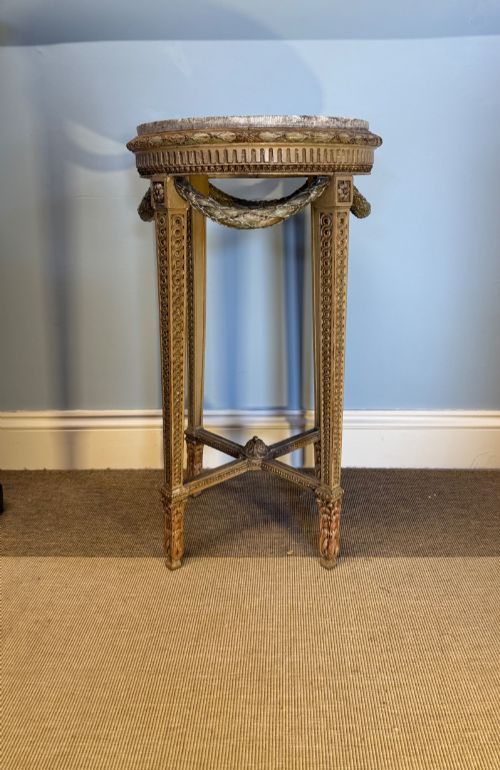
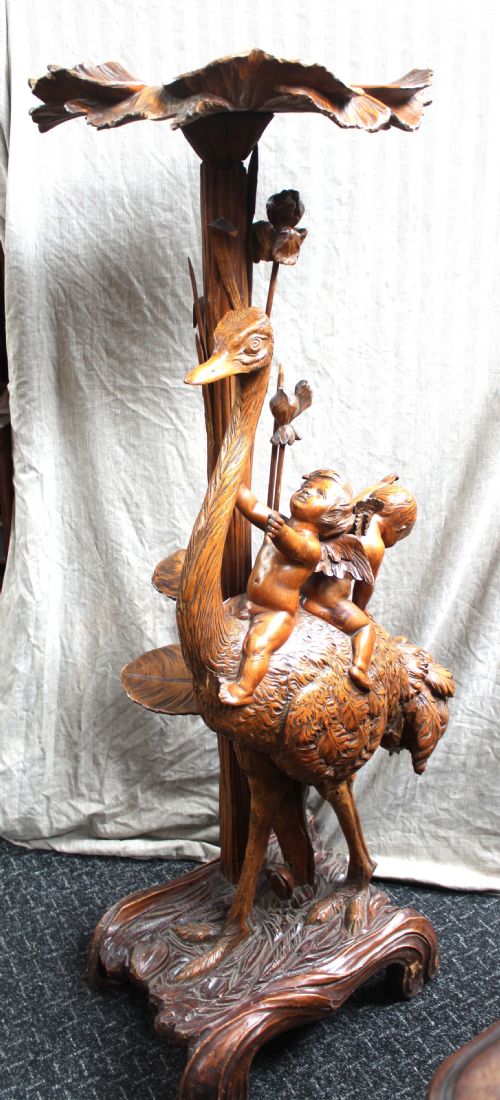
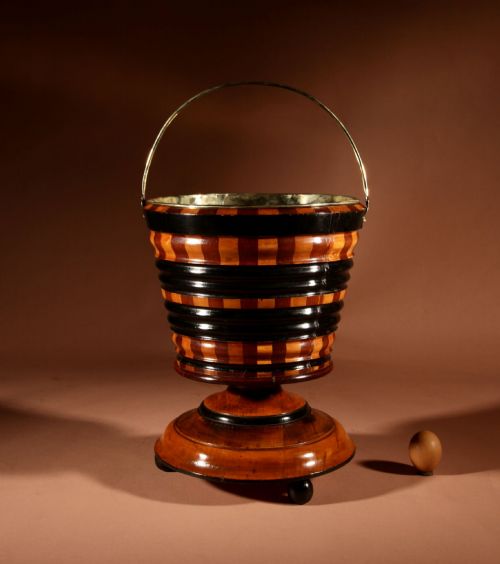
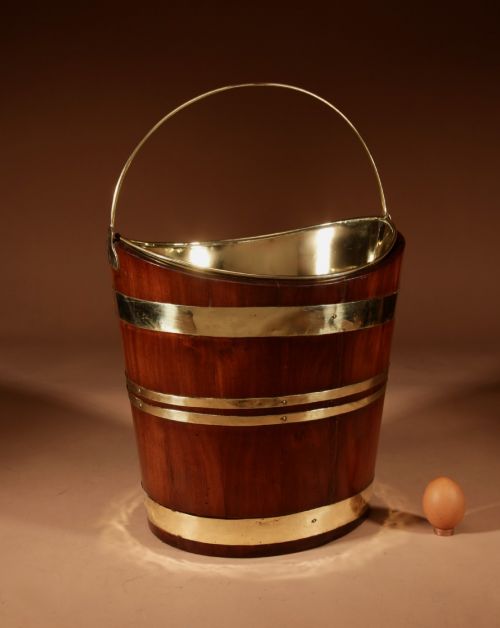
When you search for an antique wood jardiniere, you encounter plant stands, pedestal tables, torchères and coopered buckets designed to hold indoor flora. These pieces range from tall mahogany columns and low Chinese hardwood stands to French walnut and kingwood tables equipped with metal liners.
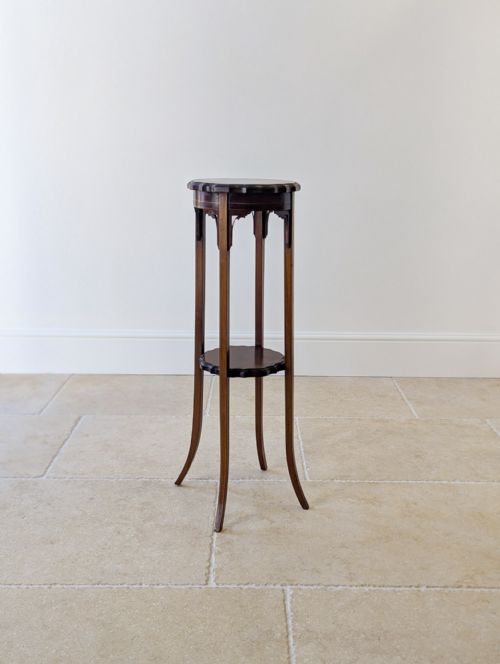
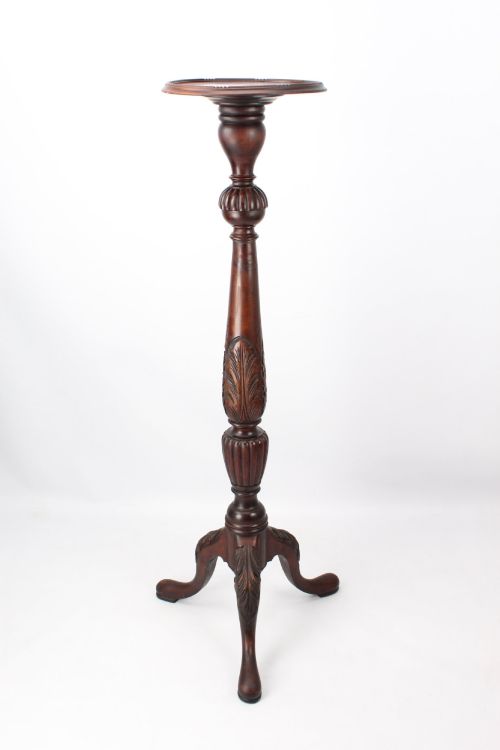
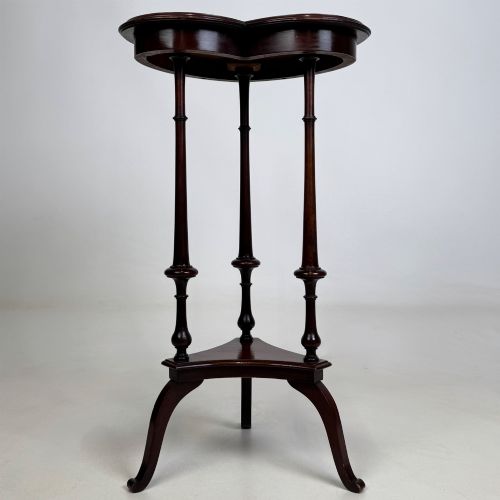
The versions most common on this page date from the nineteenth century and the Edwardian era. They appear in forms such as tripod plant stands, marble-topped vase pedestals, and inlaid occasional tables that double as plant holders.
How they were made
Cabinetmakers utilised dense timbers such as mahogany, walnut, satinwood, kingwood and exotic oriental hardwoods like hongmu and padouk to build these stands and containers. Coopered pieces relied on tight stave construction with metal bands, while others employed delicate marquetry and inlay.
Surface decoration involved ebonisation, hand carving, gilding, and the integration of contrasting wood veneers. Many French and continental examples incorporated inset marble tops, porcelain plaques, or bronze mounts to protect the wood and elevate the design.
What varies in quality
Quality rests in the selection of timbers and the precision of the joinery and carving. Dense hardwoods and finely figured veneers like kingwood and tulipwood separate standard utility stands from finer parlour pieces.
The presence of original fitted linings, such as brass or copper in buckets and tables, alters the integrity of a piece. Finer examples display crisp, deep hand carving and intact decorative elements like marble inserts or porcelain plaques.
Liberty of London·Wedgwood
The Antique Wood Jardiniere Glossary
- Torchère
- A tall, slender stand designed originally to hold a torch or lamp, later used for plants and vases. These stands appear frequently in mahogany and inlaid satinwood.
- Hongmu
- A category of dense, dark oriental hardwoods used for Chinese export furniture and low jardiniere stands. It translates to red wood.
- Marquetry
- The art of applying pieces of veneer to a structure to form decorative patterns. This technique appears on French kingwood and tulipwood tables.
- Padouk
- A heavy, durable tropical hardwood with reddish tones utilised in carved oriental stands.
Antique Wood Jardiniere: Frequently Asked Questions
What is the difference between a jardiniere and a plant stand?
A jardiniere is a decorative container designed to hold a potted plant directly, often featuring a metal or ceramic liner to catch water.
A plant stand or pedestal elevates the pot above the floor, providing a display surface rather than holding the plant itself.
How were antique wood jardinieres used originally?
Victorians and Edwardians used these vessels to bring palms, ferns and flowering plants into principal rooms without damaging carpets or furniture.
Coopered buckets held peat or coal before finding a second life as plant holders, while tall stands displayed ornamental vases.
How can I tell an Edwardian stand from a 19th-century one?
Nineteenth-century examples often favour heavier carved details, French kingwood marquetry, or Chinese hardpowd construction with inset marble.
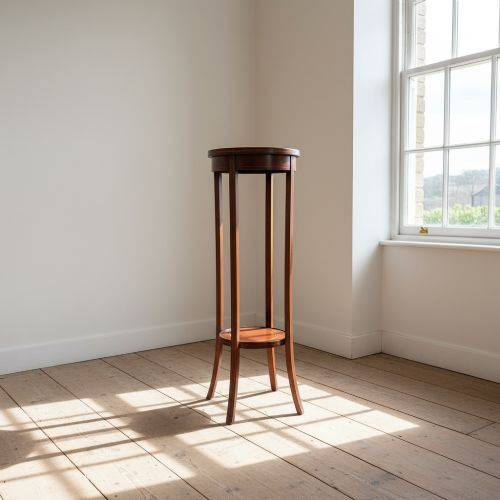
Edwardian pieces tend to feature lighter mahogany frames, delicate stringing inlay, and slender tapered legs.