


Victorian Pearl Gold Necklace
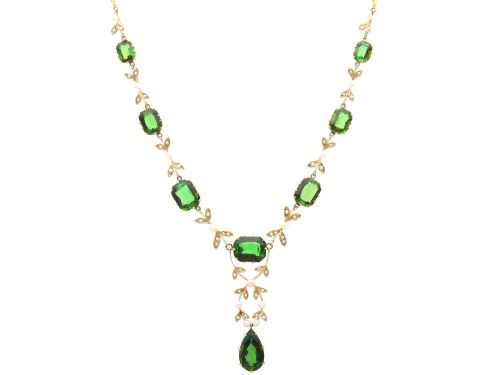
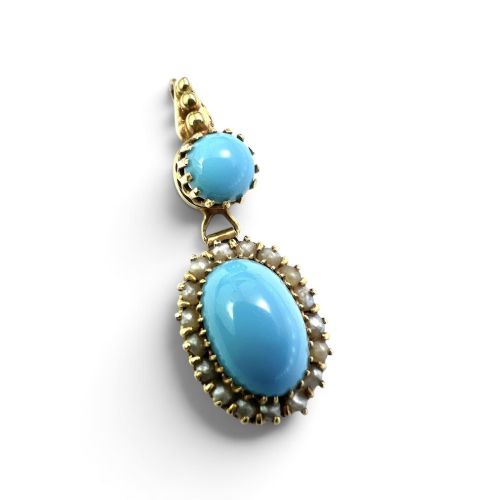
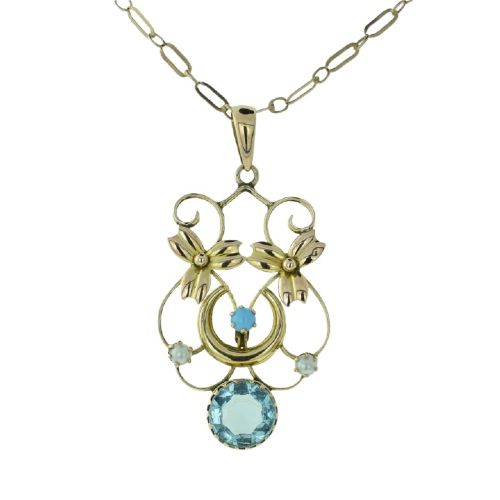
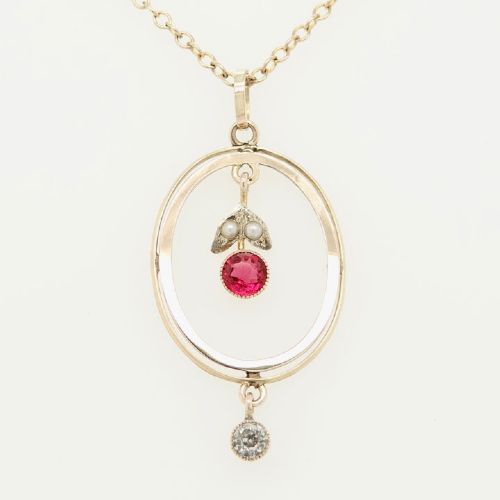
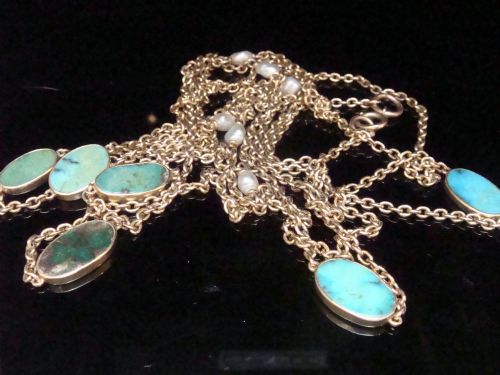
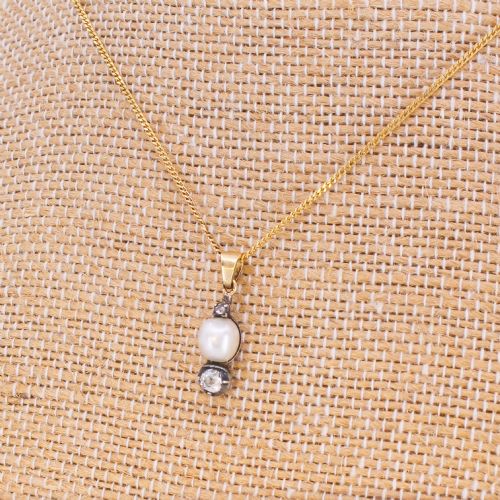
A victorian pearl gold necklace brings together warm yellow and rose gold with luminous natural pearls, creating the distinct ornament collectors seek.
Victorian Pearl Gold Necklace
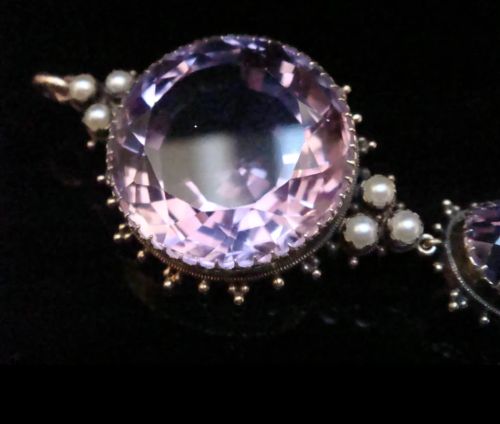
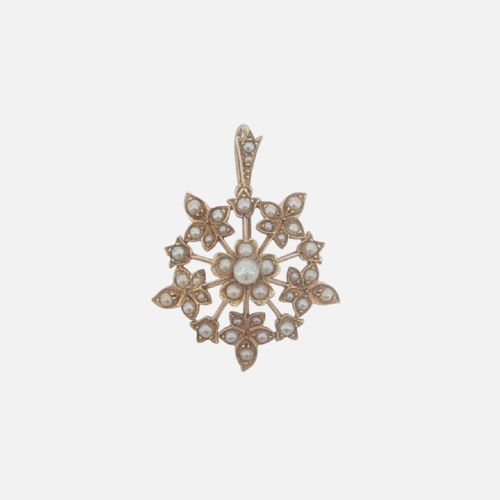
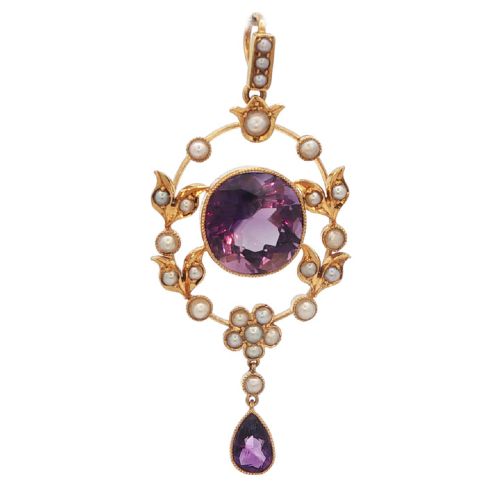
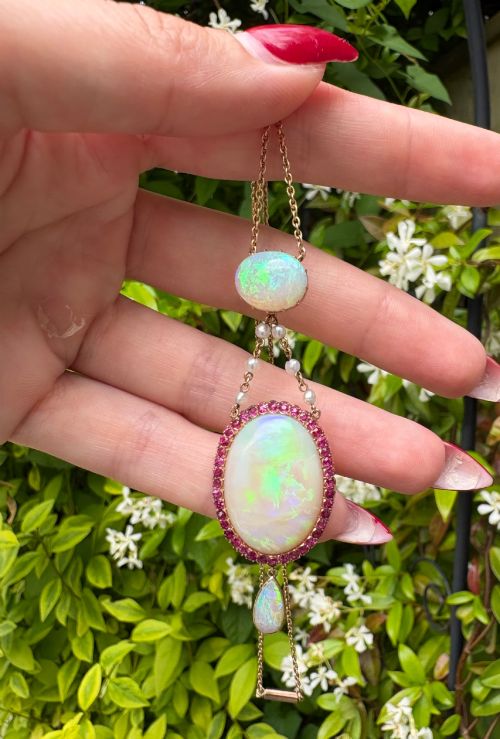
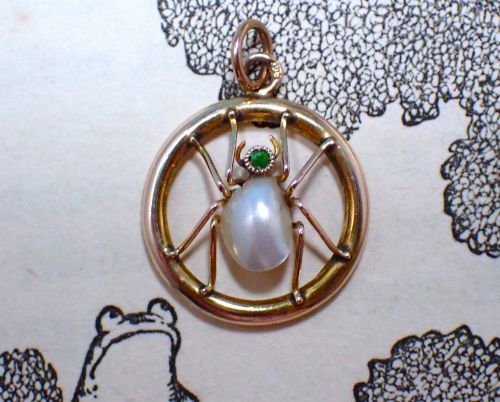
A victorian pearl gold necklace encompasses pendants, longuard chains, and elaborate drop designs originating predominantly from the nineteenth century. These items range from simple floral clusters to complex Holbeinesque and star motifs incorporating gemstones such as amethyst, turquoise, and diamond.
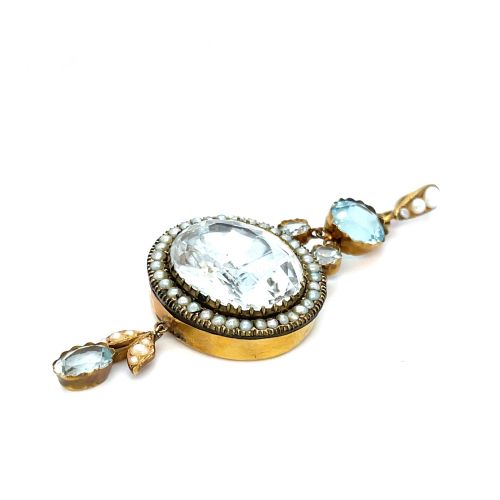
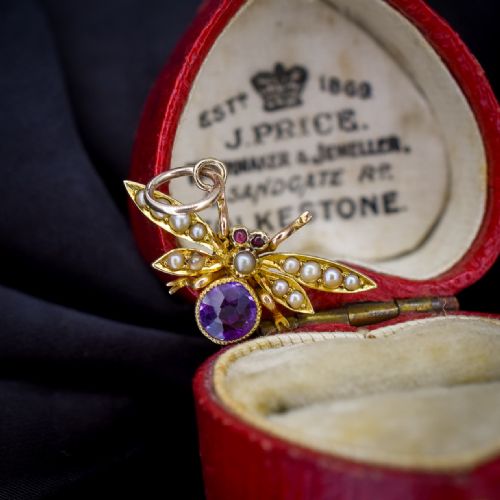
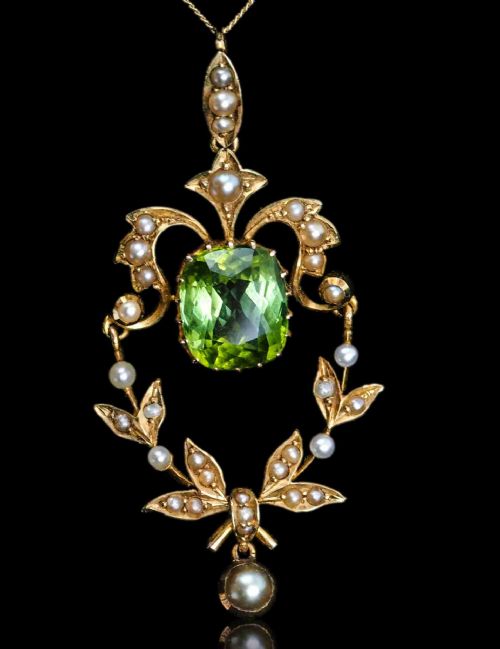
The version most commonly encountered on this page combines seed pearls or natural pearls with lower or higher carat gold settings, frequently paired with peridot, garnet, or amethyst. Forms span from delicate lavalier necklaces to substantial pendants that double as brooches, reflecting the versatile jewellery traditions of the period.
Examples stretch across the Victorian era into Edwardian and later periods, capturing stylistic shifts from Rococo Revival and Renaissance Revival to Art Nouveau and Arts and Crafts. Buyers find both modest nine carat pieces and heavier fifteen or eighteen carat items bearing regional hallmarks and original boxes.
How they were made
Goldsmiths utilised nine carat, fifteen carat, and eighteen carat yellow and rose gold, shaping mounts by hand through casting, repoussé, and wirework. Seed pearls and natural pearls were carefully drilled and secured on pins or fine silk threads, often complementing central stones like aquamarine, tourmaline, or blue topaz.
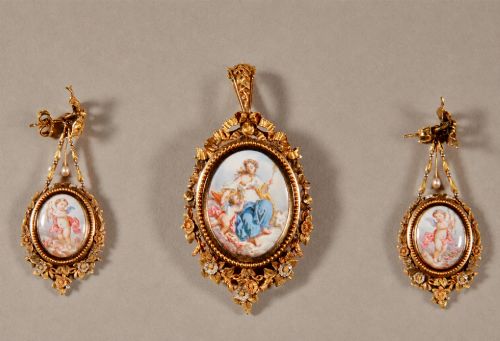
Techniques included detailed enamel work, foil backing to enhance gemstone colour, and intricate micro-miniature painting behind glass or crystal. Jewellers also incorporated hinged elements, integrated safety chains, and convertible loops that allowed pendants to transform into brooches.
Victorian Pearl Gold Necklace Retail Price Guide 2026
Typical asking prices for victorian pearl gold necklace among the pieces listed under this phrase on Sellingantiques today, from the lower quarter to the upper quarter. They describe what is for sale here now, not the wider market.
Materials recorded on this page include seed pearls, diamonds, amethyst, turquoise, and fifteen carat gold.
What varies in quality
The distinction between standard and superior pieces rests on the precision of the metalwork, the matching and lustre of the pearls, and the presence of documented maker marks or original fitted boxes. Higher quality items display robust hinge mechanisms, intact enamel, and securely bead-set gemstones without replacement stones.
Artistic execution drives the upper end of the range, seen in sculptural snake designs, balanced Holbeinesque arrangements, and clean Art Nouveau fluid lines. Maker attribution, such as work by Murrle Bennett or Hamilton and Co, elevates pieces far above unsigned commercial output.
Murrle Bennett·Hamilton and Co
The Victorian Pearl Gold Necklace Glossary
- Seed pearl
- A very small natural pearl, typically under two grains, often used in clusters or strung closely together in Victorian floral and star motifs.
- Holbeinesque
- A sixteenth-century revival style popular in the Victorian period featuring symmetrical, architectural pendants enriched with enamel, table-cut stones, and hanging pearl drops.
- Lavalier
- A pendant necklace featuring a central gemstone or motif with one or more dangling drops suspended below, heavily favoured during the late nineteenth and Edwardian eras.
- Parure
- A matched set of jewellery, typically comprising a necklace, earrings, and brooch, designed to be worn together for formal occasions.
- Foil back
- A historical technique where a thin sheet of coloured metallic foil is placed behind a gemstone or rock crystal to enhance its brilliance and hue.
Victorian Pearl Gold Necklace: Frequently Asked Questions
How do I care for antique pearl gold necklaces?
Pearls are organic gems that require gentle handling, so keep them away from perfumes, cosmetics, and harsh cleaning chemicals. Wipe them softly with a dry cloth after wearing and store them flat in a lined box.
Gold settings benefit from occasional professional inspection to ensure prongs holding the pearls and gemstones remain secure. Avoid immersing threaded seed pearl pieces in water, as moisture weakens historical silk cords.
Were these necklaces worn every day?
In the nineteenth century, substantial gold and pearl pendants were generally reserved for afternoon visits, evening gatherings, or formal events. Lighter chains and lockets served more personal, daily wear.
Today, collectors wear these pieces for special occasions or integrate them into contemporary wardrobes. Their durable construction allows for careful, regular enjoyment when treated with proper respect.
How can I tell the period of a gold necklace?
Dating relies on a combination of material standards, stylistic motifs, and manufacturing techniques. Victorian pieces often feature heavy yellow gold, mourning elements, or revival styles like Rococo and Renaissance.
Later Edwardian and early twentieth-century examples shift towards lighter mountings, delicate filigree, and fluid Art Nouveau lines. Hallmarks stamped on the clasp or jump ring provide definitive assay office and year markers.