


Victorian Seed Pearl Necklace
When you search for a victorian seed pearl necklace, you encounter delicate gold pendants, stars, hearts, and floral drops framed by tiny pearls.
Victorian Seed Pearl Necklace
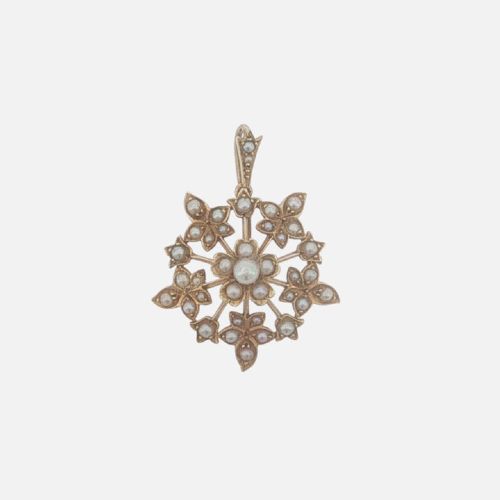
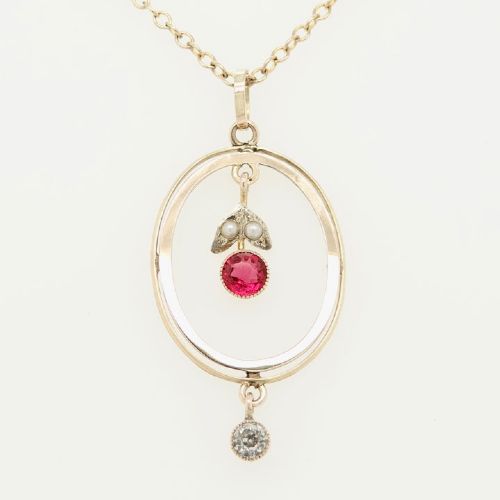
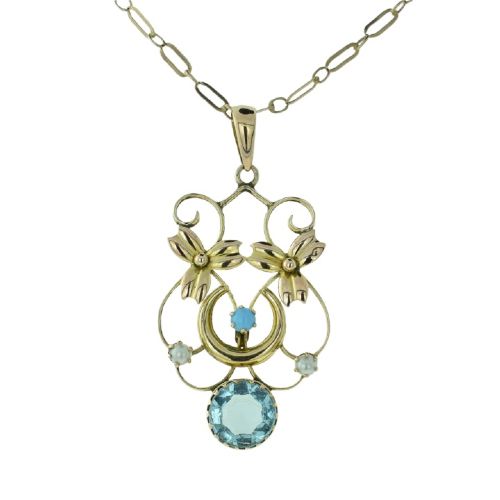
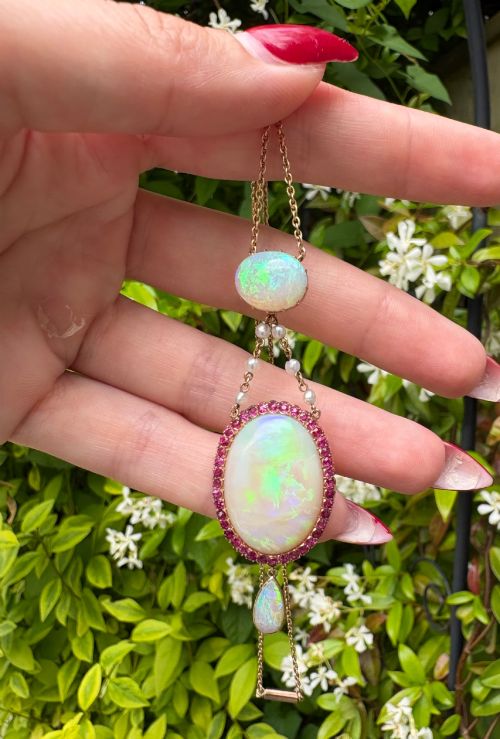
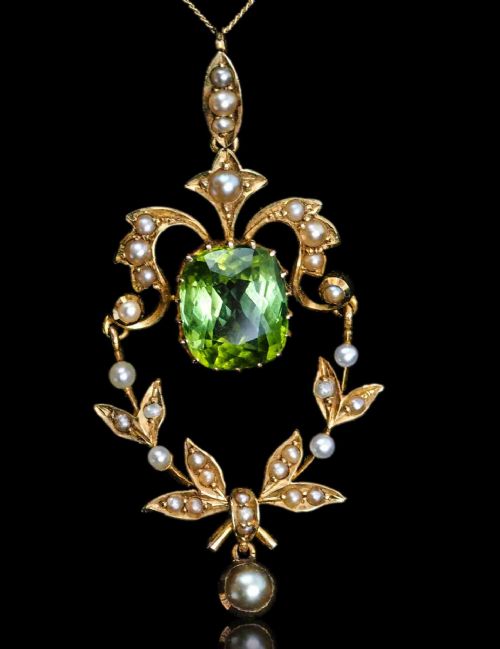
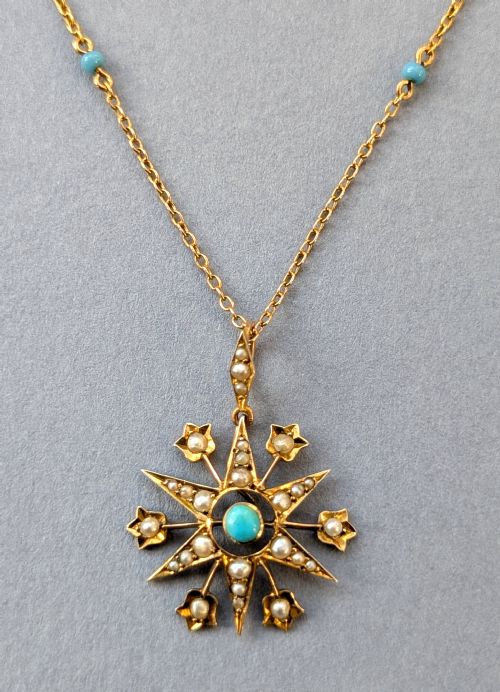
A victorian seed pearl necklace typically centres on a delicate pendant, locket or charm suspended from a fine gold chain. The forms span celestial starbursts, floral sprays, hearts and foliate drops.
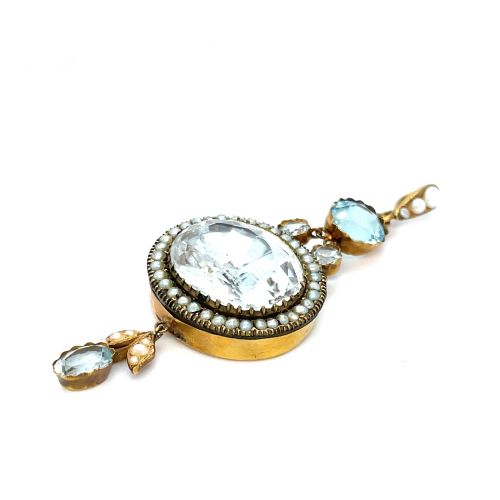
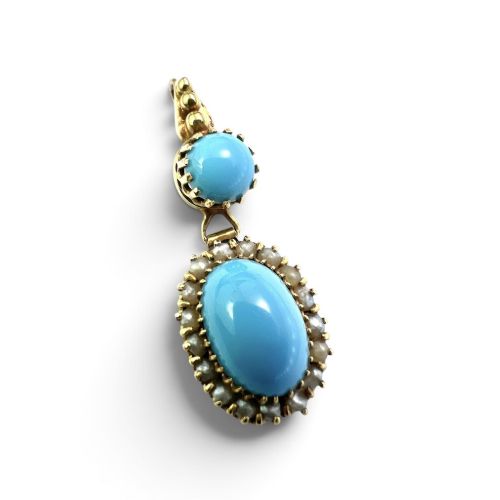
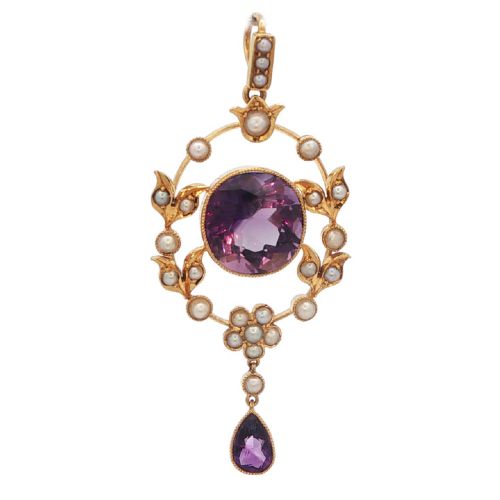
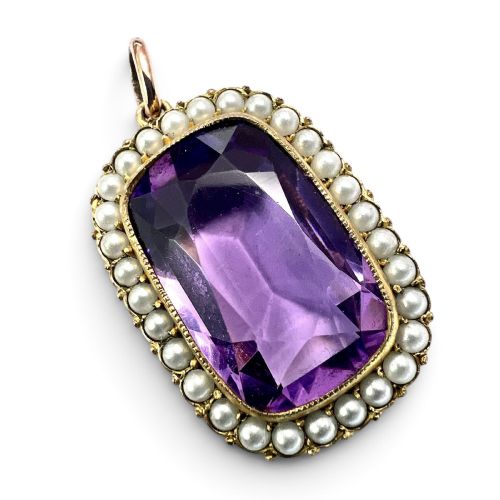
Most examples originate from the Victorian and Edwardian eras, spanning dates from eighteen sixty through to nineteen thirty. Pieces frequently combine these tiny pearls with coloured gemstones like amethyst, turquoise and garnet.
Makers utilised both nine carat and fifteen carat yellow gold alongside silver backings to mount the clusters of pearls. Many survivors retain their original boxes or convert between pendants and brooches.
Materials and construction
Goldsmiths constructed these mounts predominantly in nine carat and fifteen carat yellow gold, occasionally employing higher carat gold or silver settings. Gemstones including amethyst, turquoise, garnet and old cut diamonds were set alongside the pearls.
Seed pearls were meticulously drilled and threaded onto silk or held with tiny wire pins to form clusters, stars and intricate floral motifs. Hollow gold puff hearts and filigree frames demonstrate the varied metalwork techniques of the period.
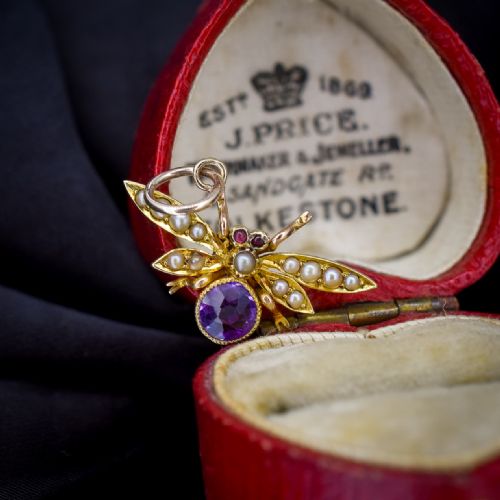
An insect fly charm sneaks among the floral pendants, proving Victorian sentimentality had a wonderfully bizarre sense of humour.
Quality variations
Quality rests in the uniformity and security of the tiny pearl settings, where intact wiring and matching pearl lustre elevate a piece. Finer examples display meticulous gold granulation, substantial gold weight and well-matched coloured stones.
The distinction between standard commercial production and superior workshop output shows in the precision of the filigree work and the preservation of original clasps, chains and fitted boxes.
Hamilton and Co
The Victorian Seed Pearl Necklace Glossary
- Seed pearl
- A very small natural or saltwater pearl, typically under two millimetres in diameter, used in dense clusters for Victorian jewellery.
- Pendant
- A hanging ornament suspended from a chain or cord around the neck. These often double as brooches via a pin fitting on the reverse.
- Lavaliere
- A pendant necklace featuring a dropping gemstone or charm suspended below the main focal point, popular during the late nineteenth and early twentieth centuries.
- Foil back
- A technique where a thin sheet of coloured metallic foil is placed behind a gemstone or rock crystal to enhance its brilliance and colour.
- Celestial starburst
- A motif shaped like a radiating star, frequently set with diamonds and seed pearls to represent heavenly bodies during the nineteenth century.
Victorian Seed Pearl Necklace: Frequently Asked Questions
Are these necklaces made of solid gold?
The evidence shows these pieces constructed from nine carat, fifteen carat, and eighteen carat yellow gold, alongside silver settings. Hallmarks or professional testing confirm the metal standard.
Many Victorian chains and pendants feature high carat gold content that differs from modern mass-produced jewellery alloys.
Can I wear a pendant as a brooch?
Several period pieces were designed with dual functionality, featuring a concealed pin mechanism alongside the suspension loop. This allowed the wearer to pin the ornament to clothing or hang it from a chain.
Examine the reverse of the piece to see if a hinged pin and safety catch accompany the main hanging loop.
What periods do these necklaces span?
The listings encompass items created during the Victorian and Edwardian eras, with dates ranging from eighteen sixty through to nineteen thirty. Design motifs shifted from romantic mourning lockets to bright celestial starbursts and foliate drops.
Distinct aesthetic movements within this timeframe influenced whether makers paired the pearls with dark garnets, bright turquoise, or deep amethysts.