




Victorian Painted Trunk
A victorian painted trunk brings rugged utility and decorative surface together, offering practical storage with the distinct character of nineteenth-century craftsmanship.
Victorian Painted Trunk
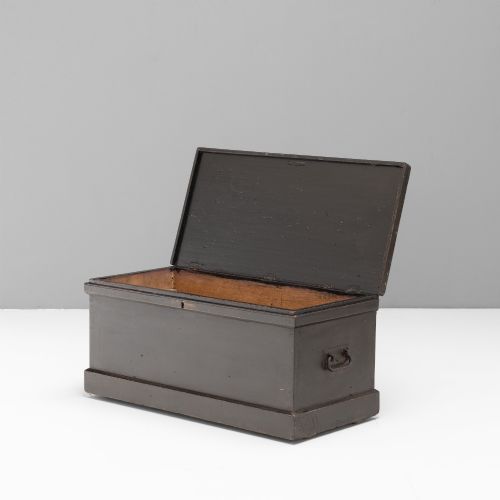
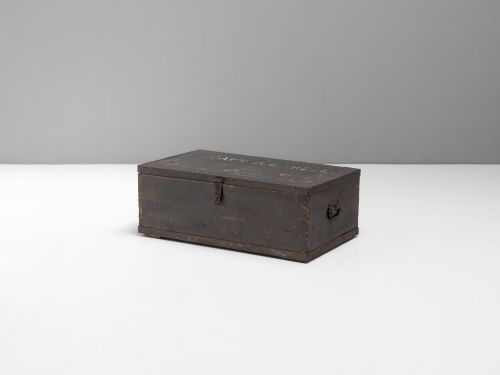
A victorian painted trunk encompasses sturdy storage pieces fashioned primarily from pine and tin, designed for travel, domestic organisation, or military transport. These boxes range from simple blanket boxes and blanket chests to travel trunks and dome-topped caskets dating across the nineteenth century.
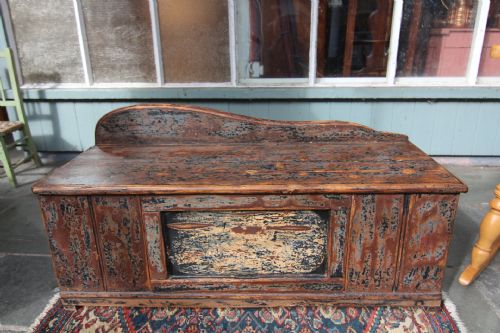
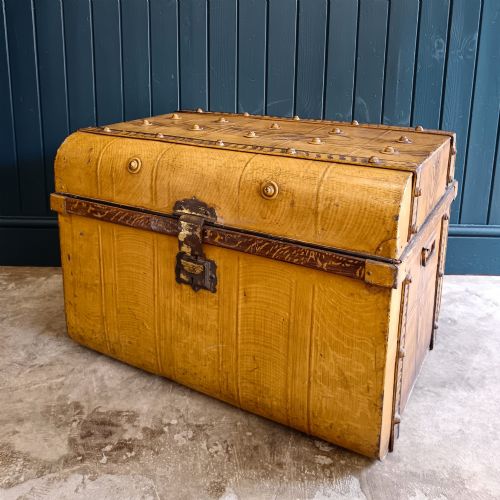
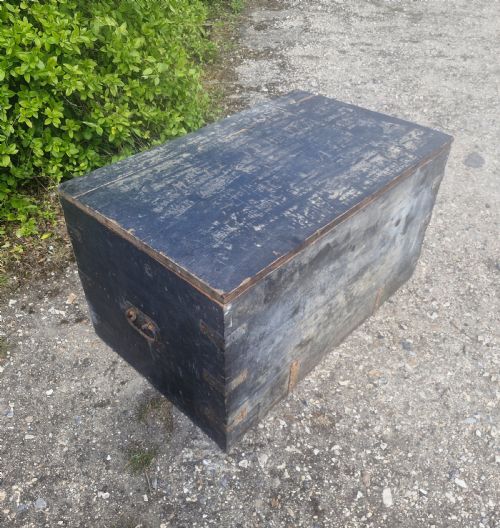
The versions most commonly met on this page include pine storage chests finished with scumble or grain paint, alongside metal-bound travelling trunks and maritime examples. They reflect everyday domestic and travel needs of the period, often retaining their original hinges, locks, and internal compartments.
How they were made
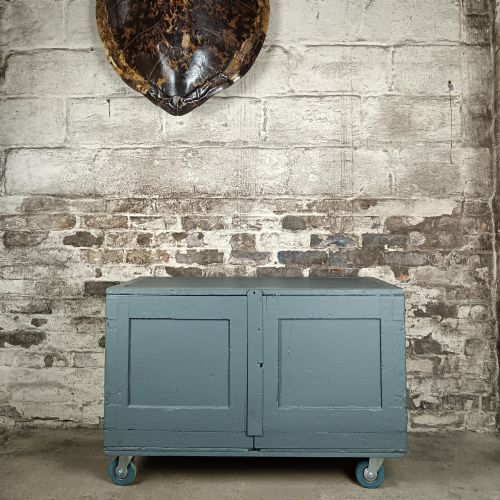
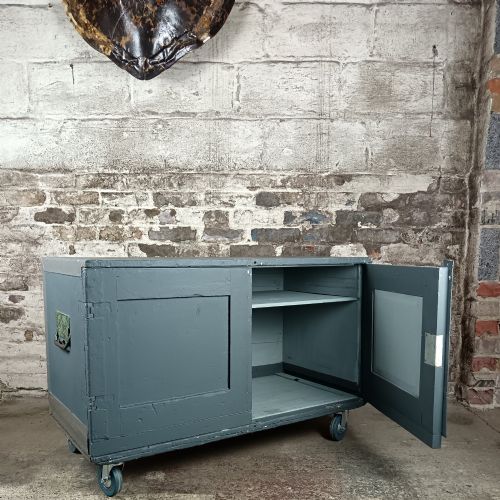
Carpenters and cabinet makers constructed the wooden carcasses chiefly from pine, utilising dovetailed joints or iron brackets for structural strength. Metal travelling trunks incorporated iron and tin plate over timber frames, reinforced with brass or iron hardware to withstand the rigours of transit.
Surfaces were finished with paint, often simulating more expensive woods through scumbling or faux-bois graining, while others received simple coats of colour or decorative folk art motifs. Iron handles, brass fittings, and functional key escutcheons completed the construction.
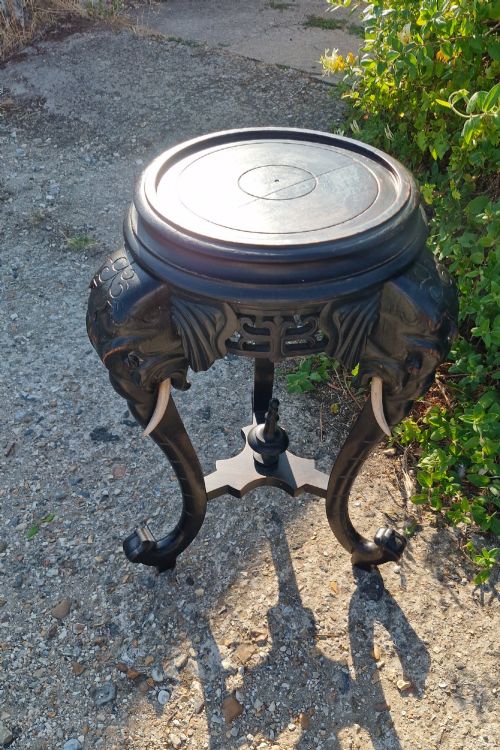
One elephant table managed to sneak in among the storage boxes, complete with painted wooden tusks.
What varies in quality
The integrity of the original surface finish largely dictates the desirability of a piece, distinguishing items that retain untouched scumble or decorative graining from those stripped or heavily repainted later. Intact hardware, such as original brass locks, iron carrying handles, and working keys, elevates the standing of a box.
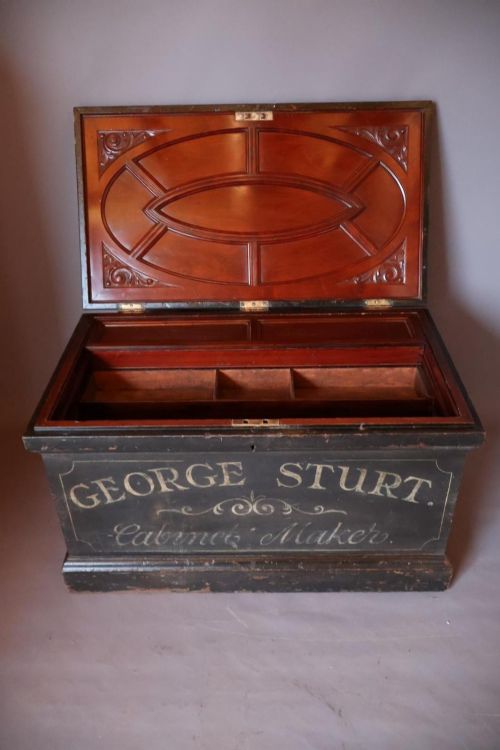
Structural soundness, particularly the tightness of dovetail joints and the condition of the internal timber, separates utilitarian workhorses from finer estate-made or cabinet maker's pieces. Retaining interior paper linings, original receipts, or specific maker details adds significant historical depth.
Drew and Sons·Webb of Frome·CUNARD Line
The Victorian Painted Trunk Glossary
- Scumble
- A decorative painting technique involving a translucent glaze dragged over an opaque base coat to simulate wood grain or texture. This finish is frequently found on nineteenth-century pine furniture and storage boxes.
- Faux-bois
- The artistic imitation of wood grain on a painted surface, such as metal or plain pine. Makers utilised this method to give utilitarian trunks a more refined appearance.
- Mule chest
- A storage chest featuring one or more drawers beneath the main compartment. These pieces bridge the design gap between traditional coffers and modern chests of drawers.
- Campaign case
- Portable furniture and storage designed for military officers or travellers on the move. These items typically feature recessed handles, reinforced corners, and robust construction.
- Toleware
- Lacquered or enamelled metalware, usually tin, finished with painted decoration. Hat boxes and small caskets from the period often employed this durable material.
Victorian Painted Trunk: Frequently Asked Questions
How were these trunks used originally?
These trunks served multiple purposes, from transporting personal belongings on maritime and railway journeys to storing blankets, linens, and documents in domestic settings. Military officers and travellers relied on robust campaign versions for expeditions.
In homes, simpler pine chests functioned as everyday storage at the foot of beds or within hallways. Their durable construction protected contents from dust, dampness, and rough handling during transit.
Can I use a travel trunk as a coffee table?
Many people repurpose these sturdy boxes as coffee tables because their flat tops and internal storage suit modern living spaces. Their proportions work well in front of sofas while concealing clutter inside.
Ensure the lid is structurally sound and securely attached before placing heavy items on top. Placing felt pads underneath protects delicate flooring from the iron or wooden base.
How can I tell if the paint is original?
Original nineteenth-century paint typically shows natural craquelure, subtle fading, and wear consistent with age and use. Examining edges, corners, and areas beneath hardware reveals layers of wear that modern repainting obscures.
Under magnification, older lead or oil-based paints display different characteristics than modern acrylics. Consistent wear patterns between the exterior and interior surfaces often indicate a genuine untouched finish.