
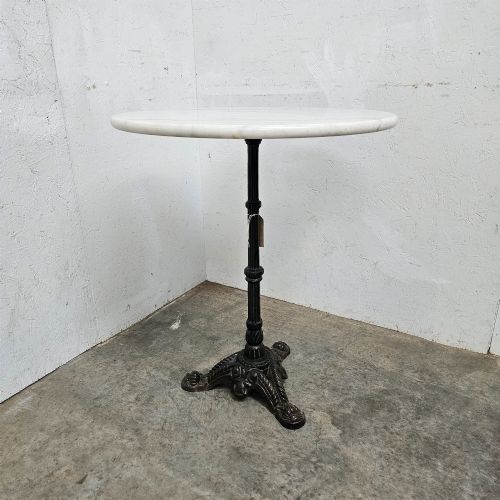


Victorian Outdoor Table
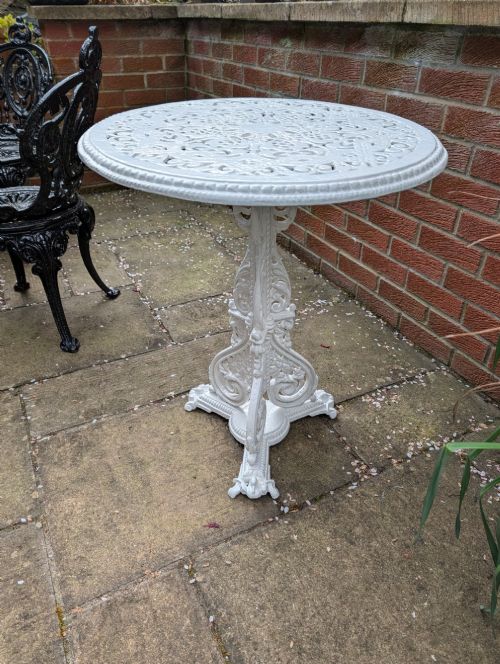
A victorian outdoor table brings enduring metalwork and stone surfaces into the garden, offering a sturdy place for morning coffee or afternoon shade.
Victorian Outdoor Table
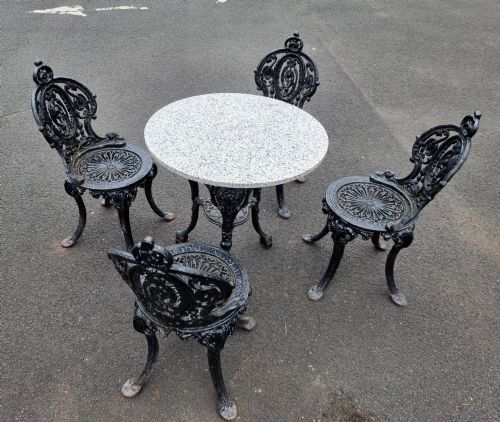
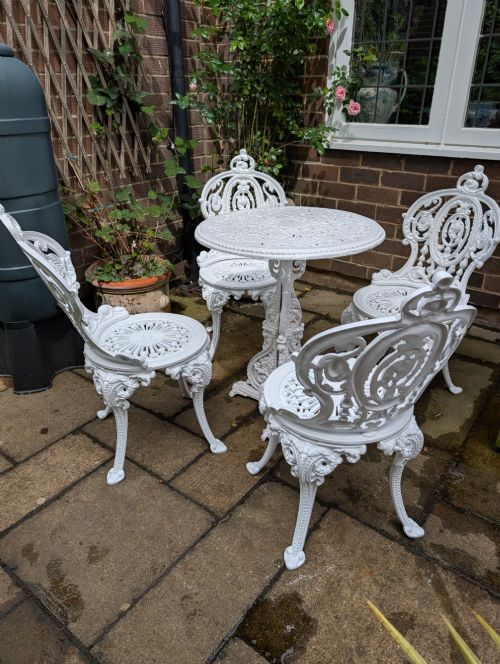
When you search for a victorian outdoor table, you encounter robust garden furniture designed to withstand the elements through heavy metal frames and durable surfaces. The pieces listed span the nineteenth century and subsequent early decades, reflecting both English and continental origins.
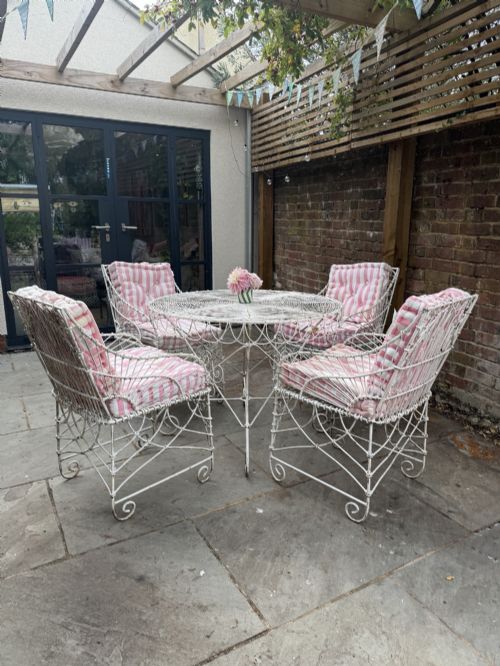
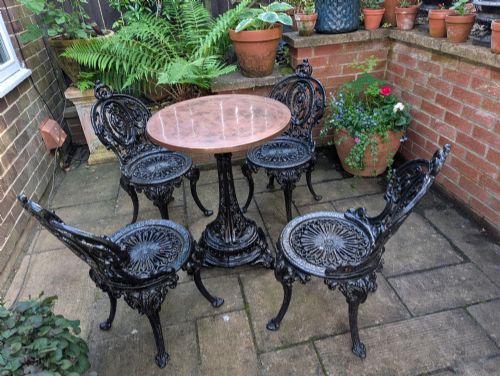
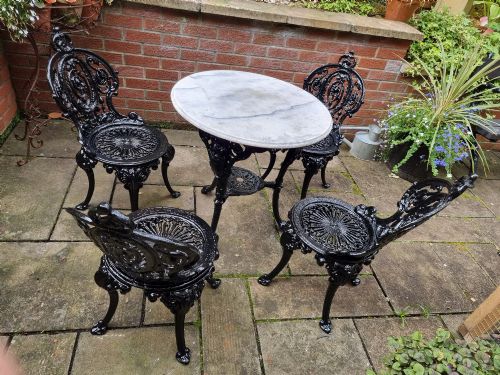
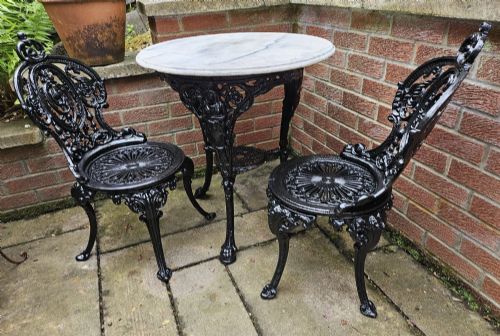
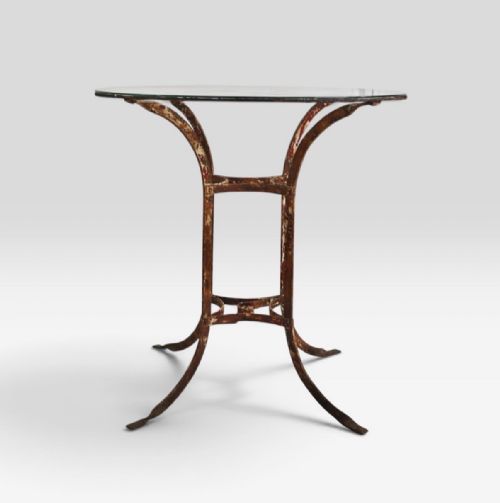
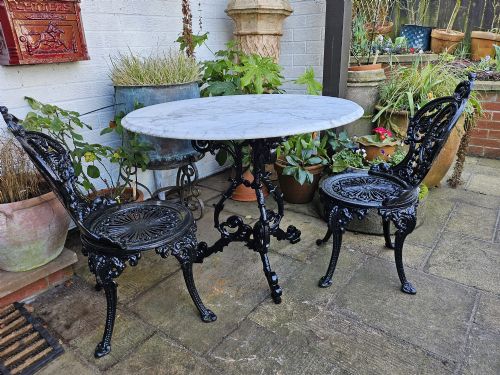
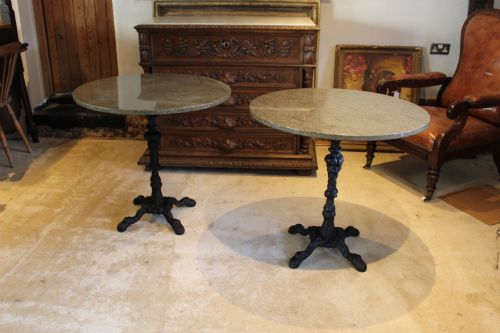
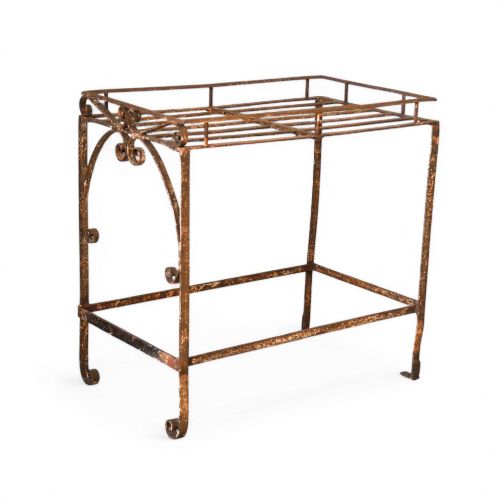
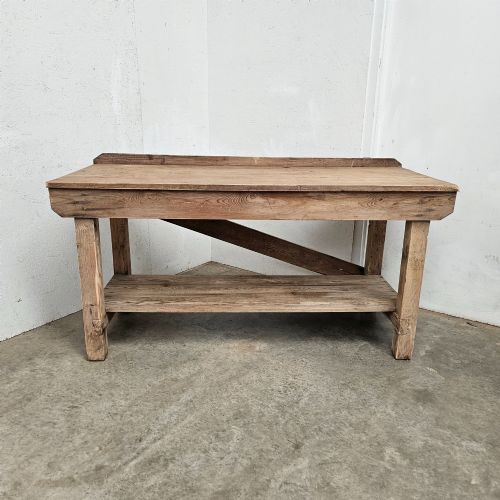
You are most likely to meet circular bistro tables and heavy rectangular garden dining sets featuring intricate cast iron bases. Alongside these, the selection includes marble-topped console tables, wirework pieces, and utilitarian pine potting tables.
These items served various roles across lawns, conservatories, and estate terraces, combining utility with decorative metal casting techniques. The survival of such pieces demonstrates the strength inherent in their original manufacture.
What varies in quality
The degree of crispness in the cast iron ornamentation separates standard utilitarian items from sophisticated examples bearing named designer patterns. Heavy casting weight and intricate relief work indicate higher ambition in the original workshop.
The integrity of the top surface significantly influences the character of the piece, with thick marble slabs and well-fitted stone inserts representing superior execution. Tables retaining original paint layers or stable patination also demonstrate careful preservation.
Estate workers occasionally repurposed heavy industrial mangle frames into garden tables by swapping the laundry rollers for stout timber boards.
The Victorian Outdoor Table Glossary
- Britannia table
- A traditional pub and garden table design featuring a heavy cast iron pedestal base, often moulded with the figure of Britannia. This form provides substantial weight and stability for outdoor use.
- Cast iron
- An iron-carbon alloy poured into moulds to create rigid, highly detailed decorative frames. It serves as the primary structural material for nineteenth-century garden furniture.
- Wirework
- A technique of bending and binding metal wire into open geometric patterns for garden seating and tables. This lighter construction style became popular during the Victorian period.
- Console table
- A wall-supported or freestanding narrow table often topped with marble or granite. In garden contexts, these served decorative and utilitarian functions on patios and in conservatories.
- Potting table
- A functional wooden-topped table used for gardening tasks such as planting seeds and tending seedlings. Pine was commonly employed for these practical surfaces.
Victorian Outdoor Table: Frequently Asked Questions
Can I leave a cast iron table outside all winter?
Cast iron handles outdoor conditions well due to its substantial weight and robust nature. Many examples have survived decades outdoors.
However, freezing moisture in surface cracks or combined timber elements requires sheltered storage during harsh winter months to preserve the material.
How do I clean a marble top on an outdoor table?
Marble surfaces benefit from gentle washing with warm water and mild, pH-neutral soap using a soft cloth. Avoid harsh chemicals or acidic cleaners.
Applying a suitable stone sealer periodically helps protect the polished surface from moisture absorption and weathering.
Are these tables heavy to move around the garden?
Original nineteenth-century metal tables are exceptionally heavy due to solid cast iron components and dense stone tops. They are designed to stay firmly in place.
Enlisting another person helps when repositioning these pieces across lawns or stone patios to avoid straining the frame.
How do I identify a nineteenth-century piece from a later reproduction?
Examine the casting quality on the iron base for crisp relief details and natural wear patterns accumulated over decades of use. Maker marks and design registrations offer further clues.
Later reproductions often feature lighter metal construction and simplified casting textures compared to nineteenth-century originals.