
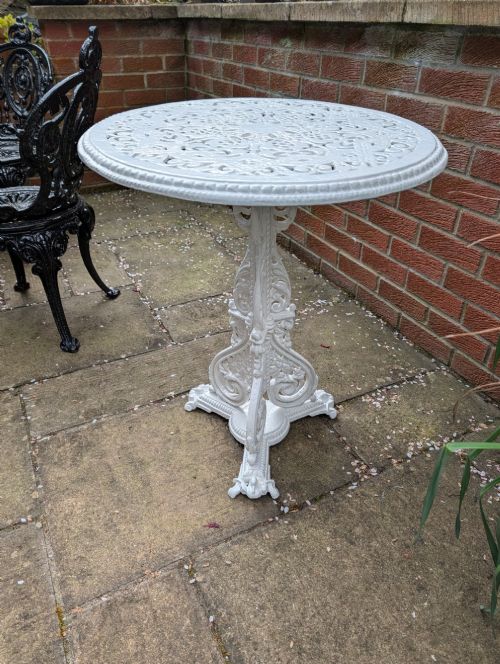
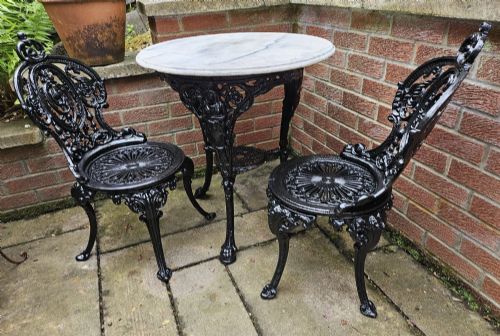
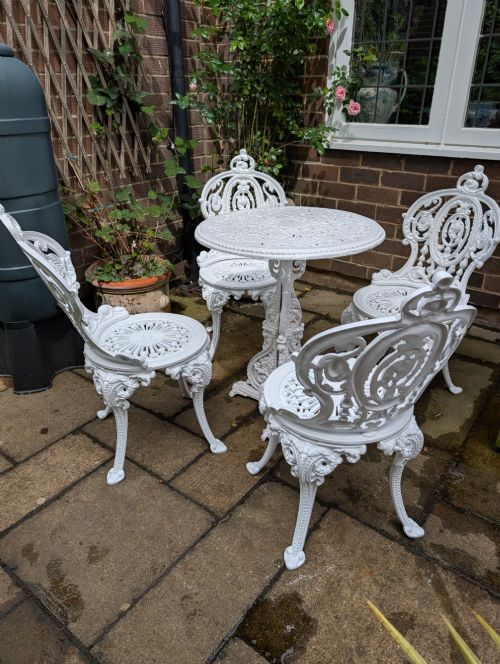
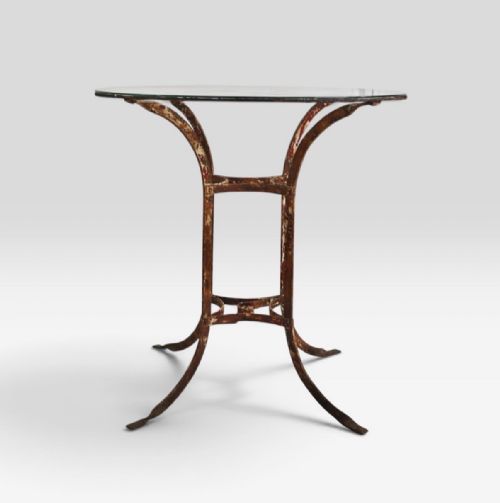


Victorian Cast Iron Bistro Table
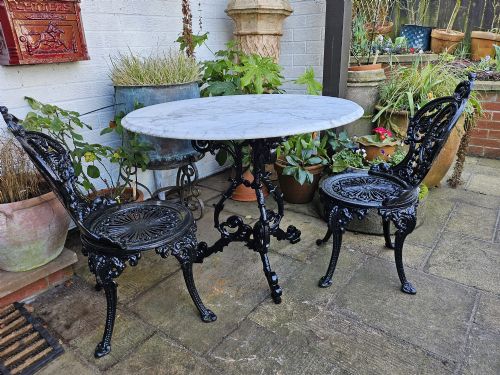
A victorian cast iron bistro table brings industrial strength and ornate design together, offering a sturdy surface for gardens, pubs, and conservatories.
Victorian Cast Iron Bistro Table
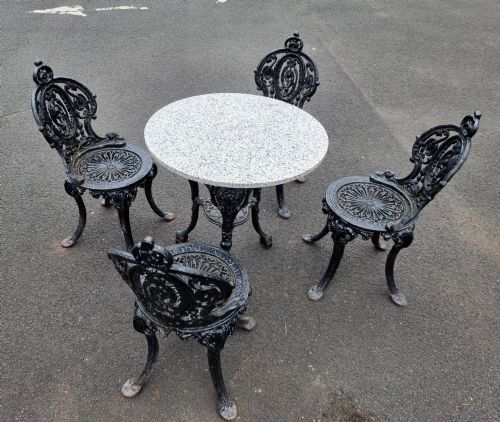
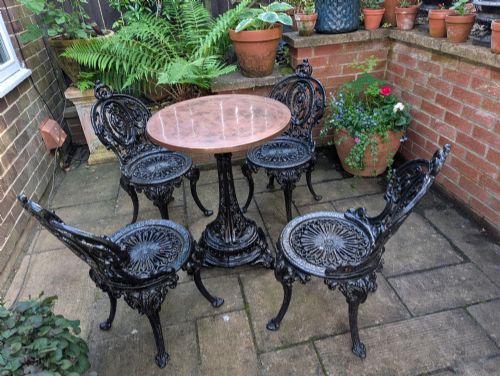
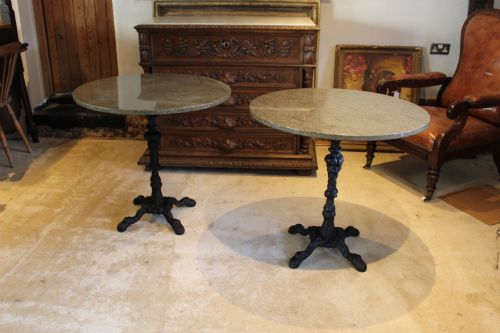
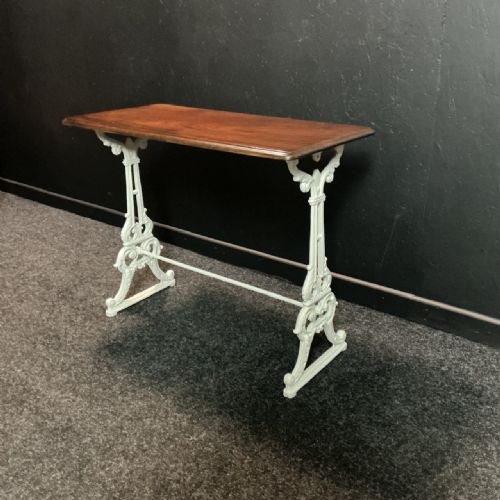
When you search for a victorian cast iron bistro table, you find heavy, durable small tables designed for both indoor and outdoor utility. These pieces include garden tables, conservatory tables, and pub tables made during the nineteenth century and later decades.
Originating from French bistro styles, English tavern designs, and Victorian conservatory aesthetics, these tables vary in function from intimate drinking tables to larger garden dining sets.
What varies in quality
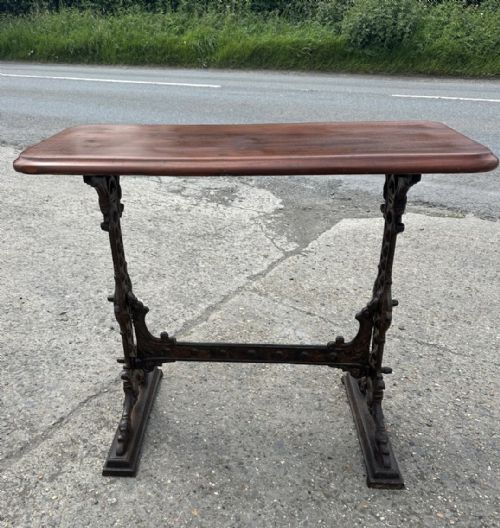
The refinement of the cast iron moulding separates standard production from exceptional work, with superior bases displaying crisp relief in scrollwork and figures rather than blurred casting lines. Finer examples often retain original designer attribution or specific regional foundry patterns.
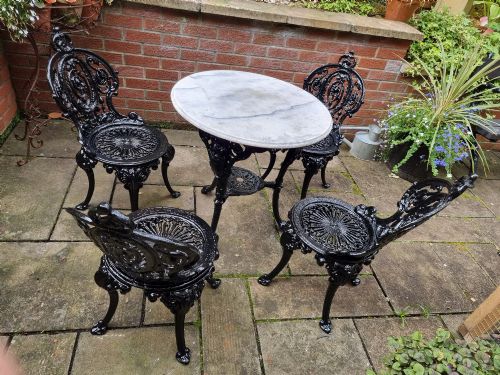
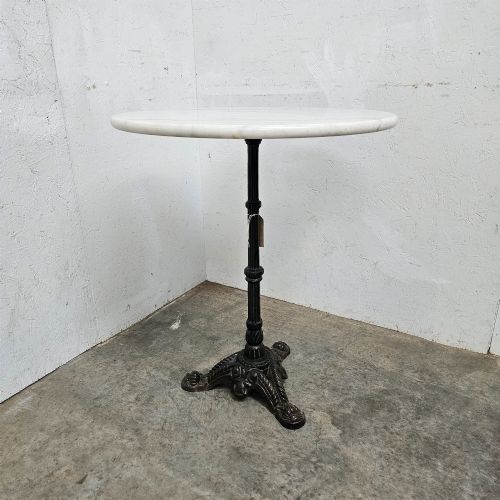
The integrity and originality of the top material also determine standing, as tables retaining their first marble slabs, polished granite, or timber tops like mahogany hold greater character than later replacements.
Some tables double as botanical arguments, wearing heavy iron scrollwork designed to stay firmly planted during a gale.
Christopher Dresser
The Victorian Cast Iron Bistro Table Glossary
- Britannia
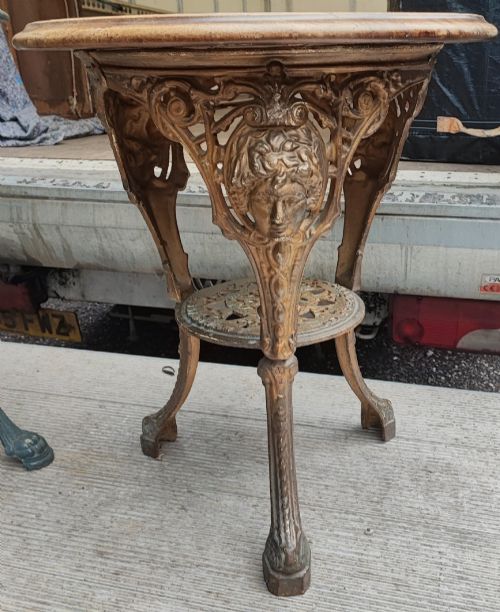
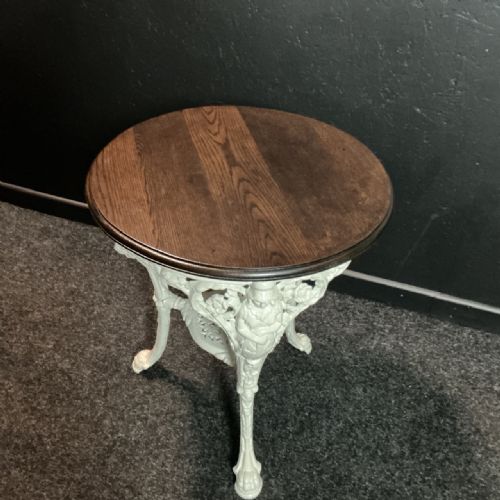
- A classic pub table design featuring a heavy cast iron pedestal base often cast in the shape of Britannia, paired with a round wooden top.
- Strapp work
- An ornamental pattern of interlaced bands resembling leather straps, frequently cast into Victorian garden furniture.
- Christopher Dresser design
- Aesthetic movement metalwork patterns associated with the influential designer, known for geometric and stylised botanical forms.
- Occasional table
- A small, movable table intended for specific, intermittent use rather than central dining.
Victorian Cast Iron Bistro Table: Frequently Asked Questions
Can a victorian cast iron bistro table stay outside?
Cast iron withstands outdoor conditions well due to its substantial weight and durability, making these tables suitable for gardens and patios.
However, surfaces made from wood or polished marble require more care when exposed to prolonged dampness or frost.
How do I identify a genuine victorian piece?
Examine the weight, casting crispness, and materials to judge authenticity against period examples. Genuine nineteenth-century pieces display deep patination on the iron and traditional construction methods beneath the top.
Markings, specific nineteenth-century design styles like Britannia, and original timber or marble tops also help confirm the era.
What is the difference between a pub table and a bistro table?
Pub tables traditionally feature heavy Britannia iron pedestals with timber tops designed for tavern use. Bistro tables lean towards French cafe styles, frequently combining decorative iron bases with round marble tops.
Both serve similar functions as small footprint tables but reflect different regional and social origins.
How should I clean the marble top?
Wipe marble surfaces with a damp cloth and mild, pH-neutral soap to preserve the polish and prevent staining. Avoid acidic cleaners that etch the stone.
Dry the surface thoroughly afterwards to maintain the finish.