


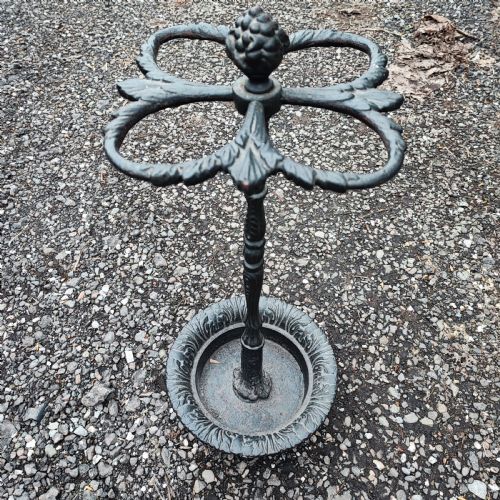

Antique Cast Iron Base
An antique cast iron base offers industrial strength and enduring weight, anchoring tables, stools and lamps with solid nineteenth-century character.
Antique Cast Iron Base
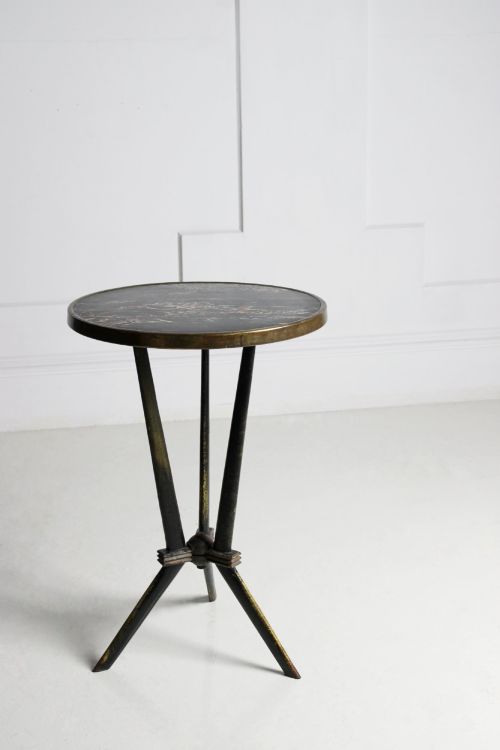
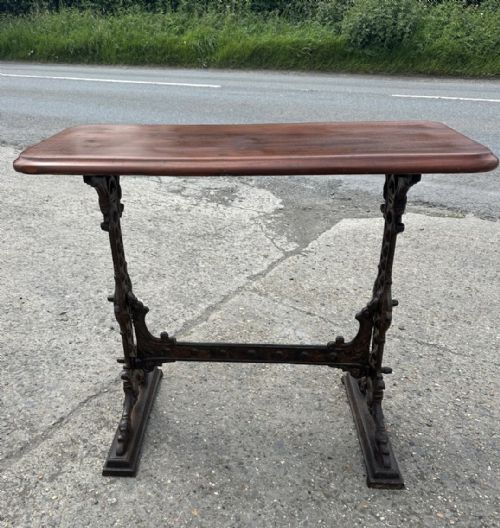
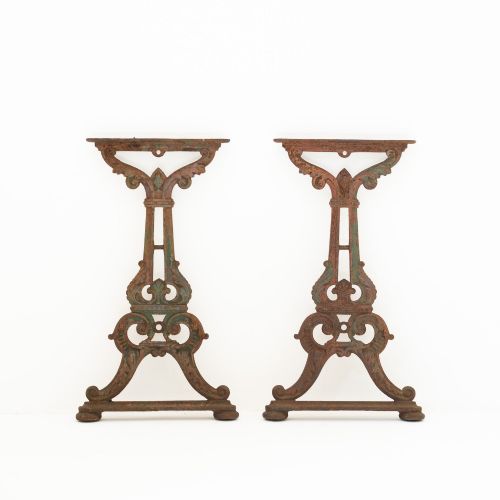
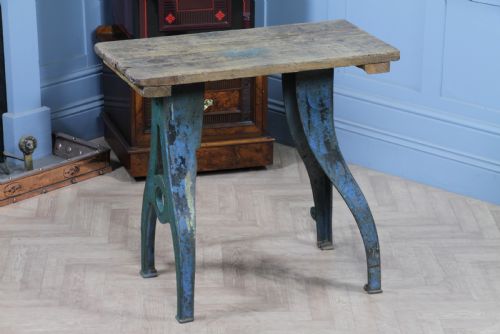
When you search for an antique cast iron base, you encounter heavy functional frames salvaged from nineteenth-century pubs, factories and domestic workshops. These structural components typically arrive paired with timber surfaces like oak, mahogany and elm, or as standalone supports ready for new table tops.
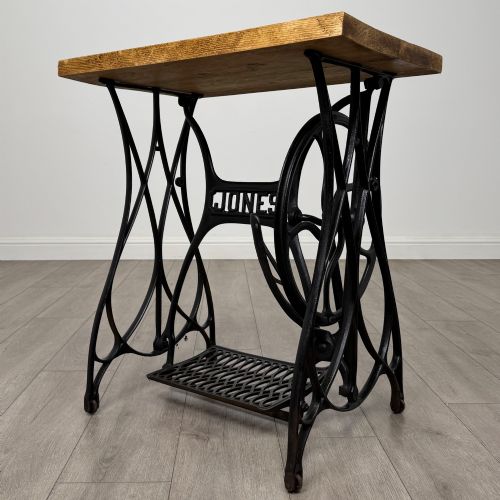
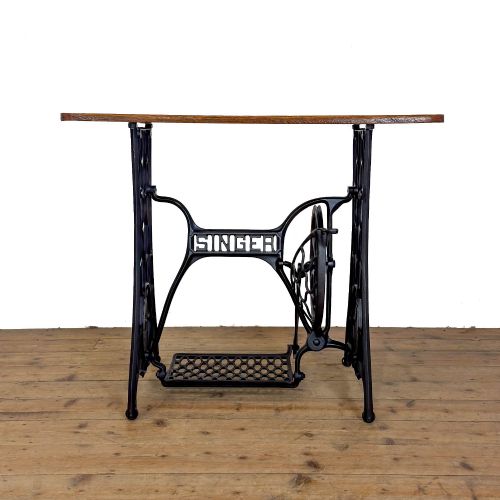
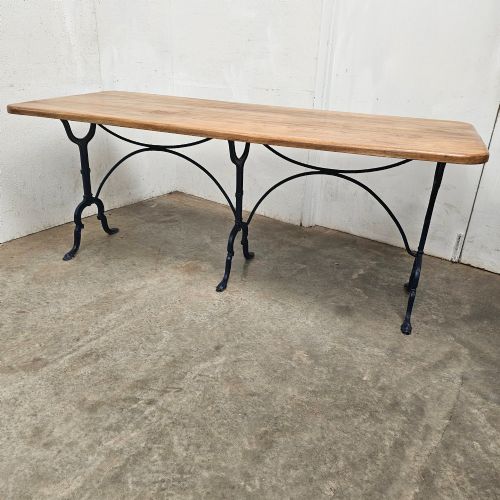
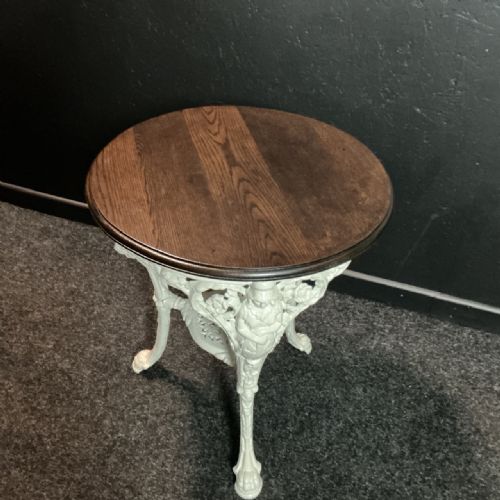
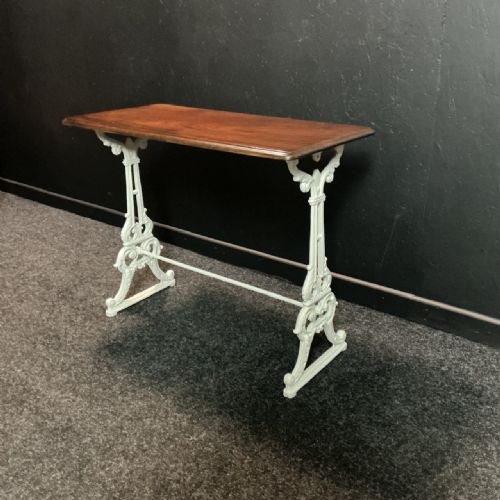
The pieces on this page span the Victorian and Edwardian eras through to the early twentieth century, encompassing industrial machinery legs, pub table pedestals and garden furniture supports. Pub tables, bistro tables and sewing machine treadles dominate the selection, bringing utilitarian design into domestic spaces.
Originating from British and French workshops, these items reflect both pragmatic commercial use and decorative Victorian scrollwork. Buyers select them to anchor eclectic interiors, mixing heavy metal with warm wood and glass.
Materials and construction methods
Foundries produced these supports by pouring molten iron into sand moulds, creating intricate scrollwork or heavy industrial pedestals with high structural rigidity. This casting technique allowed makers to achieve complex relief patterns and robust load-bearing legs that resist warping and wear.
Makers frequently combined the iron components with native and imported timbers, securing mahogany, oak, pine and elm tops with traditional bolts and screws. Brass and wrought iron elements occasionally appear alongside the primary cast iron structure to add functional hardware or decorative contrast.
Surface finishes range from blackened foundry patinas to layers of historic green and dark paint, often showing the natural oxidation accumulated over decades of use. The marriage of durable metal and dense timber defines the physical presence of these pieces.
Some nineteenth-century sewing machine bases still retain the rhythmic hum of their original treadle pedals when you test them.
Evaluating quality and proportion
The distinction between ordinary utility castings and superior examples lies in the crispness of the moulded detail and the balance of the proportions. Finer pieces display sharply cast floral or geometric motifs without the surface pitting common in hurried mass production.
Originality of pairing governs value, as factory-matched iron bases and timber tops retain a historical integrity that married or later-combined items lack. Surviving manufacturer marks, such as foundry stamps or maker names cast directly into the metal, signal higher workshop standards.
Structural stability depends on the integrity of the original joints and the absence of hairline fractures in the metal. Heavy pedestals require even weight distribution and straight vertical alignment to function correctly as modern furniture supports.
The Antique Cast Iron Base Glossary
- Cast iron
- An iron-carbon alloy poured into a mould in a molten state. It provides exceptional weight and rigidity for furniture bases and machinery.
- Britannia
- A specific style of heavy pub table base featuring three curved legs and a central fluted column. These heavy supports offered stability in busy nineteenth-century taverns.
- Scrollwork
- Decorative curving ornamental metalwork cast into the frame. This technique softens the industrial appearance of iron with flowing botanical motifs.
- Treadle
- A foot-operated lever mechanism connected to sewing machine bases. These pivoting iron frames are frequently repurposed as console or occasional tables.
- Patina
- The surface sheen and colour acquired by metal and wood through age and handling. A natural patina distinguishes historic pieces from modern reproductions.
Antique Cast Iron Base: Frequently Asked Questions
Can I use an antique cast iron base outdoors?
Many of these bases originated as garden furniture or heavy industrial equipment and tolerate outdoor placement well if protected from standing water.
Iron naturally develops surface oxidation when exposed to moisture, so applying a protective wax or clear sealant helps preserve the historic finish in garden settings.
How do I attach a new table top?
Most bases feature pre-drilled bolt holes along the top mounting plate designed for direct timber attachment. Using appropriately sized wood screws or threaded bolts through these existing fixing points ensures a secure connection without altering the historic metal.
Matching the weight of the new top to the heavy density of the iron base prevents tipping and maintains proper balance.
How do I clean cast iron without ruining the patina?
Remove surface dust with a dry brush and wipe gently with a damp cloth using mild soap if necessary. Avoid harsh chemical strippers or abrasive pads that remove the dark historic oxidation and aged paint layers accumulated over the decades.
How can I date a cast iron base?
Examine the casting quality, fastener types and any maker marks or registration numbers stamped into the metal. Victorian pieces often display registered design lozenges or ornate floral scrollwork, while early twentieth-century examples favour streamlined industrial profiles.