
Victorian Ornate Mirror
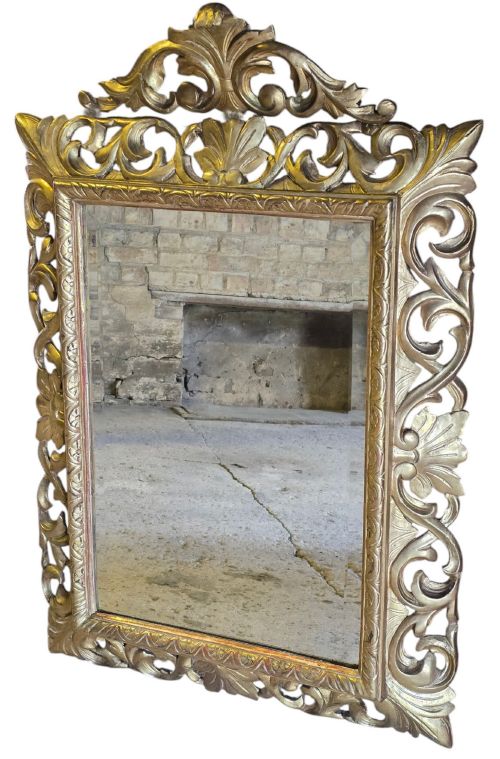
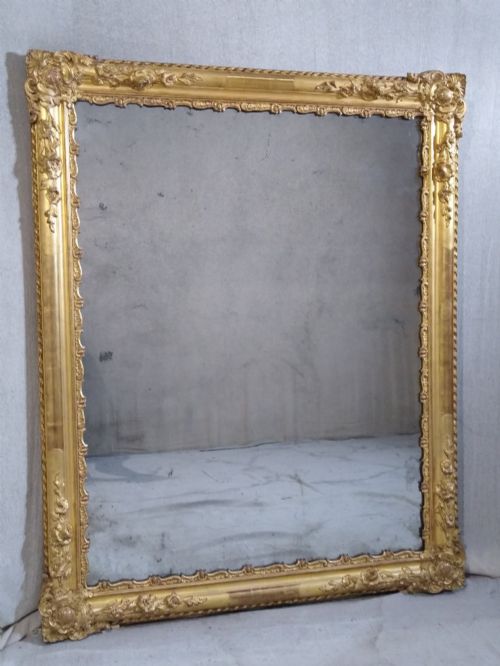
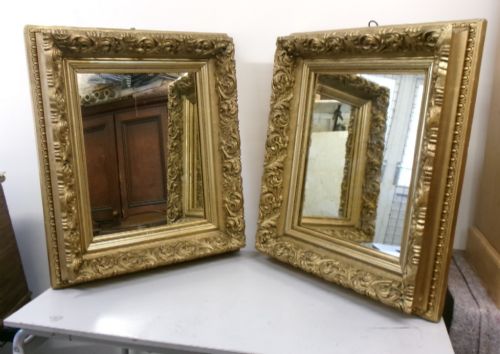
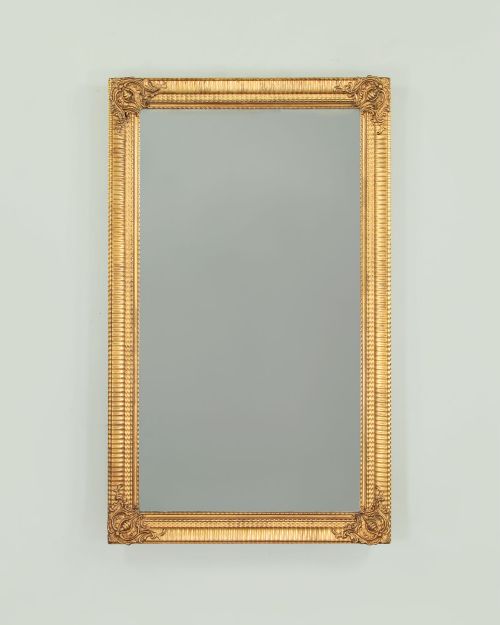
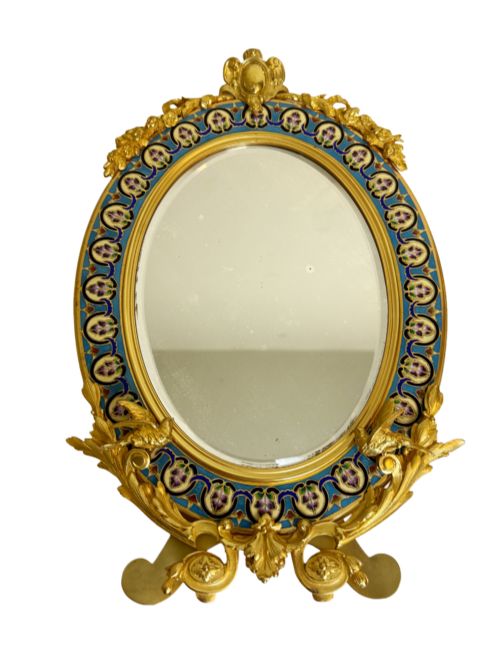
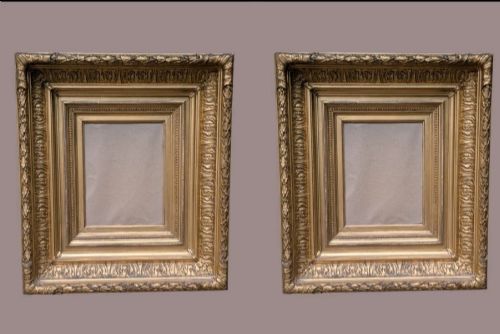
A victorian ornate mirror commands a room through heavy gilt frames and deep carving, rewarding those who study its surface.
Victorian Ornate Mirror
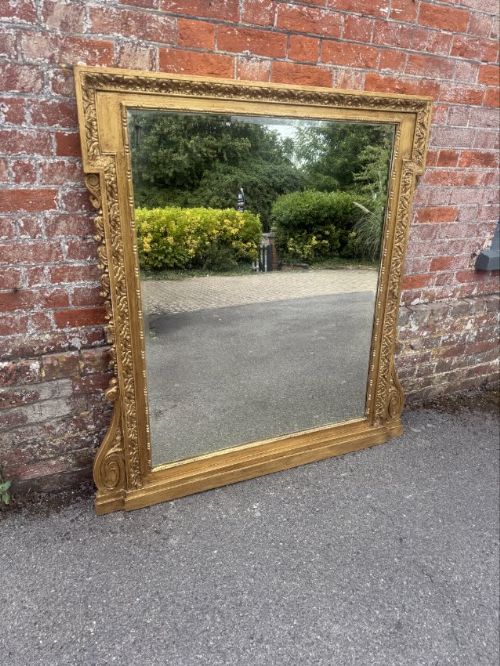
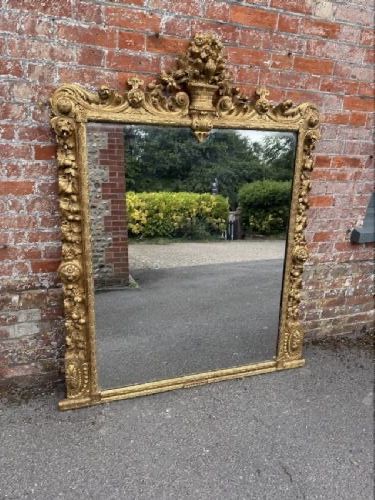
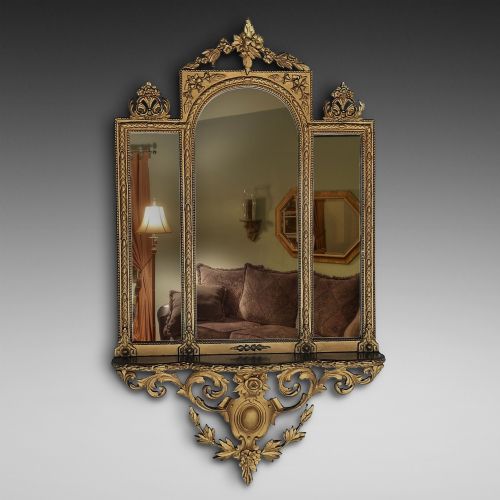
Buyers seeking a victorian ornate mirror typically encounter large overmantel frames, tall wall hangings, and smaller tabletop dressing glasses. These pieces emerge primarily from the nineteenth century, spanning decades from eighteen fifty to nineteen ten.
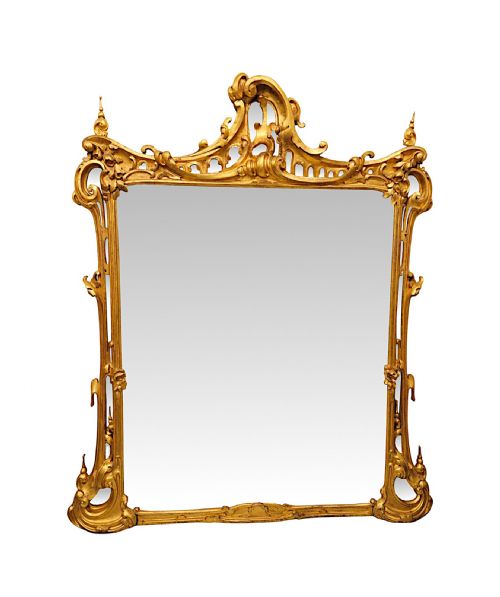
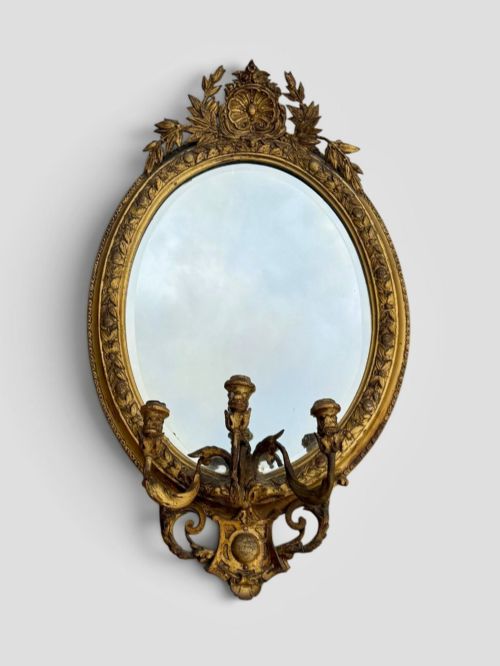
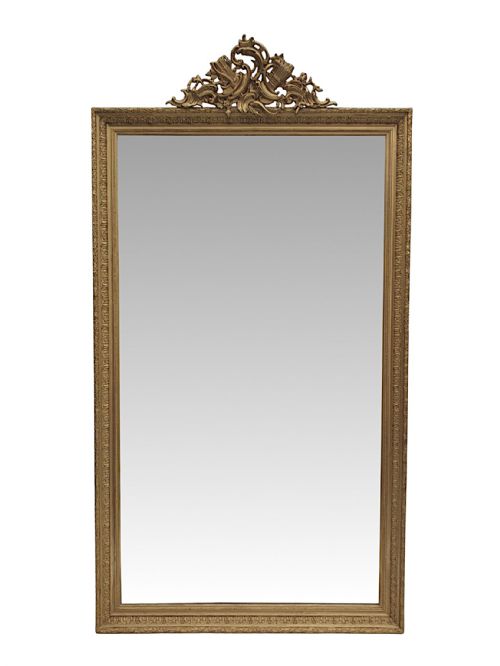
The domestic interior shapes these forms, particularly massive overmantels designed to sit above fireplace surrounds and reflect light across Victorian drawing rooms. Wall mirrors and girandoles round out the selection, often carrying elaborate crests or display brackets.
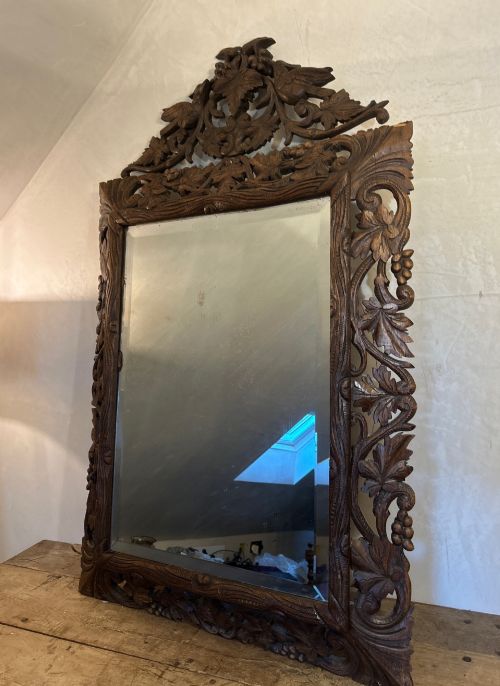
Continental influences appear frequently alongside English workshops, bringing Rococo Revival curves and French Chateau styling to heavy giltwood constructions. Oak and mahogany timbers occasionally provide the base for carved wooden surrounds instead of traditional gilt gesso.
Materials and construction
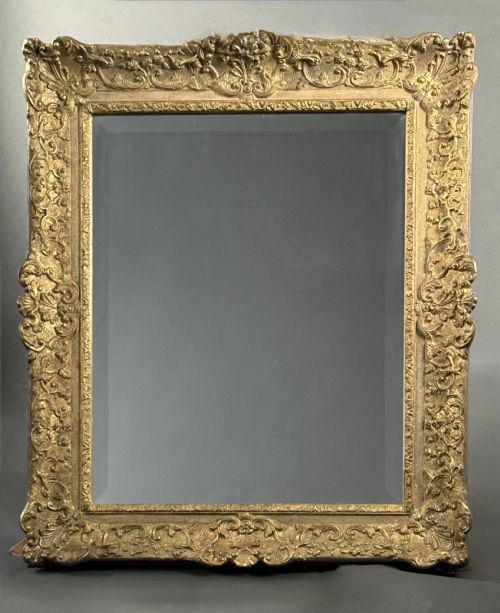
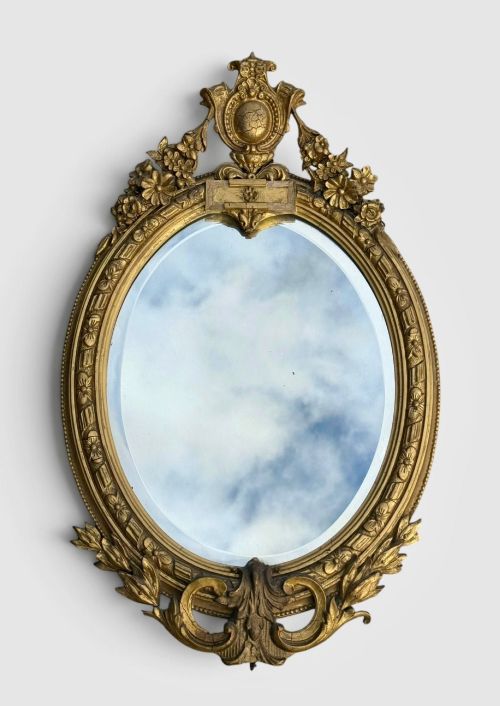
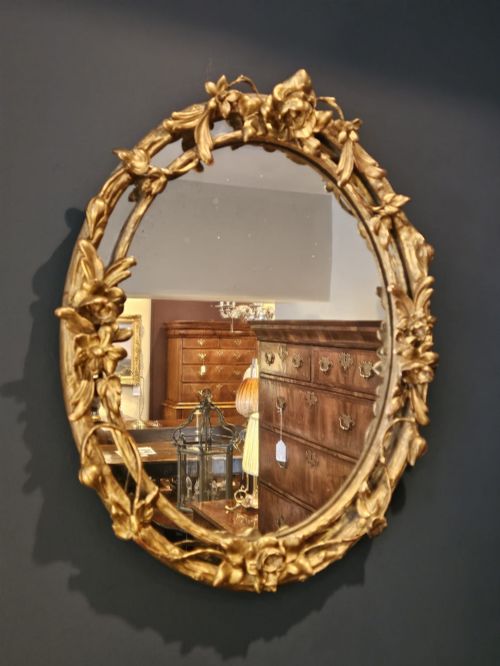
Makers built these frames using carved timber or composite moulding coated in gesso before applying gold leaf or paint. Giltwood and composition ornamentation created the dense scrolls, floral motifs, and sweeping cartouches characteristic of the period.
Mirror glass varied from clear plates to bevelled edges and surfaces showing natural foxing over time. Iron hardware, brass fittings, and wooden backing boards secured the heavy glass plates within their ornate housings.
Materials span traditional giltwood and gesso alongside cast iron, brass, and carved French oak.
Judging quality and execution
The depth and crispness of the carving separate superior examples from standard production pieces, particularly where hand-carved wood outshines moulded composition. Deep relief work on floral vines and scrolls demonstrates the carver's command over the material.
Original mercury or antique silvering on the glass plate adds considerable depth to the reflection, whereas replaced glass alters the historical integrity. The stability of the heavy gilt frame and the retention of original gilding dictate the overall preservation of the object.
Waring & Gillows
The Victorian Ornate Mirror Glossary
- Gesso
- A plaster-based mixture applied to wood frames to create a smooth surface for gilding or deep relief moulding. Artisans carved intricate decorative motifs directly into this dried compound.
- Overmantel mirror
- A wide horizontal mirror designed to sit upon the mantelpiece above a fireplace. These large plates dominated Victorian parlour walls to amplify light.
- Girandole
- A decorative wall mirror featuring attached candle sconces or arms flanking the glass. The polished metal or gilt surface multiplied the candlelight in dim evening rooms.
- Foxing
- The natural age-related spots and discolouration occurring within the silvered backing of old mirror glass. Collectors prize authentic foxing for the atmospheric depth it brings to the reflection.
- Pier glass
- A tall narrow mirror hung on the wall space between two windows. This placement maximised natural illumination in high-ceilinged Victorian reception rooms.
Victorian Ornate Mirror: Frequently Asked Questions
How do I hang a heavy overmantel mirror safely?
These massive frames require direct attachment to masonry walls or heavy timber studs using reinforced steel brackets. Weight distribution must rest securely on the lower supports rather than the hanging wire alone.
Professional installation is recommended for any piece exceeding normal domestic weight limits to protect both the wall structure and the antique frame.
Where should I place an ornate mirror in my home?
Positioning the glass opposite a window maximises natural daylight and draws the outside view deep into the living space. Overmantels naturally anchor a fireplace wall, while smaller oval or pier mirrors suit hallways and dressing areas.
Consider sightlines from seated positions to ensure the reflection captures an attractive part of the room rather than blank walls.
How can I tell an original Victorian mirror from a reproduction?
Examine the construction of the wooden backing boards, fixings, and the composition of the gesso layer under magnification. Hand-carved tool marks, heavy oak or pine frames, and genuine age-related wear on the mirror plate indicate true period manufacture.
Twentieth-century reproductions often feature uniform synthetic materials and modern backing screws that lack nineteenth-century patina.
How do I clean and care for antique gilt frames?
Dust the intricate gesso and gilt surfaces gently with a very soft, dry brush to prevent damage to fragile raised decoration. Avoid chemical cleaners, moisture, and polishing cloths that can strip the delicate gold leaf finish.
Stable indoor humidity preserves the underlying wood and prevents the composition ornaments from cracking or separating from the frame.