


Victorian Orientalist Art
Victorian orientalist art brings together 19th-century paintings, bronzes and works on paper capturing scenes of the Middle East and beyond.
Victorian Orientalist Art
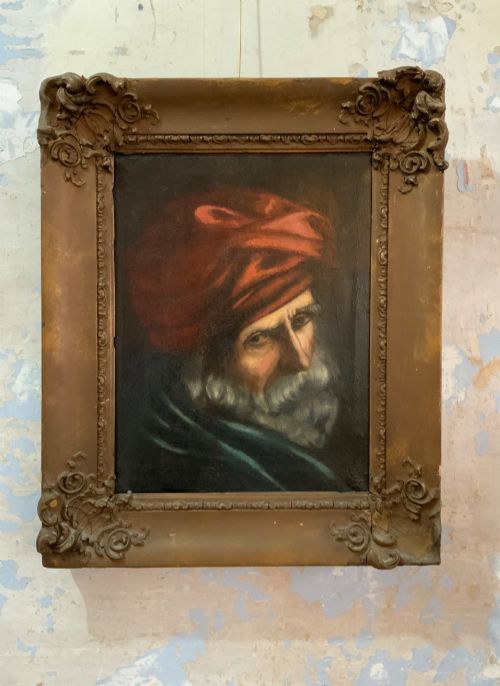
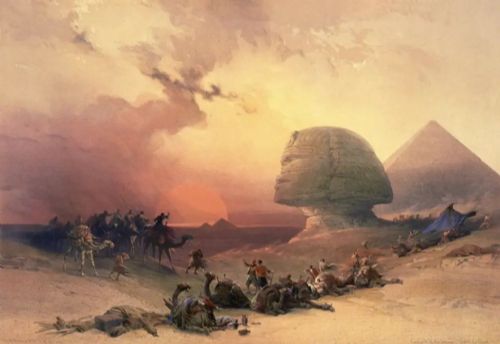
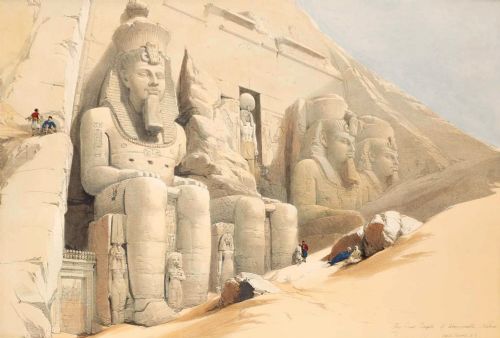
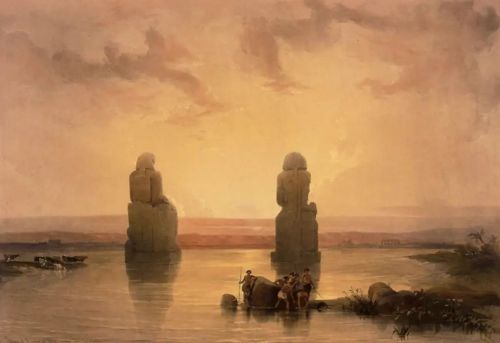
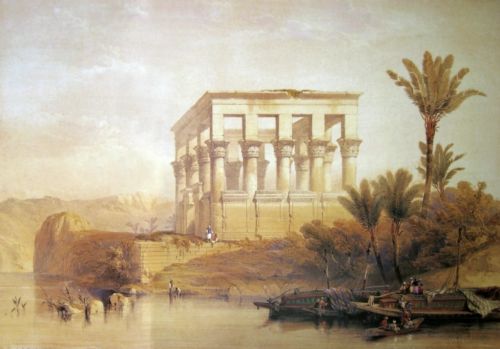
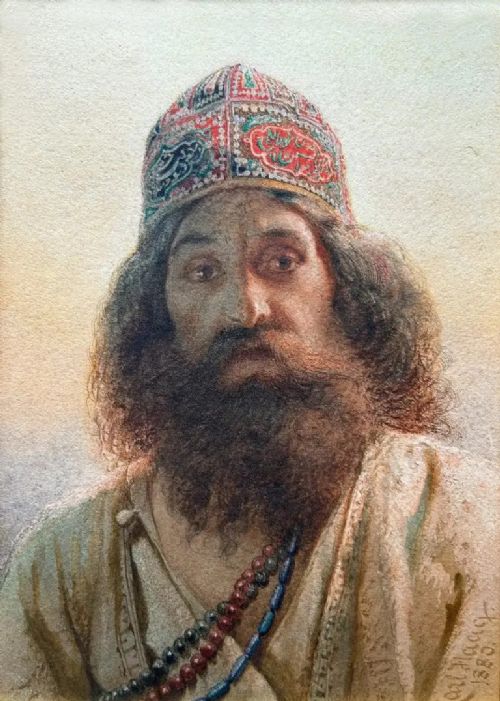
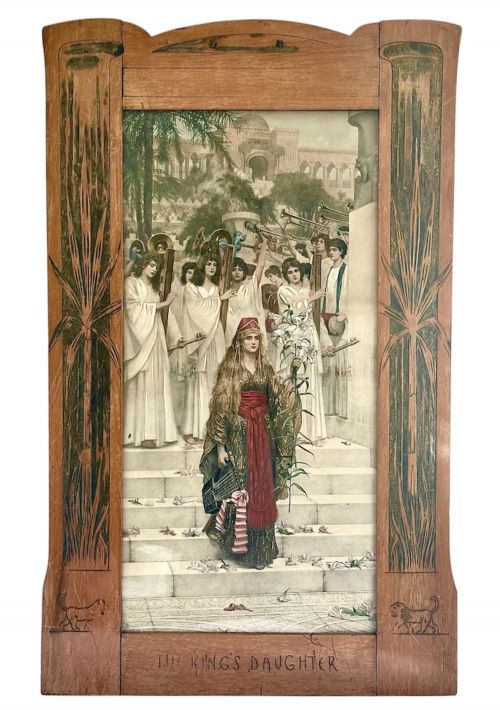
Victorian orientalist art encompasses oil paintings, watercolours, lithographs and sculptures produced during the 19th century and recording Middle Eastern subjects. Buyers examine portraits of Arab gentlemen, desert views and architectural studies by artists who travelled extensively.
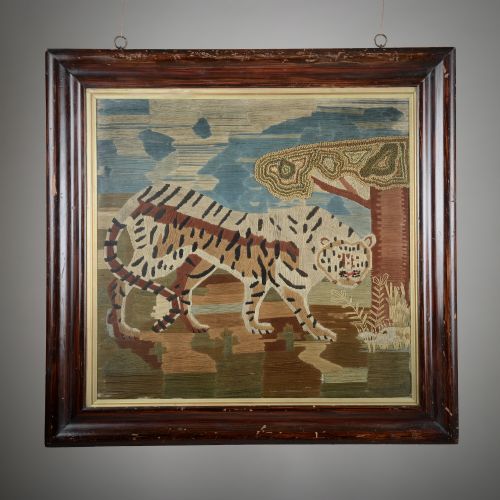
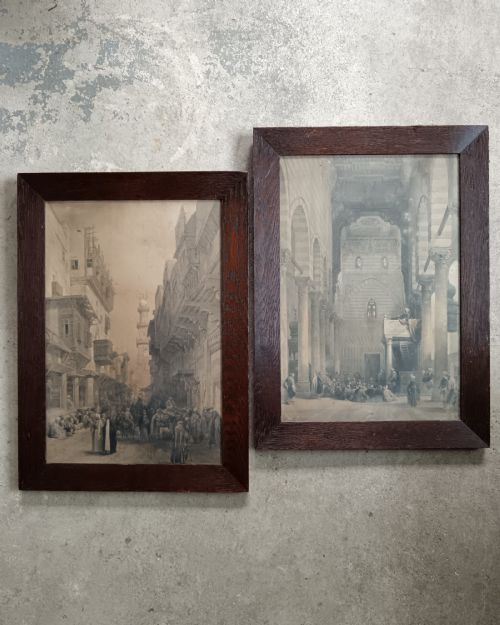
The selections available lean heavily on framed prints, oil paintings on canvas or board, and bronze figures. Pieces range from detailed watercolours of temples to large oil depictions of Bedouin tribesmen and historical figures.
Materials and methods
Makers utilised canvas, paper, wood panels and board as grounds for pigments including oil paint, watercolour, ink and gold leaf. Lithographs and photogravures reproduced graphic works using specialised printing plates.
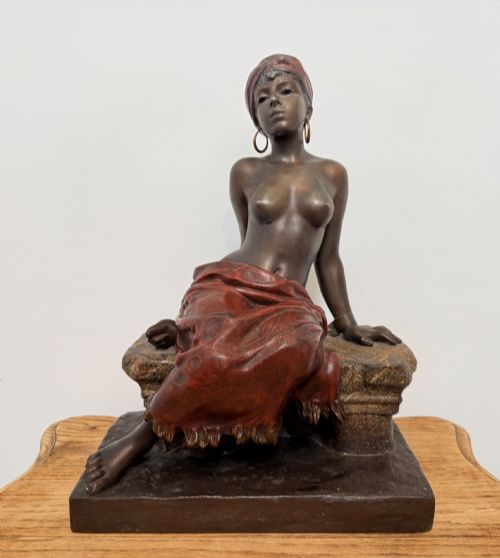
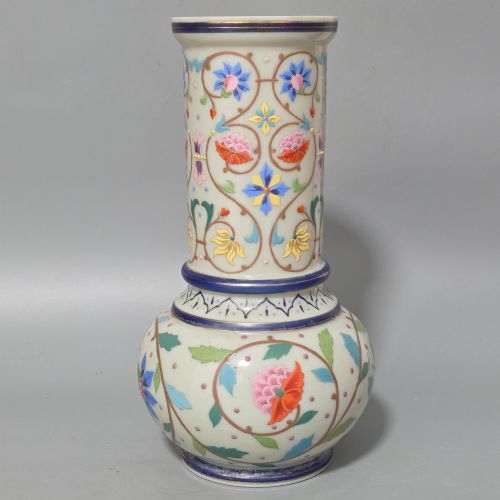
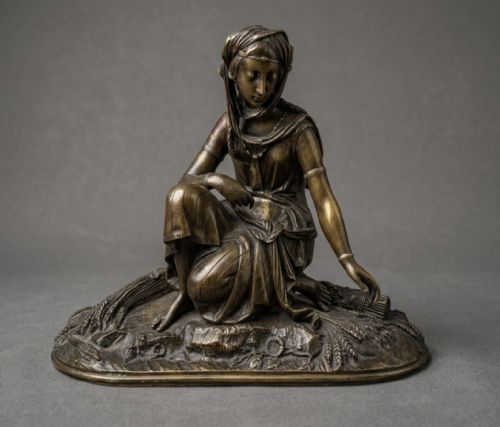
Sculptures were cast in bronze to capture fine details in figures and animals. Glass and papier mache also appear among decorative objects carrying distinct ornamental motifs.
Listings feature works spanning the 19th century alongside later 20th-century interpretations, executed in oil, watercolour, bronze and glass.
Judging quality in these works
Quality rests on the precision of the draughtsmanship and the handling of light within oil and watercolour mediums. Stronger pieces demonstrate careful rendering of architectural monuments and expressive portraiture.
Bronze sculptures show refinement in the chasing and patination of the metal surface. Original framing and signatures from recorded painters or sculptors elevate individual examples.
David Roberts·Carl Haag·E Villanis·Thomas Webb·Pierre Jules Mene
The Victorian Orientalist Art Glossary
- Lithograph
- A print made from a flat stone or metal plate on which an image has drawn with a greasy substance. This technique allowed multiple impressions of detailed views to be circulated.
- Photogravure
- A photographic print produced from an engraved copper plate. It creates continuous tones derived from photographic negatives.
- Orientalism
- An artistic style focusing on themes and subjects from the Middle East and North Africa. Painters and sculptors recorded local architecture, dress and landscapes.
- Papier mache
- A composite material made of paper pulp reinforced with glue and oil, moulded into panels or decorative vessels. It was often painted and lacquered.
- Patination
- The surface finish or colour developed on bronze through natural ageing or chemical treatment. It highlights the modelling of sculptural forms.
Victorian Orientalist Art: Frequently Asked Questions
What subjects appear in victorian orientalist art?
These works typically show figures in traditional dress, desert encampments, river scenes along the Nile and ancient architectural monuments. Portraits of Arab gentlemen and Bedouin tribesmen with camels recur frequently.
Compositions also record temples, ruins and bustling street scenes observed by European artists travelling through Egypt, the Near East and India during the 19th century.
How do you display framed prints and paintings?
Framed watercolours, lithographs and oil paintings require positioning away from direct sunlight to protect pigments and paper grounds from fading. Wall placement should avoid damp walls and excessive temperature changes.
Original frames benefit from careful dusting with a dry cloth without chemical polishes. Heavy oil paintings on canvas need secure wall fixings suited to their weight.
How can you identify bronze sculptures?
Bronze sculptures are heavy metal castings that display a distinct metallic composition and patinated surface finish. They often feature signatures of the sculptor stamped or cast into the base.
Subjects generally match the wider artistic tradition, depicting figures such as falconers or classical forms associated with the 19th-century period.