


Victorian Oil on Panel
When you examine a victorian oil on panel, you encounter compact, durable paintings executed on rigid wooden supports during the nineteenth century.
Victorian Oil on Panel
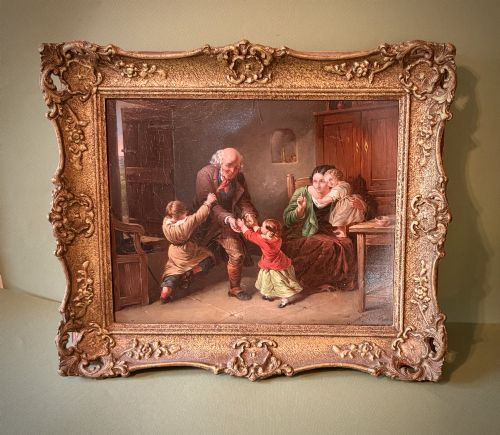
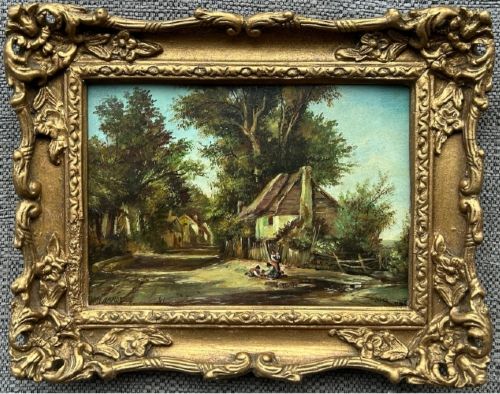
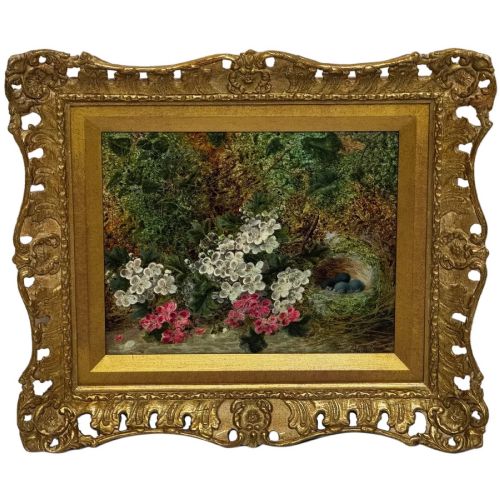
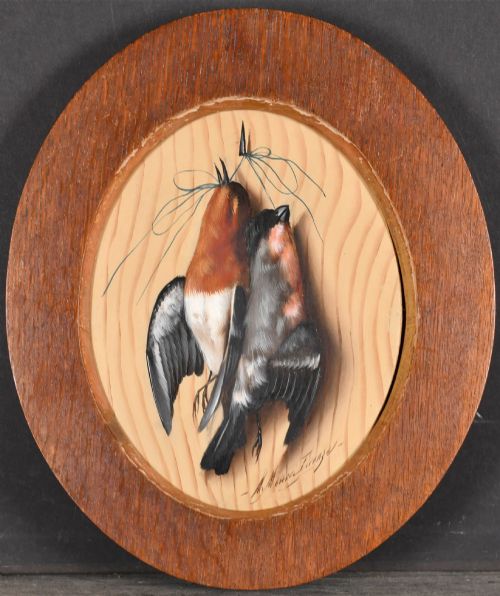
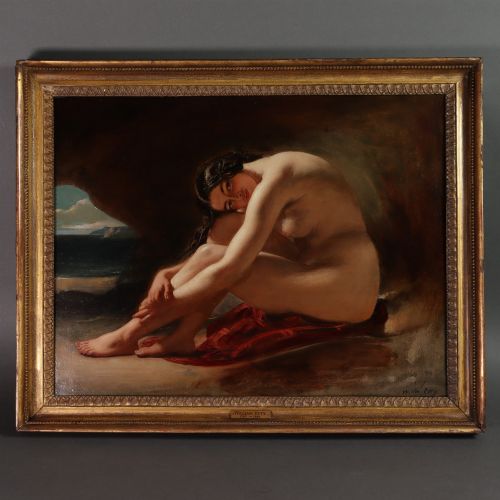
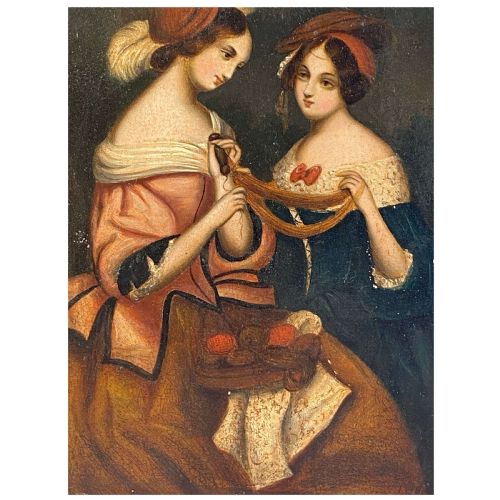
A victorian oil on panel typically presents as a small-scale painting executed directly onto a rigid wooden surface rather than stretched canvas. These works span a diverse array of subjects, including landscape scenes, genre paintings, still life arrangements, and detailed portraiture.
The prevailing examples on this page date predominantly from the nineteenth century, reflecting regional British, Scottish, and continental European schools. Artists utilised panel supports for both intimate domestic interior scenes and plein air topographical views.
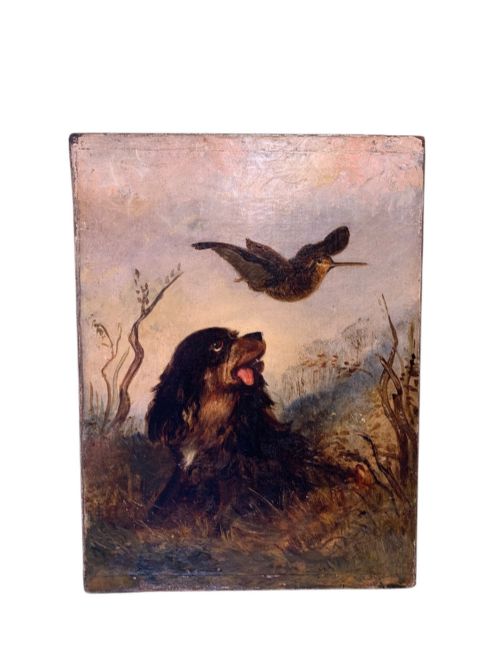
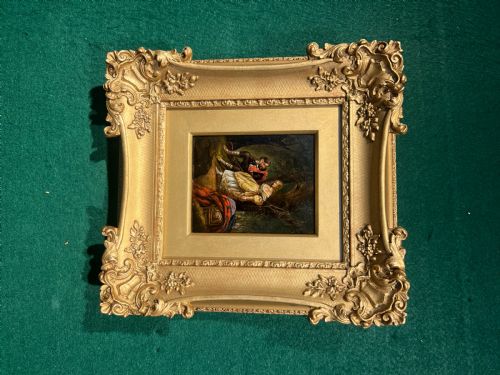
Subjects range from naive depictions of animals and children to highly finished academic portraits and marine coastal pieces. Many retain their period frames, constructed from materials such as burr maple, solid wood, or decorative giltwood.
Materials and Techniques
Artists applied traditional oil paint formulations onto prepared wood panels, board, zinc, or porcelain supports to create these works. The rigidity of the wooden panel provided a stable, smooth ground that allowed for fine brushwork and intricate detail without the flex associated with canvas.
Surfaces were frequently sealed and primed before painting to prevent the wood from absorbing the oil medium. Framing often involved heavy gilt wood or moulded plaster surrounds designed to protect and enhance the compact painted surface.
Several panels preserve the curious gaze of Victorian household pets, from pug dogs and spaniels to watchful kittens.
Evaluating Quality
Quality in these works rests upon the precision of the brushwork, the anatomical accuracy of figures or animals, and the sensitivity of the light handling. Superior pieces demonstrate confident mark-making and harmonious colour palettes that hold the viewer's attention across the composition.
The condition of the panel and the integrity of the original paint surface separate standard examples from finer works. Original ground preparation and minimal subsequent overpainting indicate a well-preserved piece retaining its intended artistic character.
Oliver Clare·Michelangelo Meucci·William Etty·James Kyd·Hans Temple·Sam Bough·Théophile Emmanuel Duverger·William Rayworth·Joseph Vickers de Ville·Sir John Everett Millais·Bessie Bamber·Robert F Watson·Walter Emsley
The Victorian Oil on Panel Glossary
- Oil on Panel
- A painting technique where oil-based pigments are applied to a rigid wooden support. This method offered artists a stable and durable alternative to stretched canvas.
- Genre Painting
- Artwork depicting scenes from everyday life, typically involving ordinary people engaged in domestic activities or leisure. These pieces provide insight into historical social customs and domestic interiors.
- Giltwood
- Wood that has been coated with a thin layer of gold leaf or gilt powder. It is frequently utilised in ornate nineteenth-century picture frames.
- Trompe l'Oeil
- An art technique involving extremely realistic imagery to create the optical illusion that the depicted objects exist in three dimensions. Artists employed this skill to trick the eye with still life arrangements.
- Naive Painting
- Art created by individuals without formal academic training, characterised by a simplistic approach to perspective and proportion. These works often possess a direct and charming aesthetic.
Victorian Oil on Panel: Frequently Asked Questions
How do I clean a wood panel painting?
Surface dust should be removed gently using a very soft, dry brush without applying pressure to the paint layer.
Moisture and chemical cleaning agents must be avoided entirely to prevent permanent damage to the historic oil medium and wooden support.
Were these paintings always framed?
Most nineteenth-century works were paired with complementary frames, often constructed from gilt wood, burr maple, or moulded plaster.
Original frames provide context and help protect the delicate edges of the wooden panel from environmental knocks.
Why did artists use panels instead of canvas?
Rigid wooden supports offered a stable, unyielding surface that allowed for minute, highly detailed brushwork.
Panels were also less susceptible to tearing and sagging than traditional woven canvas over long periods.
How can I identify the age of the panel?
Examination of the reverse side often reveals tool marks, wood grain patterns, historic labels, or framer stamps that indicate the period.
The preparation layers and framing construction also offer reliable clues to the century of execution.