


Victorian Oil on Canvas
Victorian oil on canvas paintings capture human likeness, animal portraiture and landscapes through pigment applied to woven fabric, offering collectors direct access to nineteenth-century visual culture.
Victorian Oil on Canvas
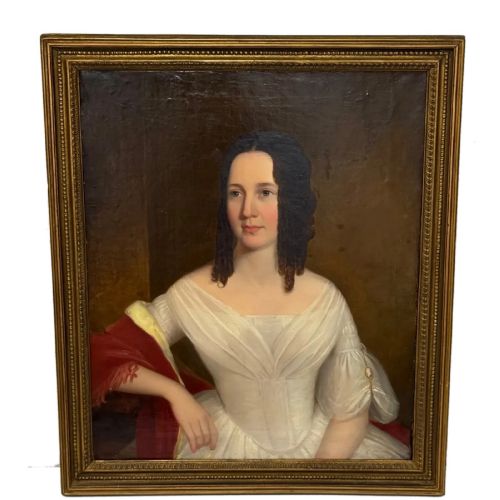
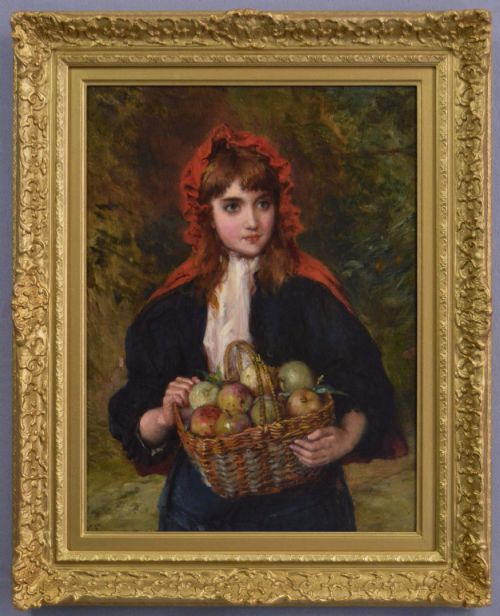
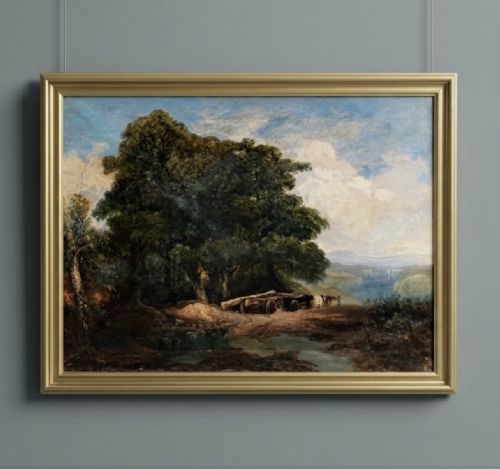
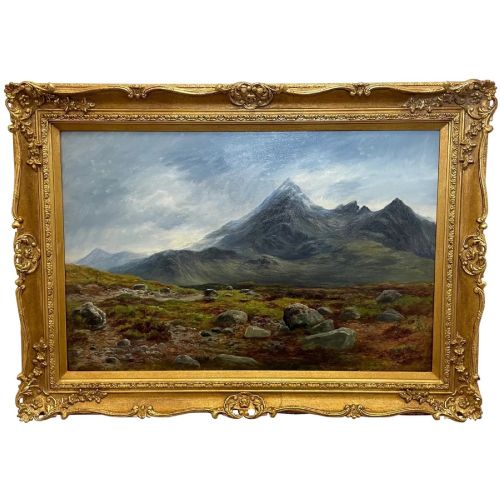
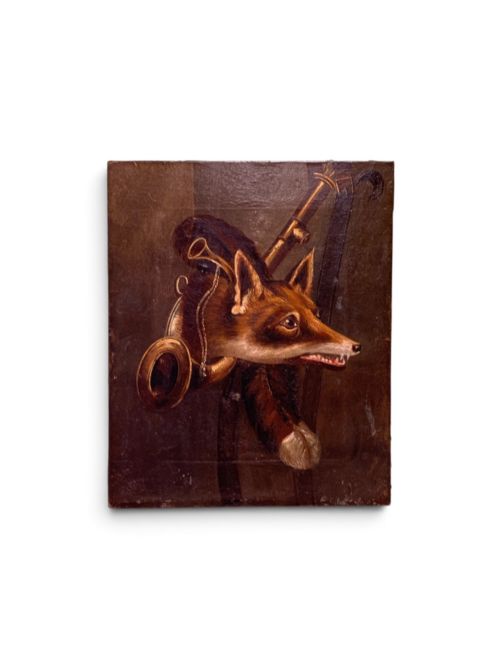
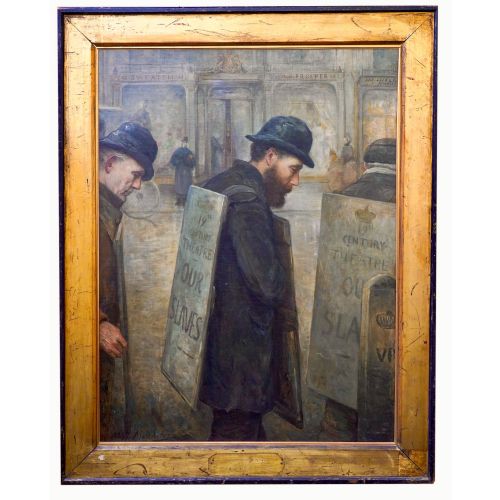
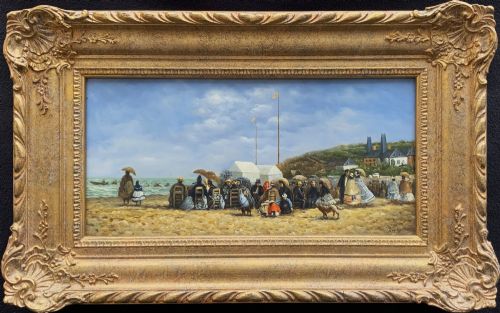
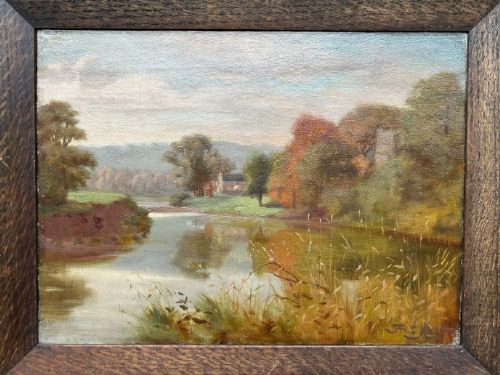
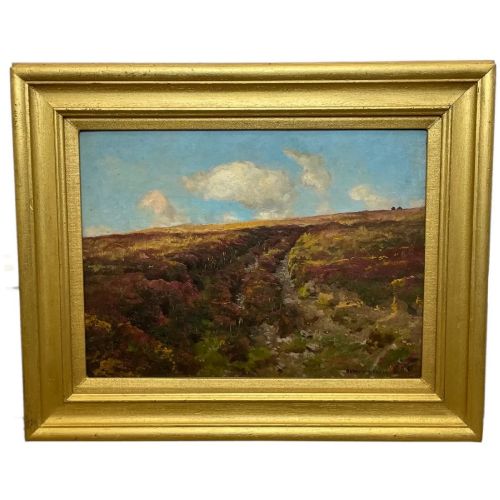
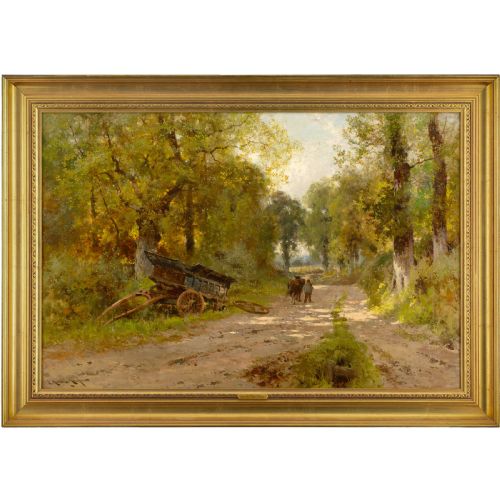
A buyer examining a victorian oil on canvas encounters diverse visual subjects ranging from human portraits and social history scenes to rural landscapes, maritime views, sporting art, and still life compositions. These works originate predominantly from nineteenth-century British and European studios, documenting the aesthetic preferences and daily lives of the period.
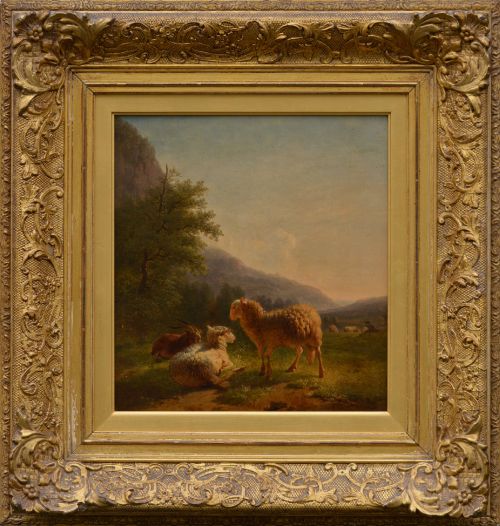
The most common formats on this page include framed portraits of gentlemen and ladies, romantic countryside vistas, and animal studies depicting dogs, horses, and livestock. Many pieces bear signatures or attributions to known painters of the era, while others represent the output of anonymous regional schools and continental workshops.
Materials and Construction
Painters applied oil paint directly onto woven canvas stretched over wooden frames, often supported by wood backing boards or secured within decorative enclosures. The physical structure relies on textile fibres primed to receive pigment, combined with timber stretchers that maintain tension across the painted surface.
Many surviving examples retain their original or period-appropriate giltwood and gesso frames, which utilise moulded plaster and gold leaf finishes to complement the artwork. The interplay between the oil medium and the fabric substrate allows pigments to retain depth and tonal variation across centuries.
Victorian Oil on Canvas Retail Price Guide 2026
Typical asking prices for victorian oil on canvas among the pieces listed under this phrase on Sellingantiques today, from the lower quarter to the upper quarter. They describe what is for sale here now, not the wider market.
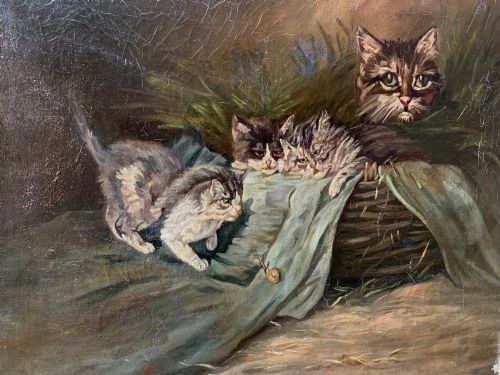
Among the portraits of nobility and landscapes, several canvases document cats on the hunt, racing pigeons, and a snail interacting with kittens.
Assessment of Execution
The standard of an oil painting rests upon the draughtsmanship of the composition, the handling of light and shadow, and the anatomical precision shown in human and animal portraits. Works by named artists or established regional schools typically demonstrate greater anatomical accuracy and subtlety in colour blending.
Framing and surface preservation also influence the overall character of a piece, as original period giltwood surrounds and well-maintained paint layers contribute to historical integrity. Surviving provenance and legible signatures further distinguish standard decorative works from documented exhibition pieces.
William Oliver·Eugène Verboeckhoven·Richard Sebastian Bond·William Beattie-Brown·Felix Stone Moscheles·Valentine T. Garland·John Maler Collier·Dumini Leopoldo·Frederick Marriott·Arthur Wardle·John Horace Hooper·William McAlpine·Alfred Fontville de Breanski Jr·Stephen Samuel Lewin·John Rose Miles·Vittorio Reggianini·Thomas W Lascelles·Mark William Langlois·David Bates·William Broome·Thomas Smythe·Albert Clark·Alfred Lyndon Grace·Henry Park·Christopher Mark Maskell
The Victorian Oil on Canvas Glossary
- Canvas
- A heavy woven fabric, usually linen or cotton, used as the primary support surface for oil paintings. It is stretched tightly over a wooden frame before priming and painting.
- Giltwood
- Timber carved and coated with gold leaf or a gold-coloured finish. This material is standard for ornate nineteenth-century picture frames.
- Gesso
- A paint mixture consisting of a binder mixed with chalk, gypsum, or pigment. It is applied to wooden frames as a base for gilding.
- Genre Painting
- Artwork depicting scenes from everyday life, ordinary people, or domestic interiors. These pieces capture contemporary social habits rather than historical or mythological events.
- Provenance
- The chronological ownership history and documented origin of an artwork. A recorded lineage helps verify the authenticity and background of a piece.
Victorian Oil on Canvas: Frequently Asked Questions
How do I identify a nineteenth-century canvas?
Examine the reverse of the artwork for the weave of the textile, handmade stretcher keys, and the type of nails or tacks securing the fabric. Older pieces often show oxidation on the wooden frame and darkening of the canvas fibres over time.
Signatures, stamps from artist suppliers, and old exhibition labels also provide clues regarding the production date and geographical origin of the painting.
Where were these paintings displayed originally?
Victorian artworks of this scale hung primarily in domestic drawing rooms, country house libraries, and commercial townhouses. Wealthy patrons commissioned portraits or acquired landscapes to demonstrate social standing and cultural refinement.
Smaller genre scenes and animal studies often decorated more intimate family spaces, reflecting the Victorian taste for narrative and sentimental art.
How should I care for an oil on canvas?
Keep paintings away from direct sunlight, high humidity, and rapid temperature fluctuations to prevent the canvas from warping and the paint layer from cracking. Dust the surface gently with a soft, dry brush without applying pressure to the pigment.
Avoid using liquid cleaners or chemical solvents on the painted surface, and consult a professional conservator if the canvas requires cleaning or structural repair.
What subjects were popular in the Victorian era?
Popular subjects included aristocratic and middle-class portraiture, dramatic maritime scenes, pastoral landscapes, and narrative genre paintings involving humans and animals. Sporting art depicting horses, hunting dogs, and livestock also commanded strong patronage.
Artists drew inspiration from domestic life, literature, and travels across Britain and continental Europe, producing varied imagery for public exhibition and private collection.