



Victorian Oil Landscape
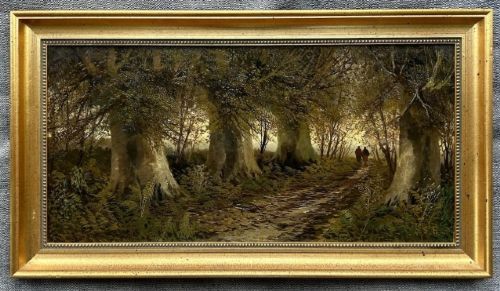
A victorian oil landscape captures the changing pastoral, coastal, and rural scenes of the nineteenth century through expressive brushwork.
Victorian Oil Landscape
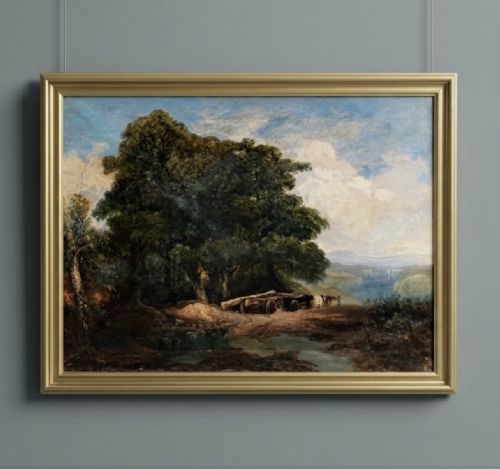
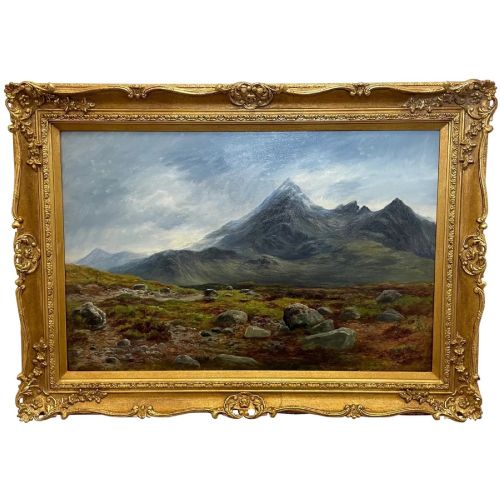
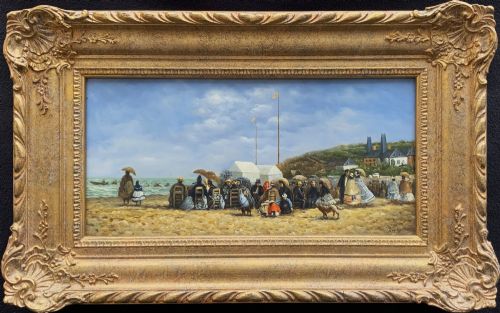
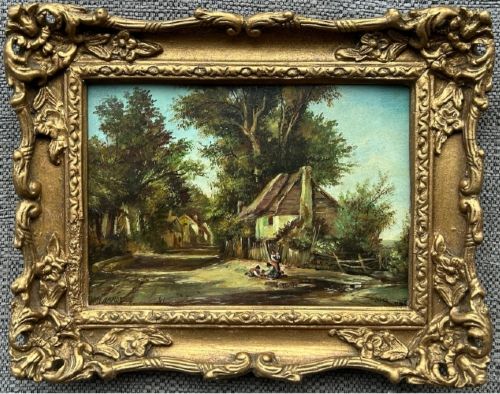
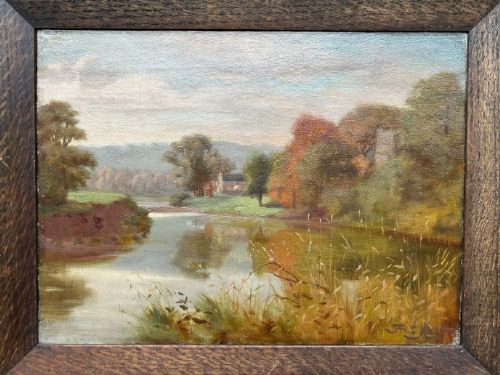
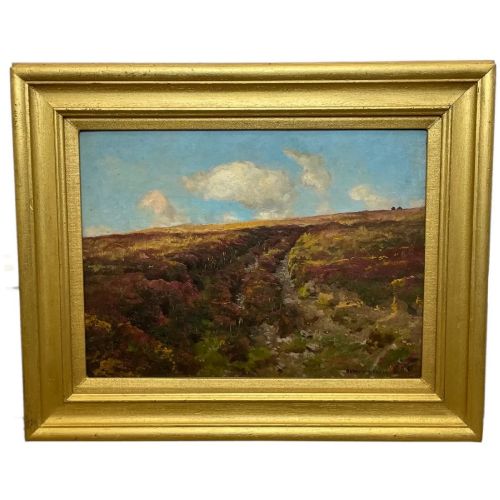
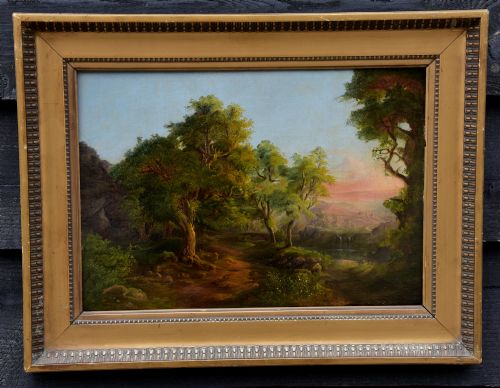
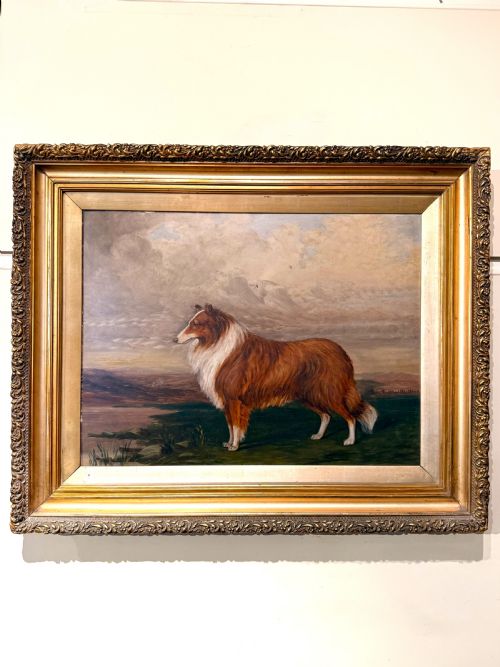
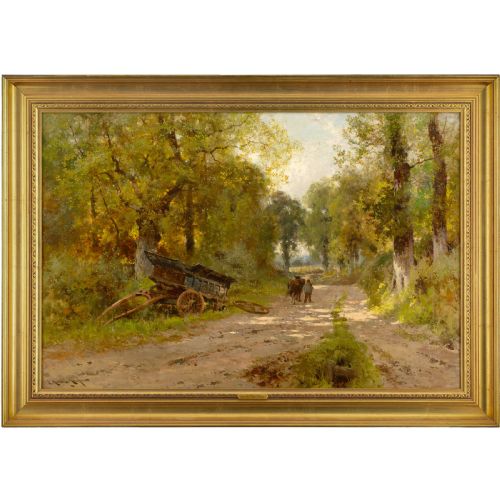
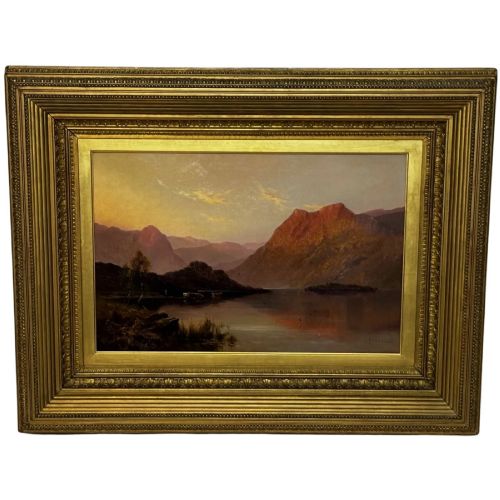
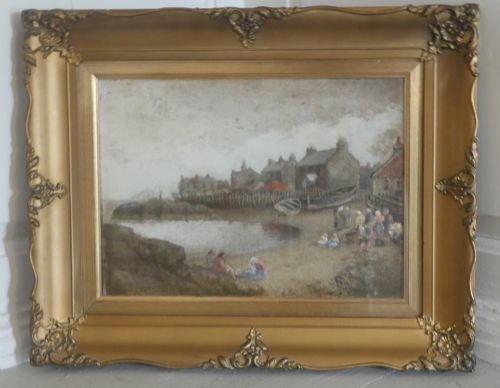
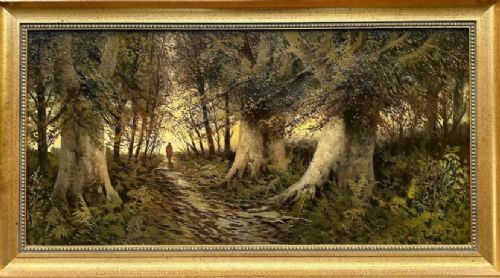
When searching for a victorian oil landscape, collectors encounter framed artworks depicting rural vistas, highland scenes, and coastal harbours created during the nineteenth century. The selection ranges from intimate panels to large canvases representing pastoral idylls, marine views, and sporting art.
The most frequent examples on this page are British and Scottish landscapes executed on canvas or board, often featuring cottages, livestock, and river valleys under detailed skies. These works span mid-Victorian romanticism and realism, reflecting an era deeply engaged with the natural world.
Materials and Technique
Artists painted primarily with oil paint on stretched canvas, wooden panels, or milk glass, applying pigment to build depth and texture. Brushes and palette knives created varied strokes, capturing the light of sunsets, woodlands, and open water.
Many of these paintings survive in their original frames constructed from wood, gesso, and giltwood. These ornate frames provide structural support and complement the visual richness of the painted surface.
Victorian Oil Landscape Retail Price Guide 2026
Typical asking prices for victorian oil landscape among the pieces listed under this phrase on Sellingantiques today, from the lower quarter to the upper quarter. They describe what is for sale here now, not the wider market.
Listings feature works from the nineteenth century using oil paint on canvas, board, and milk glass.
Assessing Quality
Quality rests in the precision of brushwork, the management of natural light, and the convincing composition of natural elements such as foliage, water, and livestock. Superior examples reveal confident handling of atmospheric perspective and tonal harmony across the entire scene.
The relationship between the painting and its period frame also influences the overall integrity of the piece. Works that retain their original giltwood or gesso framing demonstrate better preservation and historical completeness.
Eugène Verboeckhoven·Richard Sebastian Bond·William Beattie-Brown·Arthur Wardle·John Horace Hooper·Alfred Fontville de Breanski·David Bates·Thomas Smythe·Alfred Pollentine·Francis Moltino·Bernard Benedict Hemy·Thomas Creswick·Thomas Sidney Cooper·Richard Redgrave·Henry H Parker·Robert Watson·Charles Hunt·John Wilson Carmichael·Edwin Henry Landseer·Christopher Mark Maskell·Clarence Roe·F E Jamieson·Franz Hoepfner·Thomas Henry Thomas·Georgina Lara
The Victorian Oil Landscape Glossary
- Canvas
- A heavy woven fabric stretched across a wooden frame to serve as a support for oil painting. It provides a flexible and durable ground for pigment.
- Giltwood
- Wood carved and covered with a thin layer of gold leaf or metallic gilding. This material forms the ornate frames typical of nineteenth-century art.
- Gesso
- A plaster-like mixture applied to wood or canvas to prepare a smooth surface for painting or framing. It accepts gilding and intricate moulding easily.
- Pastoral
- A style of artwork depicting rural life, shepherds, and agricultural scenes in an idealized manner. These subjects emphasise tranquility and harmony with nature.
Victorian Oil Landscape: Frequently Asked Questions
What subjects appear in these paintings?
The artworks display diverse subjects including Scottish highlands, rural farmsteads, coastal harbours, and river valleys.
Animals, cottages, and figures engaged in harvest or travel frequently animate these outdoor views.
How should I care for an oil painting?
Keep the artwork away from direct sunlight and dramatic shifts in temperature or humidity to protect the canvas and paint.
Dust the surface and frame gently with a dry, soft cloth without applying liquid cleaners.
Are these paintings signed by the artist?
Many pieces feature visible signatures or inscriptions by the original nineteenth-century painters.
Unsigned works often attribute to specific regional schools based on style, technique, and subject matter.