


Victorian Oil Lamp Conversion
A victorian oil lamp conversion brings nineteenth-century illumination into the modern interior, combining period metalwork with contemporary wiring.
Victorian Oil Lamp Conversion
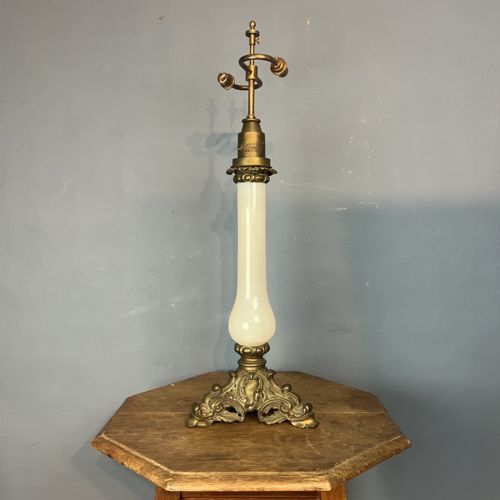
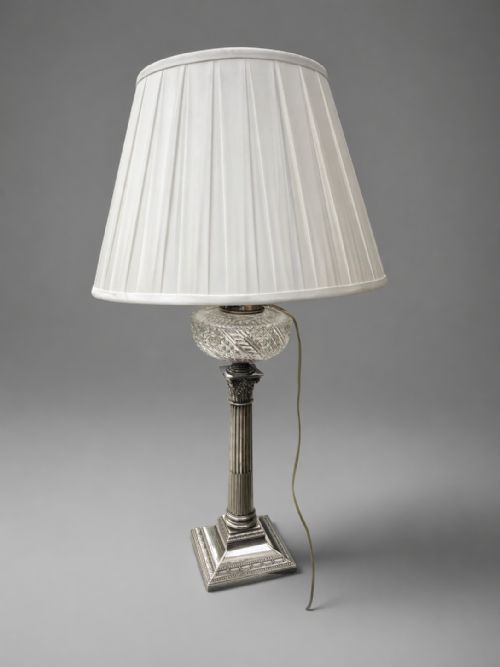
A victorian oil lamp conversion transforms nineteenth-century lighting apparatus into functional electric lamps for contemporary domestic settings. These pieces primarily take the form of table lamps and tall floor standards designed to utilise standard modern bulbs.
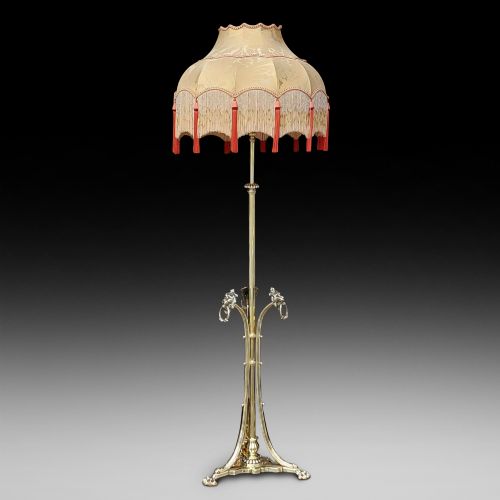
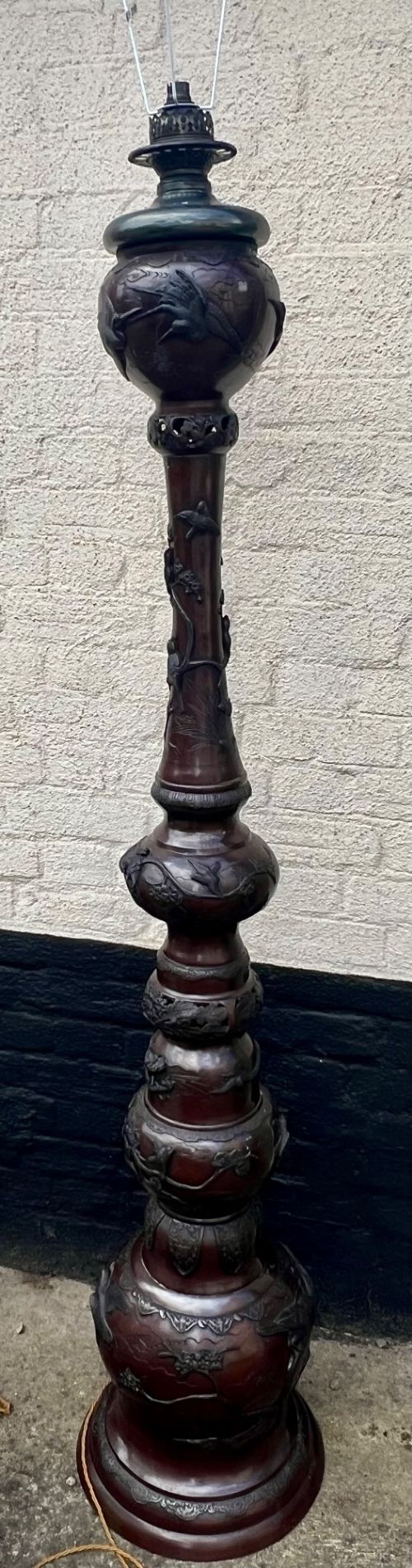
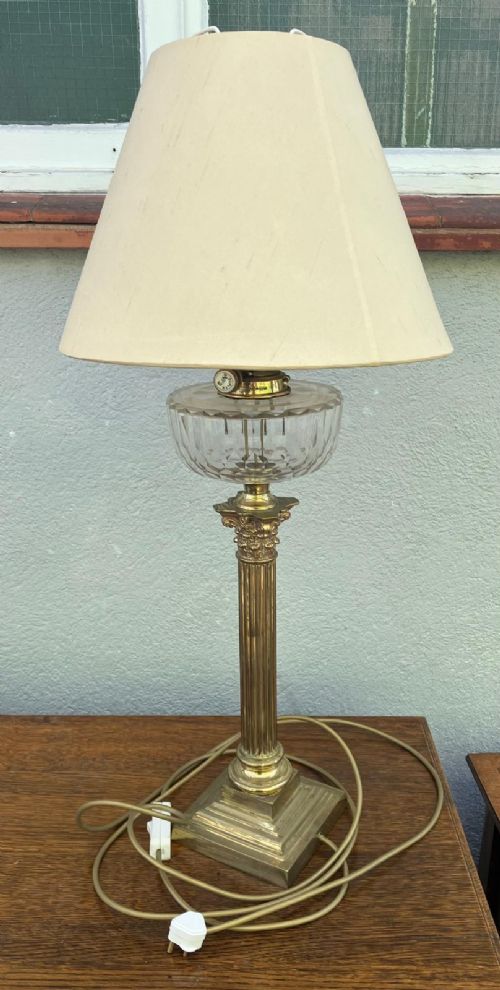
The inventory on this page draws predominantly from the Victorian and Edwardian periods, stretching from the mid-nineteenth century into the early nineteen hundreds. Buyers encounter diverse stylistic influences spanning neoclassical revival, art nouveau, and Japanese Meiji designs.
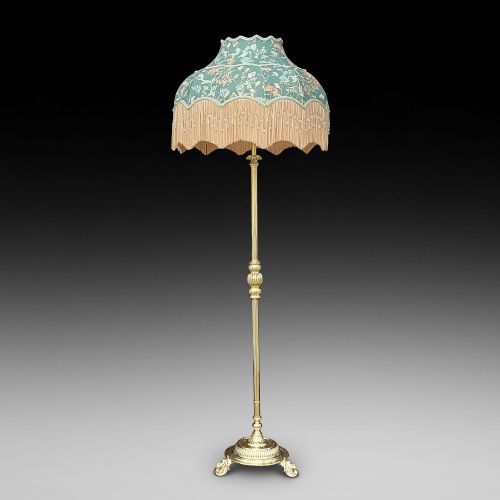
Most examples originate from the latter half of the nineteenth century, reflecting an era of robust domestic metalwork and decorative glass production. Table lamps and adjustable floor standards dominate the selection currently available.
Distinctions in quality
Quality rests in the substance of the metalwork, the weight of the cast components, and the refinement of the decorative detailing. Heavy brass standards and finely chased bronze mounts indicate superior manufacture compared to lighter commercial alternatives.
The integration of the electrical conversion influences the overall integrity of the piece, particularly where original burners and collars have been adapted. Furthermore, the clarity and coloration of opaline or cut glass reservoirs distinguish finer examples from standard production.
Victorian Oil Lamp Conversion Retail Price Guide 2026
Typical asking prices for victorian oil lamp conversion among the pieces listed under this phrase on Sellingantiques today, from the lower quarter to the upper quarter. They describe what is for sale here now, not the wider market.
Listings feature 19th Century, Victorian, and Edwardian periods alongside materials including brass, bronze, cut glass, opaline glass, and silver plate.
Mc Gary·Joseph Hinks·Hinks·Messenger
The Victorian Oil Lamp Conversion Glossary
- Standard lamp
- A tall floor-standing lamp designed to illuminate a room from a vertical pillar. These often include adjustable telescopic shafts.
- Opaline glass
- An opaque or semi-translucent glass, frequently tinted in white or pastel shades, used for reservoirs and shades.
- Repoussé
- A metalworking technique where the metal is hammered from the reverse side to form a raised design in relief.
- Corinthian column
- An architectural column style featuring an ornate capital decorated with acanthus leaves, frequently replicated in brass lamp shafts.
Victorian Oil Lamp Conversion: Frequently Asked Questions
How are these lamps wired for modern use?
The original oil-burning mechanisms are carefully adapted to house standard electrical fittings while preserving the exterior metal and glass components. Wiring is routed safely through the central column to meet current safety standards.
Professional conversion ensures the antique aesthetic remains undisturbed while providing reliable daily illumination for modern homes.
Can I adjust the height of these floor lamps?
Many nineteenth-century standard lamps feature telescopic brass shafts designed to alter the vertical reach of the light source. This mechanical adjustment allowed Victorian households to position illumination precisely where required.
Buyers should examine the specific listing details to confirm whether a telescopic mechanism is present on a particular standard.
What materials are most common in these lamps?
Brass and bronze form the structural core of the vast majority of these pieces, providing a sturdy foundation for the tall columns. These metals are frequently paired with contrasting elements such as cut glass reservoirs or ceramic faience bodies.
Additional decorative touches include opaline glass and silver plate, reflecting the diverse manufacturing styles of the nineteenth century.
How do I identify a period piece?
Dating relies upon stylistic markers such as neoclassical column designs, art nouveau curves, or Japanese Meiji bronze motifs. Maker stamps on the metalwork or patent markings on the collars also provide definitive evidence of origin.
The combination of heavy cast brass, period glass types, and nineteenth-century manufacturing techniques distinguishes authentic period examples.